
PODCAST · news
Introduction to Stackcell Structures
by Brandon O'Reilly
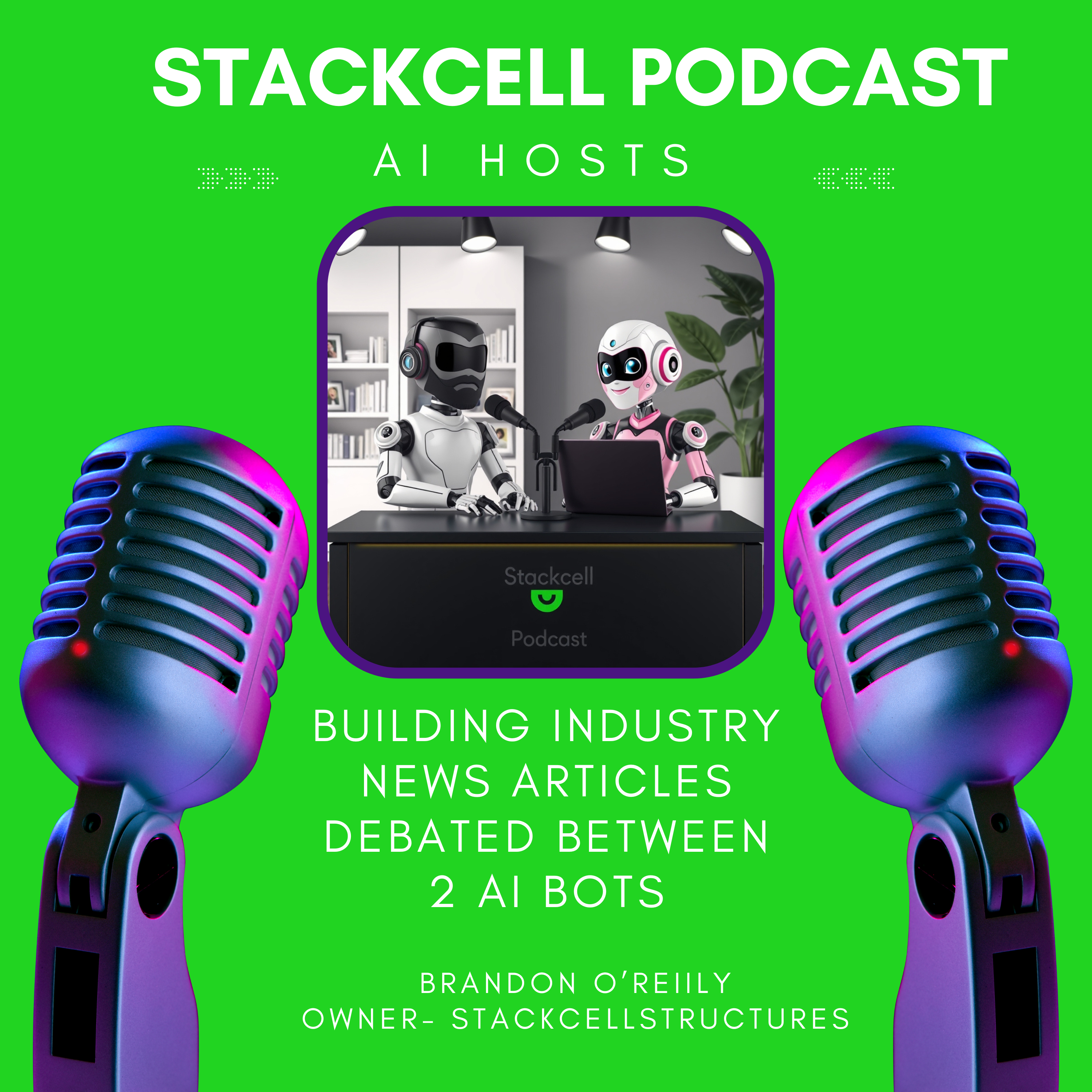
This Podcast series gives a brief introduction into how a new building method in New Zealand using insitu concrete formwork called Stackcell, and a simple software system that automates building 3 to 10 storey apartment buildings in New Zealand and the cost savings achieved in using this method.They also reference and dive deep into building industry articles that pop up with an inciteful debate on the subject matter to create an easy listening experience, rather than reading the article. Lets face it , we are all busy! Listening to articles is much more efficient! Its simple ,its refreshing and the IP is free to any Developer that wishes to use it.
-
7
#7 - Stiffer Buildings Needed
The source discusses a growing global consensus that stiffer, more robust buildings that experience less "drift" or sway during earthquakes perform much better than buildings constructed using traditional methods, particularly in New Zealand. Research conducted using a five-storey prototype in Taiwan demonstrated that components like ceilings, windows, and partition walls sustained less damage in stiffer structures, surprisingly doing much better than previously anticipated. A Canterbury University civil engineering professor suggests that New Zealand should update its building standards to require more robustness, arguing that this change is crucial not just for life safety but also for ensuring buildings, like hospitals, remain functional following a seismic event. This shift in construction philosophy, which has been embraced by countries like Japan and Chile for decades, would only add an estimated 1-2 percent to the total building budget. The text concludes by noting that certain local New Zealand companies like Stackcell Structures are already developing more rigid building systems that minimize inter-storey drift.
-
6
#6 Stackcell Concrete Homes and Cyclones - Debate
The provided sources highlight the significant and increasing threat of severe tropical cyclones in the Pacific region, exemplified by the devastating impact of Cyclone Winston in Fiji in 2016. Traditional timber housing in these areas is highly vulnerable to intense winds, leading to widespread destruction and displacement. The principle of "building back better" is crucial for post-disaster recovery, emphasizing the need for more resilient building structures and improved compliance with building standards. While the current Fijian building code exists, its effectiveness is hindered by limited scope (primarily urban and insured structures), lack of enforcement, and challenges related to cost and technical capacity at the community level. Concrete construction, especially innovative monolithic systems like Stackcell, is presented as a significantly more resilient alternative to traditional timber structures, offering superior protection against high winds, water ingress, fire, and pests. Despite only slightly higher potentially higher costs, a long-term cost-benefit analysis over 100 years demonstrates substantial savings with concrete due to reduced maintenance, repairs, and the elimination of rebuilds after major disasters. Addressing social and economic factors, alongside technical recommendations, is vital for successful implementation of storm-resilient building practices in Fiji and other vulnerable Pacific Island nations.Key Themes and Important Ideas/Facts:1. The Increasing Threat of Severe Cyclones and Housing Vulnerability in Fiji:Severe weather disturbances, particularly tropical cyclones, cause massive destruction globally, including extensive economic losses, injuries, loss of lives, and significant damage to structures, especially houses. This can lead to "massive displacement of people for a single disaster incident".There is an "increasing trend in both frequency and magnitude of destructive tropical cyclones". Studies suggest this is linked to "increasing global surface temperatures due to anthropogenic climate change".Cyclone Winston (2016) was the "most intense cyclone to ever impact the island nation of Fiji on record", reaching Category 5 intensity.The cyclone destroyed or damaged tens of thousands of houses, leaving "approximately 131,000 Fijians, which is about 15% of the country’s population, homeless".A field study in two severely affected villages in Ra province, Fiji, revealed significant damage to traditional and transitional timber housing structures, while concrete structures generally performed better.
-
5
#5 Concrete and Timber C02 comparrison
This document reviews the arguments for and against timber and concrete as sustainable building materials. It considers aspects such as skill requirements for construction, material durability and longevity, CO2 emissions, and potential for CO2 absorption. The sources highlight concerns about the quality of timber construction in some areas and the potential for concrete to offer a more durable, and potentially self-healing, solution. The role of trees in carbon sequestration is acknowledged, while also pointing out that concrete can reabsorb CO2 over its lifespan.
-
4
#4 - Inter-tenancy walls
These documents explore inter-tenancy walls (ITWs) in medium-density housing, with a focus on New Zealand building standards and innovative solutions. They highlight the importance of ITWs for fire resistance and acoustic separation, while noting the Building Code's vagueness on the matter. The texts contrast this with the UK's more comprehensive regulations and discuss various construction methods, including timber and concrete systems. A new concrete ITW system called Stackcell is examined as a cost-effective, high-performance solution. Finally, an acoustic opinion assesses the sound insulation of the Stackcell system, demonstrating its compliance with the New Zealand Building Code's acoustic performance standards.
-
3
# 3 extreme weather and building materials
The first two sources examine the impact of floods and extreme weather events on individuals, communities, and properties. These sources provide guidance on how to mitigate the effects of flooding and increase resilience to future flood events, including detailed instructions for constructing and modifying homes to be more flood-resistant. The third source examines the use of a specific construction system that creates a watertight seal between walls and concrete slabs during the construction of buildings. This system ensures that buildings remain protected from water ingress and maintain their structural integrity over time.
-
2
#2 The benefits of using concrete over Timber!
This podcast examines the benefits of using concrete as a building material for residential and commercial projects in New Zealand. Specifically, they highlight the Stackcell Structures formwork system and K.I.R.S.T.E.N programme, which are designed to automate construction processes, reduce waste, and ensure rapid completion times for apartment and townhouse developments. The podcast further address the importance of disaster resilience in New Zealand, a country vulnerable to earthquakes and other natural disasters, arguing that concrete structures offer superior stability and durability compared to traditional timber or lightweight building materials. Finally, the sources explore global underinsurance, particularly regarding natural disasters and cyber threats, emphasizing the need for improved insurance coverage, especially in emerging economies, to mitigate financial risks and ensure swift recovery from catastrophic events.
-
1
#1 Introduction to Stackcell Structures
The podcast examine the benefits of using concrete as a building material for residential and commercial projects in New Zealand. Specifically, they highlight the Stackcell Structures formwork system and K.I.R.S.T.E.N programme, which are designed to automate construction processes, reduce waste, and ensure rapid completion times for apartment and townhouse developments. The Podcast further address the importance of disaster resilience in New Zealand, a country vulnerable to earthquakes and other natural disasters, arguing that concrete structures offer superior stability and durability compared to traditional timber or lightweight building materials. Finally, the sources explore global underinsurance, particularly regarding natural disasters and cyber threats, emphasising the need for improved insurance coverage, especially in emerging economies, to mitigate financial risks and ensure swift recovery from catastrophic events.
We're indexing this podcast's transcripts for the first time — this can take a minute or two. We'll show results as soon as they're ready.
No matches for "" in this podcast's transcripts.
No topics indexed yet for this podcast.
Loading reviews...
ABOUT THIS SHOW
This Podcast series gives a brief introduction into how a new building method in New Zealand using insitu concrete formwork called Stackcell, and a simple software system that automates building 3 to 10 storey apartment buildings in New Zealand and the cost savings achieved in using this method.They also reference and dive deep into building industry articles that pop up with an inciteful debate on the subject matter to create an easy listening experience, rather than reading the article. Lets face it , we are all busy! Listening to articles is much more efficient! Its simple ,its refreshing and the IP is free to any Developer that wishes to use it.
HOSTED BY
Brandon O'Reilly
CATEGORIES
Loading similar podcasts...
URL copied to clipboard!