
PODCAST · arts
Journey of Alvar Núñez Cabeza de Vaca, The by Alvar Núñez Cabeza de Vaca (c. 1488 - 1558)
by LibriVox
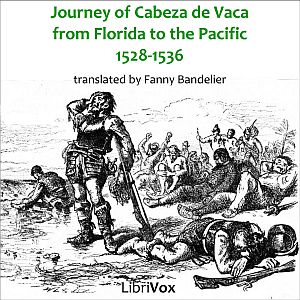
Few stories of shipwreck and survival can equal that of the 16th century Spaniard Alvar Núñez Cabeza de Vaca who, cast ashore near present day (USA) Tampa Bay, Florida, in 1528, survived eight years of hand-to-mouth existence among the Indians of the South and Southwest, and who walked on foot across the plains to the Pacific Coast, arriving in Mexico in 1536. In 1542 he published an account of his adventures, and the present reading is based on Fanny Bandelier’s English translation of that text.Cabeza de Vaca, along with three other survivors, two Spaniards and a North African (Estévanico, a black slave) endured incredible hardships. Cabeza da Vaca was, himself, at first enslaved by the Indians, forced to dig roots with his bare hands for food. However, he soon showed powers of adaptation that allowed him to survive. He became a trader, bartering “seashells and cockles” from the coast for hides, red ochre, flint, and deer hair tassels from the inland tribes. “Trade suited
-
10
-
9
-
8
-
7
-
6
-
5
-
4
-
3
-
2
-
1
No matches for "" in this podcast's transcripts.
No topics indexed yet for this podcast.
Loading reviews...
ABOUT THIS SHOW
Few stories of shipwreck and survival can equal that of the 16th century Spaniard Alvar Núñez Cabeza de Vaca who, cast ashore near present day (USA) Tampa Bay, Florida, in 1528, survived eight years of hand-to-mouth existence among the Indians of the South and Southwest, and who walked on foot across the plains to the Pacific Coast, arriving in Mexico in 1536. In 1542 he published an account of his adventures, and the present reading is based on Fanny Bandelier’s English translation of that text.Cabeza de Vaca, along with three other survivors, two Spaniards and a North African (Estévanico, a black slave) endured incredible hardships. Cabeza da Vaca was, himself, at first enslaved by the Indians, forced to dig roots with his bare hands for food. However, he soon showed powers of adaptation that allowed him to survive. He became a trader, bartering “seashells and cockles” from the coast for hides, red ochre, flint, and deer hair tassels from the inland tribes. “Trade suited
HOSTED BY
LibriVox
CATEGORIES
Loading similar podcasts...
URL copied to clipboard!