
PODCAST · society
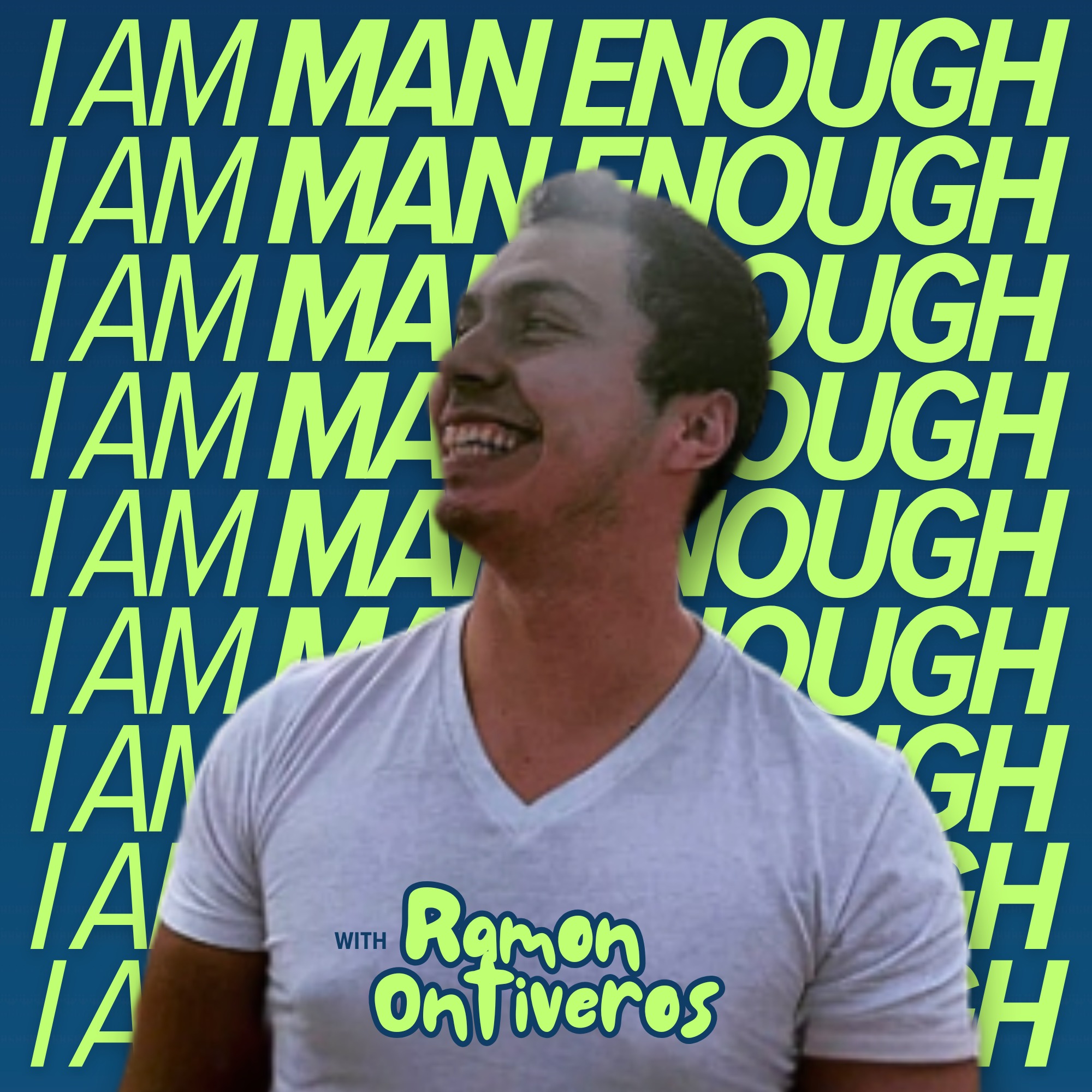
Man Enough
by Ramon Ontiveros
Man Enough sounds like a podcast about growth, strength, and becoming better, but it isn’t. This series is a confession told from the moment harm can no longer be denied. Each episode walks backward through domestic violence, emotional abuse, gaslighting, coercive control, masculinity, sexual repression as a gay man, and fear, tracing how harm formed, hardened, and persisted until it reaches the first day harm became possible. This is not a redemption story, so don't expect to find inspiration, healing arcs, or closure. But if you’re looking for honesty without absolution, start here.
-
21
Intro
Man Enough sounds like a podcast about growth, strength, and becoming better, but it isn’t. This is not a redemption story, so don't expect to find inspiration, healing arcs, or closure. But if you’re looking for honesty without absolution, start here.
-
20
Episode 20: This Is Not the Story You Think It Is
Content warning: domestic violence, emotional abuse, and identity repression.This episode is not a redemption story. It is an opening statement. In This Is Not the Story You Think It Is, I name the harm I caused as a husband without seeking forgiveness or reframing it as growth. I confront how self-awareness can coexist with violence, how masculinity in Mexican culture rewarded control, and how self-rejection as a gay man leaked into abuse.
-
19
Episode 19: Truth Without Closure
Content warning: domestic violence, emotional abuse, and identity repression.This episode challenges the idea that truth automatically brings resolution. Truth Without Closure examines why naming abuse does not restore what was taken, why apology does not guarantee healing, and why accountability is not a transaction that produces forgiveness.
-
18
Episode 18: Accountability Isn’t Growth Content
Content warning: domestic violence, emotional abuse, and identity repression.In a culture that turns harm into “growth,” this episode refuses the redemption arc. In Accountability Isn’t Growth Content, I explain why confession, insight, and good language don’t equal accountability, and why abuse doesn’t become acceptable just because it can be narrated. This isn’t self-help. It’s a record.
-
17
Episode 17: I Was Self-Aware and Still Violent
Content warning: domestic violence, emotional abuse, and identity repression.This episode dismantles the lie that awareness prevents abuse. In I Was Self-Aware and Still Violent, I was self-aware while choosing control—using silence, blame, and distortion in real time. Insight didn’t stop me; it helped me rationalize. Awareness isn’t accountability, and explanation isn’t repair.
-
16
Episode 16: Emotional Abuse Doesn’t Look Like Rage
Content warning: domestic violence, emotional abuse, and identity repression.Emotional abuse doesn’t always announce itself with rage. In Emotional Abuse Doesn’t Look Like Rage, I examine how silence, withdrawal, blame, and intimidation became tools of control, often mistaken for calm or restraint. By confronting how emotional abuse functions quietly and consistently, I challenge the myth that harm requires explosions to be real.
-
15
Episode 15: Coming Out Is Not an Apology
Content warning: domestic violence, emotional abuse, and identity repression.Coming out is often framed as a redemptive moment—but this episode refuses that framing. In Coming Out Is Not an Apology, I examine how accepting my sexuality does not erase past abuse, and why identity clarity must not be mistaken for accountability. Fear explains behavior; it does not absolve it.
-
14
Episode 14: The Moment I Couldn’t Deny It Anymore
Content warning: domestic violence, emotional abuse, and identity repression.Every story of harm has a moment when denial stops working. In The Moment I Couldn’t Deny It Anymore, I trace the quiet collapse of self-justification—the point where patterns replace excuses and damage finally has a name. This episode marks the end of innocence, not the beginning of redemption.
-
13
Episode 13: I Didn’t Hit You, So I Thought I Was Different
Content warning: domestic violence, emotional abuse, and identity repression.In I Didn’t Hit You, So I Thought I Was Different, I examine how comparison became a shield. By measuring myself against more visible forms of violence, I excused control, manipulation, and fear—mistaking the absence of physical harm for moral difference.
-
12
Episode 12: When Fear Learned to Sound Like Authority
Content warning: domestic violence, emotional abuse, and identity repression.In When Fear Learned to Sound Like Authority, I examine how fear disguises itself as leadership. What appeared to be structure, decisiveness, and being “the man of the house” was often panic translated into rules, control, and dominance. Through cultural expectations of Mexican masculinity and personal repression, I show how fear becomes authority, and how authority becomes a tool of abuse.
-
11
Episode 11: Gaslighting as a Daily Practice
Content warning: domestic violence, emotional abuse, and identity repression.Gaslighting is often described as accidental or unconscious. This episode rejects that framing. In Gaslighting as a Daily Practice, I examine gaslighting as a sustained practice used consistently to avoid accountability, maintain control, and destabilize another person’s sense of reality. Not a mistake. Not confusion. A routine.
-
10
Episode 10: I Called It Love
Content warning: domestic violence, emotional abuse, and identity repression.This episode confronts how love was used as a cover for control. In I Called It Love, what felt like care was often possession. What felt like concern was surveillance. By examining attachment, fear, masculinity, and repression, I separate love from domination and name what was never love to begin with.
-
9
Episode 9: Masculinity Was the Mask
Content warning: domestic violence, emotional abuse, and identity repression.In Masculinity Was the Mask, I examine how masculinity became camouflage. Raised within Hispanic/Mexican cultural expectations that rewarded dominance and punished softness, I explore how masculinity functioned less as identity and more as armor used to hide fear, repress queerness, and justify control over another person.
-
8
Episode 8: What I Learned Watching My Father
Content warning: domestic violence, emotional abuse, and identity repression.This episode looks further back, before adulthood, before marriage, at how abuse first appeared as normal. In What I Learned Watching My Father, by observing my father abuse my mother, I trace how control, silence, and fear became familiar long before I recognized them as harm.
-
7
Episode 7: Being Gay Was Never the Problem
Content warning: domestic violence, emotional abuse, and identity repression.This episode confronts a dangerous misconception: that queerness causes harm. In Being Gay Was Never the Problem, by separating sexuality from violence, I explain why repression explains fear—but responsibility still belongs to the choices that followed.
-
6
Episode 6: I Was Afraid of Being Seen
Content warning: domestic violence, emotional abuse, and identity repression.In I Was Afraid of Being Seen, I examine how fear of exposure of being known, questioned, or revealed turned inward anxiety into outward control. Rather than face visibility, I sought safety by controlling someone else. I trace how uncertainty and closeted fear can mutate into dominance, not because they “cause” abuse, but because I used them as excuses to avoid accountability.
-
5
Episode 5: The Lies I Told Myself
Content warning: domestic violence, emotional abuse, and identity repression.This episode traces abuse back to its earliest hiding place: internal dishonesty. In The Lies I Told Myself, before manipulation became relational, it was personal. This is not about deceiving someone else, it’s about the quiet stories I told privately to justify control before it ever appeared outward.
-
4
Episode 4: The Day Silence Became Strategy
Content warning: domestic violence, emotional abuse, and identity repression.In The Day Silence Became Strategy, I mark the moment emotional withdrawal stopped being accidental and became intentional. Silence, often misread as calm or maturity, is examined here as a calculated tool I used to punish, control, and destabilize.
-
3
Episode 3: The First Time I Shifted the Blame
Content warning: domestic violence, emotional abuse, and identity repression.In The First Time I Shifted the Blame, I return to the first deflection, the moment responsibility bent just enough to create an opening. A single shift of blame can seem insignificant, even reasonable, but this episode shows how it functioned as a gateway. Once responsibility was transferred, accountability weakened.
-
2
Episode 2: I Knew What I Was Doing and Kept Doing It
Content warning: domestic violence, emotional abuse, and identity repression.In I Knew What I Was Doing and Kept Doing It, I confront one of the most uncomfortable truths of abuse: awareness does not prevent harm. Knowing better did not stop the behavior, it enabled it. This episode dismantles the myth that ignorance is the primary driver of violence and replaces it with a harder reality. Insight existed alongside harm. Awareness became a tool, not a deterrent.
-
1
Episode 1: Once Upon a Harm
Content warning: domestic violence, emotional abuse, and identity repression.This is where the story truly begins, not with love, not with intention, but with opportunity. In Once Upon a Harm, I expose the first day harm became possible: the moment control felt useful and fear found direction. There is no romance here, no innocence preserved.
We're indexing this podcast's transcripts for the first time — this can take a minute or two. We'll show results as soon as they're ready.
No matches for "" in this podcast's transcripts.
No topics indexed yet for this podcast.
Loading reviews...
ABOUT THIS SHOW
Man Enough sounds like a podcast about growth, strength, and becoming better, but it isn’t. This series is a confession told from the moment harm can no longer be denied. Each episode walks backward through domestic violence, emotional abuse, gaslighting, coercive control, masculinity, sexual repression as a gay man, and fear, tracing how harm formed, hardened, and persisted until it reaches the first day harm became possible. This is not a redemption story, so don't expect to find inspiration, healing arcs, or closure. But if you’re looking for honesty without absolution, start here.
HOSTED BY
Ramon Ontiveros
Loading similar podcasts...
Frequently Asked Questions
How many episodes does Man Enough have?
Man Enough currently has 21 episodes available on PodParley. New episodes are automatically indexed when they're published to the podcast feed.
What is Man Enough about?
Man Enough sounds like a podcast about growth, strength, and becoming better, but it isn’t. This series is a confession told from the moment harm can no longer be denied. Each episode walks backward through domestic violence, emotional abuse, gaslighting, coercive control, masculinity, sexual...
How often does Man Enough release new episodes?
Man Enough has 21 episodes. Check the episode list to see recent publication dates and frequency.
Where can I listen to Man Enough?
You can listen to Man Enough on PodParley by clicking any episode. We provide an embedded audio player for direct listening, and you can also subscribe via your preferred podcast app using the RSS feed.
Who hosts Man Enough?
Man Enough is created and hosted by Ramon Ontiveros.
URL copied to clipboard!