
PODCAST · arts
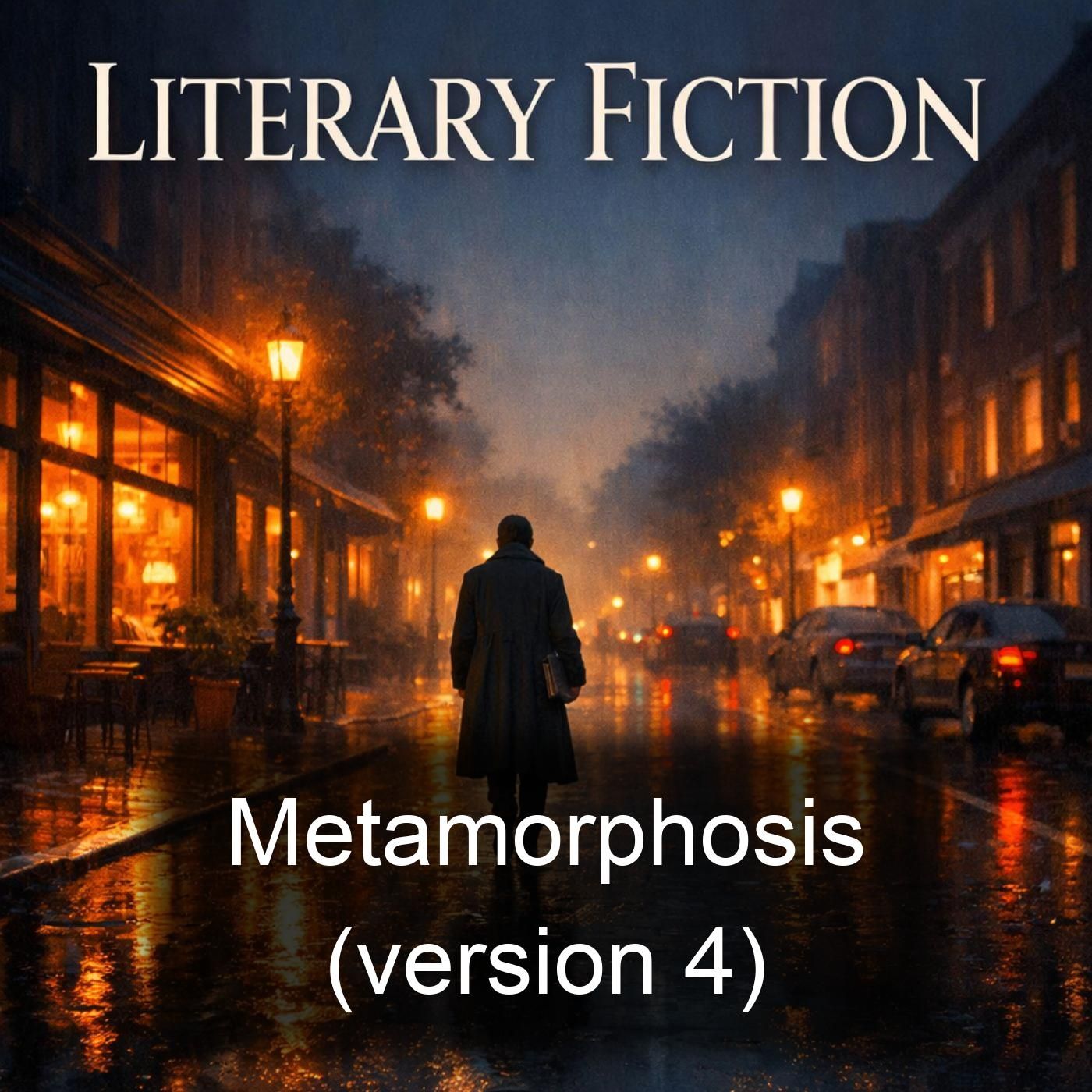
Metamorphosis (version 4)
by Franz Kafka
This captivating tale follows a man who awakens to find himself transformed into a bug, exploring the profound consequences of this change on his life and the lives of those around him. Ive been drawn to this story for many years, particularly Ian Johnstons translation, which resonates with me far more than the version available on Gutenberg. But what does it all mean? [Spoiler Alert] To me, the narrative isnt overly complex; it mirrors Kafkas own life experiences, particularly his fraught relationship with his parents. Kafka artfully depicts the financial and emotional exploitation he faced, leading to a poignant detachment from his family—his own true metamorphosis. Gregor’s transformation represents Kafkas shift from being a dutiful son, sacrificing himself for his parents narcissistic needs, to asserting his independence, albeit in a grotesque form as vermin. Despite their wealth, Gregor’s parents exploited him, revealing their conditional love tied to his ability to provide for th
-
3
003 - Part III
This captivating tale follows a man who awakens to find himself transformed into a bug, exploring the profound consequences of this change on his life and the lives of those around him. Ive been drawn to this story for many years, particularly Ian Johnstons translation, which resonates with me far more than the version available on Gutenberg. But what does it all mean? [Spoiler Alert] To me, the narrative isnt overly complex; it mirrors Kafkas own life experiences, particularly his fraught relationship with his parents. Kafka artfully depicts the financial and emotional exploitation he faced, leading to a poignant detachment from his family—his own true metamorphosis. Gregor’s transformation represents Kafkas shift from being a dutiful son, sacrificing himself for his parents narcissistic needs, to asserting his independence, albeit in a grotesque form as vermin. Despite their wealth, Gregor’s parents exploited him, revealing their conditional love tied to his ability to provide for them. Once reduced to a creature unable to support them, Gregors metamorphosis becomes a powerful critique of familial obligation. His sister Gretes initial loyalty to him quickly fades as she seizes the opportunity to elevate her status within the family, reflecting Kafkas turbulent sibling dynamics. The enduring appeal of this story lies in its relatability; countless readers see themselves in Gregor Samsa, which makes it all the more astounding how often expert interpretations stray from this fundamental truth. Although many talented LibriVox readers have brought this masterpiece to life, Ive long desired to record it myself, driven by personal passion before time slips away or disaster strikes again.
-
2
002 - Part II
This captivating tale follows a man who awakens to find himself transformed into a bug, exploring the profound consequences of this change on his life and the lives of those around him. Ive been drawn to this story for many years, particularly Ian Johnstons translation, which resonates with me far more than the version available on Gutenberg. But what does it all mean? [Spoiler Alert] To me, the narrative isnt overly complex; it mirrors Kafkas own life experiences, particularly his fraught relationship with his parents. Kafka artfully depicts the financial and emotional exploitation he faced, leading to a poignant detachment from his family—his own true metamorphosis. Gregor’s transformation represents Kafkas shift from being a dutiful son, sacrificing himself for his parents narcissistic needs, to asserting his independence, albeit in a grotesque form as vermin. Despite their wealth, Gregor’s parents exploited him, revealing their conditional love tied to his ability to provide for them. Once reduced to a creature unable to support them, Gregors metamorphosis becomes a powerful critique of familial obligation. His sister Gretes initial loyalty to him quickly fades as she seizes the opportunity to elevate her status within the family, reflecting Kafkas turbulent sibling dynamics. The enduring appeal of this story lies in its relatability; countless readers see themselves in Gregor Samsa, which makes it all the more astounding how often expert interpretations stray from this fundamental truth. Although many talented LibriVox readers have brought this masterpiece to life, Ive long desired to record it myself, driven by personal passion before time slips away or disaster strikes again.
-
1
001 - Part I
This captivating tale follows a man who awakens to find himself transformed into a bug, exploring the profound consequences of this change on his life and the lives of those around him. Ive been drawn to this story for many years, particularly Ian Johnstons translation, which resonates with me far more than the version available on Gutenberg. But what does it all mean? [Spoiler Alert] To me, the narrative isnt overly complex; it mirrors Kafkas own life experiences, particularly his fraught relationship with his parents. Kafka artfully depicts the financial and emotional exploitation he faced, leading to a poignant detachment from his family—his own true metamorphosis. Gregor’s transformation represents Kafkas shift from being a dutiful son, sacrificing himself for his parents narcissistic needs, to asserting his independence, albeit in a grotesque form as vermin. Despite their wealth, Gregor’s parents exploited him, revealing their conditional love tied to his ability to provide for them. Once reduced to a creature unable to support them, Gregors metamorphosis becomes a powerful critique of familial obligation. His sister Gretes initial loyalty to him quickly fades as she seizes the opportunity to elevate her status within the family, reflecting Kafkas turbulent sibling dynamics. The enduring appeal of this story lies in its relatability; countless readers see themselves in Gregor Samsa, which makes it all the more astounding how often expert interpretations stray from this fundamental truth. Although many talented LibriVox readers have brought this masterpiece to life, Ive long desired to record it myself, driven by personal passion before time slips away or disaster strikes again.
We're indexing this podcast's transcripts for the first time — this can take a minute or two. We'll show results as soon as they're ready.
No matches for "" in this podcast's transcripts.
No topics indexed yet for this podcast.
Loading reviews...
ABOUT THIS SHOW
This captivating tale follows a man who awakens to find himself transformed into a bug, exploring the profound consequences of this change on his life and the lives of those around him. Ive been drawn to this story for many years, particularly Ian Johnstons translation, which resonates with me far more than the version available on Gutenberg. But what does it all mean? [Spoiler Alert] To me, the narrative isnt overly complex; it mirrors Kafkas own life experiences, particularly his fraught relationship with his parents. Kafka artfully depicts the financial and emotional exploitation he faced, leading to a poignant detachment from his family—his own true metamorphosis. Gregor’s transformation represents Kafkas shift from being a dutiful son, sacrificing himself for his parents narcissistic needs, to asserting his independence, albeit in a grotesque form as vermin. Despite their wealth, Gregor’s parents exploited him, revealing their conditional love tied to his ability to provide for th
HOSTED BY
Franz Kafka
Loading similar podcasts...
URL copied to clipboard!