
PODCAST · arts
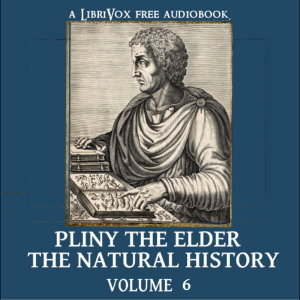
Natural History Volume 6, The by Pliny the Elder (23 - 79)
by LibriVox
Naturalis Historia (Latin for "Natural History") is an encyclopedia published circa AD 77-79 by Pliny the Elder. It is one of the largest single works to have survived from the Roman empire to the modern day and purports to cover the entire field of ancient knowledge, based on the best authorities available to Pliny. The work became a model for all later encyclopedias in terms of the breadth of subject matter examined, the need to reference original authors, and a comprehensive index list of the contents. The scheme of his great work is vast and comprehensive, being nothing short of an encyclopedia of learning and of art so far as they are connected with nature or draw their materials from nature. The work divides neatly into the organic world of plants and animals, and the realm of inorganic matter, although there are frequent digressions in each section. He is especially interested in not just describing the occurrence of plants, animals and insects, but also their exploitation (or a
-
21
-
20
-
19
-
18
-
17
-
16
-
15
-
14
-
13
-
12
-
11
-
10
-
9
-
8
-
7
-
6
-
5
-
4
-
3
-
2
-
1
We're indexing this podcast's transcripts for the first time — this can take a minute or two. We'll show results as soon as they're ready.
No matches for "" in this podcast's transcripts.
No topics indexed yet for this podcast.
Loading reviews...
ABOUT THIS SHOW
Naturalis Historia (Latin for "Natural History") is an encyclopedia published circa AD 77-79 by Pliny the Elder. It is one of the largest single works to have survived from the Roman empire to the modern day and purports to cover the entire field of ancient knowledge, based on the best authorities available to Pliny. The work became a model for all later encyclopedias in terms of the breadth of subject matter examined, the need to reference original authors, and a comprehensive index list of the contents. The scheme of his great work is vast and comprehensive, being nothing short of an encyclopedia of learning and of art so far as they are connected with nature or draw their materials from nature. The work divides neatly into the organic world of plants and animals, and the realm of inorganic matter, although there are frequent digressions in each section. He is especially interested in not just describing the occurrence of plants, animals and insects, but also their exploitation (or a
HOSTED BY
LibriVox
CATEGORIES
Loading similar podcasts...
URL copied to clipboard!