
PODCAST · business
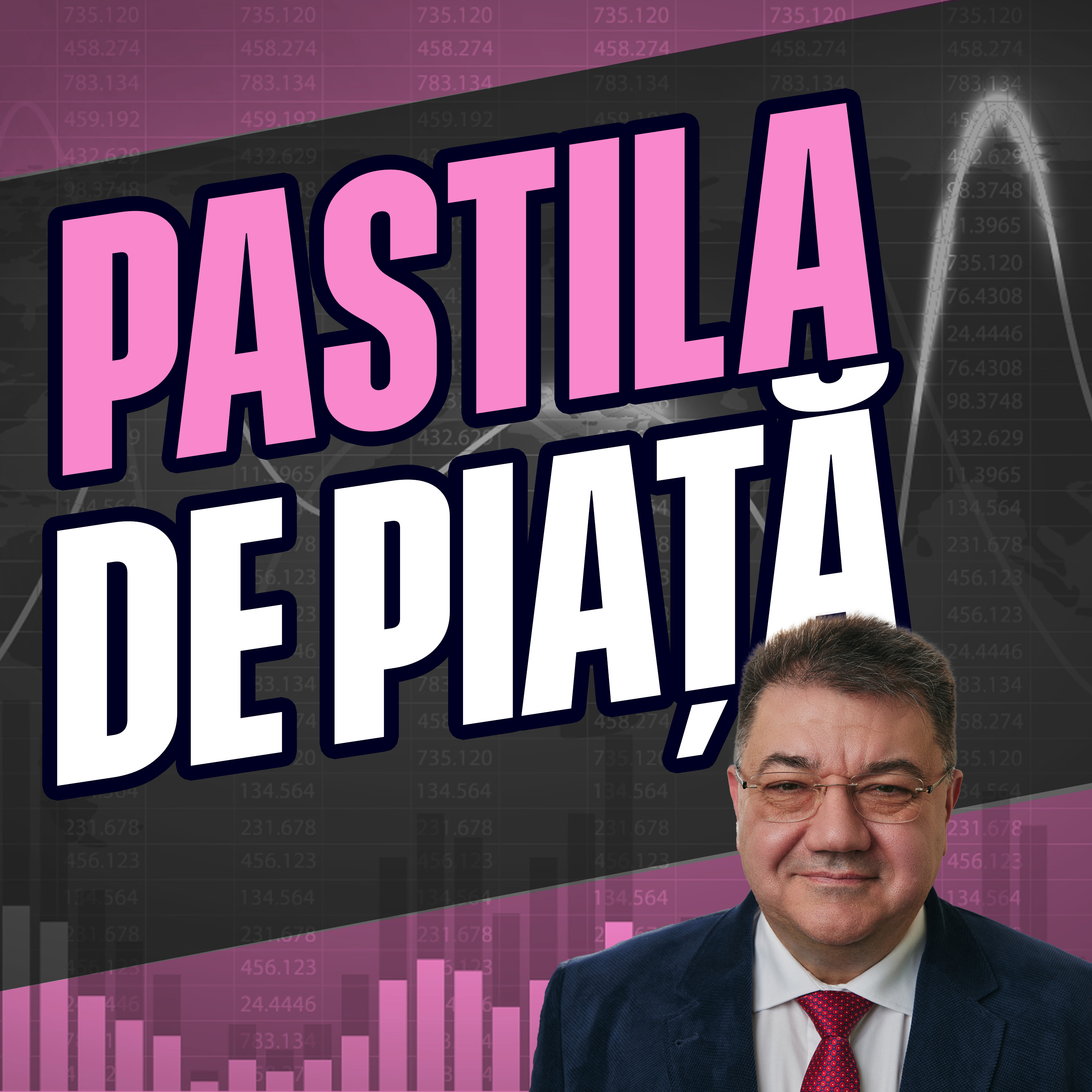
Pastila de piață
by eToro
Ascultați cele mai recente știri financiare într-un format distractiv și ușor de înțeles. Un podcast de neratat pentru oricine este interesat de tranzacționare, investiții, piețe, crypto și finanțe. Relatat de analistul de piețe financiare Bogdan Maioreanu și oferit de platforma globală de investiții multi-active eToro.
-
53
One Disney, multe profituri - noua direcție a companiei
Magia plutește din nou în aer la Disney, ”Casa lui Mickey Mouse”, după o schimbare de management, noul CEO Josh D'Amaro începe să pună compania pe un nou făgaș, iar investitorii par să aprecieze direcția. Toate detaliile în podcast!
-
52
Revoluția Tesla - de la schițe la producție industrială
Rezultatele financiare din primul trimestru arată că Tesla nu s-a limitat la a depăși așteptările. Ci au marcat și momentul în care tranziția promisă de mult timp — de la producător auto la companie de inteligență artificială și robotică — începe să se concretizeze în producție reală. Tesla este o companie în plină tranziție. Dar oare reușeste să se reinventeze? Toate detaliile în podcast!
-
51
Allbirds și Netflix, entuziasm contra flux de numerar
Allbirds și Netflix două companii complet diferite. Pe una investitorii o tratează cu entuziasm, pe alta o penalizează. Despre AI și despre cum Netflix intră pe teritoriul YouTube. Toate detaliile în podcast!
-
50
Creșterea bruscă a prețurilor petrolului ne-ar putea scumpi vacanțele
Situația din Orientul Mijlociu are capacitatea de a influența piețele financiare și până la urmă pe noi toți. Prețurile petrolului afectează călătoriile cu avionul și acestea e posibil să fie mai scumpe în vara acestui an. Cum influențează conflictul liniile aeriene dincolo de disrupția anumitor destinații? Ce evenimente importante din zilele următoare pot escalada sau rezolva conflictul din zona Golfului? Toate detaliile în podcast!
-
49
Petrolul, aurul și apărarea
A trecut o luna de la începerea conflictului din Orientul Mijlociu, perspectivele de terminare rapidă s-au diminuat, lumea se îndreaptă cu pași mari către o criza globală. În acest context, dinamica dintre petrol, aur și argint a devenit paradoxală, inflația jucând un rol crucial. Iar companiile din apărare încep să iasă din vizorul investitorilor pe măsură ce conflictul se adâncește. Cum se întâmplă toate aceste fenomene și mai ales de ce se întâmplă? Toate detaliile în podcast!
-
48
De ce cresc prețurile la combustibili în toata lumea?
Am avut o saptamana dificila, prețurile la combustibil au continuat să urce la niveluri greu de imaginat cu doar o luna în urma. Criza energetică a revenit în prim-planul scenei globale. Dar de ce urca prețurile la pompă în mai toate țările? Care pot fi efectele? Ce fac dobânzile? Și cum reacționează băncile centrale? Răspunsul la toate aceste întrebări în podcast!
-
47
Conflictul din Iran pune umărul la creșterea inflației globale
Conflictul din Iran influențează direct prețurile petrolului și cele ale gazelor naturale. Dar are potențialul de a declanșa și un puseu inflaționist global și de a influența negativ piețele financiare. Este o situație complicată, în evoluție și care neliniștește populația și investitorii. Piețele de mărfuri dar și cele financiare vor rămâne volatile și reactive la fiecare evoluție din Orientul Mijlociu, în zilele și săptămânile următoare. Ce anume mișcă piețele acum, dincolo de petrol? Răspunsul în podcast!
-
46
NVIDIA continuă să alimenteze boom-ul AI într-o piață rece
NVIDIA a raportat cifre excelente și pentru puțin timp a stârnit entuziasmul investitorilor. Apoi s-a corectat. De ce această mișcare și ce anume mișcă piața de tehnologie? Toate răspunsurile în podcast!
-
45
România între recesiune tehnică, inflație și speranțe de redresare
Știrea că România a intrat în recesiune tehnică a stârnit neliniște în societatea românească. Dar ce înseamnă de fapt această recesiune tehnică dincolo de definiția seacă? Mai sunt și alte țări în această situație? E posibil ca aceasta să creeze o oportunitate pe termen lung? Toate răspunsurile în podcast!.
-
44
AI-ul te urcă, AI-ul te coboară
Entuziasmul legat de inteligența artificială și investițiile în aceasta a crescut piețele financiare, iar acum incertitudinea legată de schimbările pe care le poate produce aceasta în societate, în companii, dar și dimensiunea cheltuielilor de capital, produc panică. În ultimele zile, companii minuscule, cu un singur anunț legat de agenți AI, prăbușesc sectoare industriale mamut. De ce? Toate detaliile în podcast.
-
43
Petrolul, aurul, argintul și inteligența artificială – o poveste despre geopolitică și volatilitate
Am avut o săptămână cu multe mișcări în piețele financiare, multă volatilitate. Geopolitica, declarațiile lui Trump, tarifele vamale, știrile despre schimbarea conducerii Rezervei Federale a SUA și oportunitățile dar și îngrijorările legate de inteligența artificială influențează în prezent piețele globale. Ce au făcut petrolul, aurul, argintul, cum au raportat Google și Amazon dar și de ce inteligența artificială a mișcat prețurile pe burse, toate detaliile în podcast!
-
42
Tesla, între viziune și realitate
Tesla se găsește în acest moment undeva între viziune și realitate. Iar reacția investitorilor are mai puțin de-a face cu mașinile și mai mult cu viitorul, cu robotul Optimus, robotaxi și conducerea autonomă. Cum se schimbă Tesla? Care este viitorul robotului Optimus? Despre toate acestea dar și alte date legate de planurile lui Musk, totul în podcast!
-
41
Creșterea prețului aurului și argintului nu vine doar din teamă
Instabilitatea geopolitică, Groenlanda, tarifele vamale, efectul Trump, incertitudinile legate de datoriile SUA, Europei și Japoniei, precum și perspectivele AI, au pus piețele într-o stare de nervozitate extremă și au determinat creșterea prețului aurului și argintului la noi maxime istorice. Dar mai sunt și alte elemente, unele structurale. Care sunt acestea și ce urmează, totul in podcast!
-
40
2026 – un an al incertitudinii
Piețele financiare intră în 2026 cu un ton constructiv și cu noi maxime istorice în SUA, dar și pe unele piețe europene, inclusiv România. Cu toate acestea, incertitudinea pe care administrația Trump continuă să o aducă în piețe va modela anul acesta. Care sunt perspectivele piețelor financiare globale în continuare? Toate detaliile în podcast!
-
39
2025 – un an al incertitudinii, aurului și inteligenței artificiale
Anul 2025 va rămâne în istorie nu doar pentru reintoarcerea lui Donald Trump la Casa Albă, ci și pentru revenirea incertitudinii și volatilității pe piețe, un an în care vechile corelații s-au rupt, iar problema „deficitului” a ajuns în titlurile din presă. Cum au reacționat piețele financiare în 2025? Toate detaliile în ultimul podcast din 2025! Sărbători fericite și un 2026 cu mult verde în portofolii!
-
38
Formula 1, cu mai multe mașini hibride în 2026
Campionatul de Formula 1 din 2025 s-a încheiat duminică și cu el se încheie o eră. Reglementările tehnice radicale pentru 2026 reprezintă mult mai mult decât o evoluție sportivă: reprezintă o schimbare către un sistem de propulsie hibrid echilibrat, care reflectă o transformare fundamentală ce se desfășoară și pe piețele auto globale. Toate detaliile în podcast!
-
37
Ciocolata rămâne scumpă, în ciuda scăderii prețurilor la cacao
Anul acesta, Moș Nicolae și Moș Crăciun vor plăti mai mult pentru vă pune ciocolată în ghete sau sub brad. Deși prețurile la cacao pe bursele mondiale au scăzut dramatic în 2025, după mai mulți ani de scumpiri record, consumatorii români încă nu au simțit o ameliorare semnificativă a prețurilor ciocolatei de pe rafturile magazinelor. Toate amănuntele în podcast!
-
36
Vine iarna… cripto?
Mișcarea de pe bitcoin și din piața cripto a fost probabil cea care a ținut capul de afiș al săptămânii. Bitcoin a luat o pauză reală, piețele s-au corectat, iar discuția se mută de la cât mai crește la cât mai poate să scadă. Dar care sunt elementele acestei corecții, cum e legată de piețele financiare globale și dobanzile Fed? Răspunsurile la aceste întrebări și multe altele, în podcast!
-
35
Despre piețele financiare, inteligență artificială și investiții cu Ștefan Uleia
Cum navighezi pe piețele financiare într-o perioadă de incertitudine? Cum diferențiezi corecțiile tehnice de schimbările reale de ciclu economic? Ce rol va juca AI-ul în productivitate și în evaluările piețelor? Despre strategie, riscuri și tendințele macroeconomice am discutat săptămâna aceasta cu Ștefan Uleia, investitor popular pe platforma eToro. Ștefan are peste 8 ani de experiență în piața de capital, iar din 2024 este Popular Investor (PI) pe eToro. Astăzi este cel mai copiat PI din România, cu peste 1500 de copieri active. Răspunsurile la toate acestea, în podcast! 🎧
-
34
Promisiunile de un trilion de dolari ale lui Musk
Elon Musk a primit pachetul sau de compensare în valoare de 1 trilion de dolari de la Tesla. Dar, ce a promis Musk că va face ca să primească acești bani și ce înseamnă asta pentru investitori? Toate detaliile în podcast!
-
33
Giganții din tehnologie toarnă bani în dezvoltarea inteligenței artificiale
Cursa globală pentru supremația în AI se intensifică, iar fluxul de investiții în centrele de date, cipurile și infrastructura care stau la baza sistemelor de inteligență artificială pare să fie mai puternic ca niciodată. Amazon, Meta, Microsoft și Alphabet investesc miliarde în această tehnologie pentru a-și menține avantajul competitiv. În timp ce investitorii sperau anul trecut la o temperare a cheltuielilor, acum este clar că acestea continuă să crească. De ce întâmplă toate acestea și care sunt temele de investiții pe termen lung preferate de investitori? Răspunsul în podcast!
-
32
Elon Musk, roboți și metale prețioase
Tesla a înregistrat livrări și venituri record în ultimul trimestru, dar nu și-a atins țintele de profit pe fondul marjelor în scădere. Dar Elon Musk a vorbit de roboți, conducere autonomă și Robotaxi și despre Tesla ca fiind o companie aflată într-un punct de inflexiune. Dar cum va evolua de aici și ce planuri are Musk pentru viitor? Aurul și argintul strălucesc puternic dar oare la ce ar trebui să fie atenți investitorii? Toate detaliile în podcast!
-
31
AI-ul se dezvoltă, creează un întreg ecosistem și poate o ”bulă”
În urma unei serii de știri pozitive privind investițiile masive în inteligența artificială era aproape inevitabil ca ASML, compania olandeză care furnizează echipamente pentru fabricarea cipurilor de siliciu, să înregistreze o creștere mai rapidă a numărului de comenzi decât se aștepta. Raportul său financiar este începutul pentru raportările din sectorul tehnologic, piața așteptând să vadă cum au evoluat giganții din acest domeniu, în ultimul trimestru. Dar dezvoltarea AI care crează un întreg ecosistem nu este pozitivă pentru toată lumea, existand în prezent peste 60 de process în instanță doar în Statele Unite și altele în Europa și China care vor duce probabil, în final, la reglementări în domeniu. Despre toate acestea dar și despre ”bula AI” în podcast!
-
30
Puterea ciclului târziu
Bine ați venit la perspectivele investiționale pentru trimestrul al patrulea 2025, ale eToro. Am analizat trimestrul anterior și am încercat să creionăm o viziune pentru ultima parte a anului. Poate continua creșterea? Care sunt riscurile? Ce sectoare ar putea surprinde investitorii? 👀 Toate detaliile în podcast! 🔹 2025 până acum 🔹 Factorii cheie pentru restul anului 🔹 Ce gândesc investitorii de retail 🔹 Perspectivele noastre privind piețele globale 🔹 Despre companiile având capitalizare mică și ascensiunea lor 🔹 Perspectivele generale ale criptoactivelor 🔹 Perspectivele noastre de investiții pentru sfârșitul anului 2025
-
29
”Porumbeii” Fed nu și-au luat zborul
Prima reducere de dobândă a Fed din ultimele 12 luni a venit, dar fără tonul conciliant, atât de dorit de investitori. Mediul macroeconomic american este unul foarte atipic în acest moment. Iar după patru ani, acțiunile având capitalizare mică ajung la noi maxime istorice. De ce nu și-au luat zborul ”porumbeii” și ce e posibil să atragă atenția investitorilor? Totul în podcast!
-
28
Investitorii individuali români preocupați de inflație
Inflația revine ca principala preocupare a investitorilor individuali români, în condițiile în care aceasta crește galopant. Investitorii români sunt și cel mai mare grup din afara SUA, care are încredere în potențialul pe termen lung al pieței americane. La nivel global, interesul investitorilor individuali în acțiunile din grupul celor "7 Magnifici" înregistrează o scădere. De ce? Va rămâne dolarul american moneda de rezervă globală? Răspunsuri și explicații despre aceste rezultate din sondajul eToro Retail Investor Beat, în podcast!
-
27
Despre educație financiară, independență și investiții cu Eduard Wichner
Cum să începi să investești? Ce ar trebui să rezolvi înainte de a face asta? Care sunt lecțiile pe care le poți învăța din istoria economiei mondiale? Cum evoluează AI-ul? Despre începuturi, educație financiară și strategii în investiții am discutat săptămâna aceasta cu Eduard Wichner, investitor popular pe platforma de tranzacționare și investiții eToro. Eduard este inginer cu aproape 10 ani de experiență ca și investitor, atât pe piața locală, cât și pe cele internaționale. Răspunsurile la întrebările de mai sus, dar și multe altele, în podcast! 🎧
-
26
Nvidia raportează bine dar scade la bursă
O săptămână marcată de efectele discursului lui Jerome Powell de la Jackson Hole care a dat speranțe pieței că Fed-ul american va scădea dobânda de referință și de Nvidia care și-a anunțat rezultatele financiare și a vorbit mult despre China. Când e posibil să scadă Fed-ul dobânda și de ce, ce probleme are Nvidia și cum China a devenit cel mai mare exportator mondial de autoturisme? Totul în podcast!
-
25
Labubu o detronează pe Barbie
Labubu o detronează pe Barbie! Pop Mart, compania chineză care produce păpușile Labubu, a depășit Mattel și iconica sa păpușă Barbie, atât în ceea ce privește valoarea de piață, cât și ritmul de creștere. Este evoluția fulminantă a Labubu doar un trend de moment sau semnul unei schimbări profunde indusă de rețele sociale și celebrități? Toate detaliile în podcast!
-
24
Mari companii farmaceutice, mari probleme la orizont
Amenințarea tarifelor vamale crescute, ale administrației americane, a trimis un fior pe șira spinării directorilor de companii din industria chipurilor de siliciu dar și din cea a produselor farmaceutice. Iar lupta împotriva obezității a devenit un adevărat război comercial. Cine pierde și cine câștigă? Răspunsul în podcast!
-
23
Patru ”Magnifici” la raport
Săptămâna aceasta este despre raportările Meta, Microsoft, Amazon și Apple, dar și despre Fed și șansele ca acesta să reducă dobânzile.
-
22
Tesla începe să vândă burgeri iar Google pune search-ul pe steroizii AI-ului
Cum au raportat Tesla și Alphabet, de ce vinde Tesla burgeri, ce provocări are de rezolvat Elon Musk, cum evoluează motorul de căutare Google, dar și care sunt perspectivele viitoare ale piețelor de acțiuni din SUA? Răspunsul la aceste întrebări îl găsiți în podcast!
-
21
Despre matematică, investiții și economie cu Marius Bradu
Cum să folosești matematica în investiții? Care sunt indicatorii macroeconomici care fac diferența între corecție și schimbare de ciclu? Cum evoluează AI-ul? Despre economia locala, cea globală și strategii în investiții am discutat săptămâna aceasta cu Marius Bradu, investitor popular pe platforma de tranzacționare și investiții eToro. Marius este economist cu 15 ani de experiență ca și antreprenor. Este investitor, atât pe piața locală, cât și pe cele internaționale. Răspunsurile la întrebările de mai sus, dar și multe altele, în podcast! 🎧
-
20
Încredere și prudență
Care sunt perspectivele investiționale pentru trimestrul al treilea al lui 2025? Ce se întâmplă cu tarifele vamale ale lui Donald Trump? Ce va face Fed-ul? Cum va evolua Europa? Dar România? Care sunt factorii care vor influența piețele financiare? Despre toate acestea și multe altele, aflați toate detaliile din podcast!
-
19
Despre petrol și încrederea investitorilor individuali în economia românească
Care sunt perspectivele prețului global al petrolului în a doua jumătate a acestui an? Câtă încredere au investitorii individuali în economia românească? Toate răspunsurile în podcast!
-
18
Environment Variables Year Three Roundup
It’s been three years of Environment Variables! What a landmark year for the Green Software Foundation. From launching behind-the-scenes Backstage episodes, to covering the explosive impact of AI on software emissions, to broadening our audience through beginner-friendly conversations; this retrospective showcases our mission to create a trusted ecosystem for sustainable software. Here’s to many more years of EV!Learn more about our people:Chris Adams: LinkedIn | GitHub | WebsiteAnne Currie: LinkedInChris Skipper: LinkedInPindy Bhullar: LinkedInLiya Mathew: LinkedInAsim Hussain: LinkedInHolly Cummins: LinkedInCharles Tripp: LinkedInDawn Nafus: LinkedInMax Schulze: LinkedInKillian Daly: LinkedInJames Martin: LinkedInFind out more about the GSF:The Green Software Foundation Website Sign up to the Green Software Foundation NewsletterResources:Backstage: TOSS Project (02:26)Backstage: Green Software Patterns (04:51)The Week in Green Software: Obscuring AI’s Real Carbon Output (07:41)The Week in Green Software: Sustainable AI Progress (09:51)AI Energy Measurement for Beginners (12:57)The Economics of AI (15:22)How to Tell When Energy Is Green with Killian Daly (17:47)How to Explain Software to Normal People with James Martin (20:29)If you enjoyed this episode then please either:Follow, rate, and review on Apple PodcastsFollow and rate on SpotifyWatch our videos on The Green Software Foundation YouTube Channel!Connect with us on Twitter, Github and LinkedIn!TRANSCRIPT BELOW:Chris Skipper: Welcome to Environment Variables from the Green Software Foundation. The podcast that brings you the latest in sustainable software development has now been running for three years.So that's three years of the latest news in green software, talking about everything from AI energy through to the cloud, and its effect on our environment and how we as a software community can make things better for everybody else.This past year Environment Variables has truly embodied the mission of the Green Software Foundation, and that's to create a trusted ecosystem of people, standards, tools, and best practices for creating and building green software. Now this episode's gonna feature some of the more key episodes that we did over the last year.We're gonna be looking at a wide variety of topics and it's going to be hopefully a nice journey back through both the timeline of the podcast, but also the landscape of green software over the last year and how it has dramatically changed, not only due to the dramatic rise in use of AI amongst other things, but also just to the fantastic ideas that people have brought to the table in order to try and solve the problem of trying to decarbonize software. So without further ado, let's dive in to the first topic.Chris Skipper: First, we brought about a new change in the way the podcast was structured. A new type of episode called Backstage.Backstage is basically a behind the scenes look at the Green Software Foundation, internal projects and working groups. It's a space for our community to hear directly from project leaders to share the wins and their lessons learned and reinforce trust and transparency, which is one of the core tenets of the Green Software Foundation Manifesto.Now, there were a bunch of great projects that were featured over the last year. We're gonna look at two specifically.In our first backstage episode, we introduced the TOSS project. TOSS stands for Transforming Organizations for Sustainable Software, and it's led by the fantastic Pindy Bhullar. This project aims to embed sustainability into business strategy and operations through a four pillar framework.. It's a perfect example of how the foundation operationalizes its mission to minimize emissions by supporting organizations on their sustainability journey.Let's hear the snippet from Pendi explaining these four pillars.Pindy Bhullar: Transforming organizations for sustainable software is the acronym for toss. Businesses will be able to utilize the toss framework as a guide to lay the groundwork for managing change and also improving software operations in the future, software practices within organizations can be integrated with sustainability in a cohesive and agile manner, rather than addressing green software practices in an isolated approach.For a company to fully benefit from sustainable transformation of their software development processes, we need to review all aspects of technology. The Toss framework is designed to be embedded across multiple aspects of its business operations. Dividing the task framework along four pillars has allowed for simultaneous, top down and bottom up reinforcement of sustainable practices, as well as the integration of new tools, processes, and regulations that I merge over time.The four pillars aim to foster a dynamic foundation for companies to understand where to act now, to adjust later and expand within organizational's sustainable software transformation. The four pillars are strategy, implementation. Operational compliance and regulations and within each of the pillars, we have designed a decision tree that will be constructed to guide organizations in transforming their software journey.Chris Skipper: Some fantastic insights from pindi there, and I'm sure you can agree. The Toss project has an applicability outside of just software development. It's one of those projects that's really gonna grow exponentially in the next few years. Next up, we have green software patterns. Green software Patterns Project is an open source initiative designed to help software practitioners reduce emissions by applying vendor neutral best practices. Guests, Franziska Warncke and Liya Mathew; project leads for the initiative discussed how organizations like Aviva and MasterCard have successfully integrated these patterns to enhance software sustainability. They also explored the rigorous review process for new patterns, upcoming advancements, such as persona based approaches and how developers and researchers can contribute to the project.That's one thing to remember about Backstage is actually highlights that there are so many projects going on at the GSF. We actually need more people to get involved. So if you are interested in getting involved, please Visit greensoftware.foundation to find out more. Let's hear now from Liya Mathew about the Green Software Patterns Project.Liya Mathew: One of the core and most useful features of patterns is the ability to correlate the software carbon intensity specification. Think of it as a bridge that connects learning and measurement. When we look through existing catalog of patterns, one essential thing that stands out is their adaptability.Many of these patterns not only aligned with sustainability, but also coincide with security and reliability best practices. The beauty of this approach is that we don't need to completely rewrite a software architecture. To make it more sustainable. Small actions like catching static data or providing a dark mode can make significant difference.These are simple, yet effective steps that can lead us a long way towards sustainability. Also, we are nearing the graduation of patterns V one. This milestone marks a significant achievement and we are already looking ahead to the next exciting phase. Patterns we two. In patterns we two, we are focusing on persona based and behavioral patterns, which will bring even more tailored and impactful solutions to our community.These new patterns will help address specific needs and behaviors, making our tools even more adaptable and effective.Chris Skipper: Moving on. We also kept our regular episode format The Week in Green Software, also known affectionately as Twigs. So Twigs was originally hosted by Chris Adams and is now occasionally hosted by the Fabulous and Currie as well.It offers quick actionable updates in the green software space with a rising sustainability news. With a rising tide of sustainability and AI developments, this format helps listeners stay current. I can tell you now that in the last year, the number of news topics has just exploded when it comes to anything to do with AI and the impact it's having on the environment.And I think part of that is due to the work of the GSF and its community members. We used to have to really struggle to find news topics when this podcast first started back in 2022. But now in 2025, every week, I would say nearly every hour, there's a new topic coming out about how software is affecting the environment.I. So The Week in Green Software is your one stop place for finding all that information dialed down into one place. And also you can sign up to the GSF newsletter as well via the link below, which will give you a rundown of all the week's latest new topics as well. So let's look at a couple episodes of twigs from the previous year.The first one is an episode with the executive director of the GSF Asim Hussain. Asim really embodies the mission of the GSF in so many ways and is always passionate about the effect that software is having on the environment. In this episode, which was subtitled, Obscuring AI's Real Carbon Output , Asim joined Chris to unpack the complexities of AI's, carbon emissions, renewable energy credits, and regulatory developments.This episode emphasized the need for better carbon accounting practices; work the foundation is helping to advance. Let's hear this little snippet from Asim now.Asim Hussain: You can plant a tree, right? And then you planted the tree. That tree will grow and there's issue there. This drought tree will grow and it'll suck carbon from the atmosphere. And you can say that's a carbon credit at planting a tree. Or there's carbon avoidance offsets and there's many variant, and that's actually very good variance of carbon avoidance offsets.But there is a variant of a carbon avoidance offset where I've got a tree and you pay me not to cut it down. And so where is the additionality? If I'm actually planting a tree, it's happening and planting a tree. I'm, I'm, I'm adding additional kind of capacity in, in carbon removal. And then the renewable energy markets is exactly the same.You can have renewable energy, which if you buy means a renewable power plant is gonna get built and you can have renewable energy, which is just kind of sold. And if you buy it or you don't buy, there's no change. Nothing's gonna happen. There's no more new renewable plant's gonna get built. Only one of them has that additionality component.And so therefore, only one of them should really be used in any kind of renewable energy claims. But both of them are allowed in terms of renewable energy claims.Chris Skipper: One of the things I love about the way Asim talks about software in general is always, he uses idioms like that planting of a tree to explain a real complex, uh, topic and make it more palatable for a wider audience, which is something that we're gonna explore later on in this episode as well. But before we do that, let's move on to another episode of The Week in Green Software, which was subtitled Sustainable AI Progress.I think you can see a theme that's been going on here. This was our hundredth episode, which was a massive milestone in its own, and the Fantastic Anne Currie hosted Holly Cummins to explore light switch ops, zombie servers, and sustainable cloud architecture. This conversation. Perfectly aligns with the foundation's mission to minimize emissions through smarter, more efficient systems, and having the really knowledgeable, brilliant.Holly Cummins on to talk about light switch ops was just fantastic. , Let's listen to this next clip from her talking about light switch ops.Holly Cummins: We have a great deal of confidence that it's reliable to turn a light off and on, and that it's low friction to do it. And so we need to get to that point with our computer systems and, and you can sort of, uh, roll with the analogy a bit more as well, which is in our houses, it tends to be quite a manual thing of turning the lights off and on.You know, I, I, I, you know, I. Turn the light on when I need it. In institutional buildings, it's usually not a manual process to turn the lights off and on. Instead, what we end up is we end up with some kind of automation. So like often there's a motion sensor. So, you know, I used to have it that, um, if I would stay in our office late at night.At some point if you sat too still because you were coating and deep in thought, the lights around you would go off and then you'd have to like wave your arms to make the lights go back on. And it's that, that, you know, it's this sort of idea of like, we can detect the traffic, we can detect the activity and not waste the energy.And again, we can do. Exactly this with with our computer system so we can have it so that it's really easy to turn them off and on. And then we can go one step further and we can automate it and we can say, let's script to turn things off at 5:00 PM because we're only in one geoChris Skipper: So as you can see, there's always been this theme of Rise in AI, you know, and I think everybody who's involved in this, uh, community and even people outside of it are really kind of frightened and scared of the impact that AI is having on the environment. But one thing that the GSF brings is this anchoring, this hope that there is actually change for the better.And there are people who are actively working against that, within the, within the software industry. And. There's, there's actually gonna be a lot of change coming in the next year, which will make things a lot more hopeful, uh, for the carbon output of the software industry. So between 2024 and 2025 AI's impact on the environment became one of the most discussed topics in our industry, and obviously on this podcast.In 2023 alone data center, electricity consumption for AI workloads was estimated to grow by more than 20%. With foundation models like ChatGPT four, using hundreds of megawatt hours per training run,obviously there are a lot of statistics out there that are quite frightening, but hopefully Environment Variables brings you some peace of mind. And with that, we wanted to expand our audience to a wider group of people that weren't just software developers to make things more palatable for your everyday computer user, for example. ,So one of those episodes that we're gonna feature around that move to try and increase our audience growth is an episode called AI Energy Measurement for Beginners, where Charles Tripp and Dawn Nafus helped us break down how AI's energy use is measured and why it's often misunderstood.Their beginner friendly approach supports one of the GFS key goals, which is making green practices more accessible And inclusive. Here is Charles talking about one of those points in this next snippet.Charles Tripp: I think there's a, there's like a historical bias towards number of operations because in old computers without much caching or anything like this, right? Like, uh, I, I restore old computers and, um, like an old 3 86 or IBM xt, right? Like it's running, it has registers in the CPU and then it has main memory and it, and almost everything is basically how many operations I'm doing is going to.Closely correlate with how fast the thing runs and probably how much energy it uses, because most of the energy consumption on those systems is, is just basically constant no matter what I'm doing. Right. Yeah. It's just, it doesn't like idle down the processor while it's not working. Right. There's a historical bias that's built up over time that like was focused on the, the, you know, and it's also at the programmer level.Like I'm thinking about what is the, the computer doing? What do I have control over? Yeah. What's, what, yeah. One, am I able to, but it's only through, it's only through actually measuring it that you gain a clearer picture of like what is actually using energy. Um, and I think if you get that picture, then you'll gain, um, uh, uh, an understanding more of.How can I make this software or the data center or anything in between, like job allocation, more energy efficient, but it's only through actually measuring that we can get that clear picture. Because if we guess, especially using kind of our biases from how we, how we learn to use computers, how we learn about how computers work, we're actually.Very likely to get an incorrect understanding, incorrect picture of what the, what's driving the energy consumption. It's much less intuitive than people think.Chris Skipper: thanks to Charles for breaking it down in really simple terms and for his contribution to the podcast. Another episode that tried to simplify the world of AI and the impact that it's having on the environment is called the economics of ai, which we did with Max Schultze.He joined us to talk about the economics of cloud infrastructure and ai. He challenged the idea that AI must be resource intensive arguing instead for clearer data, stronger public policy, and greater transparency, all values that the GSF hold dear. Let's listen to that clip of Max talking about those principles.Max Schulze: I think when as a developer you hear transparency and, okay, they have to report data. What you're thinking is, oh, they're gonna have an API where I can pull this information. Also, let's say from the inside of the data center now in Germany, it is also funny for everybody listening one way to fulfill that because the law was not specific.Data centers now are hanging a piece of paper. I'm not kidding. On their fence with this information, right? So this is like them reporting this. And of course we as, I'm also a software engineer, so we as technical people, what we need is the data center to have an API that basically assigns the environmental impact of the entire data center to something.And that something has always bothered me that we say, oh, it's the server or it's the, I don't know, the rack or the cluster, but ly. What does software consume? Software consumes basically three things. We call it compute, network, and storage, but in more philosophical terms, it's the ability to store, process and transfer data.And that is the resource that software consumes. A software does not consume a data center or a server. It consumes these three things. Mm-hmm. And a server makes those things turns actually energy and a lot of raw materials into digital resources. Then the data center in turn provides the shell in which the server can do that function, right?It, it's the factory building, it's the data center. The machine that makes the T-shirts is the server and the t-shirt is what people wear.Chris Skipper: Again, it's those analogies that make things easier for people to understand the world of software and the impact it's having on the environment. Also, with that idea of reaching a broader audience, we try to also talk about the energy grid as well as software development as those two things are intrinsically linked. So one of the episodes that we wanna feature now is called How To Tell When Energy Is Green with Killian Daly.Killian explained how EnergyTag is creating a standard for time and location-based energy tracking. Two topics that we've covered a lot on this podcast. This work enables companies to make verifiable clean energy claims, helping build trust across industries. Let's listen to this clip from Killian.Killian Daly: Interestingly, uh, actually on the 14th of January, just before, uh, um, the inauguration of Donald Trump, uh, as US president, so the Biden administration issued an executive order, which hasn't yet been rescinded, um, basically on, uh, data centers, on federal lands. And, and in that they do require these three pillars.Uh, so they, they do have a three pillar requirement on, uh, on electricity sourcing, which is very interesting, right? I think that's. Quite a good template. Uh, and I think, you know, we definitely need to think about like, okay, if you're gonna start building loads of data centers in Ireland, for example, Ireland, uh, 20%, 25% of electricity consumption in Ireland is, is from data centers.That's way more than anywhere else in the world in relative terms. Yeah, there's a big conversation at the moment in Ireland about like, okay, well how do we make sure this is clean? How do we think about, um, uh, procurement requirements for building a new data center? That's a piece of legislation that's on being written at the moment.And how do we also require these data centers to do reporting of their emissions once they're operational? So the Irish government, uh, is also putting together a reporting framework for data centers and the energy agency. So the. Sustainable Energy Authority of Ireland, SEAI, they published a report a couple of weeks ago saying, yeah, they do, you know what they need to do this hourly reporting based on, uh, contracts bought in Ireland.So I think we're seeing already promising signs of, of legislation coming down the road in, um, you know, in other sectors outside of hydrogen. And I think data centers is, is, is probably an obvious one.Chris Skipper: Fantastic clip there from Killian. It also highlights how the work that the GSF is having is having an impact on the political landscape as well in terms of public policy and the discussions that are having in the higher ups of governments.Moving on. We wanna talk about our final episode that we wanna highlight in this episode from the last year, and that's the episode, How to Explain Software to Normal People with James Martin. We ended the year with this episode with James, who talked about strategies for communicating digital sustainability to non-technical audiences, which is something that we try to do here at Environment Variables too. From Frugal AI to policy advocacy, this episode reinforced the power of inclusive storytelling. Let's listen to this clip from James Martin.James Martin: A few years ago, the, the French Environment Minister said people should stop, uh, trying to send so many, uh, funny, funny email attachments, you know? Oh, really? Like, like when you send a joke, a jokey video to all your colleagues, you should stop doing that because it's, it's not good for the planet. It honestly, the, uh, minister could say something that misguided, because that's not.We, you and I know that's not where the impact is. Um, the, the impact is in the cloud. The impact is in, uh, hardware. So instead of, it's about the, the, the communication is repetition and the, the, the, I always start with digital is 4% of global emissions. 1% of that is, is data centers. 3% of that is hardware and software is sort of.They're sort of all over the place. So that's the, the, the thing I, that's the figure I use the most to get things started. And I think the, the number one misconception that people need to get their heads around is the people tend to think that tech is, uh, immaterial. It's because of expressions like the cloud.It just sounds. Like, is this floaty thing rather than massive industry? Ethereal. We need to make it, we need to make it more physical. If, uh, I can't remember who said that if, if data centers could fly, then it would, it would make our, our job a lot, a lot easier. Um, but no, that, that's why you need to always come back to the figures.4% is double, uh, the emissions of planes. And yet, um. The airline industry gets tens of hundreds times more hassle than the tech industry in terms of, uh, trying to keep control of their, of their emissions. So what you need is a lot more, uh, tangible examples and you need people to, to explain this impact over time.So you need to move away from bad examples like. Funny email attachments or The thing about, um, the keep hearing in AI is, uh, one, one chat GBT prompt is 10 times more energy than Google. That may or may not be true, but it's a bit, again, it's a bit of the, it's the wrong example because it doesn't, it doesn't focus on the bigger picture and it can Yeah, it kind of implies, yeah, and it can make people, if I just, if I just like reduce my, my, my usage of this, then I'm gonna have like 10 times the impact I'm gonna.You know, that's all only too, that feels a bit kind of individual in a bit like individualizing the problem. Surely it does, and, and it's putting it on people's, it's putting the onus on the users, whereas it's, once again, it, it's not their fault. You need to see the bigger picture. And this is what I've, I've been repeating since I wrote that, uh, that white paper actually, you can't say you have a green IT approach if you're only focusing on data centers, hardware or software.You've got to focus. Arnold all three, otherwise. Yeah, exactly. HolisticallyChris Skipper: With that, we've come to the end of this episode. Well, what a year it's been for Environment Variables, and we'll just take a look at some of the statistics.Just to blow our own horn here a little bit. We've reached over 350,000 plays. Engagement and followers to the podcast have gone up by 30%, which indicates to us that Environment Variables really matters to the people that listen to it. And it's raising awareness to the need to decarbonize the software industry.Looking ahead. We remain committed to the foundation's vision of changing the culture of software development.So sustainability is as fundamental as security or performance. Year four, we'll bring new stories, new tools, new opportunities, new people hopefully and all in an effort to reduce emissions together. So thank you for being part of our mission, and here's to another year of action advocacy and green software innovation.And now to play us out is the new and improved Environment Variables podcast theme. Hey everybody. Thanks for listening. This is Chris, the producer again, just reaching out to say thank you for being a part of this community and a bigger part of the GSF as a whole. If you wanna listen to more episodes of Environment Variables, please head to podcast.greensoftware.foundation to listen to more,or click the link below to discover more about the Green Software Foundation and how to be part of the podcast as well.And if you're listening to this on a platform, please click follow or subscribe to hear more episodes of Environment Variables.We'll catch you on the next one. Bye for now. Hosted on Acast. See acast.com/privacy for more information.
-
17
Despre începuturi, greșeli și strategii în investiții cu Tudor Drăghici
Cum să începi să investești? Cum se mișcă piețele? Ce se întâmplă cu AI-ul? Despre începuturi, greșeli dar și strategii în investiții am discutat săptămâna aceasta cu Tudor Drăghici, investitor popular pe platforma de tranzacționare și investiții eToro. Tudor este inginer software cu 10 ani de experiență în domeniu dar vine și cu peste 6 ani de experiență ca și investitor, atât pe piața locală cât și pe cele internaționale. Răspunsurile la întrebările de mai sus, dar și multe altele, în podcast! 🎧
-
16
Tesla, între politică și lansarea robotaxi
Disputa de pe rețelele sociale dintre Elon Musk și Donald Trump a împins Tesla într-un vârtej de riscuri financiare, de reglementare și de reputație, afectând acțiunile companiei. Oare cum se va termina totul? Va impacta lansarea robotaxi situația companiei? Puteți afla toate detaliile de la analistul de piețe financiare Bogdan Maioreanu, în podcast !
-
15
Despre economia românească, cea globala și despre investiții cu Stelian Mitu
Încotro se îndreaptă economia românească? Dar cea globală? Ce se întâmplă cu aurul? Despre toate acestea, dar și despre investiții și interpretarea semnalelor din piață, am discutat săptămâna aceasta cu Stelian Mitu, investitor popular pe platforma de tranzacționare și investiții eToro. Stelian este deținător al titlului CFA și are o experiență de business și investiții de peste 25 de ani. Răspunsurile la întrebările de mai sus, dar și multe altele, în podcast! 🎧
-
14
Emoțiile influențează investitorii
Este un val de incertitudine, în piețele financiare din toată lumea, inclusiv în cele din România, care vine din mai multe direcții. Și sunt și multe emoții. Teama de a pierde și optimismul sunt primii doi declanșatori emoționali care afectează deciziile de investiții ale investitorilor individuali, potrivit datelor celui mai recent studiu eToro Retail Investor Beat. Cum anume se manifestă, cum a reacționat la volatilitate Marius Bradu, investitor popular pe platforma eToro și câteva din lecțiile învățate de la Warren Buffett, în podcastul de azi cu analistul de piețe financiare Bogdan Maioreanu.
-
13
O singură acțiune din grupul celor ”7 Magnifici” a crescut de la începutul anului
O singură acțiune din grupul celor ”7 Magnifici” a crescut de la începutul anului, BYD depășește Tesla și apare o nouă camionetă electrică cu geamuri acționate manual și fără ecrane LED. Care este acțiunea, cine face camioneta și cum se dezvoltă industria auto din China, cu o piață dominată de BYD, veți afla din podcastul analistului de piețe financiare Bogdan Maioreanu!
-
12
Trump, dobânzile, chipurile și ciocolata: o poveste despre tarifele vamale
Președintele Trump e nemulțumit de președintele Fed - banca centrală americană, și îi cere să copieze comportamentul Băncii Centrale Europene. Deciziile administrației americane afectează industria semiconductorilor și stârnesc confuzie. Și pentru că de Paște toate magazinele sunt pline de iepurași de ciocolată, vom vorbi și despre cacao. Dar, din nou și despre tarifele vamale. De ce? Sunt Bogdan Maioreanu, analist de piețe financiare și veți găsi răspunsul în podcast!
-
11
Investiții în era Trump
Investitorii aveau mari speranțe de la președinția lui Donald Trump dar piețele financiare americane sunt pe pierdere de la începutul anului. Deciziile și indeciziile legate de tarifele vamale ale administrației Trump creează haos în piețele financiare și volatilitate mare. În episodul de azi al podcastului ne uităm la ceea ce probabil a amânat aplicarea tarifelor vamale așa numite ”reciproce” cu 90 de zile dar și la perspectivele investiționale pentru trimestrul al doilea și pentru tot anul 2025. Oare ce ne așteaptă în continuare? Notă: prețurile indicilor din material fluctuează foarte mult datorită volatilității din piețe. Verificați datele de piață curente pentru a avea o imagine completă.
-
10
Tarifele vamale americane toarnă nisip în cutia de viteze a industriei auto mondiale
Președintele Donald Trump este neobosit când vine vorba de subiectul său preferat, tarifele vamale. Decizia acestuia de a impune tarife vamale de 25% pe importurile de automobile și componente auto în SUA, are impact la nivel global. În timp ce crează îngrijorări, inclusiv printre producătorii americani pe care ar trebui să-i protejeze, există și câștigători, care nu produc nicio mașină. Cine sunt aceștia, aflați din podcast. Vom vorbi și despre structura cheltuielilor din bugetul guvernului american dar și impactul DOGE asupra Wall Street. Toate amănuntele în podcast!
-
9
Incertitudinea devine tranzitorie dar nu se mai termină odată
Tesla intră într-un zid, Cybertruck-ul pierde piese, Fed păstrează dobânda de referință neschimbată iar Trump reacționează cerând dobânzi mai mici. Cuvântul săptămânii în piețele financiare este incertitudine. Oare cât mai durează? Toate detaliile în podcast!
-
8
Războiul comercial american provoacă un haos global
În doar 50 de zile, politicile și anunturile președintelui american Donald Trump au reușit să starneasca un haos global, punand sub semnul întrebării relații comerciale, diplomatice și militare ce funcționau de zeci de ani. Consecințele încep sa se vada în scaderile prețului acțiunilor de la bursă de care nici Tesla nu a scăpat, dar și în măsurile de retorsiune pe care le iau guvernele afectate de politicile administrației americane. Iar incertitudinea globală a dat un impuls puternic industriei de apărare europene, trezind–o din somnul lung al dividendelor de pace de după cel de-al doilea război mondial.
-
7
Nvidia face legea în AI iar Tesla pierde interesul investitorilor
Pe măsură ce marile companii din domeniul tehnologiei continuă să cheltuiască mai mulți bani ca niciodată pentru construirea infrastructurii de inteligență artificială, Nvidia a continuat să culeagă roadele acestor investiții. Iar Tesla este compania cu cea mai mare scădere a prețului acțiunilor din grupul celor 7 magnifici în contextul prăbușirii vânzărilor pe piața europeană. Va continua succesul Nvidia? Care sunt noile legi ale AI? Și-a pierdut Tesla avantajul competitiv? Răspunsurile în podcast!
-
6
Trump, apărarea Europei și alegerile din Germania
Declarațiile recente ale lui Donald Trump dar și mesajele administrației americane potrivit cărora securitatea continentului nostru nu mai este o prioritate pentru aceasta, au creat o stare de nesiguranță dar și de îngrijorare în Europa. Și asta a dus la apreciarea creșterea acțiunilor europene din domeniul apărării. Iar duminică sunt alegeri parlamentare în Germania. Acestea vin pe fondul unei recesiuni economice dar cu maxime istorice ale indicelui bursier DAX. Toate amănuntele în podcast!
-
5
Aurul, la un maxim istoric, se pregătește să devină digital
Activele cu cea mai rapidă creștere în acest an nu sunt acțiunile sau Bitcoin. În perioade de incertitudine crescută, investitorii caută active mai sigure - iar aurul este unul dintre acestea. De ce crește aurul, unde se îndreaptă și cum va deveni digital, veți afla din podcastul meu.
-
4
Tarifele vamale și un AI chinezesc dau piețele financiare peste cap
Donald Trump se află la Casa Albă de doar două săptămâni, însă a reușit deja să schimbe semnificativ discursul economic și investițional. În loc de AI, Wall Street se concentrează acum asupra taxelor vamale și a tarifelor. Dar săptămâna trecută a fost despre AI, Deepseek și eficiență. Investitorii de pe Wall Street reacționează nervos la lipsa de claritate cu privire la următorii pași ai administrației Trump în timp ce încearcă să înțeleagă ce pregătește viitorul pentru inteligența artificială. Ascultați podcastul pentru a afla câteva posibile răspunsuri la aceste probleme.
No matches for "" in this podcast's transcripts.
No topics indexed yet for this podcast.
Loading reviews...
ABOUT THIS SHOW
Ascultați cele mai recente știri financiare într-un format distractiv și ușor de înțeles. Un podcast de neratat pentru oricine este interesat de tranzacționare, investiții, piețe, crypto și finanțe. Relatat de analistul de piețe financiare Bogdan Maioreanu și oferit de platforma globală de investiții multi-active eToro.
HOSTED BY
eToro
Loading similar podcasts...
URL copied to clipboard!