
PODCAST · health
Road to Resilience
by The Department of Families, Fairness and Housing
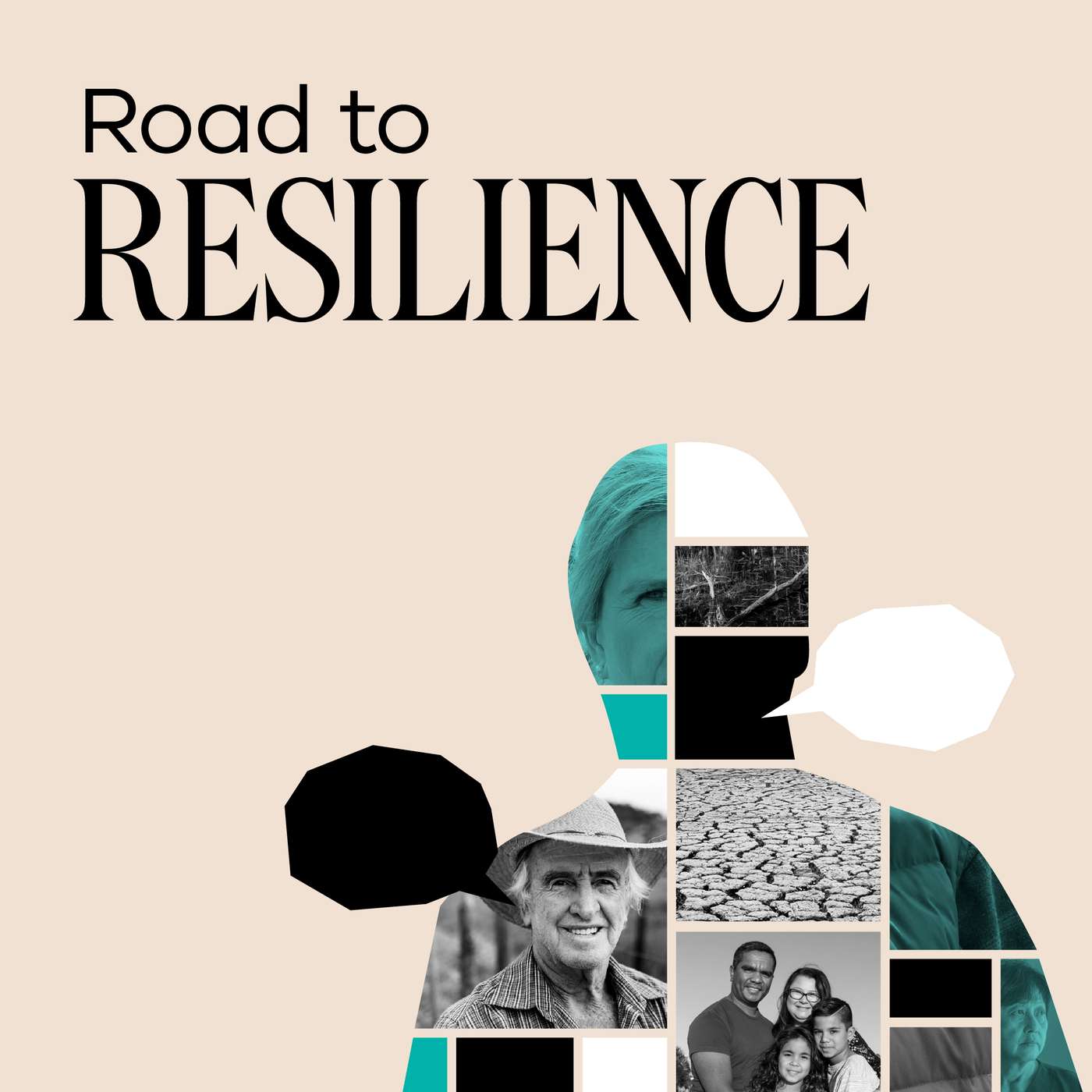
Resilience to emergencies and other unexpected events is increasingly important. But what is resilience? And what does this look like for Victorians? How can community members support each other? On Road to Resilience, we answer these questions and more. Feelings of fear and anxiety are totally normal after an emergency, however it’s important to seek help if they are impacting your life. If you are feeling overwhelmed or concerned about your mental health, or that of someone close to you, don’t hesitate to reach out - talk to: 👫 family, friends or neighbours 🩺 your doctor 📞 Lifeline on 131114 or Beyond Blue on 1300 224 636. To find out more, visit www.dffh.vic.gov.au/recovery
-
3
Media, emergencies and mental health
Overconsumption of media information can create a strain on us. This can compound during emergencies and other unexpected events because of the 24-hour news cycle. We now have more access to news than ever before, even in the palm of our hand. This episode outlines the strategies we can take to get the information we need, remain connected with our community and safeguard ourselves on the path to recovery. Credits: Host: Sophie Gunther-Vale Guests: Therese Fitzgerald, Anne Leadbeater and David Younger Road to Resilience acknowledges the Traditional Owners of the Land we have recorded this podcast on, the Wurundjeri people and Boon Wurrung language of the Bunurong people of the Kulin Nation. We pay our respects to their Elders past and present and extend that respect to all Aboriginal and Torres Strait Islander cultures.
-
2
Children, Families and Trauma
From the tiniest of babies, to tweens and teens, every member of your family will have a different experience of the same emergency or traumatic event. Storms, fires and floods have increased with changes in climate. When families experience trauma from major emergencies like these, each member responds and recovers in their own unique way. Our expert psychologists are here to help with advice for parents and carers on how to take care of themselves, and their loved ones. This episode explores helpful tips to guide families along their road to resilience. To find your local: Doctor, visit Health Direct's ‘Find a health service' Council, visit Vic councils For more information on children, families and trauma visit: Trauma and children – tips for parents (available in 35 languages)Trauma reaction and recovery (available in 35 languages) Psychosocial emergency recovery in Victoria: Department of Families, Fairness and Housing Credits: Host: Sophie Gunther-Vale Guests: Jane Nursey & Michelle Roberts Road to Resilience acknowledges the Traditional Owners of the Land we have recorded this podcast on, the Wurundjeri people and Boon Wurrung language of the Bunurong people of the Kulin Nation. We pay our respects to their Elders past and present and extend that respect to all Aboriginal and Torres Strait Islander cultures.
-
1
How do we build resilience after disasters?
Resilience to emergencies and other unexpected events is increasingly important. But what is resilience? And what does this look like for Victorians? How can community members support each other? On Road to Resilience, we answer these questions and more.Feelings of fear and anxiety are totally normal after an emergency, however it’s important to seek help if they are impacting your life.If you are feeling overwhelmed or concerned about your mental health, or that of someone close to you, don’t hesitate to reach out - talk to:👫 family, friends or neighbours🩺 your doctor📞 Lifeline on 131114 or Beyond Blue on 1300 224 636.To find out more, visit www.dffh.vic.gov.au/recovery
We're indexing this podcast's transcripts for the first time — this can take a minute or two. We'll show results as soon as they're ready.
No matches for "" in this podcast's transcripts.
No topics indexed yet for this podcast.
Loading reviews...
ABOUT THIS SHOW
Resilience to emergencies and other unexpected events is increasingly important. But what is resilience? And what does this look like for Victorians? How can community members support each other? On Road to Resilience, we answer these questions and more. Feelings of fear and anxiety are totally normal after an emergency, however it’s important to seek help if they are impacting your life. If you are feeling overwhelmed or concerned about your mental health, or that of someone close to you, don’t hesitate to reach out - talk to: 👫 family, friends or neighbours 🩺 your doctor 📞 Lifeline on 131114 or Beyond Blue on 1300 224 636. To find out more, visit www.dffh.vic.gov.au/recovery
HOSTED BY
The Department of Families, Fairness and Housing
CATEGORIES
Loading similar podcasts...
URL copied to clipboard!