
PODCAST · health
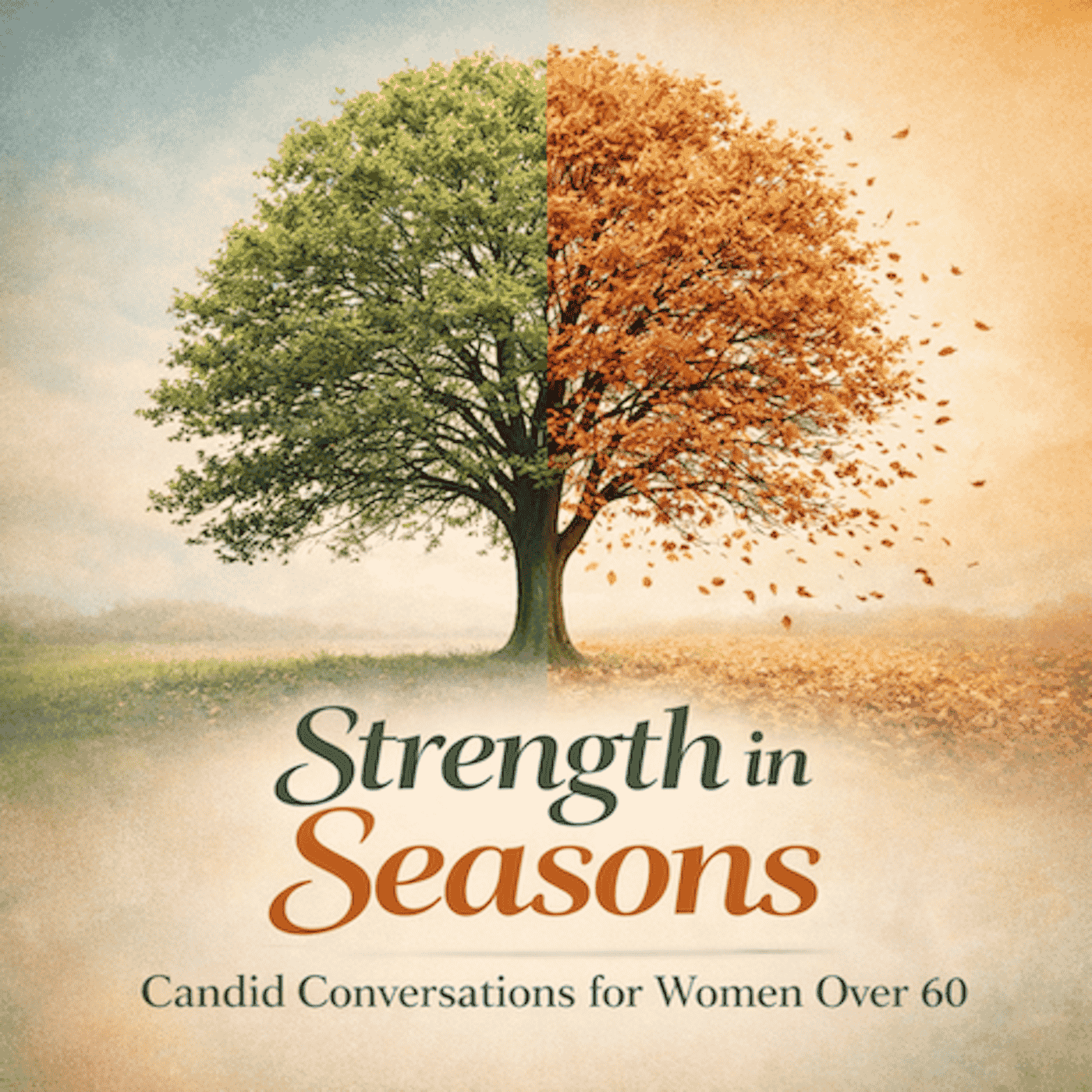
Strength in Seasons
by Dee Zimmer
Real, honest conversations about health, aging, and the things your body starts telling you as the years go by.
-
13
“That’s Just Aging” — When to Push Back and Advocate for Your Health
If you’ve ever left a doctor’s appointment feeling dismissed, told your symptoms are “just aging”—you’re not alone. But what if those changes deserve more attention… and a stronger voice?In this episode of Strength in Seasons, we explore a common and often frustrating reality for women: having real health concerns minimized or overlooked in medical settings.As we age, it’s true that our bodies change. But not every symptom should be brushed off as “normal.” From fatigue and pain to bladder changes, sleep disruptions, and brain fog, many women experience challenges that impact daily life, yet struggle to feel heard when they seek care.And research shows that women, especially older women, are more likely to face healthcare disparities and dismissal.Instead of accepting that experience, this episode is about shifting the dynamic.We break down how to recognize when something isn’t right, and how to confidently advocate for yourself in appointments, without feeling confrontational or overwhelmed.This conversation is about being informed, prepared, and empowered in your own care.You’ll learn:How to tell the difference between “normal aging” and symptoms that need further evaluationWhy women’s health concerns are more likely to be dismissed and how to navigate that realityHow to prepare for doctor’s appointments so your concerns are clearly communicatedSpecific phrases and questions you can use to speak up with confidenceWhen it’s appropriate to push back or ask for additional testingHow and when to seek a second opinionThe role of support systems and why you don’t have to advocate aloneHow to build confidence in medical settings, even when appointments feel rushedWhether you’re navigating new symptoms, managing ongoing health concerns, or simply want to feel more in control of your healthcare, this episode will give you practical tools and language to advocate for yourself with clarity and confidence.Because aging doesn’t mean settling for being unheard. It means knowing your body, trusting your instincts, and speaking up for the care you deserve.
-
12
Eating for Energy, Not Restriction: What Your Body Really Needs During Menopause
If your body feels different during menopause—lower energy, stubborn weight changes, mood swings, or digestive issues—you’re not alone. But what if the answer isn’t eating less… but eating smarter?In this episode of Strength in Seasons, we explore a powerful shift in menopause nutrition: moving away from restrictive dieting and toward nourishment, strength, and sustainable energy.Hormonal changes during menopause can impact metabolism, blood sugar, digestion, and even emotional well-being. And while many women are told to “cut calories” or “try harder,” that advice often backfires, leaving you feeling more exhausted, frustrated, and disconnected from your body.Instead, we break down what your body is actually asking for right now and how small, intentional changes in how you eat can support your energy, mood, and long-term health.This conversation is about working with your body, not against it.You’ll learn:Why metabolism changes during menopause and why eating less isn’t the solutionHow to stabilize energy levels and avoid blood sugar crashes throughout the dayThe role of protein, fiber, and healthy fats in supporting hormone balanceHow nutrition impacts mood, brain health, and emotional resilienceSimple ways to improve digestion and gut health during menopauseWhy strength and muscle maintenance are key to healthy agingHow to shift your mindset from dieting to nourishment and long-term wellnessWhether you’re in perimenopause, menopause, or postmenopause, this episode will help you better understand what your body needs and how to support it with confidence and clarity.Because this stage of life isn’t about restriction. It’s about fueling your body for strength, energy, and the years ahead.
-
11
The Quiet Weight of Loneliness: Finding Connection in This Season of Life
Loneliness in later life is more common than most people realize, but it’s rarely talked about openly. In this episode of Strength in Seasons, we explore the emotional and psychological impact of loneliness in aging, and why social connection is essential for both mental and physical health.As life evolves through retirement, loss, health changes, and shifting family dynamics, many older adults find their social circles getting smaller. But connection doesn’t disappear with age, it simply changes shape.This conversation goes beyond the advice to “just stay social.” Instead, we share practical, realistic ways to rebuild community, deepen relationships, and create meaningful connection in this season of life, even if it feels like your world has gotten quieter.You’ll learn:Why loneliness increases with age and how it impacts mental and physical healthThe psychological changes in aging that can affect relationships and social connectionThe difference between being socially busy and feeling truly connectedSimple, practical ways to rebuild community without overwhelmHow to reconnect with old friends and strengthen existing relationshipsWhy shared activities can be more effective than traditional socializingThe power of small, consistent connection ritualsHow grief and identity shifts contribute to loneliness in later lifeWhy purpose and contribution play a key role in feeling connectedMindset shifts that make it easier to open yourself to connection againWhether you're navigating loneliness yourself or supporting someone who is, this episode offers compassionate insight and actionable steps to help you reconnect.
-
10
Is It Forgetfulness or Something More? Understanding Memory Changes After 60
In this episode of Strength in Seasons, we explore a question many women quietly ask themselves: Is this normal forgetfulness… or something more?As we age, changes in memory and thinking can feel unsettling, especially when they show up unexpectedly. But not every missed word or misplaced item is a cause for concern. In fact, many cognitive shifts after 60 are a natural part of how the brain evolves.Today, we break down what’s typical when it comes to memory and processing changes, why your brain may feel slower (but not weaker), and how to recognize when it might be time to look a little deeper.This conversation is all about replacing fear with understanding, so you can approach brain health with clarity, confidence, and compassion.In this episode you’ll learn:The difference between normal age-related memory changes and warning signs that shouldn’t be ignoredWhy slower processing speed is a natural, and often misunderstood, part of agingHow cognitive strengths like wisdom and emotional insight can grow over timeCommon non-dementia causes of memory issues, including stress, sleep, and medicationsThe emotional impact of memory changes and how to navigate it with confidenceSimple, research-backed ways to support brain health at any ageWhen it’s appropriate to seek medical advice about memory concernsBecause understanding what’s happening in your brain is one of the most empowering steps you can take toward aging with confidence.
-
9
Strong to the Core: Protecting Your Bones and Preventing Falls After 60
Strong bones aren’t just about preventing fractures — they’re about protecting your independence.In this episode of Strength in Seasons, we explore how menopause, nutrition, and lifestyle choices all play a role in keeping your body strong, steady, and capable after 60.As estrogen levels decline during menopause, bone density can decrease, increasing the risk of osteoporosis and falls. But the good news is that with the right support, you can take meaningful steps to protect your bone health and maintain your mobility.We talk about how nutrients like calcium and vitamin D help support bone strength, why muscle health and balance matter just as much, and how everyday habits can make a lasting difference in how you move through the world.If you’re thinking about how to stay strong, active, and independent as you age, or simply want to feel more confident in your body, this conversation offers both insight and practical guidance for supporting your health in this season of life.You’ll learn:Why bone health declines after menopause and what’s happening in your bodyHow calcium supports bone strength and how much you need after 50Why vitamin D is essential for calcium absorption and overall bone healthThe connection between muscle strength, balance, and fall preventionHow osteoporosis develops and why it’s often called a “silent disease”Simple nutrition and lifestyle habits that support long-term bone healthHow protecting your bones helps preserve independence and everyday mobilityAs always, we’re here to bring thoughtful conversations to the evolving experience of aging — because staying strong, steady, and independent is something that can continue in every season of life.
-
8
Sleepless in Your 60s: What’s Changing and Why
Sleep after 60 can feel… unpredictable. One night you’re exhausted but can’t fall asleep, the next you’re waking up at 3 a.m. — or making multiple trips to the bathroom. If you’ve ever wondered why sleep feels so different now, you’re not alone.In this episode of Strength in Seasons, we’re having an honest conversation about what’s really behind sleep changes later in life. From shifting hormones and increased stress to nighttime waking and bladder changes, we break down the science in a way that actually makes sense and talk through practical, realistic solutions that can help you rest better.We also address something that often goes unspoken: the impact of overnight incontinence and the anxiety it can create around sleep. Because better sleep isn’t just about habits; it’s about feeling comfortable, supported, and confident in your body.If sleep has become a struggle, this episode will help you understand why and what you can do about it.In this episode, you’ll learn:How hormonal changes after menopause affect sleep cyclesWhy stress and cortisol can keep you feeling “tired but wired”What causes frequent nighttime waking and why it becomes more common after 60The connection between nocturia (nighttime urination) and disrupted sleepHow overnight incontinence can impact both sleep quality and peace of mindSimple, practical strategies to improve sleep, from evening routines to pelvic floor supportWhen to talk to a healthcare provider about ongoing sleep or bladder issuesHow the right products and support can help you sleep more confidently through the nightBecause sleep after 60 isn’t just about getting through the night; it’s about waking up feeling like yourself again.
-
7
Adventure Has No Age Limit: Travel & Staying Active After 60
Travel and adventure don’t have to slow down after 60. In fact, for many people, this stage of life opens the door to exploring the world in new and meaningful ways. In this episode of Strength in Seasons, we talk about how staying active through travel can support healthy aging, and why walkable cities are becoming a favorite destination for older adults. Cities designed for walking make it easier to stay mobile, reduce travel stress, and fully experience local culture, all while getting natural daily movement. We’ll explore the benefits of walkable destinations, highlight a few cities that are especially popular with active older travelers, and discuss how simple habits like walking while traveling can support heart health, mobility, and overall well-being. If you’re thinking about planning a trip, exploring a new city, or simply looking for ways to stay active and curious later in life, this conversation offers inspiration and practical ideas for embracing adventure at any age.You’ll learn:Why walkable cities are ideal destinations for travelers over 60How travel and daily walking can support healthy agingCities that are especially welcoming for active older adultsSimple ways to stay mobile and comfortable while exploring new placesHow travel can help maintain curiosity, independence, and connection as we ageAs always, we’re here to bring thoughtful conversations to the evolving experience of aging — because staying active, curious, and engaged with the world is something that can continue in every season of life.
-
6
Swiping After Sixty: Are Dating Apps Worth It?
Dating doesn’t stop with age, it just evolves. And for many adults over 50, the world of dating looks very different than it did decades ago. One place where that change is most visible? Dating apps.In this episode of Strength in Seasons, we explore how older adults are navigating modern dating and why more people in their fifties, sixties, and beyond are turning to online platforms to find companionship, romance, and meaningful relationships. If the idea of dating apps feels intimidating, confusing, or even a little overwhelming, you’re not alone — and this conversation is here to help.We break down some of the most popular dating apps designed with older adults in mind — including SilverSingles, Hinge, Match, and OurTime — and talk about what makes each one different. We also discuss what to look for in a dating platform, how to approach online dating safely, and why staying open to connection later in life can be both empowering and exciting.You’ll learn:Why more adults over 50 are turning to dating appsHow different platforms like SilverSingles, Match, Hinge, and OurTime workWhat features make a dating app easier and safer for older adultsPractical tips for navigating online dating with confidenceHow to stay open to connection and new relationships later in lifeAs always, we’re here to bring thoughtful, honest conversations to topics that don’t always get discussed openly — because connection, curiosity, and new beginnings can happen in every season of life.
-
5
Can Your Underwear Cause a UTI? The Truth About Fabrics, Fit, and Bladder Health
Urinary tract infections are incredibly common, especially for women, but the causes aren’t always as obvious as we think. One question that comes up surprisingly often is this: Can your underwear cause a UTI?In this episode of Strength in Seasons, we unpack the relationship between underwear choices, moisture, hygiene habits, and urinary health. While underwear itself doesn’t directly cause infections, certain fabrics, fits, and daily habits can create conditions that make bacteria more likely to grow.We’ll talk about why UTIs happen, what role moisture and breathability play, and how simple changes like choosing the right fabric, changing protection regularly, and staying hydrated, can help support bladder health. If you’ve ever wondered whether something as simple as your underwear could affect your urinary health, this conversation will give you the clarity you need.You’ll learn:Why UTIs happen and why they’re so common in womenWhether underwear can actually cause an infectionHow fabric, fit, and moisture affect bacterial growthEveryday habits that can help reduce UTI riskWhen it’s time to talk to a doctor about symptomsAs always, we’re here to bring honest conversations to topics that too often stay in the shadows, because understanding your body is one of the most empowering things you can do.
-
4
Sexuality Beyond Age: The Evolving Intimacy Journey
At what age should you stop having sex?It’s a question many people quietly wonder — but rarely say out loud.In this episode of Strength in Seasons: Candid Conversations for Women Over 60, we unpack the myth that intimacy has an expiration date. We explore how sexuality evolves with age, what actually changes biologically after menopause and beyond, and why there is no medically defined cutoff for sexual activity.Because aging doesn’t erase desire. It reshapes it.We talk honestly about hormones, comfort, health conditions, emotional connection, and how intimacy can grow richer — not smaller — over time.If you’ve ever wondered, “Am I too old for this?” — this conversation is for you.In this episode, we discuss:Why society ties sexuality to youth — and why that narrative is incompleteWhat menopause really changes (and what it doesn’t)How declining estrogen and testosterone affect desire and functionThe role of cardiovascular health, medications, and chronic conditionsWhy many adults in their 60s, 70s, and 80s remain sexually activeThe physical and emotional benefits of intimacyVaginal dryness, discomfort, and practical solutionsExpanding the definition of sex beyond intercourseWhen medical conditions may require temporary pausesHow communication — with partners and doctors — makes all the differenceThis episode is brought to you by Because, creators of thoughtfully designed adult underwear for bladder leaks and incontinence. Because is committed to comfort, dignity, and breaking the stigma around aging bodies. Visit mybecause.com/podcast to receive your special offer.Until next time, stay curious, stay connected, and remember, there is strength in every season.
-
3
Unlocking Health Secrets: What Your Urine Reveals
What if your bathroom visits were quietly giving you important clues about your health?In this episode of Strength in Seasons: Candid Conversations for Women Over 60, we’re talking about something most people notice but rarely discuss: oily urine.In this episode, we discuss:What “oily urine” actually looks like (and how it differs from cloudy or foamy urine).Why mild dehydration can change urine texture.How ketogenic diets and ketosis can affect urine appearance.The role of healthy fats and fish oil supplements.How excess vitamins (like B-complex and vitamin C) are excreted.Hormonal shifts during pregnancy.The connection between medications and urine composition.When UTIs may change urine texture.More serious causes, including liver, pancreatic, kidney, thyroid, and metabolic conditions.How to recognize patterns that signal it’s time to see a doctor.It might feel awkward to bring up, but changes in urine appearance can be your body’s early warning system. From dehydration and diet to medications and metabolic conditions, we break down what an oily sheen in the toilet bowl could mean, and when it’s worth a conversation with your healthcare provider.Because aging isn’t about ignoring changes. It’s about understanding them.
-
2
Breaking the Silence on Bladder Control Issues
In this episode of Strength in Seasons: Candid Conversations for Women Over 60, we’re breaking the silence around bladder incontinence and aging, a topic that affects millions of people, yet rarely gets discussed openly.Nearly half of adults over 65 experience bladder control changes, but most never bring it up to their doctor. Today, we’re changing that.We’re talking about:The different types of incontinence and why understanding them matters.What’s actually happening in your body as you age.How menopause, prostate changes, medications, and chronic conditions play a role.The emotional impact of bladder issues and why so many people suffer in silence.The treatment options and lifestyle shifts that can dramatically improve symptoms.Here’s the hopeful truth: Over 80% of people who seek treatment see significant improvement. You do not have to “just live with it.”Aging is inevitable. Suffering in silence is optional.
No matches for "" in this podcast's transcripts.
No topics indexed yet for this podcast.
Loading reviews...
Loading similar podcasts...
URL copied to clipboard!