
PODCAST · health
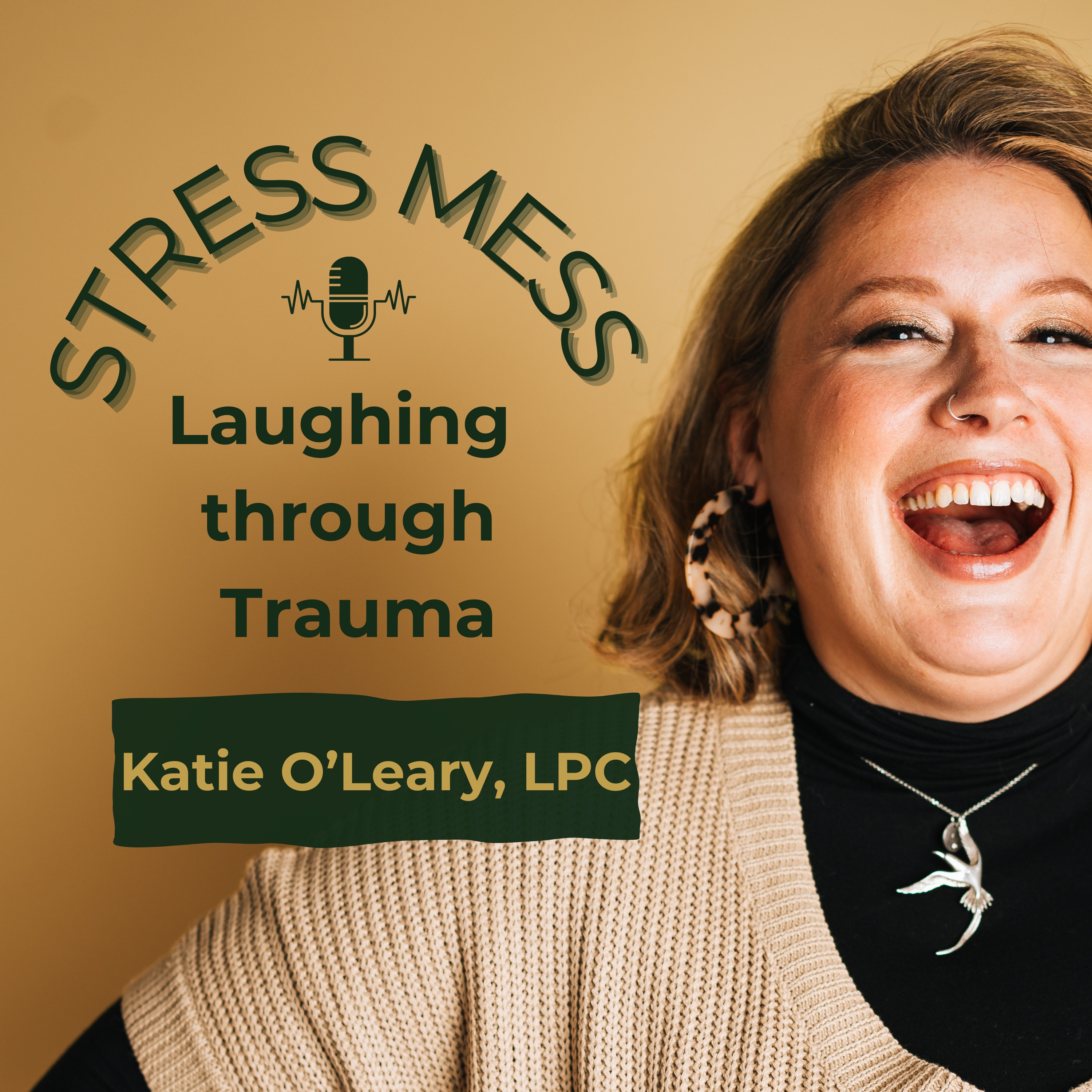
Stress Mess: Laughing Through Trauma
by Katherine O'Leary
Welcome to "Stress Mess: Laughing through Trauma," a podcast that dives into the complexities of trauma and chronic stress with a blend of humor, empathy, and real-life stories. Join us as we navigate the ups and downs of life's stress mess together, because sometimes, laughter truly is the best medicine.Each episode, we explore different facets of trauma and chronic stress, discussing how these experiences shape our minds, bodies, thinking patterns, behaviors, lives and relationships. From personal anecdotes to expert interviews, we uncover the learned survival patterns and growth that can emerge from adversity while squashing shame and isolation."Stress Mess" isn't just about the struggles; it's about finding moments of levity and connection amidst the chaos. We believe in the healing power of laughter and the importance of sharing our stories openly and honestly.Whether you're seeking validation, practical advice, or simply a reminder that you're
-
77
Types of Support
On this episode, Katie explores a familiar moment in relationships when overwhelm hits and the simple question of “how can I support you” only makes things worse. This episode unpacks why so many couples miss each other in these moments, especially when past experiences or emotional neglect have shaped how support is understood. Katie explains that when the brain is flooded, it cannot problem solve or articulate needs clearly, which is why preparing for these moments ahead of time is key. She invites listeners to rethink support as something learned and discussed together, not figured out in the heat of stress, and emphasizes the importance of speaking the same emotional language as your partner.Throughout the episode, Katie walks through seven types of support, including emotional presence, physical co regulation, cognitive clarity, practical help, mind body cues, autonomy through space, and reassurance for relational safety. She highlights how small, intentional actions like validating feelings, offering calm presence, or taking initiative with daily responsibilities can transform connection. The conversation encourages couples to get curious about what support actually feels like to each person and to create shared understanding before overwhelm happens. This episode is a guide to building deeper connection by moving from guessing to knowing how to truly show up for each other.Don't forge to subscribe and follow along on Instagram @katieostresscoaching.com Hosted on Acast. See acast.com/privacy for more information.
-
76
Survival, Genuine Connection... Why Be in a Relationship?
In this episode, Katie explores whether we enter relationships from genuine desire or from a deeper need for safety and attachment. She reflects on how early experiences and childhood narratives shape the way we connect, often leading to relationships that feel more like relief from anxiety than true compatibility.Katie shares how easy it is to confuse infatuation and being chosen with real connection. When attachment is driven by survival, it can show up as urgency, fear of loss, and losing a sense of self in order to maintain closeness. In contrast, relationships rooted in choice feel more grounded, allowing space for honesty, individuality, and mutual curiosity.She also emphasizes that even in healthy, chosen relationships, moments of anxiety can still surface. The goal is not to eliminate those responses, but to notice what’s driving them. Through reflection and simple questions, Katie invites listeners to better understand their patterns and move toward more intentional, authentic connection.Don't forget to subscribe and follow along on Instagram @katieostresscoaching Hosted on Acast. See acast.com/privacy for more information.
-
75
Unhealthy, Abusive, Let's Talk About It
How do you know if a relationship is unhealthy or if it crosses into abuse? In this episode, we break down that question from the inside out, exploring why the answer is less about definitions and more about how you actually feel. We look at the real difference between unhealthy relationships, where both people can take accountability and work on patterns together, and abusive ones, which are rooted in power, control, and the slow erosion of someone's sense of self. The host shares her own experience growing up with an abusive mother and why the good moments made it so hard to see clearly for so long.If you have ever found yourself constantly second-guessing your reality, shrinking to keep the peace, or feeling like you are always the problem, this episode is for you. We explore the questions worth asking yourself about any relationship in your life, and why naming what is happening inside of you is always the first step, even before you know what to do about it.Don't forget to subscribe and follow on Instagram @katieostresscoaching Hosted on Acast. See acast.com/privacy for more information.
-
74
What Is A Healthy Relationship?
This episode explores what a healthy relationship really means, especially for those who were never shown a clear model growing up. Many people say they want something “healthy” or “happy,” but haven’t defined what that looks like for them. The conversation focuses on getting curious about your own values, needs, and expectations instead of relying on unrealistic ideas shaped by culture or past experiences.A healthy relationship is not about avoiding conflict, never feeling triggered, or always feeling good. It is built on safety, repair, and authenticity. That means being able to be yourself without performing, expressing your needs out loud, and trusting that disagreements do not equal disconnection. Conflict will happen, but what matters is the ability to come back together, take ownership, and reconnect.The episode also highlights the importance of mutual effort. Healthy relationships are not one-sided. Both partners show up, communicate, and engage in growth. Over time, this creates a dynamic that feels more grounded, less tense, and allows space to relax instead of constantly walking on eggshells.Listeners are encouraged to reflect on their own relationships by asking simple questions like: Can I be myself here? Can I express my needs? Do we repair after conflict? Do I feel respected? Are we both showing up?Don't forget to subscribe and follow along on instagram @katieostresscoaching Hosted on Acast. See acast.com/privacy for more information.
-
73
Mind-Read in Relationships
If you’ve ever thought “if they really cared, they’d just know,” this episode is for you. Katie unpacks mind reading in relationships and why it shows up so strongly for people who grew up with emotional neglect or unpredictable caregivers. What looks like poor communication is often a learned survival response. As kids, many learned to read the room to stay safe, anticipating others’ needs instead of expressing their own. That pattern can follow into adult relationships, where there’s an expectation that a partner will just notice. When they don’t, it can feel like rejection, leading to hurt, resentment, and distance.Katie walks through how to break that cycle by slowing down, noticing the urge to expect mind reading, and getting curious about what you actually need. From there, it’s about regulating your body, creating a sense of safety, and practicing saying your needs out loud even when it feels uncomfortable. Expressing a need isn’t just communication, it’s vulnerability, especially for those who were taught it wasn’t safe to be seen. For partners on the receiving end, curiosity and validation go further than fixing. Bottom line: unspoken needs don’t disappear, they turn into resentment, and learning to express them is how connection grows.Don't forget to subscribe and follow along on instagram @katieostresscoaching Hosted on Acast. See acast.com/privacy for more information.
-
72
The Polka Dance
In this "polka dance" episode, Katie explores the “pursuer and withdrawer” dynamic in relationships, using the metaphor of a polka dance to illustrate how couples can get stuck in reactive cycles. When one partner seeks closeness, reassurance, and immediate resolution, the other may feel overwhelmed and pull away, leading to a pattern where both people unintentionally trigger each other’s deepest fears. The episode explains how these roles are rooted in past experiences and attachment patterns, not personal flaws, and how both partners are ultimately trying to protect the relationship.You'll be guided through the emotional drivers behind each role, including fear of abandonment for pursuers and fear of conflict or overwhelm for withdrawers. The conversation shifts toward practical ways to interrupt the cycle, such as slowing down reactions, communicating needs more clearly, and creating safety both individually and together. Remember: the goal is not to eliminate conflict, but to stay connected through it, repair more effectively, and build a secure, supportive partnership over time!Don't forget to subscribe and follow along on instagram @katieostresscoaching Hosted on Acast. See acast.com/privacy for more information.
-
71
Same Team, Different Storms
When conflict hits, it can feel like you and your partner are on opposite sides. In this episode, we talk about why that happens and how quickly we can lose sight of being on the same team. Past experiences, old wounds, and stress can all shape how we react, especially in heated moments.This conversation breaks down what is actually happening in your brain and body during conflict, why your partner can start to feel like the enemy, and how common relationship patterns keep couples stuck. It also explores the idea that love is not just a feeling, but something we return to through awareness, communication, and repair.Being on the same team does not mean avoiding conflict or always agreeing. It means choosing the relationship over being right, getting curious about what is underneath the reaction, and coming back together after things escalate. If you have ever found yourself wondering how things got so intense so fast, this episode will help you make sense of it and start shifting the dynamic.Next episode, we will dive deeper into the patterns couples get stuck in and how to move through them.Don't forget to subscribe and follow on instagram @katieostresscoaching Hosted on Acast. See acast.com/privacy for more information.
-
70
The Lense We Look Through
In this episode, we explore the lens we bring into our relationships and how it shapes the way we interpret our partner’s behavior. Two people can experience the same moment but walk away with completely different stories about what happened. Much of that comes from our past experiences, childhood environments, and the beliefs we developed about conflict, safety, and connection.We talk about how these internal filters can lead to misunderstandings, especially when silence, distance, or emotional reactions are interpreted through old patterns. When the brain senses a threat to connection, it can trigger protective responses like defending, withdrawing, over explaining, or trying to fix things quickly.By becoming more aware of the lens we are looking through, we can begin to question the stories our brain creates and open the door to healthier communication, repair, and deeper connection in relationships.Don't forget to subscribe and follow on IG @katieostresscoaching Hosted on Acast. See acast.com/privacy for more information.
-
69
When Emotional Flooding Takes Over in Relationships
Ever found yourself in an argument with your partner that escalates fast, only to realize later it started over something small? In this episode, we talk about emotional flooding. That moment when your nervous system goes into survival mode and connection becomes almost impossible.Emotional flooding can show up as yelling, shutting down, crying, defensiveness, or a racing heart. Many couples think they have a communication problem, when the real issue is that their bodies are overwhelmed and reacting to perceived danger.This episode breaks down what flooding actually is, why it happens, and how childhood experiences can shape the way our bodies respond during conflict. You will also hear practical ways to recognize flooding in the moment, pause the conversation, and repair the relationship afterward.You will also hear a personal story about how a small misunderstanding in the car could have turned into a long argument but instead ended in laughter.If you want healthier conflict, stronger connection, and tools for navigating intense emotions, this episode will help you understand what is really happening beneath the surface.Don't forget to subscribe and follow @katieostresscoaching for more! Hosted on Acast. See acast.com/privacy for more information.
-
68
When they won't change
Why can’t they just change?In this episode, we explore the painful hope that a parent or partner will finally listen, take accountability, or become more emotionally available — and the reality that they may not.We talk about emotional immaturity, the fantasy of repair, and the grief of not getting the apology or understanding you deserve. Most importantly, we shift the focus from trying to change them to staying connected to yourself.You can love someone and still set limits.You can care — and stop chasing.And you’re allowed to grow, even if they don’t.Don't forge to subscribe and follow along on Instagram @katieostresscoaching for more! Hosted on Acast. See acast.com/privacy for more information.
-
67
Childhood Roles in Adulthood Connections
In this episode, we explore the survival roles we learned in childhood — and how they continue to shape our adult relationships.Inspired by the work of Lindsay Gibson, author of Adult Children of Emotionally Immature Parents, we break down common adaptations like the Caretaker, Achiever, Peacekeeper, Invisible One, Rebel, and Therapist Friend. These roles once helped us feel safe, loved, or accepted — but over time they can lead to burnout, resentment, imbalance, and blocked intimacy.You’ll hear how over-functioning, conflict avoidance, hyper-independence, emotional suppression, and hyper-awareness develop — and why they aren’t flaws, but intelligent survival strategies.This episode is an invitation to notice your patterns without judgment, understand the core beliefs underneath them, and begin making small shifts toward deeper, more mutual connection.Which role feels most familiar to you?Don't forget to subscribe and follow on Instagram @katieostresscoaching Hosted on Acast. See acast.com/privacy for more information.
-
66
You're Allowed to Edit Your Book of Laws
We’re adults now...but what do we do if we were raised by emotionally immature parents who aren’t going to change? In this episode, we explore how childhood survival patterns follow us into adulthood, the grief of not getting the parent we needed, and how to begin rewriting the “book of laws” we grew up with.We talk about boundaries, anger, vulnerability, and learning that you’re allowed to have preferences, needs, and an ego. Healing isn’t about changing your parents—it’s about choosing how you care for yourself now.You are allowed to edit your book of laws.Don't forge to subscribe and follow along on IG for more @katieostresscoaching Hosted on Acast. See acast.com/privacy for more information.
-
65
From Survival Mode to Self-Trust: An Athlete’s Journey Out of Self-Abandonment
In this deeply honest and powerful conversation, Katie sits down with coaching client Kayla to explore what happens when strength, perfectionism, and survival mode stop working — and what it takes to rebuild self-trust from the inside out.Kayla shares her journey as a lifelong athlete whose identity was built on performance, discipline, and pushing through discomfort. After a major health event forced her to slow down, she realized she didn’t know how to listen to her body, sit with emotions, or show up for herself without abandoning her needs.Together, Katherine and Kayla unpack self-abandonment, people-pleasing, hyper-independence, and trauma stored in the body — and why insight alone isn’t enough without real-time support and nervous system regulation.This episode is a raw look at what healing actually looks like: messy, uncomfortable, nonlinear — and deeply human.Don't forge to subscribe and follow on Instagram @katieostresscoaching Hosted on Acast. See acast.com/privacy for more information.
-
64
Impact of Being Raised by Emotionally Immature Parents
How does growing up with emotionally immature parents shape the way we relate to others—and ourselves? In this episode, we explore patterns like people-pleasing, hyper-vigilance, and fear of conflict, and how they show up in adult friendships, romantic relationships, and self-trust.Learn how healing doesn’t mean blaming, and discover ways to give yourself the care and connection you may not have received as a child.Don't forget to subscribe and following along on Instagram @katieostresscoaching Hosted on Acast. See acast.com/privacy for more information.
-
63
The Impact of Emotional Immaturity on Relationships
Season freakin’ FOUR… who would’ve thought we’d be here?In this season opener, we dive head-first into relationships—with ourselves and with others—and how deeply they shape our healing. Healing doesn’t mean never having hard thoughts or feelings. It doesn’t mean perfection. Especially not in relationships.This episode focuses on emotionally immature patterns, particularly in parents, and how growing up without emotional attunement impacts our self-talk, boundaries, attachment, and adult relationships. With compassion, humor, and real talk, we explore why emotional immaturity exists, how it shows up, and why healing happens in relationships, not in isolation.If you grew up feeling rejected for being “too much,” learned to perform perfection to stay connected, or still struggle to trust your emotions—this season is for you.Thank you for listening, for reflecting, and for doing this work. Don't forge to subscribe to the podcast so you never miss an episode and send me a DM @katieostresscoaching on Instagram. Hosted on Acast. See acast.com/privacy for more information.
-
62
Coaching That Connects: Real Talk with Amber Grimmett
In this final episode of Season 3, Katie talks with Amber about her experience with coaching at Oak Mountain Coaching. They discuss navigating birth trauma, motherhood, and mental health, and how coaching offers tools and support beyond traditional therapy.What You’ll Learn:Why coaching can be more actionable and connection-focused than therapyUnderstanding the freeze response and reducing self-blamePractical tools like butterfly tapping and bilateral stimulationThe benefits of virtual coaching and ongoing supportConnect with Amber:Instagram: @fierce.not.fragilePodcast: Wild and Fierce PodcastIf you’ve been considering coaching, lean into that nudge...investing in yourself is worth it! Don't forget to subscribe and stay tuned for Season 4 dropping in early 2026! Thanks for being here! -Katie O @katieostresscoaching Hosted on Acast. See acast.com/privacy for more information.
-
61
Childhood Trauma
Episode Summary:In this episode, we dive deep into the topic of childhood trauma—what it is, how it manifests in adulthood, and the ways it can shape our beliefs, behaviors, and relationships. Katie shares personal experiences and professional insights, exploring the spectrum of trauma, from overt events to the absence of emotional safety and connection. The episode also covers common adult adaptations, the importance of self-compassion, and how coaching can support healing and growth.Key Topics Covered:Defining childhood trauma: not just big events, but also the absence of safety, attunement, and connection.Personal stories of growing up with emotional neglect and the impact on self-worth and relationships.The spectrum of trauma: from abuse and chaos to neglect, perfectionism, and parentification.How trauma is a state of overwhelm without support, not just a single event.Common adult patterns: people-pleasing, hypervigilance, fear of conflict, over-responsibility, and difficulty setting boundaries.The process of internalizing adult messages and forming limiting beliefs in childhood.The role of the nervous system and body in carrying trauma responses into adulthood.The importance of repair, self-compassion, and learning new ways to create safety and connection as adults.How coaching and somatic techniques can help process and heal from childhood trauma.Notable Quotes:"Trauma is not an event. It's how alone we felt in that event.""Our adaptations are brilliant and beautiful, and now as adults we get to learn how to befriend ourselves.""Childhood trauma does not have to be a life sentence."Resources & Contact:Instagram: @KatieOStressCoachingEmail: [email protected] this episode brings up strong feelings or memories, please reach out for support.If you resonated with this episode or have questions, connect with Katie for a chat about support or coaching. Stay tuned for more episodes diving deeper into specific patterns and healing strategies. Hosted on Acast. See acast.com/privacy for more information.
-
60
Mind-Body Connection, Pelvic Health, and When to Refer Out with Lisa Becker-Schmall
In this episode, Katie sits down with physical therapist Lisa Becker-Schmall, whose work centers on women’s health, pelvic floor conditions, and chronic illness. Together, they unpack the mind-body connection, how physical and emotional pain overlap, and how providers can recognize when it’s time to collaborate or refer clients for additional support.What We CoverLisa’s work in pelvic health, hypermobility, dysautonomia, and women’s health across life stagesWhy replicating pain in an evaluation helps guide treatmentWhen pain isn’t physical—and how emotional, relational, or trauma-related factors can show up as physical symptomsThe vulnerability of seeking help for pelvic pain and how to hold space with careHow PTs and mental health providers can collaborate without crossing scopesThe importance of asking open, supportive questions when heavier emotional content arisesReal examples of pain linked to emotional experiences, grief, and unresolved narrativesHow to know whether you need physical care, mental/emotional support, or bothWhy finding providers who “vibe” with you matters—and that it’s okay to seek someone who aligns with your needsKey TakeawayPhysical pain is often influenced by emotional and psychological layers—and healing is most effective when providers work collaboratively, stay in their lane, and refer when needed. If something feels “missing” in your care, it’s okay to seek someone who sees the whole picture.Connect with LisaInstagram: @lisa.b.schmall — DMs welcome for connection or inquiries.Connect with KatieInstagram: @katieostresscoaching — and don't forge to subscribe and follow for future episodes! Hosted on Acast. See acast.com/privacy for more information.
-
59
Compassion and Accountability
In this guided practice, we explore the “emotional flare-up hangover”—the shame, guilt, and looping thoughts that often follow a reactive moment. Instead of beating yourself up, this episode walks you through moving from shame → understanding → repair with compassion.What We CoverWhy shame spirals happen after emotional flare-upsHow survival responses override “I should have known better”Grounding the body through breath and simple affirmationsNaming what happened without judgmentUnderstanding the protective parts within youShifting into curiosity: What signs did I miss? What could help next time?Repairing with yourself and others using clear, gentle accountabilityKey TakeawayYou’re not striving for perfection—you’re learning to show up with awareness. Your reactions aren’t your identity, and giving your protective parts compassion is a powerful step toward repair.Connect with KatieDon't forget to subscribe and follow on Instagram for more: @katieostresscoaching Hosted on Acast. See acast.com/privacy for more information.
-
58
Spirituality, Connection, and Healing the Body with Kento Kamiyama
In this heart-centered and thought-provoking conversation, Katie sits down with mind-body physical therapist and breathwork facilitator Kento Kamiyama to explore the essence of spirituality—beyond religion, dogma, or labels. Together, they dive into what it truly means to feel connected, whole, and real.Kento shares his own journey of learning to pause, release perfectionism, and find meaning through connection—rather than constant self-improvement or “fixing.” Katherine and Kento unpack the ways spirituality, vulnerability, and playfulness intersect with emotional and physical healing, and how pain can often be an invitation to reconnect with ourselves and others.You’ll hear candid stories, reflections on the link between fear and pain, and reminders that healing isn’t about becoming pain-free—it’s about realizing you’re never truly alone in the process.Whether you’re a healer, a client, or simply someone curious about the intersection of body, mind, and spirit, this episode offers grounded insights and inspiration for living and healing with more presence and compassion.Connect with Kento:Find Kento on Instagram at @kento.bodymind.coaching to learn more about his holistic approach to physical therapy and mind-body connection. He also hosts monthly breathwork sessions that help you deepen your relationship with yourself and release stored emotional energy.✨ Special Offer:If you’ve listened all the way through this episode, DM Kento the code “stressmess20” on Instagram for 20% off your first breathwork session! 🌿 Connect with Katie:Continue the conversation and explore mind-body-spirit wellness with host Katie O’Leary on Instagram at @katieostresscoaching. Don't forget to like & subscribe for more! Hosted on Acast. See acast.com/privacy for more information.
-
57
I'm not the monk on the mountain, I am in the trenches with you
In this solo episode, Katie reflects on a quote by London-based psychotherapist Sirit Chawla:“I’m not the monk on the mountain. I’m in the trenches with you.”Katie shares how this perspective shapes her work as a trauma and chronic stress coach. She explores why true healing isn’t about being “fixed” by an expert but about building connection, safety, and understanding.She also discusses the pressure providers feel to have all the answers, how shame keeps people stuck, and why authenticity and compassion are essential in any healing relationship.Key TakeawaysHealing happens through connection, not fixing.Providers don’t need to have it all together to be effective.Speaking shame aloud with understanding is deeply healing.Growth requires patience, guidance, and honest connection.Connect with KatieFollow along on Instagram @katieostresscoaching and online at www.oakmountainmh.com Hosted on Acast. See acast.com/privacy for more information.
-
56
Owning Your Power: Finding Humor and Healing in the Hard Stuff with Amber Grimmett
In this heartfelt and hilariously honest episode, Katie O’Leary sits down with Amber Grimmett, founder of Fierce, Not Fragile.Together, they dive into the beauty and chaos of personal growth, the power of owning your story, and how laughter can transform even the toughest seasons. This is an episode full of warmth, truth, and the kind of friendship that reminds you healing doesn’t have to be quiet or perfect. 💛 In This Episode:How Amber built Fierce, Not Fragile to empower women to reclaim their strengthWhy humor and authenticity are essential tools for healingLetting go of perfection and showing up as your real selfThe gift of friendship and creative collaboration👩💼 About the Guest:Amber Grimmett is the founder of Fierce, Not Fragile, dedicated to helping women step into their confidence, own their stories, and live boldly. She is a head coach who is a passionate advocate for women embracing their strength.You can connect with Amber on Instagram @fierce.not.fragile and Katie is on Instagram as @katieostresscoaching Hosted on Acast. See acast.com/privacy for more information.
-
55
Listening to Understand: Coaching Wisdom from John Flagg
In this raw and deeply honest episode, Katie sits down with powerlifting coach & clinician, John Flagg. The very first person who helped her find and use her voice during one of the hardest seasons of her life. What follows is a conversation that pulls no punches. Touching on trauma, the power of presence, emotional regulation, and what it really means to hold space for someone without trying to fix them.Together, they explore:The moment John unknowingly became the catalyst for this very podcastWhy saying “I’m proud of you” might land the wrong way.. and what to say insteadHow to support someone through pain without needing to fix or rescue themReframing emotions as messages, not problemsThe underrated magic of curiosity over judgmentUsing the barbell as a mirror for emotional and mental healthThe phrase that helps re-center when things feel out of control: “Control the controllables”If you're someone trying to show up more fully for yourself and the people you love, this episode will challenge you to rethink how you listen, how you lead, and how you heal.Connect with John FlaggInstagram: @john.rebuild_strongerWebsite: https://rebuildstronger.netConnect with Katie O'Leary, LPCInstagram: @katieostresscoachingWebsite: www.oakmountainmh.comIf this episode resonated with you, don't forget to share it with someone you love or leave a review! Hosted on Acast. See acast.com/privacy for more information.
-
54
The Body in Mind-Body Connection: Why Trauma Healing Must Include the Body
Have you ever been told to “just be more confident” — but no matter how many affirmations you say in the mirror, it just doesn’t feel true? That’s because confidence, healing, and self-worth can’t live in the mind alone. In this episode, Katie dives deep into why the body is essential in trauma healing — and what happens when we focus only on talk therapy and cognitive awareness without including the body.Katie breaks down the difference between narrative memory (what we know happened) and procedural memory (what the body remembers), showing how trauma responses like freezing, pleasing, or shutting down are rooted in the body’s learned survival mechanisms.You’ll hear real client examples, learn what it means to “update” the body’s memory, and discover how integrating somatic (body-based) techniques — like pendulation and bilateral stimulation — can help you truly feel safety, confidence, and trust from the inside out.Don't forget to subscribe and follow along on Instagram @katieostresscoaching. Hosted on Acast. See acast.com/privacy for more information.
-
53
Trauma, Pelvic Health & Reclaiming the Body with Dr. Jocelyn Wallace
In this powerful and deeply personal episode, Katie sits down with Dr. Jocelyn Wallace—a pelvic health coach who helps women heal from hysterectomies, pelvic floor injuries, and chronic gynecological conditions such as fibroids and endometriosis.Together, they explore the connection between childhood trauma, body image, and long-term health, and how survival responses from early life often shape our relationship with food, our bodies, and the healthcare system.Jocelyn shares her personal story of growing up with severe fibroids, navigating bullying, emotional suppression, disordered eating, and the eventual turning point that led her to reclaim her body through strength training and health coaching.This episode is a must-listen for anyone who’s struggled with trusting their body, has a history of chronic stress or trauma, or wants to understand how deeper emotional wounds can manifest physically—and how healing is still possible.Connect with Dr. Jocelyn WallaceInstagram: @drjocelynwallaceWebsite: www.drjocelynwallace.comConnect with Katie O'Leary, LPCInstagram: @katieostresscoachingWebsite: www.oakmountainmh.comIf this episode resonated with you, don't forget to share it with someone you love or leave a review! Hosted on Acast. See acast.com/privacy for more information.
-
52
The Gray Area in Relationships: When to Prioritize the "I" and When to Prioritize "We"
This episode explores the complex tension between individual needs and relationship needs—the "I" and the "We." It's not always clear when to put yourself first or when to show up for the relationship, and for many, especially trauma survivors, this can feel overwhelming and confusing.We unpack why this dynamic is so challenging, how past experiences shape our instincts to either self-abandon or self-protect, and what it looks like to navigate this gray space with more awareness and intention.You’ll hear real-life examples (like saying no to social events or supporting a partner through a tough time) and be guided through two core reflection questions that help clarify what should be prioritized in a given moment. We also discuss how honest communication can prevent resentment and strengthen connection over time.Ultimately, this conversation is about building flexibility, self-trust, and curiosity—so we can better honor both ourselves and the relationships we care about.Reflection prompts from this episode:Will prioritizing my need here strengthen or weaken the relationship long-term?Will prioritizing the relationship here cause me to betray myself?This episode invites you to notice where you lean—toward the “I” or the “We”—and how to find more balance in the in-between. Don't forget to follow on Instagram @katieostresscoaching Hosted on Acast. See acast.com/privacy for more information.
-
51
Resilience and Letting Yourself Be Loved: Part 2 with Jared Maynard
Welcome back to Part 2 of our powerful and heartfelt conversation on resilience with the incredible Jared Maynard. Jared is a physiotherapist, coach, and founder of Unbreakable Strength. If you listened to Part 1, you know Jared’s story is one of deep personal and physical transformation. In this follow-up, we go even deeper.Together, we unpack what resilience really means. Not just grit or toughness, but the ability to break, bend, rebuild, and receive help. Jared opens up about the moment he realized the version of himself he once knew was gone, and what it took to begin again.We talk about:Why resilience isn’t about bypassing or avoiding painMental toughness vs. durability and how they're differentWhat it really feels like to “lose” your identity after traumaHow vulnerability, grief, and letting go are essential to rebuildingThe power of connection, community, and receiving loveJared’s raw story of waking up in the ICU after life supportWhy sometimes, resilience starts with simply accepting helpAnd the life-altering moment a mentor told him: “Let yourself be loved.”This is more than a conversation about physical recovery, it’s about emotional survival, personal transformation, and the kind of strength that’s built when everything else falls away.Guest Info:Jared MaynardFounder of Unbreakable StrengthIG: https://www.instagram.com/jared.unbreakable/Book A Call With Jared HEREConnect with Katie:Katie O'Leary Trauma & Chronic Stress CoachingIG: https://www.instagram.com/katieostresscoaching/Book A Call With Katie HERE Listen to Part 1:Missed Part 1 of Jared’s story? Go back and listen to how this journey began — from life-threatening illness to inner awakening.🔗 Listen to Part 1 hereLet’s Keep the Conversation Going:If this episode moved you, made you pause, or made you feel seen, please share it. Tag us and let us know your biggest takeaway. And don’t forget to subscribe for more honest, heart-led conversations on healing, strength, and what it means to be human. Hosted on Acast. See acast.com/privacy for more information.
-
50
Resilience in Real Life with Jared Maynard
In this powerful and heartfelt episode of Stress Mess, Laughing Through Trauma, Katie sits down with Jared Maynard — a physio, strength coach, dad, and all-around inspiring human — to dive into the nuanced and sometimes messy world of resilience.Jared shares his deeply personal journey from being the “fat kid” hiding during recess to becoming a confident, grounded leader in the strength and coaching space. He opens up about his experiences with Kung Fu, football, bodybuilding, and eventually powerlifting — and how the barbell became a catalyst for self-trust, discipline, and transformation.Together, Katie and Jared explore:What resilience really means beyond the buzzwordWhy failure can be a powerful teacher (even if it sucks)How chosen hardship (like lifting weights) builds inner strengthThe tension between perfectionism and self-compassionParenting moments that are both hilarious and humblingWhat it means to stay grounded in your values when “the shit hits the fan”This episode is equal parts real talk, personal storytelling, and practical wisdom for anyone navigating adversity — whether you're lifting heavy in the gym, raising little humans, or just trying to get through a tough week.Notable Quotes:🗣️ “Resilience is how you keep going with and for the things and people that matter to you.”🗣️ “The barbell doesn't care what kind of day you’ve had. It teaches you how to fail — and how to come back stronger.”🗣️ “You don’t have to act on every emotion. But you do need to listen to them.”Guest Info:🎧 Jared MaynardFounder of Unbreakable StrengthIG: https://www.instagram.com/jared.unbreakable/Book A Call With Jared HEREConnect with Katie:Katie O'Leary Trauma & Chronic Stress CoachingIG: https://www.instagram.com/katieostresscoaching/Book A Call With Katie HERERate & Review:If this episode resonated with you, share it with a friend and leave a review! It helps more people find the pod and join the conversation around stress, strength, and showing up as your full self. Hosted on Acast. See acast.com/privacy for more information.
-
49
When to reconnect, When To Not
“If one more person tells me, ‘Just try again—they didn’t mean it,’ I don’t know what I’ll do…”In this deeply personal and raw episode, we dive into the complicated emotions around reconnection, estrangement, and healing—especially when the harm is minimized, dismissed, or repeated.Through an honest reflection on childhood wounds, family estrangement, and the long road of unlearning harmful dynamics, we explore critical questions:How do you know when a connection is no longer healthy?What are the signs it might be okay—or even healing—to try again?And what happens when everyone else is pressuring you to reconcile, but your body is screaming “No”?Part storytelling, part therapeutic unpacking, this episode invites you into an intimate session that blends vulnerability, insight, and somatic wisdom. If you've ever felt guilted into repairing a relationship that still hurts, or questioned whether you’re the “problem” for walking away, this one’s for you.Topics Include:The myth of “just try again”Body cues that tell us the truthSigns of unsafe vs. safe reconnectionRewriting internalized shame from childhoodPermission to honor your boundaries—even if others don't understandThis episode isn’t just about letting go, it’s about reclaiming your right to choose who gets to stay in your life.Don't forget to subscribe and leave a review! You can catch me on instagram @katieostresscoaching Hosted on Acast. See acast.com/privacy for more information.
-
48
Exploring Desire, Erotic Aliveness & Communication with Lara Lark (Part 2)
In this episode we continue an important conversation with Laura, a Certified Somatic Relationship Coach and Board-Certified Sexologist. We'll dive into the complex topics of low desire, erotic aliveness, and communication within relationships. The episode covers everything from the personal beliefs shaping our sexuality to the importance of embodiment and how couples can reconnect with their desires in a safe and open way. Topics covered include:Low Desire Causes: Lara explains that low sexual desire in women often stems from emotional or relational dynamics (intimacy, body connection, unresolved resentment, hormones), not just medical issues.Gender and Desire: Men are more likely to be treated with medications for low desire, while women often receive therapy-focused advice, reflecting societal attitudes toward gender and sexuality.Medication Impact: Medications like antidepressants and conditions such as diabetes can affect libido, but this is often overlooked in medical care.Shame and Sexuality: Societal norms, like purity culture, have shamed women’s sexual desire. Lara stresses the importance of overcoming shame to embrace one's sexuality without judgment.Body Connection: Lara encourages reconnecting with one's body through sensory experiences, which fosters greater erotic awareness and pleasure.Dating Yourself: Katie suggests "dating yourself" for a month to tune into your personal desires, similar to Lara’s approach of reconnecting with needs in daily life.Shame and Taboo: Normalizing shame in sexual exploration creates a safe space for individuals to express their desires, promoting empowerment and acceptance.Core Erotic Desires & Blueprints: Understanding core sexual needs (e.g., being seen or cherished) and erotic blueprints (romantic, kinky, energetic) helps partners communicate and connect better.Fantasies & Boundaries: Exploring fantasies (romantic, kinky, energetic) and setting clear boundaries ensures consensual, empowering sexual exploration. Highlights:The importance of embodiment in reconnecting with desires.The role of belief systems and shame in shaping sexual experiences.A deep dive into exploring erotic desires through core desires and blueprints.A conversation about consent, agency, and the power of boundaries in healthy sexual relationships.And moreThis episode is a powerful reminder that sexual desire is complex and multifaceted. By exploring our beliefs, reconnecting with our bodies, and openly communicating with our partners, we can reignite erotic aliveness and cultivate healthier, more fulfilling relationships.Resources:If you're curious about exploring this topic further, reach out to Lara on Instagram @lara_lark_coaching to help you navigate these conversations For more information about Katie's coaching program, follow and reach out on Instagram @katieostresscoaching Hosted on Acast. See acast.com/privacy for more information.
-
47
Intimacy, Stress, and Connection: A Conversation with Lara Lark
In this episode, we sits down with somatic relationship and intimacy coach, and board-certified sexologist, Lara Lark. Together, they explore the messy intersection of stress, intimacy, and connection — from navigating emotional challenges to embracing physical closeness with more presence and ease.Lara opens up about her own journey of overcoming relationship struggles, what drew her into intimacy coaching, and why stress integration is so critical for healthy relationships. Whether you’re single, partnered, or somewhere in between, this conversation will leave you with practical insights and a deeper sense of compassion for yourself and others.💡 What You’ll Learn in This EpisodeHow stress shows up in relationships — and what you can do about itThe role of somatic practices in building intimacy and trustLara’s personal story of turning relationship challenges into her life’s workWhy both emotional and physical intimacy matter for connectionPractical steps to integrate stress so you can show up more fully in love and life👤 About Our GuestLara Lark is a somatic relationship and intimacy coach and a board-certified sexologist. She helps people reconnect with themselves and their partners by blending science, somatic practices, and compassionate coaching. Her work focuses on helping others navigate intimacy, stress, and connection with more ease.Don't forget to subscribe and follow us on Instagram @katieostresscoaching and @lara_lark_coaching Hosted on Acast. See acast.com/privacy for more information.
-
46
Am I Too Much? Rewriting the Narrative of Emotional Overwhelm
Have you ever caught yourself thinking, “I’m too much... I’m being dramatic... I should tone it down”? You’re not alone — and more importantly, you’re not too much.In this episode, we dive deep into the origins of the “I’m too much” narrative — how many of us were conditioned to believe that big feelings meant we were wrong, dramatic, or overwhelming. From childhood messages that minimized or shamed our emotions, to the subtle (or not-so-subtle) ways we’ve learned to silence ourselves, this episode unpacks the emotional imprints we carry and why they show up today.We’ll explore:The difference between emotional overwhelm and being "too much"How to shift from shame to understanding when big emotions ariseWhat it means to co-regulate vs. emotionally outsourceSomatic tools and nervous system practices to sit with discomfort — without collapsing, running, or dumpingHow to be the inner caregiver we needed when our emotions were once met with rejectionThis isn’t about fixing yourself — it’s about reclaiming your right to feel. Tune in to begin untangling the shame loop and learn how to be with your emotions in a more grounded, compassionate way.Don't forget to subscribe and follow along on Instagram @katieostresscoaching Hosted on Acast. See acast.com/privacy for more information.
-
45
Motherhood, Business, and the Power of Showing Up
In this raw and honest episode, we dive deep into the beautiful chaos of juggling motherhood, entrepreneurship, and friendship with our incredible guest, Dr. Liana Sved (@the_jawpaindoc).Together, we pull back the curtain on what it really looks like to show up every day as moms, business owners, and women trying to do it all. From chaotic mornings filled with cereal spills and toddler meltdowns to late-night emails and moments of quiet doubt, we talk about the unfiltered truth behind the highlight reels.We explore the emotional rollercoaster that so often comes with building a business while raising a family—the pressure to be everything to everyone, the guilt, the breakthroughs, and the small wins that keep us going. Dr. Liana opens up about her journey as a mom and doctor, how she’s learned to find support in unexpected places, and the powerful role that female friendship and vulnerability have played in her growth.This conversation is a love letter to every woman who’s ever felt overwhelmed, burned out, or questioned whether she’s doing enough. If you've ever cried on the bathroom floor, doubted your purpose, or simply needed someone to say "me too," this episode is for you.Because the truth is: you don’t have to have it all figured out to keep going. You just have to keep showing up.✨ Follow Dr. Liana on Instagram @the_jawpaindoc✨ Follow me @katieostresscoaching Hosted on Acast. See acast.com/privacy for more information.
-
44
Let’s Talk About Safety—Not Just the Buzzword
In this episode, we're unpacking what safety really means—beyond just physical security. Emotional, cognitive, and relational safety are often overlooked, yet they deeply shape how we move through life, especially as trauma survivors.We cover:The 4 types of safety: physical, emotional, cognitive, relationalWhy you might feel “unsafe” even if you had a “good” childhoodHow trauma teaches us to outsource safety—and how to reclaim itPractical ways to build internal and external safetyThe role of boundaries, predictability, and self-awareness“Safety isn’t the absence of triggers. It’s the presence of support, choice, and tools to navigate whatever arises.”This episode is for anyone who’s been told they're “too much,” or who’s learning how to feel at home in their own body and mind.Let me know what you thought of this episode by sending a DM to @katieostresscoaching on Instagram. Hosted on Acast. See acast.com/privacy for more information.
-
43
What is the "Root Cause?" Rethinking Chronic Illness & Healing with guest Taylor Goldberg
In today’s episode, Katie is joined once again by the insightful and ever-curious Taylor Goldberg. A chiropractor turned virtual hypermobility coach to unpack a buzzword we hear everywhere in the chronic illness world: “root cause.”Is there really one root cause for chronic symptoms? What does that term even mean and is it helping or hurting the healing journey?Together, Katie and Taylor explore:Why the search for a root cause can create shame, pressure, and false hopeHow symptoms are often misunderstood—and why they’re not always badThe danger of over-labeling and iatrogenic diagnosesHow practitioners can shift from “fixing” to curious collaborationThe value of an integrative, multifactorial approach to chronic illness and traumaWhether you’re a practitioner, a patient, or someone navigating long-term symptoms, this episode will challenge how you think about healing—and offer a more compassionate, realistic path forward.Let’s stop chasing the perfect answer and start listening to the full story.🔗 Connect with Taylor:@thehypermobilechirothehypermobilechiro.com🔗 Connect with Katie:@katieostresscoachingoakmountainmh.com Hosted on Acast. See acast.com/privacy for more information.
-
42
The Power of Small Habits in Trauma Healing
When we think about trauma healing, it’s easy to imagine we need to dive headfirst into the hardest parts like reliving stories, unpacking everything at once, and somehow healing fast. But what if real healing starts with something much simpler?In this heartfelt and vulnerable episode, I talk about the quiet power of small habits. The daily actions that rebuild self-trust, confidence, and connection. From taking a walk even when it feels hard, to drinking water, going to the doctor without shame, or opening up to a friend, these small promises to ourselves can create massive change.I also open up about my own current season being three months postpartum, navigating a new family dynamic, and processing difficult news about my daughter’s upcoming heart surgery. Through it all, it was the tiny acts of care that got me through.If you’ve ever felt like you’re not “doing enough” to heal, this episode is for you. Let’s shift the lens from dramatic transformation to gentle, daily rituals of self-love. At the end, I’ll leave you with one question to carry forward: ✨ What is one small habit you can start today to show up for yourself? Let me know by sending me a DM on Instagram @katieostresscoaching Hosted on Acast. See acast.com/privacy for more information.
-
41
Empowered Healing: A Conversation on Chronic Pain, Self-Awareness, and the Mind-Body Connection
In this episode, Katie sits down with Dr. McKinsey Cummings (@dr.mckinseycummings), a chiropractor who specializes in chronic pain and illness management for women. Blending personal experience with professional expertise, Dr. McKinsey shares powerful insights into the healing journey and what it truly means to support the body—and mind—through chronic health challenges.Together, they explore the deep interconnection between physical and emotional well-being, the role of self-awareness in healing, and why individualized approaches matter. From breaking negative thought patterns to embracing coaching and self-exploration, this conversation is full of thoughtful takeaways to help you feel more empowered and in tune with your own health.Whether you're managing chronic pain or simply seeking a more holistic understanding of wellness, this episode offers inspiration and practical wisdom for your personal journey.Tune in to learn:The importance of the mind-body connection in chronic illnessHow self-awareness and mindset shape healingWhy personalized care makes a differenceTools for breaking unhelpful patterns and reclaiming your health journeyAnd so much more! Don't forget to follow us on instagram @katieostresscoaching and @dr.mckinseycummings and send us a DM to let us know what you thought of this episode! Hosted on Acast. See acast.com/privacy for more information.
-
40
Nurturing Connection: Understanding Regulation and Self-Care
In this heartfelt solo episode, we kick things off with a real-life mom moment — potty training, body check-ins, and a little one reminding us what it truly means to listen to our bodies. From that sweet story, we dive into a deep reflection on a word that's everywhere these days: Regulation.Katie unpacks the pressures we often attach to regulating “perfectly,” and how the concept has become more of a performance than a practice. But what if we reframed it entirely? What if regulation was less about "fixing" and more about tuning in, offering compassion, and meeting ourselves with TLC?Whether it’s throwing plastic bottles in frustration, going for a walk with anxiety, or simply checking in with “what do I need right now?”, this episode is a gentle but powerful reminder that regulation isn’t one-size-fits-all — it’s a messy, ongoing relationship with ourselves.✨ Topics Covered:Why “regulation” might feel triggering or performativeHow to reframe regulation as self-parenting and body kindnessWhy “doing it right” doesn’t exist — and that’s okayReal examples of non-linear, everyday regulation practicesThe connection between early trauma and the struggle to self-sootheStick around for a sneak peek at the next episode featuring a very special where we explore chronic illness, pain, stress, and how to reclaim safety in our bodies.💬 We'd love to hear your thoughts — what does regulation mean to you now? DM me on Instagram at @katieostresscoaching Hosted on Acast. See acast.com/privacy for more information.
-
39
Normalization of Chronic Stress and Trauma
Welcome to Season 3 of Stress Mess: Laughing Through Trauma! This season we're diving back in with heart, humor, and honesty, while naming the stressors that have been creeping in under the radar. In this premiere episode, we explore the invisible pressures that fuel chronic stress and trauma but are often overlooked because they’ve become normalized. From the mental load of daily life (think planning meals, scheduling appointments, remembering everything) to social masking, caregiving burnout, and health anxiety, we uncover how these subtle, everyday experiences keep our minds and bodies stuck in survival mode.Host, Katie O'Leary, breaks it all down with compassion and real talk; plus some surprise office visits from a sweet little voice in the background! If you've ever felt like you're "on" all the time, carrying a weight no one sees, or wondering why you're so tired despite “nothing major” happening... this one’s for you.Let us know what resonates, and get ready for a season filled with validating conversations, expert guests, and a whole lot of stress-busting insight. Send a DM to @katieostresscoaching Hosted on Acast. See acast.com/privacy for more information.
-
38
Navigating the Unexpected Journey of Motherhood and Stress
After a short hiatus, Katie back with a deeply personal and raw solo episode to close out Season 2 of Stress Mess. In this episode, we unpack what happened when life took an unexpected—and very real—turn: an unplanned early induction, a whirlwind of medical decisions, and ultimately, the birth of baby Eleanor via C-section.From navigating the stress of medical uncertainty to confronting internal narratives around perfectionism, natural birth, and societal expectations, this episode is a heartfelt reflection on what it means to stay grounded in your values when everything is in flux.You'll hear how past podcast conversations with guests like Kelsey, Lisa, and Clinician Kate echoed in real-time during this transformative experience, and how connection, informed choice, and being truly seen made all the difference.Topics covered:The pressure of "staying consistent" vs. honoring real lifeMedical decision-making and agency during childbirthLetting go of shame around a non-"natural" birthHow emotional support impacts physical healingThe value of human connection in both therapy and medicineSeason 3 launches Monday, July 7th with even more expert voices, stories, and tools on stress, trauma, and healing. Until then, take care, and remember: you're doing f***ing amazing. 💛 Follow along on IG @katieostresscoaching for more! Hosted on Acast. See acast.com/privacy for more information.
-
37
Embracing The Messiness of Healing
In this raw and candid episode, we dive into the often overlooked reality of healing and mental health. Society, social media, and even popular culture often portray mental health as something neat and tidy—like flipping to Chapter 15 of your self-help book and following a clear set of steps to fix everything. But the truth is, healing is messy. It's emotional flare-ups, triggered states, and moments where things just aren't pretty.We talk about the importance of embracing our messiness and the power of accepting ourselves—imperfections, emotions, and all. Through personal anecdotes and reflections, we explore how shaming ourselves for feeling "messy" can be a major roadblock in our healing journey. The reality is, being able to sit with discomfort, pain, and difficult emotions without judgment is one of the strongest things we can do.If you've ever felt pressured to have it all together, this episode is a reminder that messiness is not only normal, it’s a part of the work. We discuss how healing isn’t about being perfect or always having a polished, curated exterior—it’s about being real, sitting with the difficult moments, and accepting every part of ourselves as we navigate our emotional journey.Key takeaways:Embracing the messiness of life as part of the healing processHow shame around difficult emotions can hinder progressThe importance of finding a supportive, judgment-free space for healingWhy being real and imperfect is where the true growth happensDon't forget to follow us on Instagram @kaiteostresscoaching and let us know what you thought of this episode! If you're tired of trying to fit into a perfect narrative of healing and want to learn how to love your messy, real self—this episode is for you. Hosted on Acast. See acast.com/privacy for more information.
-
36
Building Resilience
In this episode, we dive deep into the concept of resilience and how it helps us navigate life's toughest moments. We kick things off by recognizing that trauma survivors are already resilient by nature, having developed survival techniques along the way. But even the most resilient can feel overwhelmed by stressors, leading to a state of "freeze mode" where everything feels like it's too much to handle.Resilience isn’t about bypassing difficult emotions—it’s about sitting in the discomfort, acknowledging the pain, and finding the strength to move forward, even when it feels impossible. We discuss the key components of resilience, including curiosity, self-belief, courage, patience, and emotional regulation. Through this conversation, we explore how resilience is a skill we can grow and strengthen, rather than something we're simply born with.Whether you're dealing with chronic stress, trauma, or just the ups and downs of life, this episode offers practical insights and tools to help you build resilience. Tune in for a heart-centered conversation about how to sit with the discomfort, face challenges head-on, and remind yourself that even in the toughest times, you have the strength to weather the storm.Key takeaways:Understanding what resilience truly is and what it’s notThe importance of self-awareness and emotional regulationHow resilience is built through practice and growth mindsetReal-life examples of how to apply resilience in everyday lifeIf you’re ready to stop feeling stuck in your struggles and learn how to bounce back stronger, this episode is for you. Don't forget to follow us on instagram @kaiteostresscoaching! Hosted on Acast. See acast.com/privacy for more information.
-
35
Understanding Chronic Stress & Trauma
On this episode of Stress Mess, Laughing Through Trauma, we welcome fellow Oak Mountain Coach, Kate Tokarski, who will help us dive into the understanding of Chronic Stress & Trauma along with the realities of living with lifelong challenges of chronic illnesses.We explore the emotional and psychological impact of chronic illness and trauma, acknowledging the often overlooked grief, stress, and medical PTSD that accompany these conditions. We talk about how to navigate the ups and downs, whether it’s the physical burden of illness, the mental toll of constant stress, or the difficult emotional journey of acceptance and advocacy.With insights from our own personal experiences and professional backgrounds, we offer practical coaching tools to help you cope, find community, and embrace your journey. It’s not about "fixing" – it’s about understanding, validating, and taking the steps toward empowerment and healing.If you're living with chronic illness or trauma, or supporting someone who is, this podcast is for you. Join us as we explore how to live your best life with chronic conditions, share raw and real conversations, and offer you the support you deserve.Remember: You’re not alone, and it’s okay to say, "F*** off" when you need to. Let’s get real about it, together. Follow us on Instagram at @katieostresscoaching or email us at [email protected] to learn more about our coaching services. Hosted on Acast. See acast.com/privacy for more information.
-
34
Stressed Managing Stress
In this episode, we dive deep into the growing obsession with stress management and the overwhelming pressure society places on "reducing stress." We explore how wellness professionals, social media, and even doctors can often make us feel like stress is something to eradicate completely, leading to confusion, guilt, and shame. Is stress really something we need to eliminate, or is it simply a natural part of life that we need to learn how to interact with in healthier ways?Join me as I unpack the all-or-nothing mentality surrounding stress, the anxiety caused by endless wellness trends, and how we can start to reclaim our power over our bodies and minds without falling into the stress-reduction rabbit hole. I’ll share my own experiences with stress and offer practical advice, like connecting with your body, listening to your needs, and gently learning how to manage stress rather than trying to fight it.If you've ever felt overwhelmed by the pressure to be "stress-free" or questioned whether you're doing enough to combat stress, this episode is for you. Let’s break the cycle of stress shame together and approach it in a way that feels real and empowering. Tune in and share your thoughts with me – you’re not alone in this!DM me on Insta @kaiteostresscoaching with your thoughts after listening. Hosted on Acast. See acast.com/privacy for more information.
-
33
Titrating Feelings: The Balance Between Feeling and Distracting
In this episode, we'll explore the delicate dance between feeling and distracting when it comes to our emotional experiences. If you've been in therapy or mental health support for years, you might find yourself intellectually understanding your thoughts, feelings, and behaviors, but still feeling stuck or overwhelmed so today we'll dive into the concept of intellectualizing feelings—where we overthink and analyze but struggle to actually feel—and why it’s so important to start engaging with our emotions in a deeper, more embodied way.Through the practice of titration and pendulation, we'll talk about how sitting with our emotions, in a safe and supported way, allows us to experience feelings without becoming overwhelmed. You’ll learn how to recognize when it’s time to feel and when it’s okay to distract in order to avoid re-traumatizing yourself or spiraling into emotional overwhelm. Whether you're in therapy or navigating emotions on your own, this episode offers practical insights on how to start feeling your feelings without fear—and why those feelings are a vital guide to living a fuller, more authentic life.Tune in for tips on how to dip into your emotions in a manageable way, and understand when to pause and take a break. It’s all about balance—and the journey to emotional healing starts with being present with yourself.If you’ve ever felt like you’re stuck in the loop of knowing but not feeling, this episode is for you. Join us for a compassionate dive into the complexities of emotional healing. Don't forge to follow us on social over @katieostresscoaching and send me a DM to let me know what you think of this episode! Hosted on Acast. See acast.com/privacy for more information.
-
32
Breaking the Stigma: Navigating Pregnancy, Postpartum, and Motherhood
On today's episode, we dive into the often misunderstood and stigmatized journey of pregnancy, birth, and postpartum. We welcome special guests Kelsey Castek, DPT and Lisa Becker-Schmall, DPT, as they break down the pressures, expectations, and self-doubt that many women face along the way. From navigating the physical and mental challenges of pregnancy to embracing the postpartum experience and beyond, the conversation touches on the reality of "Am I doing it right?" and how we can redefine what "right" really means.Dr. Kelsey, a women’s health physical therapist, and Dr. Lisa, a pelvic floor therapist & strength coach, share their insights on how to tune in to your body, let go of societal pressures, and focus on what works best for YOU. They discuss common myths, managing mental health, and offer empowering advice for women in every stage of motherhood.Tune in to break free from the guilt, shame, and unrealistic expectations and embrace the truth that every journey is unique. If you’ve ever questioned your own path or felt overwhelmed by advice from all directions, this episode is for you. Let’s build a community of support and understanding where you can feel confident in your body and your choices! Don't forget to follow us on Instagram: @katieostresscoaching, @empoweredpelvis.withkelsey, and @lisa.b.schmall, and reach out to let us know if this episode spoke to you! Hosted on Acast. See acast.com/privacy for more information.
-
31
Rethinking Health, Healing, and Expectations
In this episode, we dive deep into the complexities of health, healing, and what it truly means to be "healed." Many people approach coaching or therapy with the goal of healing—hoping for an absence of pain, trauma, or difficult emotions. But is healing about perfection, or is it a continual process of choices and self-awareness?We explore the idea that healing isn’t the absence of struggle, but the ability to navigate life's challenges with resilience, self-compassion, and understanding. From the fluctuating nature of mental health to the pressures of societal expectations, this episode offers a refreshing perspective on what it means to be healthy and whole.Join us as we challenge black-and-white thinking about health, reflect on how we define healing for ourselves, and discuss the importance of self-awareness in the healing process. If you’ve ever struggled with the idea of being “healed” or wondered if you’re doing it right, this episode is for you.Don't forget to follow along with us on instagram @katieostresscoaching or you email us at [email protected] Hosted on Acast. See acast.com/privacy for more information.
-
30
Choices
In this episode, we're diving deep into the topic of choices—a word that can feel both empowering and overwhelming. We'll explore how trauma and chronic stress can cloud our ability to recognize the choices we actually have, often making us feel stuck or powerless. Using insights from The Four Agreements, we discuss how we can become "auto-domesticated" by unconscious beliefs and societal "laws" that shape our thoughts, actions, and emotions.Through a powerful conversation about mindset shifts and somatic practices, we uncover how connecting the body with the mind can help us rewrite those ingrained beliefs. The episode also touches on how to approach mantras, emotions, and responses to life’s challenges in a way that honors both the mind and body. Tune in to discover how we can break free from rigid patterns and take charge of our responses, making empowered choices even in the face of adversity.Be sure to follow along on Instagram @katieostresscoaching and DM me your thoughts on today's episode! Hosted on Acast. See acast.com/privacy for more information.
-
29
Trauma and Whole Health Recovery
In this episode, Katie sits down with Joanne Fearns (ishnutrition.com) a Trauma and Nutrition Health Coach that we like to call "your friendly neighborhood Trauma & Nutrition Health Coach," to discuss the powerful connection between trauma, the mind, body, and nutrition. Joanne shares her personal journey, from surviving childhood abuse and a challenging foster care experience to the pivotal moments that led her to find healing and ultimately build a career helping others do the same.Joanne opens up about how her own trauma impacted her relationships and mental health, and how she learned to confront and heal the damage she was unknowingly carrying. With her deep knowledge of trauma-informed care and nutrition, she explores the ways our bodies respond to emotional wounds and how holistic healing practices can support true recovery.This conversation is full of raw honesty, self-reflection, and practical insights for anyone on a healing journey. Tune in for a thought-provoking discussion on the importance of understanding your body’s needs, owning your past, and making space for authentic self-love and growth.Be sure to follow along on Instagram: Katie @kaiteostresscoaching and Joanne @ishnutrition to learn more and schedule a discovery session. Hosted on Acast. See acast.com/privacy for more information.
-
28
Psychosocial Development and Trauma
In this episode, we dive deep into the fascinating intersection of psychosocial development and childhood trauma. The conversation starts by exploring Erik Erikson's stages of development, from infancy to adulthood, and how each stage builds on emotional, cognitive, and social milestones. We then examine how trauma—whether from neglect, abuse, or inconsistent caregiving—can disrupt these stages, often leading to long-lasting impacts on self-worth, trust, and relationships.Through the lens of childhood trauma, we discuss how certain stages like trust vs. mistrust, autonomy vs. shame, and identity vs. role confusion can be affected, leading to struggles with shame, doubt, and fear of intimacy in adulthood. The episode emphasizes that trauma often shifts the focus from healthy exploration to mere survival, and how understanding these developmental processes can reduce shame, increase self-compassion, and guide individuals toward healing and self-parenting.If you're ready to explore how past experiences shape your present behavior and relationships, or just curious about how childhood trauma impacts your journey, this episode offers a mix of education, compassion, and tools to help you heal.Don't forget to follow along on Instagram @katieostresscoaching, and send me a DM if this sounds like you or if you have any questions! Hosted on Acast. See acast.com/privacy for more information.
No matches for "" in this podcast's transcripts.
No topics indexed yet for this podcast.
Loading reviews...
ABOUT THIS SHOW
Welcome to "Stress Mess: Laughing through Trauma," a podcast that dives into the complexities of trauma and chronic stress with a blend of humor, empathy, and real-life stories. Join us as we navigate the ups and downs of life's stress mess together, because sometimes, laughter truly is the best medicine.Each episode, we explore different facets of trauma and chronic stress, discussing how these experiences shape our minds, bodies, thinking patterns, behaviors, lives and relationships. From personal anecdotes to expert interviews, we uncover the learned survival patterns and growth that can emerge from adversity while squashing shame and isolation."Stress Mess" isn't just about the struggles; it's about finding moments of levity and connection amidst the chaos. We believe in the healing power of laughter and the importance of sharing our stories openly and honestly.Whether you're seeking validation, practical advice, or simply a reminder that you're
HOSTED BY
Katherine O'Leary
Loading similar podcasts...
URL copied to clipboard!