
PODCAST · business
The Discovery Call
by Discover Startups
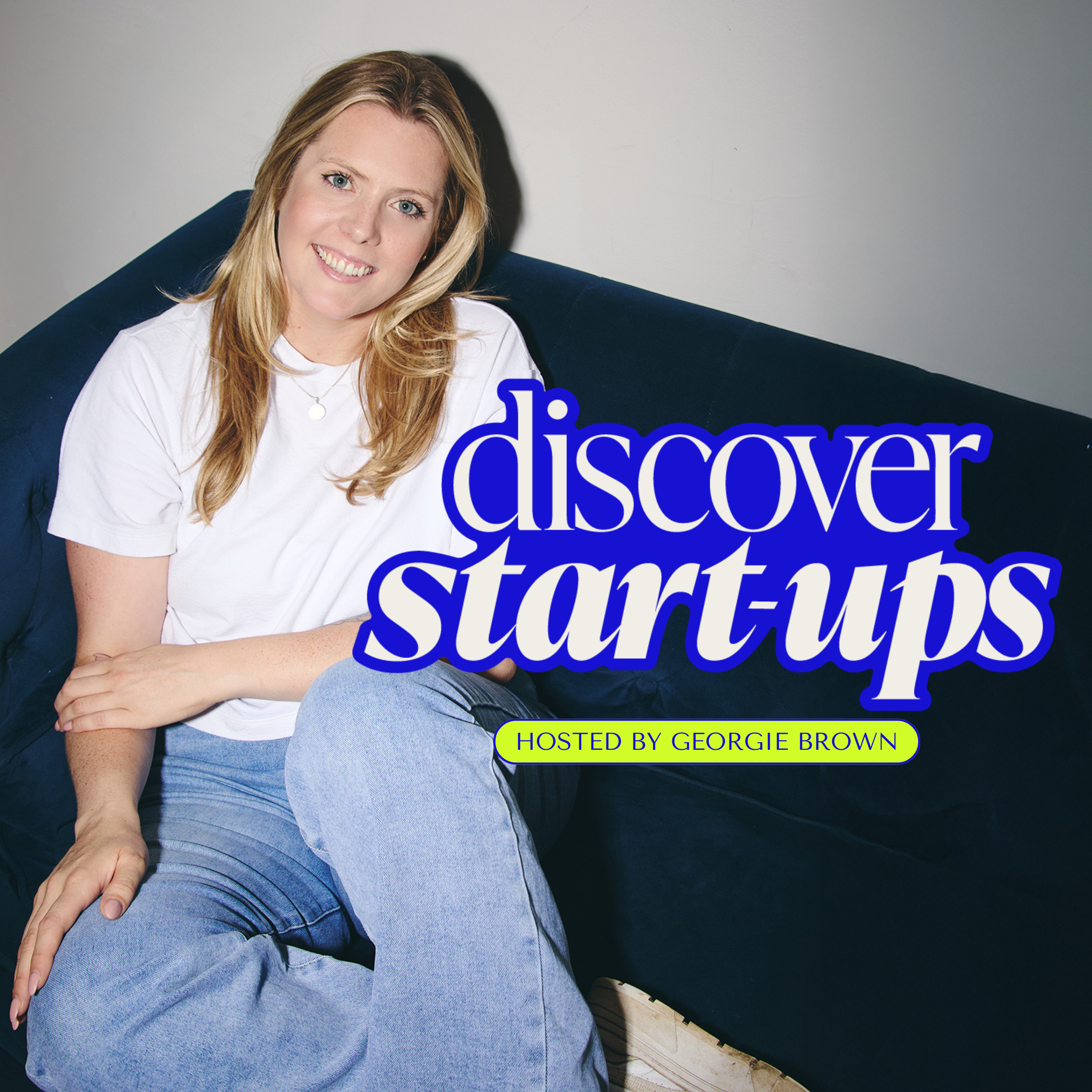
Discover Startups is a startup podcast, hosted by Georgie Brown, sharing founder stories from early-stage startups building the brands of tomorrow. Each episode features honest conversations with startup founders about what they’re building, the problems they’re solving, and the challenges of growing a business from the ground up. From CPG to consumer, tech and lifestyle brands, Discover Startups helps you find innovative early-stage startups before they scale. A must-listen podcast for founders, operators and anyone curious about startups, building businesses, and entrepreneurship.
-
25
What's really in your dog's food? Joy Timmer, founder of Scrumpf, reveals all
Joy Timmer, founder of Scrumpf, joins Georgie Brown on the Discovery Call to expose what's really hiding in most dog food — and why the industry's biggest brands aren't the trustworthy choice most owners assume they are.Pet owners are spending more than ever on premium-looking dog food, but the industry is one of the most ultra-processed food categories in existence. Misleading front-of-pack marketing, vague "meat and animal derivatives" labelling, and cheap fillers like rice flour and potato starch are the norm — even in the brands recommended at your local vet's surgery.Scrumpf is changing that. Founded by Joy, Scrumpf is a freeze-dried raw food and natural supplements brand built on one principle: every ingredient has to genuinely benefit the dog. No fillers, no derivatives, no preservatives, no shortcuts.In this episode, Joy unpacks why dog health has been declining for decades, why vets aren't always the right place for nutrition advice, and how owners can spot the difference between marketing spin and genuinely good food — just by turning the packet over.What you'll learn in this episode:Why dog food is one of the most ultra-processed food categories on the marketWhat "meat meal" and "animal derivatives" actually mean — and why they're allowedThe commercial relationship between big pet food brands and vets (and why nutrition advice is so skewed)Why fillers like rice flour, potato starch and pea flour dominate ingredient listsThe link between modern dog diets and rising allergy, digestion and lifespan issuesWhat "complete food" really means and why novel proteins matterWhy joint care is the one supplement Joy thinks every dog over a year old should be onWhich supplements are worth the money — and which (like multivitamins) usually aren'tHonest founder lessons: surviving the trough, ignoring agency promises, and trusting your gutStartup shout-out: Kwenched — a canned saké cocktail brand making cleaner, hangover-free drinksTimestamps:00:00 — Meet Joy and what Scrumpf is01:50 — How a new puppy and an industry insider's view sparked the brand02:09 — The ultra-processed truth about most dog food03:22 — What "meat meal" really is04:46 — Why vets aren't nutrition experts (and the Royal Canin problem)07:58 — Why fillers like rice flour and pea flour dominate ingredient lists09:19 — The impact of poor diets on gut health, lifespan and allergies12:16 — Inside the Scrumpf range: freeze-dried food, treats and supplements13:21 — What "complete food" actually means14:37 — Joy's non-negotiables: human-grade, novel protein, no fillers15:46 — Why joint care should start years before your dog gets old18:36 — The supplement Joy says is a waste of money19:36 — Real customer results: from coat clarity to calmer walks20:59 — What's actually in the bestselling calming supplement23:13 — How to try Scrumpf (including as a topper for larger dogs)24:31 — The hardest part of building Scrumpf27:33 — Joy's biggest lesson: be wary of agencies and shows promising the world30:37 — Startup shout-out: QuenchedTry Scrumpf: Website | Instagram | TikTokConnect with Joy: LinkedInDiscover more startup stories: Visit Discover Startups and subscribe to the newsletter for weekly founder insights.Never miss an episode: Subscribe to the Discover Call on your favourite podcast platform.
-
24
Building the Infrastructure for a $1 Trillion Creator Economy with Jen Hartman, founder of Pitch Please
What if creators didn’t have to wait around for brand deals to land in their inbox… and could start pitching the right people, with the right message, at the right time?That’s exactly what Jen Hartmann is building with Pitch Please.As the creator economy enters a huge new growth era, more people than ever are building careers online through content, community and influence. But while the opportunity is massive, the tools behind the scenes still haven’t caught up.In this episode, Georgie Brown sits down with Jen Hartman, founder of Pitch Please, to talk about the next wave of creator infrastructure — and why helping creators pitch smarter could unlock a whole new level of income, independence and control.Pitch Please is a platform that helps creators and influencers instantly find the real people behind influencer marketing budgets, pitch them with confidence, and track exactly when their emails are opened. No more guessing. No more generic inboxes. No more sending messages into the void.Jen brings more than a decade of experience in the creator economy, including years running her own agency and working directly with thousands of influencers. That front-row seat gave her a clear view of one of the biggest problems in the space: creators are doing huge amounts of work, but they’re still missing the tools, access and protections they need to grow sustainable businesses.In this episode, we cover:• Why the creator economy is growing so fast• The access problem creators face when trying to land paid brand deals• Why so many pitches never reach the right person• What creators are really losing when they rely on managers or marketplaces• How Pitch Please works: search brands, find the decision-maker, pitch with AI• The future of creator tools — from auto-pitching to contract support• What Jen has learned building a tech product after running a service business• Why creators need more ownership, not just more exposure• Startup shout-out: Pony BoyIf you’re a creator, influencer, marketer, or someone building in the future-of-work space, this episode is packed with sharp insight into where the creator economy is heading — and the infrastructure it still needs.Key Takeaways:• The creator economy is growing fast — but creators still need better business tools• Access is one of the biggest blockers to brand partnerships• Pitching is still too manual, too slow and too opaque for most creators• Managers can be valuable — but they also come with a real cost• Pitch Please helps creators pitch smarter and keep more control• AI can support creators far beyond content creation• The next generation of creator tools will be about ownership, leverage and efficiency00:00 — Meet Jen & what Pitch Please is01:39 — The creator economy growth moment02:49 — The biggest challenges creators face today05:55 — What actually happens when creators pitch brands07:35 — The cost of managers, marketplaces and missed opportunities12:04 — How Pitch Please works14:09 — Building smarter creator tools with AI18:30 — Early users & traction so far20:12 — Founder lessons from building in tech23:04 — Hiring, culture and startup growth26:10 — Startup shout-out: Pony Boy
-
23
Why most university mentoring programs fail - and how Latte is fixing It , with Jerry Chen
What if the most valuable part of university wasn’t just the degree — but the people you should’ve met along the way?In this episode of Discover Startups, Georgie Brown speaks with Jerry Chen, co-founder of Latte, an EdTech startup helping universities connect students and alumni through smarter mentoring and AI-powered introductions.Mentoring programs are meant to unlock the real value of higher education — networks, advice and career guidance. But behind the scenes, most universities still run these programs manually or through clunky internal platforms that students and alumni rarely use.The result?Students struggle to access alumni networks, staff burn out trying to manage programs, and alumni engagement stays low.Jerry experienced this problem first-hand as an international student at NYU Stern, where he felt huge pressure to maximise the ROI of an expensive degree. After struggling with ineffective mentoring programs himself, he set out to build a better solution.Today, Latte helps universities automate mentoring programs and create meaningful student-alumni connections without forcing users onto yet another platform.The product now has two key components:Latte Mentorship — automates mentor matching, introductions and follow-ups for university mentoring programs.Latte Connect — an AI-powered system that introduces students and alumni through email or text, while simultaneously updating and enriching alumni data for universities.Instead of surveys and cold outreach, Latte creates conversational introductions that make mentoring easier, more human and far more scalable.In this episode, we cover:Why mentoring programs in higher education often failThe hidden admin burden on career services teamsWhy internal “LinkedIn-style” alumni platforms don’t workHow Latte automates mentor matching and introductionsThe importance of belonging in the university experienceWhy conversational engagement beats surveys for alumni dataFounder lessons from building an edtech startupStartup shout-out: Synaptrix LabsIf you work in higher education, alumni relations, career services, mentoring programs or edtech, this episode offers a fascinating look at how AI can strengthen human connection rather than replace it.Key Takeaways:• Mentoring is powerful — but difficult for universities to scale manually.• Internal networking platforms struggle because students and alumni prefer tools they already use.• Strong alumni relationships improve both career outcomes and student belonging.• Latte automates matching, introductions and follow-ups for mentoring programs.• AI can enable better conversations rather than just collect survey data.• The best B2B EdTech products serve both administrators and students.Chapters:00:00 — Meet Jerry Chen & Latte02:33 — The mentoring problem in higher education06:36 — Why alumni networking tools fall short08:49 — Belonging and the real ROI of university09:52 — How Latte Mentorship works13:09 — Introducing Latte Connect16:06 — Why conversational engagement beats surveys24:06 — Early results from mentoring programs29:29 — Founder lessons from building Latte35:07 — Startup shout-out: Synaptrix LabsLinks:Latte — WebsiteJerry Chen — LinkedIn
-
22
The much needed “astro-dote” to bland Banter with Amie Farrell from Tame the Taurus
What if your zodiac sign could replace small talk forever?That’s exactly why Amie Farrell built Tame the Taurus: an astrology-based party card game designed to be the “Astrodote to Bland Banter” — turning polite catch-ups into chaotic, hilarious roast sessions powered by the zodiac.In this episode, Georgie Brown sits down with Amie Farrell, founder of Tame the Taurus, to unpack how a pre-wedding roast spiralled into a fully-fledged card game — and why astrology might be the ultimate shortcut to deeper (and far more entertaining) conversation.Amie didn’t set out to build a board game. She set out to recreate a moment — the instant a room shifts from mortgage chat and safe questions to bold opinions, inside jokes and stories you didn’t expect to tell.We talk about the bigger cultural shifts driving this:We’re craving more IRL connection and less screen timeThe board game market is booming — yet women represent 50% of players but only 7% of designersTame the Taurus sits right at that intersection — astrology, roast culture, female-led design, and the modern desire for structured fun.In this episode, we cover:The wedding-night moment that sparked the ideaWhy astrology works as a conversation catalyst (even for sceptics)How Tame the Taurus works: roast cards, zodiac matches and storytelling chaosWhy no astrology expertise is requiredThe surprising gender gap in the board game industryThe rise of indie card games (think Exploding Kittens, Cards Against Humanity)What it’s like building as an indie founder vs giants like Hasbro and MattelThe hardest part of physical product startups: playtesting at scaleFounder lessons: launch before you’re comfortableStartup shout-out: Babaschini (a children’s fashion brand spotting trends years ahead)Key Takeaways:Conversation itself is a product opportunity.Cultural shifts (screen fatigue + astrology revival) create new category space.Women are underrepresented in board game design — and that’s an opportunity.Physical products require scrappier validation than software.If you’re not slightly embarrassed by your MVP, you launched too late.Chapters / Timestamps:00:00 — Meet Amie Farrell & Tame the Taurus02:20 — The wedding roast that sparked the idea04:50 — The board game industry opportunity (and gender gap)07:30 — How Tame the Taurus works09:40 — Do you need astrology knowledge?10:30 — The spicy roast origins12:15 — 2026 plans: PR, events & merch expansion14:50 — The hardest part of building a physical product16:55 — Founder advice: ship the MVP sooner18:30 — Startup shout-outIf you’re into astrology, party games, indie brands — or you’ve ever wanted a better way to break the ice than “so… how’s work?” — this one’s for you.
-
21
The Platform Turning Kindness Into Currency with Lauren Scott-Harris from EARNT
Join the EARNT newsletter (and get first dibs on upcoming “do good, get rewarded” drops) via earnt.co.uk.What if the best seats, the best perks, and the most exclusive brand offers weren’t reserved for people with the biggest wallets… but for people who did something genuinely good for their community?That’s the world Lauren Scott-Harris is building with EARNT — a social impact platform that turns volunteering into a new kind of currency.Born out of a very specific COVID-era disconnect (nurses and teachers relying on food banks while influencers unboxed endless freebies), EARNT flips the reward system on its head. Instead of brands handing perks to the loudest voices online, EARNT helps brands reward everyday people who show up: for a litter pick, a school repaint, a food bank shift, a community centre refurb — real work that makes communities better.The result is what Lauren calls a “golden triangle”:causes get volunteers, brands build deeper loyalty, and people get an “EARNT thank you” (an ETY) — exclusive perks unlocked through social good.In this episode, Georgie Brown and Lauren Scott-Harris talk about:The moment that sparked EARNT — and why it felt urgentWhy traditional volunteering doesn’t work for most people (and what “bite-sized” help changes)How brands can use their reach to mobilise communities in a way charities can’t“Late stage capitalism”, the collapse of community, and why people are craving purposeWhy influencer marketing is starting to feel hollow — even when it worksHow EARNT works behind the scenes (brands, causes, consumers — and the ETY)The unexpected outcomes: new friendships, local reconnection… and even datingLauren’s long-term vision: kindness as a “Strava for social good”Whether you’ve been wanting to volunteer but can’t commit every Tuesday at 11… or you run a brand looking for a more meaningful loyalty play — this episode will change how you think about rewards, community, and what “value” really means.Key Takeaways:Volunteering has a UX problem. Most people want to help — they just can’t commit to rigid, recurring slots.“Bite-sized” social good unlocks scale. Short, flexible opportunities bring in the 84% who don’t volunteer regularly.Brands can mobilise communities. Their marketing reach, databases, and cultural pull can do what causes often can’t.Kindness can be a currency. Exclusive rewards feel more meaningful when you’ve earned them through real action.Community is the real product. EARNT creates connection: friends, intergenerational links, local pride — and yes, dates.Social impact needs business rigour. If you want a movement to last, it has to be sustainable — not just “nice”.Chapters / Timestamps:00:00 — Meet Lauren Scott-Harris & what EARNT is00:40 — The COVID moment that sparked the idea02:30 — The “golden triangle”: brands, causes, consumers04:30 — Why volunteering doesn’t work for most people06:30 — “Bite-sized” volunteering (and why it changes everything)08:10 — How brands help causes reach people09:10 — Why kindness can finally work at scale12:55 — The backlash to old status symbols (and influencer culture)14:40 — How EARNT works (and what an ETY is)18:10 — What users actually get out of it (community, confidence, connection)23:35 — The long-term vision: “Strava for social good”26:10 — Getting involved with EARNT26:35 — The hardest part of building it29:15 — Founder advice: trust your gut + build proof31:45 — Startup shout-out: Tonic by Sophie FawcettLinks & Resources:EARNT: earnt.co.ukInstagram: @earnt_Disclaimer: The opinions expressed by Georgie Brown in this episode are her own and do not represent the views of her employer.
-
20
The Monetisation Move Creators Have Been Missing with Allister Braithwaite from MiM
What if the best creators in fashion, beauty and interior design could stop selling you products… and start selling you personalised advice?That’s exactly what MiM is building: a platform that lets styling & beauty creators offer remote, paid styling services directly from their link in bio — so fans can buy personalised help, sourcing, wardrobe edits, wedding styling and more, instead of wading through endless affiliate links and sponsored posts.In this episode, Georgie Brown sits down with Allister Braithwaite, founder of MiM, to unpack the “trapped value” inside the creator economy — and why the current monetisation options don’t really serve fans or creators.We talk about the two dominant models creators are pushed into:Paywalled content (think Subatack / Patreon), which adds to an already relentless content workload.Brand deals + affiliate links, which often feel like ads — and audiences are tired of adsIn this episode, we cover:MIM’s bet: fans don’t just want to copy a creator’s outfit — they want access to their taste, judgement and styling brain for their own life.Why paywalls and sponsorships are a shaky creator monetisation strategyWhat “authentic connection” actually means (and why making comparisons with OnlyFans gets messy fast)How MIM works: creators build a shopfront of services, fans buy via link in bioExamples of services that are already working: quick sourcing → full wardrobe stylingWhy MIM is different to LTKThe feature fans love: photo-by-photo feedback with contextual comment threadsFounder lessons: shipping through uncertainty, listening hard, backing convictionStartup shout-out: Win Win Chocolate (yes, cacao-free chocolate is a thing)If you’re into the creator economy, influencer marketing, or fashion tech — or you’ve ever thought “I love their style but I have no idea how to apply it to me” — this one’s for you.Key Takeaways:Creators don’t need more content. They need monetisation that’s high-value and sustainable.Fans want personalisation, not product pushes. Styling is a service, not a shop window.MIM turns link-in-bio into a storefront. Remote services, priced by the creator, delivered directly to fans.Context beats generic advice. Comment threads tied to specific photos make feedback feel natural and actionable.Conviction matters early. You can’t fully validate from zero — you have to move, learn, adapt.Chapters / Timestamps:00:00 — Meet Alli & what MIM is04:19 — The monetisation problem in the creator economy06:55 — How MIM works (in plain English)08:50 — MIM vs existing platforms11:13 — Early traction & why fans are excited12:50 — The relationship layer: contextual feedback threads16:05 — What’s been hardest as a founder18:10 — Founder advice: momentum over perfect validation19:59 — Startup shout-out: cacao-free chocolate
-
19
Building an events platform for the suburbs with Graham Colligan from Towns Of
What if the reason the suburbs feel disconnected isn’t the people — but the platforms meant to bring them together?That’s the question behind Towns Of, a new events and community platform built specifically for suburban life.In this episode, Georgie sits down with Graham Colligan, the founder behind Towns Of, to unpack why so many people living just outside cities feel isolated — and why existing “community” platforms are quietly making things worse.After watching neighbours struggle to find local events, creators struggle to reach nearby audiences, and big tech platforms drifting toward division rather than connection, Graham saw a gap. Not for another social feed — but for infrastructure that actually helps people meet, create, and show up locally.Towns Of is designed around small, meaningful events: workshops, meetups, classes, talks, and community-led gatherings that rarely surface on mainstream platforms. This conversation is a thoughtful look at hyper-local tech, suburban blind spots in big platforms, and what it really takes to build community — online and off.In this episode, we cover:Why suburbs are underserved by most social and events platformsThe difference between “local social” and traditional social mediaWhy small events matter more than big onesTowns Of as a tool for local creators, organisers, and communitiesThe challenges of building tech that prioritises connection over clicksFounder conviction, doubt, and ignoring bad advice early onWhether you live in the suburbs, build community-led products, or care about how technology shapes real-world relationships, this episode offers a refreshing counterpoint to growth-at-all-costs thinking.Key Takeaways:The suburbs aren’t boring — they’re overlooked: Big tech treats them as secondary markets.Small events build strong networks: Meaningful connection doesn’t need scale.Creators need infrastructure, not exposure: Towns Of helps locals find the right people nearby.Founder conviction matters: Don’t let someone who doesn’t get the problem talk you out of solving it.Chapters / Timestamps:00:00 — What Towns Of is really about03:10 — The hidden loneliness of suburban life06:56 — Where existing platforms fall short09:16 — How Towns Of works11:28 — Designing for community, not conflict14:34 — Getting involved as a creator or organiser18:00 — Founder advice: conviction over consensus20:04 — Startup shout-outs & recommendationsDISCLAIMER: The views and opinions expressed by Georgie Brown in this episode are her own.
-
18
Helping you find your perfect style online!
What if shopping online actually understood you — your wardrobe, your taste, your real-life style — instead of throwing endless trends and products your way?That’s exactly the problem Kathleen Sheppard set out to solve with Tote, a personalised fashion-tech platform designed to help people cut through the noise and rediscover their own style.Tote flips the traditional shopping model on its head. Instead of starting with products, it starts with you. Users log their outfits, build a picture of their real wardrobe, and receive tailored recommendations from an AI stylist — turning shopping into something closer to a personal shopper than a scrolling marathon.In this episode, Georgie Brown and Kathleen unpack how Tote is rethinking fashion discovery, why personal style has become so hard to define online, and what it takes to build a startup that balances speed, intention, and community.In this episode, we cover:Why online shopping feels exhausting, not excitingHow Kathleen went from sustainable fashion founder to fashion-tech builderThe difference between trends and true personal styleWhy discovery — not checkout — is the real problem in e-commerceHow Tote works (and why users describe it as “BeReal for outfits”)Building an AI stylist that learns your taste, not the algorithm’sThe role of community in making style feel safe and personalTote’s future plans, including B2B partnerships with fashion brandsWhether you love fashion or dread shopping altogether, this episode is a refreshing look at how technology can support self-expression instead of overwhelming it.Key Takeaways:Choice overload is killing joy: Too many brands and trends make shopping harder, not better.Style is personal, not performative: Tote focuses on what people actually wear, not what’s trending.Discovery is the real pain point: Most people don’t need more products — they need better guidance.AI works best with context: Logging real outfits helps Tote deliver genuinely relevant recommendations.Community builds confidence: Seeing how others dress creates trust and relatability.B2B is the next frontier: Tote plans to power personalised shopping experiences for brands, not just consumers.Chapters / Timestamps:00:00 — Why online shopping feels broken04:10 — Kathleen’s journey from fashion founder to tech startup07:11 — The discovery problem in e-commerce10:02 — Who Tote is built for12:54 — How Tote works (from outfits to recommendations)15:36 — B2B ambitions and brand partnerships17:55 — The realities of building a startup20:55 — Advice for early-stage founders21:45 — Founder shout-outs22:37 — The future of personalised shopping
-
17
The Missing Layer in Elderly Care: Companionship - With Solène Declas from AIBŌ
What if the solution to elderly loneliness wasn’t more care — but more connection?That’s the idea behind AIBŌ, the intergenerational platform founded by Solène Declas that matches young people (18–30) with elderly neighbours for paid companionship, friendship, and everyday support.Inspired by her own grandparents — and the growing gap between generations — Solène set out to solve two problems at once: rising loneliness among older adults, and the lack of flexible, meaningful work for young people. The result is a “buddy” system that works a bit like Rover… but for grandparents.In this episode, we dive into the human reality behind the stats — from weeks without conversation, to the quiet loss of purpose many older people feel — and how AIBO is building a more connected, joyful alternative.This is a conversation about loneliness, purpose, dignity, and why intergenerational relationships might be one of the most overlooked solutions in modern society.In this episode, Georgie and Solène explore:The hidden loneliness crisis facing elderly people in the UKWhy loneliness is linked to early death and cognitive declineHow AIBO matches young people and older adults based on personality, interests, and life experienceWhy companionship can be more powerful than traditional careHow young people are paid to do meaningful, flexible workThe emotional impact of being “needed” again later in lifeWhy bringing older people back into youth culture mattersSolène’s journey as a first-time founder building a purpose-led startupKey Takeaways:Loneliness isn’t just sad — it’s dangerous. It’s been compared to smoking 16 cigarettes a day.Elderly people don’t just need care — they need connection, purpose, and friendship.Intergenerational relationships benefit both sides: wisdom flows one way, energy the other.Young people want flexible, meaningful work — not just bar shifts.AIBO reframes support as companionship, not dependency.Community, not institutions, may be the future of ageing well.Chapters / Timestamps:00:00 — Meet Solène & the idea behind AIBO03:40 — The moment that sparked the startup06:00 — The reality of elderly loneliness09:00 — Why companionship matters more than care13:50 — How AIBO works (the buddy system explained)17:00 — Paying young people for meaningful work19:30 — Real friendships formed through AIBO22:00 — Scaling through universities24:00 — The hardest part of building solo25:40 — Founder advice: “If you don’t ask, you don’t get”26:40 — Startup shout-out: Equal ReachLinks & Resources:AIBO — Website | InstagramConnect with Solène Declas — LinkedIn
-
16
Teaching kids life skills through online games with Alan Tang from CoLab
What if kids learned the skills they actually need for real life — not just exams? That’s the problem CoLab is setting out to solve.Founded by Alan Tang, CoLab is an online education platform helping children aged 7–14 build essential life skills — like communication, teamwork, emotional intelligence and problem-solving — through live, gamified sessions and virtual escape rooms.After following the “traditional” path himself — good school, good degree, good grad scheme — Alan realised something was missing. When he entered the workplace, he felt unprepared for the realities of collaboration, failure, and independent thinking. School had taught him what to think, but not how to think.So he set out to build the kind of learning experience he wished he’d had.CoLab brings kids from around the world together for hour-long online sessions led by trained facilitators, where learning happens through play, discussion and challenge — not lectures or tests. The focus isn’t on getting the right answer, but on learning how to work with others, communicate under pressure, and grow in confidence.Whether you’re a parent, an educator, or a founder interested in the future of learning, this episode is a thoughtful look at how education is evolving — and why life skills matter more than ever.In this episode, Georgie Brown and Alan discuss:Why traditional education leaves kids unprepared for real-world workHow gamified learning helps children build confidence and resilienceThe importance of emotional intelligence and teamwork from a young ageWhy making mistakes is a crucial part of learningHow CoLab’s live, facilitator-led model worksThe challenge of scaling education without losing qualityWhat founders can learn from building trust-based communitiesKey Takeaways:Life skills aren’t optional anymore.Communication, collaboration and emotional intelligence are core skills — not “nice to haves”.Learning sticks when it’s playful.Games and challenges create deeper engagement than passive teaching.Mistakes are part of growth.CoLab’s “no shame” environment helps kids learn without fear of failure.Facilitators matter.The right humans guiding the experience are just as important as the curriculum.Education impacts adults too.Parents and facilitators often grow alongside the kids.Growth should be intentional.CoLab prioritises quality, community and outcomes over fast expansion.Chapters / Timestamps:00:00 — Why collaboration matters more than memorisation02:15 — Alan’s journey from grad scheme to education startup05:40 — What school doesn’t teach us about real life08:30 — How CoLab’s gamified sessions work12:10 — Emotional intelligence, teamwork & problem-solving16:45 — The role of facilitators and community20:30 — Growing slowly and protecting quality24:00 — Lessons for founders building education platformsLinks & Resources:CoLab — Website | Facebook | LinkedInConnect with Alan Tang — LinkedIn
-
15
The Truth About What You’re Really Putting on Your Skin with Roshanne Dorsett from The Glowcery
What if skincare worked more like nutrition — and less like ultra-processed food?That’s the thinking behind The Glowcery, the nutrient-dense skincare brand founded by Roshanne Dorsett.After years working in law — and struggling with her own skin — Roshanne began questioning what we’re actually putting on our bodies. What she discovered was an industry full of ultra-processed formulas, diluted actives, and confusing ingredient lists that leave consumers disconnected from their choices.So she decided to build something different.The Glowcery is a clean, plant-based skincare brand rooted in nutrient density, transparency, and wellness — treating skincare like nourishment, not a quick fix. In this episode, Roshanne shares how personal frustration turned into a purpose-driven beauty business, and why the future of skincare looks a lot more like self-care than surface-level solutions.Whether you’re into clean beauty, wellness-led brands, or founder stories that start with a real problem — this conversation is a grounded look at how the beauty industry is changing.In this episode, Georgie Brown and Roshanne discuss:Why most skincare products are closer to ultra-processed food than nourishmentRoshanne’s journey from law to skincare formulationWhat “nutrient-dense skincare” actually means — and why it mattersThe shift from beauty to wellness in consumer behaviourWhy understanding ingredients is a form of empowermentSustainability, transparency, and building trust in beautyWhat’s next for The Glowcery and its growing product range.Key Takeaways:Skincare should nourish, not overwhelm.The Glowcery prioritises nutrient-rich, plant-based ingredients that support skin health long-term.Founder pain points create better products.Roshanne built the brand after years of personal skin struggles and industry frustration.The beauty industry has a processing problem.Many big brands rely on diluted actives and filler ingredients.Wellness is reshaping beauty.Consumers want products that align with how they eat, live, and care for themselves.Transparency builds confidence.Understanding what’s in your skincare gives you autonomy and trust in your choices.Sustainability is non-negotiable.From formulation to packaging, The Glowcery is built with long-term impact in mind.Chapters / Timestamps:00:00 — Meet Roshanne & The Glowcery06:34 — What’s broken in the skincare industry12:17 — What nutrient-dense skincare really means17:31 — Formulation philosophy & product range20:40 — Community, sustainability & brand vision23:39 — Supporting other early-stage startups24:03 — What’s next for The GlowceryLinks & Resources:The Glowcery — Website | Instagram | TikTokDiscover Startups — TikTok | YouTube | Instagram | Newsletter
-
14
The wearable changing the luxury watch world with Tyler & CJ from Fulcrum Wearables
For anyone who loves wearing luxury watches but hates choosing between style and health tracking, Fulcrum might be the product you’ve been waiting for. Founded by lifelong friends Tyler Boardman and CJ Sturgess, Fulcrum is pioneering a new category of wearables: a discreet, ultra-thin health tracker that sits under your favourite timepiece — giving you smartwatch-level data without sacrificing the watch you love.After years of seeing collectors forced into compromises (two watches, one wrist… or no data at all), the pair set out to solve a problem they knew personally. In this episode, they share how an engineering obsession turned into a hardware startup — and what it takes to build cutting-edge tech from bedrooms, garages, and sheer determination.We cover:The identity problem smartwatches created — and why watch lovers refuse to switchThe rise of personal expression after COVID (and how it sparked the idea for Fulcrum)Why collectors shouldn’t have to pick between heritage timepieces and health insightsHow the Fulcrum X1 works: a 4mm sensor-packed “puck” hidden beneath any watchWhat micro-suction actually is — and why it won’t damage your RolexHow they solved running, workouts, and sleep without you wearing your watchThe three-year R&D journey: 16 iterations, engineering constraints, and tiny tolerancesGoing from bedroom labs to pre-orders: the moment the X1 became realTheir upcoming features: sleep tracking, auto activity detection, Strava sync, and moreThe long-term vision: building tech that adapts to humans — not the other way aroundWhether you’re a watch collector, a hardware geek, or a founder fascinated by deep-tech builds, this episode is packed with engineering insight, big vision, and a story of two friends taking on a billion-dollar category.Key Takeaways:Form meets function: Fulcrum is built for people who want health data and beautiful watches.The compromise is real: Millions of collectors either wear two devices or lose their data entirely.The X1 disappears under your watch: At just 4mm thick, it fits beneath most men’s and women’s timepieces.No damage, no residue: Micro-suction gives secure attachment without adhesives.Smartwatch power, hidden hardware: Tracks HR, blood oxygen, sleep, activity + notifications & tap controls.Runs & sleep solved: An elastic “exercise band” lets you track anytime, without wearing your luxury watch.Hardware is hard: From learning product design to managing manufacturing, everything took longer — and required relentless iteration.Future-proof foundation: The X1 will support more features over time, including temperature and ECG sensing.True north: Build technology that fits into people’s real lives — not tech that forces people to change.Chapters / Timestamps:00:00 — The problem: watches you love vs the data you need01:40 — Meet Tyler & CJ: 15 years of friendship, engineering roots04:06 — Why smartwatches fail traditional watch lovers07:35 — The cultural shift: expression, luxury, and identity09:18 — The Fulcrum X1: how it works, how it attaches, what it tracks11:33 — Compatibility & design decisions: thinness, size & water resistance14:01 — Solving runs, workouts & sleep with the elastic band15:15 — Pre-orders, launch timeline & feature rollout17:02 — The real building process: bedrooms, garages & 16+ prototypes20:41 — Vision: what Fulcrum will become over the next 12 months21:54 — Founder lessons: patience, iteration & expanding your skillset23:48 — How to get involved & where to buy25:06 — Startup shout-out: Evora WatchesLinks & Resources:Fulcrum Wearables — Website | Instagram | TikTokDiscover Startups — TikTok | YouTube | Instagram | Newsletter
-
13
The womem-only tool helping you build fundable businesses faster with Nomiki Petrolla from Theanna
Join the waitlist for Women Build Cool Shit — Theanna’s 12-week January cohort here!What if turning your startup idea into a real tech product felt clear, structured, and actually achievable — even if you’re a non-technical female founder?That’s the mission behind Nomiki Petrolla’s platform, Theanna — an AI-powered startup builder helping women go from idea to MVP to paying customers without needing a technical co-founder, a full engineering team, or early investment.After 13+ years leading product at high-growth tech companies — often taking male founders’ ideas from zero to one — Nomiki saw a systemic pattern:Women had fewer networks, fewer resources, and far less access to capital, yet they were coming up with equally (and often more) viable business ideas.Worse, most startup education and accelerators weren’t built for how women learn, decide, or build.So she created Theanna: a tool that blends AI, product strategy, community, and traction analytics into one platform — giving women a step-by-step roadmap to validate, build, launch, and grow a revenue-generating tech business without giving up control.This episode is a deep dive into the bias, the opportunity, and the movement emerging around women building scalable tech on their own terms.Whether you’re a first-time female founder, a solo builder, or someone dreaming up a tech idea but unsure where to start — this episode is packed with game-changing insight.In this episode, Georgie Brown and Nomiki explore:- Why women receive just 1.2% of VC funding — and why the number is getting worse- The hidden difference between a lifestyle business and a venture-backable startup- Why many women outperform male founders when they are backed (data included)- The gaps in traditional accelerators — and why they fail early-stage women- How Theanna’s AI “Build Mode” works and why founders are obsessedKey Takeaways:Women can build tech without a technical co-founder.Modern AI tools + structured product guidance = actual shipping, not spinning.Most businesses shouldn’t chase venture capital.99.5% of startups are lifestyle or revenue-first. That doesn’t make them “small”; it makes them sustainable.Female founders make better long-term operators.Studies show women-run companies outperform male-led ones by 63% in value creation.Community is a growth multiplier.Women take more risks and push further when surrounded by people who build the same way they think.Democratising startup education will unlock the next wave of women in tech.Theanna makes startup building accessible for professionals outside traditional tech pathways.Chapters / Timestamps:00:00 — Introducing Nomiki & Theanna05:15 — What product management teaches you about building startups08:20 — Why women still receive just 1.2% of funding11:10 — Lifestyle business vs venture-scale: the real definitions13:30 — What’s broken about startup accelerators for women17:30 — How Theanna works (Build / Connect / Analyse)20:50 — The AI startup builder changing how women launch tech23:40 — Why Theanna is women-only (and why it matters)26:30 — Decision-making differences between male & female founders32:10 — Gamification, motivation & the psychology of solo founders34:10 — Inside Women Build Cool Shit (12-week program)37:40 — Nomiki’s advice for new founders scared to start40:20 — Startup shoutouts: Home Shark & GoSadiLinks & Resources:TheannaWebsite https://theanna.io/Apply to Women Build Cool Shit (January cohort) https://theanna.io/women-build-cool-shit#apply-nowConnect with Nomiki PetrollaLinkedIn https://www.linkedin.com/in/nomikipetrolla/TikTok https://www.tiktok.com/@nomikipetrolla?lang=en-GBInstagram https://www.instagram.com/nomikipetrolla/Discover StartupsTikTok https://www.tiktok.com/@discoverstartups?lang=en-GBYouTube https://www.youtube.com/@DiscoverStartupsInstagram https://www.instagram.com/discoverstartups/Newsletter https://www.discoverstartups.org/
-
12
Bringing Trust Back to Online Shopping with Karli Kujawa from Hili
For anyone tired of tabs, TikTok rabbit holes, and sketchy Amazon reviews, Hili might be exactly what you’ve been waiting for. Founded by product and design leader Karli, Hili is a new kind of social discovery platform that puts people back at the centre of product recommendations — not algorithms, ad spend, or fake 5-star reviews.After 20 years in product, UX, and brand Karli started to see a pattern; search felt broken, platforms were optimised for ads over users, and the best recommendations still lived in messy group chats. So she set out to build something better — a place where you can ask real humans what they actually use and love, and save the answers in a way that’s searchable, shareable, and genuinely helpful.In this episode, we get into how she’s rethinking discovery online, what’s gone wrong with search and influencer marketing, and why the future of shopping is community-led, not algorithm-led.We cover:The “tabs + TikTok + texts” mess that inspired HiliHow search, reviews, and influencer marketing lost our trustWhy the best recommendations still come from friends, not feedsHili’s core loop: asks, recommendations, and saved collectionsHow Hili keeps things positive, human, and actually useful (not Reddit 2.0)Authenticity vs. growth-at-all-costs — and why Karli is bootstrappingThe role of AI in discovery (and why speed isn’t the real problem)How Hili plans to support tastemakers, curators, and niche communitiesKey Takeaways:Search is noisy, trust is low: People don’t feel confident that search results, reviews, or influencer content are unbiased — so they default back to texting friends.Word of mouth never died — it just got buried: The most trusted recs live in DMs, WhatsApps, and random notes apps. Hili’s goal is to give that behaviour a proper home.Hili = “have it, love it, highly recommend it”: The focus is on sharing what works, why you love it, and who it’s good for — not ranty reviews or rage posts.You stay in control: You choose who you’re asking (friends, groups, wider community) and how you use it — from travel recs to software, skincare, kids’ stuff and more.Community over algorithms: Hili is intentionally built around identity, first names, and real connections — not anonymous pile-ons or opaque ranking systems.Bootstrapped on purpose: Karli is funding Hili herself so she can prioritise trust, transparency, and product quality over ad real estate and vanity growth.AI won’t fix broken trust: Faster checkout isn’t the real problem — confidence is. Karli believes people will still want human-backed recommendations, even in an AI-first world.Small, intentional team; big ambition: With a lean team and smart tooling, Hili’s aim is to scale without sacrificing the values it was built on.Chapters / Timestamps:00:00 — Meet Karli & the story behind Hili03:26 — From Yahoo News & metalsmithing to founder life05:44 — What’s broken about how we find products online08:10 — Search, reviews, and the “personalised” algorithm problem11:03 — The advertising shift: growth vs. genuine usefulness14:40 — Why now is the moment for a new type of discovery17:10 — How Hili works: asks, recommendations, and collections20:26 — Notes apps, group chats, and turning chaos into structure22:26 — Designing Hili to feel personal, not transactional24:33 — Tastemakers, niche communities, and early superusers27:13 — Why Hili isn’t “just another Reddit”29:36 — Keeping things authentic as the platform scales33:09 — Bootstrapping, funding, and protecting the mission37:27 — How to join Hili and share your own recommendations38:27 — Karli’s startup recommendation: SoalLinks & Resources:Hili — Website / Waitlist | Instagram |TikTokDiscover Startups — TikTok | YouTube | Instagram | Newsletter
-
11
The One-Stop Search Engine for Secondhand Fashion with Aseel Showman from Thrifter Club
If you’ve ever tried to shop secondhand online and ended up scrolling through five different apps with nothing to show for it, you’re not alone.That exact frustration pushed Aseel to build Thrifter Club — a search tool that lets you browse eBay, Vinted, Thrift+ and charity shops all in one place. Think Skyscanner, but for secondhand fashion. Faster searches, better filters, cheaper finds.In this episode, we talk about why secondhand shopping still feels chaotic, how Thrifter Club solves the biggest barriers for everyday thrifters, and the future of sustainable shopping driven by better tools, AI and accessibility.Key Takeaways:Secondhand shopping is booming, but fragmented and time-consuming.Platforms often show too many results — not the right ones.Thrifter Club aggregates listings so you can search once, shop everywhere.Text search + image search makes finding the “right vibe” easier.Better resale tools keep clothes in circulation and out of global landfills.As a solo founder, Aseel built Thrifter Club by learning tech and marketing from scratch.Her advice: test demand with content before you build anything.Chapters / Timestamps :00:00 — Why secondhand shopping feels so overwhelming01:20 — Meet Aseel & how Thrifter Club began03:10 — From consulting to solo sustainable tech founder06:00 — The biggest pain points in thrifting today09:00 — Scams, sizing & trust: what really holds people back11:00 — How marketplace search works (and why accuracy suffers)13:00 — How Thrifter Club aggregates eBay, Vinted & more16:00 — Text search vs image search19:00 — Convenience, styling & why people give up on secondhand21:00 — What happens to “donated” clothes that don’t resell23:00 — Saving money through cross-platform comparisons26:00 — New AI features on the roadmap30:00 — The reality of being a solo female founder33:00 — Startup shout-out: Grandpa’s ShirtsLinks & Resources:Thrifter Club: Website | TikTok | Instagram | X Discover Startups: TikTok | YouTube | Instagram | Newsletter
-
10
Making Buying Your First Home Easier with With Camilla De Cesare from HNTR
What if buying your first home felt clear, organised, and actually… manageable?For most people, the home-buying journey starts with excitement — scrolling Rightmove, booking viewings, imagining paint colours — and quickly collapses into chaos. Suddenly you’re drowning in spreadsheets, stamp duty calculators, survey reports, confusing estate agent jargon and endless to-do lists scattered across your phone.That overwhelming experience is exactly what pushed first-time buyer Camilla to build HNTR — the UK’s most user-friendly home-buying companion designed to turn complexity into clarity.What began as a personal tool to survive her own “monster spreadsheet” has become a beautifully designed app that guides buyers through every step of the journey: viewings, budgeting, comparing properties, understanding surveys, making offers, tracking every moving part — and even supporting the emotional side of it all through Scout, HNTR’s AI-powered support bot.HNTR isn’t just levelling the playing field… it’s quietly fixing a broken system where estate agents work for the seller — not the buyer.Key Takeaways:Estate agents work for the seller – HNTR works for the buyer.Most first-time buyers underestimate costs like stamp duty, surveys and legal fees.HNTR puts viewings, budgeting, offers and surveys into one clear, central place.Scout, HNTR’s emotional support bot, helps you handle the stressy bits.The app is 100% free, funded through referrals, with 10% of revenue donated to Centrepoint.Next up: home documentation, renovation tracking and a curated shop to help you kit out your place.Chapters / Timestamps:00:00 — Buying a first home: why is it so confusing?01:40 — Meet Camilla & the origin of HNTR04:00 — The crisis of viewings: photos, notes & chaos06:05 — Leasehold, surveys & the hidden traps buyers miss09:20 — Stamp duty & the costs no one tells you about11:10 — The survey red flags that actually matter12:40 — Why the system is stacked against first-time buyers15:00 — How HNTR works: viewings, budgeting, offers & more18:30 — Scout: the emotional support bot21:10 — Business model: how HNTR stays free23:00 — Giving back: the Centrepoint partnership25:30 — New features & the future of HNTR28:00 — Startup shout-out: Hi GuruLinks & Resources:Download the HNTR App: iOS | Android Follow HNTR: Website | TikTokFollow Discover Startups: TikTok | YouTube | Instagram | Newsletter
-
9
Upgrading your overnight oats with Ben Da Costa from Oat Cult
What if making a healthy breakfast didn’t require ten ingredients, a messy kitchen, or a cupboard full of stale chia seeds?That’s the headache Ben Da Costa set out to fix when he and a group of fellow creatives launched Oat Cult — overnight oats made simple, delicious, and good for your gut.Born out of Ben’s own mission to lower his cholesterol (and avoid cupboards overflowing with forgotten flaxseed), Oat Cult takes all the faff out of making overnight oats at home. No more bulk-buying ingredients you use once and abandon. Just a 60g sachet you stir into milk, leave overnight, and wake up to in the morning.Built by a crew of creatives, operators and product people, Oat Cult is as much about brand and storytelling as it is about breakfast. It’s proof you don’t need an MBA or a background in FMCG to build something people genuinely want to eat—you just need a great product, a strong point of view, and a willingness to get a bit scrappy.In this episode, Georgie Brown and Ben talk about:How a creative director ended up building a breakfast brandWhy overnight oats is such an underdeveloped (but fast-growing) categoryThe reality of product development when you don’t know food manufacturingHow Oat Cult landed on its three core flavoursThe gut health story behind that billion-strong live cultureWhy the team obsessed over efficacy—not wellness buzzwordsBuilding a brand-first food startup as a crew of creativesMaking weird, thumb-stopping social content on a tiny budgetWhat it’s really like to bootstrap, find a factory, and now start fundraisingWhether you’re an overnight oats obsessive, a “breakfast is just coffee” person, or a creative dreaming of launching your own food brand, this episode will give you a very real look at building something from scratch—one sachet at a time.Key Takeaways:Category with space to play: Overnight oats are huge on TikTok and search, but barely exist as a proper category in UK retail—leaving a big gap for smart brands.Product first, always: Oat Cult’s team refused to hide behind good branding. They spent months testing recipes with friends, family and market-goers until the product genuinely tasted great.Gut health with substance: The “cult” part is real—each sachet includes a carefully chosen, rigorously tested live culture strain that survives packing, storage, chilling and heating.Convenience without compromise: Pre-portioned sachets make it easier to eat well daily, without having to bulk-buy half a health food aisle or batch cook oats that lose nutritional value after a couple of days.Creative founders ≠ bad at numbers: Ben brought in an FD, an ops pro and a killer designer—leaning into his strengths while plugging the gaps elsewhere.Brand is a differentiator, not decoration: In a space where people can DIY, brand, ritual and storytelling are what make someone pick your oats over doing it themselves.Bootstrapped and bold: From blagging a factory meeting to posting surreal oat content online, Oat Cult is a lesson in being resourceful when you don’t have big-budget backing (yet).Chapters / Timestamps00:00 — From cholesterol worries to a breakfast brand03:45 — Why oats (and not another food idea)?07:30 — Product development: from “we’ll make it ourselves” to factory reality14:20 — How they chose the live culture strain (and keep testing it)16:30 — Convenience vs DIY: who Oat Cult is really for21:30 — What creative founders bring to food & why brand matters27:20 — The story behind the name “Oat Cult”31:30 — Manufacturing, margins and making it work without UK production32:50 — What’s next: new SKUs, retailers & fundraising33:35 — Startup shoutout: Stocked and the power of founder communityLinks & Resources:Oat Cult — Website | InstagramDiscover Startups — TikTok | YouTube | Instagram | Newsletter
-
8
Turning wedding dress alteration scraps into bespoke bridal lingerie Dahlia Branch from Remnants of Love
What if your wedding dress didn’t have to live in a box forever?That’s the question designer Dahlia Branch set out to answer when she launched Remnants of Love — a bespoke lingerie label turning wedding dress offcuts into handcrafted, wearable keepsakes.After years working in bridal fashion and events, Dahlia saw the same story play out time and time again: brides spending thousands on a gown they’d wear once, then hide away. Meanwhile, metres of fine silk and lace were being cut off and quietly discarded during alterations. So she decided to rewrite the ending.By transforming those discarded remnants into beautiful, custom lingerie, Dahlia gives brides a way to carry the memory of their day forward — something they can wear time and time again.Every piece is handmade in London, stitched from the same fabrics that once walked down the aisle, turning “the dress you’ll never wear again” into something timeless, personal, and full of meaning.In this episode, Georgie Brown and Dahlia talk about:How a childhood love of wedding dresses turned into a business ideaThe surprising amount of waste created by bridal alterationsWhy lingerie made from your dress fabric feels emotionally powerfulThe craftsmanship (and comfort) behind each Remnants of Love pieceWhat it takes to build a luxury, sustainable fashion brand from scratchHow Dahlia is giving new life to wedding traditions — one stitch at a timeWhether you’re planning a wedding, designing your dream dress, or just love hearing from creative founders finding purpose in overlooked places, this episode will make you see bridal fashion in a whole new way.Key Takeaways:A sentimental twist on sustainability: Remnants of Love reimagines wedding waste as a wearable keepsake.Luxury meets purpose: Each piece is custom-made from your own dress offcuts — handcrafted, personal, and designed to last.Rewear your memories: Bridal lingerie becomes a tangible reminder of love, made to be worn, not boxed away.Beyond the big day: From alterations to anniversaries, Dahlia’s brand gives every gown a second life.Built with intention: Every item is handmade in London using couture techniques and high-end materials for lasting quality.Ready-to-wear for everyone: Her new Knotted Love Letters collection offers a way for any woman to own a piece of the brand — even if the wedding’s long over.Chapters / Timestamps:00:00 — From childhood sketches to bridal design02:30 — Why wedding dresses end up forgotten05:10 — The waste no one talks about: bridal offcuts08:45 — The spark behind Remnants of Love12:00 — How bespoke lingerie preserves memory16:00 — The power of emotional sustainability20:40 — Why repurposing doesn’t mean cutting up your dress24:30 — The design process: from sketch to stitch28:00 — Made in London: craftsmanship and care32:00 — The cost of couture and value of slow fashion36:00 — The launch of Knotted Love Letters ready-to-wear40:00 — Client stories that stay with you44:00 — The community behind the brand47:00 — Startup shoutout: Let’s Fund HerLinks & Resources:Remnants of Love — Website | Instagram Discover Startups — TikTok | YouTube | Instagram | Newsletter
-
7
A smarter way to navigate the wine aisle with Jess Thevenoz from Theodora.
Join the waitlist for the November app launch here!What if choosing wine felt as easy—and as personal—as picking your morning coffee?That’s exactly what Jess Thevenoz set out to do with Theodora, a new kind of wine-tech startup that helps everyday drinkers cut through the jargon, skip the guesswork, and finally find bottles they’ll love.After years of standing in the wine aisle hoping the pretty label would deliver, Jess realised the problem wasn’t her palate—it was the system. The wine world speaks a language most people don’t understand, creating a culture that feels elitist, intimidating, and exclusionary. So she built Theodora to change that: a smart, human-centred recommendation platform that learns your tastes and points you straight to wines that match them—no expertise required.In this episode, Georgie Brown and Jess talk about:Why wine is both the most connecting and excluding product on the shelfHow Jess went from data analytics to building a personalised wine companionThe “wall-of-wine” moment that sparked her startup ideaWhy the wine industry’s language problem alienates drinkersCultural shifts in how Gen Z and millennials approach alcoholThe psychology of wine gifting and social signallingTheodora’s vision for making wine shopping feel friendly, confident and funWhether you’re a seasoned sipper or a supermarket-shelf struggler, this is an episode that’ll make you rethink the way you buy (and talk about) wine.Key Takeaways:From data to drinks: Jess used her background in startups and analytics to tackle one of retail’s most overwhelming categories.Wine isn’t about jargon: Theodora strips out pretentious tasting notes and focuses on what you actually like.Design flaw, not user flaw: The intimidating wine aisle is a UX problem, not a knowledge gap.Personalisation is power: Your palate is unique—Theodora’s tech learns it so you don’t have to.Cultural shift: Younger generations are drinking more intentionally and want experiences that feel approachable and informed.Beyond the bottle: Wine gifting, restaurant rituals, and social pressures all play into how we buy—and enjoy—wine.The future: App launch in November, expansion to restaurants and the UK, and even a “Spotify Wrapped” for your wine palette.Chapters / Timestamps:00:00 — Redefining the wine aisle01:30 — Meet Jess Teviner & Theodora03:40 — From data analytics to wine tech06:15 — The “aha” moment in the supermarket08:45 — Why the wine aisle feels broken12:00 — What we get wrong about wine education15:20 — Good wine vs good wine for you18:40 — Breaking down jargon and elitism21:30 — Cultural shifts in drinking habits25:00 — How Theodora works (and why it’s fun)31:00 — Personalisation and trust in recommendations36:00 — How Theodora differs from Vivino and others41:00 — The restaurant “wine dance”44:30 — Wine gifting, branding & social signalling48:00 — What’s next for Theodora52:00 — Where the name came from55:00 — Startup shout-out: Sleep or DieLinks & Resources:Theodora: Website | Instagram | TikTok Join the waitlist for the November app launch here!Discover Startups — TikTok | YouTube | Instagram | Newsletter
-
6
Bringing Crazy Rich Flavours of Singapore to UK Kitchens with Megan Tan from Homi Kitchen
PROMO: Get free shipping on your first order of Homi Kitchen when you use the code "DISCOVERHOMI" on their website.When Megan moved from Singapore to London to start a career as a finance lawyer, she never imagined she’d end up creating one of the UK’s most exciting new food startups. But during lockdown, while craving the flavours of home, she began cooking Singaporean street food for friends — and discovered a gap on UK shelves that would change her life.Today, she’s the founder of Homi Kitchen — a clean-label pantry brand bringing the authentic, bold, and crazy rich flavours of Singaporean cuisine to home cooks across the UK. From a viral supper club run out of her flat to products now stocked in Selfridges, Megan’s story is one of creativity, courage, and cultural pride.In this episode, Georgie and Megan talk about:How a lockdown birthday dinner sparked a business idea.Why Singaporean food has been overlooked in UK supermarkets — and how Homi Kitchen is changing that.The misconceptions around “Singapore noodles” and the real story of Singapore’s multicultural cuisine.What “clean label” really means and how Homi keeps its sauces free from artificial preservatives.How Megan scaled production while keeping the flavours true to home.Her vision for a Singapore-first pantry brand and why now is the right time to build it.Whether you’re a food lover, home cook, or aspiring entrepreneur, this episode will make you hungry — and inspired — in equal measure.Key Takeaways:From law to ladles: Megan swapped her legal career for life as a food entrepreneur, driven by a love of authentic flavour.A missing category: UK supermarkets have long ignored Singaporean cuisine — Homi Kitchen fills that gap.Authenticity first: The brand’s tagline, “Crazy Rich Flavours of Singapore,” celebrates culture with a wink to Crazy Rich Asians.Clean label commitment: No preservatives, no artificial additives — just real ingredients cooked with care.Scaling up: From rice-cooker curries in student halls to professional production with strict quality control.Cultural storytelling: How every sauce represent a popular Singaporean street food dish.For everyone: Loved by Singaporean expats and curious UK home cooks alike.Next up: New curry-based sauces and retail expansion into major UK supermarkets.Chapters / Timestamps:00:00 — From lawyer to food founder: meet Megan & Homi Kitchen02:32 — The lockdown moment that changed everything05:00 — The missing Singaporean flavours in UK supermarkets07:33 — Debunking “Singapore noodles” and cultural misconceptions10:01 — What makes Singaporean food unique15:13 — Why it’s time for a Singapore-first pantry brand20:16 — The inspiration behind “Crazy Rich Flavours of Singapore”26:44 — Inside the products: chilli & pepper sauces explained29:33 — Clean-label ingredients and cooking at scale36:10 — The ups and downs of manufacturing38:41 — Who Homi Kitchen is for (and why expats matter)43:49 — What’s next: new products & retail ambitions46:56 — Where to find Homi Kitchen47:00 — Startup shout-outs: Pigtoria Secrets, Saucerer & moreLinks & Resources:Homi Kitchen — Website | Instagram | TikTok | LinkedInConnect with Megan — LinkedInDiscover Startups — TikTok | YouTube | Instagram | Newsletter
-
5
Building the Financial Sidekick for Solopreneurs with Joyce Medeiros from Investrio
Going solo shouldn’t mean going it alone. Investrio (co-founded by Joyce Medeiros and Laura) is building the financial infrastructure for solopreneurs — creators, freelancers, consultants, and company-of-one founders. Think AI-powered bookkeeping, clean, clear reports, invoicing, and access to funding (grants, SBA options, more) — all in one place and designed for how solo businesses actually run.Joyce shares her journey from Goldman trader → startup operator → financial coach → founder, why legacy tools like Xero/QuickBooks feel built for “finance teams” not one-person businesses, and how Investrio helps you see income, expenses, cash flow, and tax-ready reports without drowning in spreadsheets. We dig into the common money mistakes (ignoring retirement, mixing personal/business, no cash-flow view), why community matters when you’re building solo, and what’s coming next — from smarter automation to broader capital access.If you’re a solopreneur who wants a clearer handle on bookkeeping, taxes, and funding (so you can get back to the work you love), this one’s for you.Key Takeaways:Built for one: Investrio provides financial infrastructure for solopreneurs — not adapted “enterprise” software.All-in-one visibility: Connect accounts, let AI clean and categorise your books (currently ~94% accuracy), then track income, expenses, and cash flow at a glance.Get paid, properly: Invoicing with Stripe/PayPal/Venmo support + clean reports for tax time.Access to capital: A curated grant finder (with Investrio’s own weekly grant) and pathways to loans; long-term vision to help underwrite solos for mortgages, car loans, and small-biz credit using real business data.Designed by insiders: Joyce, Laura, and their engineer Sean all ran solo businesses — the product reflects real-world pain points.Community = unfair advantage: Events, WhatsApp groups, and ongoing user feedback shape the roadmap.Mindset shift: Treat everything as an experiment — test, learn, iterate.Chapters / Timestamps:00:00 — Building financial infrastructure for solopreneurs00:52 — What Investrio is (and who it’s for)02:10 — “Tinder for co-founders”: how Joyce & Laura met03:26 — From trading & a successful exit to financial coaching05:06 — Why focus on the solopreneur (42M Americans)06:59 — Leaving a salary: the first financial hurdles09:45 — Product philosophy: your financial bestie15:50 — How it works: connect, clean up, see the numbers17:45 — Funding hub: grants now, broader capital later18:24 — Automation under the hood (~94% classification accuracy)22:13 — Demand from bookkeepers & accountants; B2B interest24:38 — Roadmap: smarter AI, more funding, potential underwriting26:37 — Community meetups & WhatsApp; why support matters29:34 — Advice for solos: test like a scientist31:05 — Where to try Investrio32:12 — Startup shout-out: Latte (college mentorship)Links & Resources:Investrio — App Store | Website | Instagram | TikTok | ThreadsConnect with Joyce Medeiros — LinkedInDiscover Startups — TikTok | YouTube | Instagram | Newsletter
-
4
Tackling the dreaded hangover with Todd Bruce from Reclaim
For anyone who’s ever woken up battling the dreaded hangover, Reclaim might be the drink you’ve been waiting for. Created by Todd Bruce, a former super-yacht crew member turned entrepreneur, Reclaim is a functional recovery drink designed to help people bounce back using natural, science-backed ingredients — without caffeine or synthetic additives.After years working in hospitality and seeing how drinking culture fits into busy professional lives, Todd set out to create a product that actually helps you recover, not just mask the symptoms. In this episode, he shares his startup journey — from life at sea to founding a health and wellness brand — and what he’s learned about turning frustration into innovation.We cover:The gap in the drinks market that inspired Reclaim.How hangovers are Taboo in the workplace.Why hangover recovery is about replenishment.The power of functional mushrooms, adaptogens, and natural vitamins.How to balance taste with nutrition (and why Reclaim is flat, not fizzy).The challenges of breaking into the functional beverage industry without experience.Todd’s long-term goal to make Reclaim.Whether you’re into wellness, entrepreneurship, or just want a smarter way to recover after a big night, this episode is packed with honesty, energy, and practical insight into what it takes to build a startup from scratch.Key Takeaways:From super-yachts to startups: Todd left his career at sea to build a drink that solves a problem he knows well.The hangover problem: Most recovery routines are scattered — Reclaim offers an all-in-one natural solution.Four functions in one: Detoxifying, energising, replenishing, and hydrating ingredients work together to help your body recover.Functional mushrooms: Each can contains 3,000 mg of lion’s mane and cordyceps for focus and clean energy.No caffeine, no crash: Ginseng and L-theanine provide calm alertness without jitters.Transparent dosing: Every ingredient and vitamin dose is listed clearly on the can.Taste that delivers: Based on ginger and coconut water, Reclaim balances health with flavour.Next-gen wellness: Designed for professionals who work hard, play hard, and want products that actually help them feel better.Chapters / Timestamps:00:00 — Introduction to Reclaim & its purpose03:33 — Todd’s journey from super-yachts to startup life07:16 — Identifying the hangover problem09:52 — Functional ingredients & formulation17:21 — The science of recovery20:00 — Balancing flavour, health & transparency26:57 — Building a business around a personal need27:03 — Future plans: new flavours & hotel expansion29:15 — Supporting other startups (Gut Buds)Links & Resources:Reclaim — Website | Instagram | TikTokConnect with Todd Bruce — LinkedInDiscover Startups — TikTok | YouTube | Instagram | NewsletterDisclaimer:This episode is for entertainment and educational purposes only. It does not provide medical or nutritional advice. Always consult a qualified professional before making health-related decisions.
-
3
Making Wills Simple for Young People with Sophia Maslin from Morby
For most people in their 20s and 30s, wills feel like something to worry about later. Complicated. Expensive. Not urgent. But when her cousin died unexpectedly, leaving a fiancée and child without legal protection, Sophia Maslin saw first-hand how unprepared many of us are for the unexpected.That moment inspired Morby, a death tech startup that makes will writing simple, affordable, and accessible for young people. With a background in both the modelling industry and law, Sophia took an unconventional path into legal tech innovation, determined to build a platform that speaks to a generation often left out of the estate planning conversation.In this episode of Discover Startups, Sophia shares the story behind Morby, why so many people avoid wills, and how her team are reshaping estate planning for modern life. We cover:Why young people are put off by wills — and why the real barrier isn’t fear of death, but not knowing where to start.The reality of the UK’s intestacy rules — and what actually happens if you die without a will.The life events that usually prompt people to take out their first will, from buying a home to having a child.How Morby simplifies the process with a guided journey that strips out legal jargon.Why wills aren’t just about money — they also capture funeral wishes, pet care, and personal requests.Morby’s competitive pricing — £80 for a single will, £20 for a letter of wishes, and unlimited edits for £10/year with Morby Plus.What’s next: a digital vault for documents and passwords, an estate readiness score, and an AI assistant to guide users through every step.This is a conversation about innovation in one of life’s most overlooked areas. If you’ve ever thought “I’ll sort it later,” this episode shows why now is the time to start.Key TakeawaysFrom tragedy to startup: How Sophia turned personal loss into the spark for Morby.Why wills matter early: The consequences of dying without one under UK intestacy rules.Estate planning for everyone: Why you don’t need to be wealthy to need a will.Morby’s approach: A jargon-free, mobile-first way to create a will in minutes.Beyond money: Wills can include wishes about funerals, pets, and personal details.Accessible pricing: Transparent, affordable options designed for younger generations.Future of death tech: Digital vaults, AI assistants, and tools to keep life admin in order.Chapters / Timestamps00:00 — Turning tragedy into innovation02:50 — From modelling to death tech05:52 — Why young people avoid wills09:10 — What happens if you die without a will11:52 — How Morby makes will writing simple14:55 — Features and innovations (digital vault + AI)18:00 — Partnerships and business opportunities20:47 — Pricing and accessibility of Morby24:02 — Startup shoutout: HNTR appLinks & ResourcesMorby — Website | TikTok | InstagramDiscover Startups — TikTok | YouTube | Instagram | NewsletterDisclaimer:This episode is for informational and storytelling purposes only. It does not provide legal advice, and nothing discussed should be relied upon as such.
-
2
Reinventing Instant Soup with Bella Acland from Soul Kitchen
What if instant soup could actually be good for you? That’s the question Bella Acland set out to answer when she launched Soul Kitchen, a food startup reimagining a cupboard staple with healthy, clean-label recipes made from real ingredients.Tired of the same old options on supermarket shelves, Bella wanted to prove that convenience food doesn’t have to mean compromise. With real vegetables in every sachet, Soul Kitchen is showing that fast food can also be fresh, flavourful, and nourishing.In this conversation, Bella shares how her love for food turned into a business idea, the inspiration behind Soul Kitchen, and what she’s learned about creating products that fit into busy lives while still delivering on taste and nutrition. We also talk about why soup has been left behind in the world of food innovation, how consumers are becoming more conscious about what goes into their meals, and what’s next for Soul Kitchen — including exciting new flavours and functional recipes.If you’re passionate about healthy eating, trying new brands, or discovering startups with fresh ideas, you’ll love Bella’s story.Where to find Soul Kitchen:WebsiteTikTokInstagramPromotion:UK listeners can get 15% off their first order of Soul Kitchen, when they order via their website using the code DISCOVER15 at checkout.Key Takeaways:How Soul Kitchen is bringing healthy eating to the instant soup aisle.Why the soup market has been slow to change — and how new brands are shaking it up.The role of real vegetables and simple ingredients in building trust with consumers.Why more people are looking for convenient food that’s also nutritious.What’s next for Soul Kitchen as it grows and develops new flavours.Chapters / Timestamps:00:00 – Introduction to Soul Kitchen & Bella Acland00:48 – Bella’s journey into food and the idea behind Soul Kitchen03:37 – Why soup has been overlooked in food innovation08:02 – Understanding processed foods and what goes into our meals11:53 – Ingredient sourcing and recipe development14:06 – What makes Soul Kitchen different19:06 – New flavours and future product ideas21:57 – Where to find Soul Kitchen & why community support matters26:39 – Closing reflectionsFollow Discover Startups for more!Find us on TikTok, YouTube or Instagram and sign up to our newsletter to be the first to hear when a new episode lands.Keywords:Soul Kitchen, instant soup, healthy eating, clean label, convenience food, food innovation, real ingredients, vegetables, startup story, challenger brand, new food brands, UK food startups, Bella Acland, UK startup, business ideas , startups, entrepreneur
-
1
Introducing: Discover Startups
Every big brand you know started as a small one no one was talking about.Discover Startups is here to change that.This show shines a light on early-stage businesses and the brilliant people building them — before they hit the headlines, go viral, or land on your high street.Each week, we share short, sharp stories about founders solving real problems with better products— the brands you’ll wish you’d heard about sooner.Whether you’re a curious shopper, a trend-spotting investor, or a retailer on the hunt for your next big find — this show is your shortcut to the good stuff.No jargon. No fluff. Just the ideas, products, and people shaping the future — quietly, creatively, and against the odds.🎙️ Hit subscribe to get new episodes every week.💌 Sign up to our newsletter for exclusive drops: https://www.discoverstartups.org/Subscribe to our Youtube for Video episodes + Bonus content: https://www.youtube.com/@DiscoverStartups📱 Follow us on Instagram: https://www.instagram.com/discoverstartups/📱 Follow us on TikTok: https://www.tiktok.com/@discoverstartupsLet’s go discover what’s next.
We're indexing this podcast's transcripts for the first time — this can take a minute or two. We'll show results as soon as they're ready.
No matches for "" in this podcast's transcripts.
No topics indexed yet for this podcast.
Loading reviews...
ABOUT THIS SHOW
Discover Startups is a startup podcast, hosted by Georgie Brown, sharing founder stories from early-stage startups building the brands of tomorrow. Each episode features honest conversations with startup founders about what they’re building, the problems they’re solving, and the challenges of growing a business from the ground up. From CPG to consumer, tech and lifestyle brands, Discover Startups helps you find innovative early-stage startups before they scale. A must-listen podcast for founders, operators and anyone curious about startups, building businesses, and entrepreneurship.
HOSTED BY
Discover Startups
CATEGORIES
Loading similar podcasts...
URL copied to clipboard!