
PODCAST · business
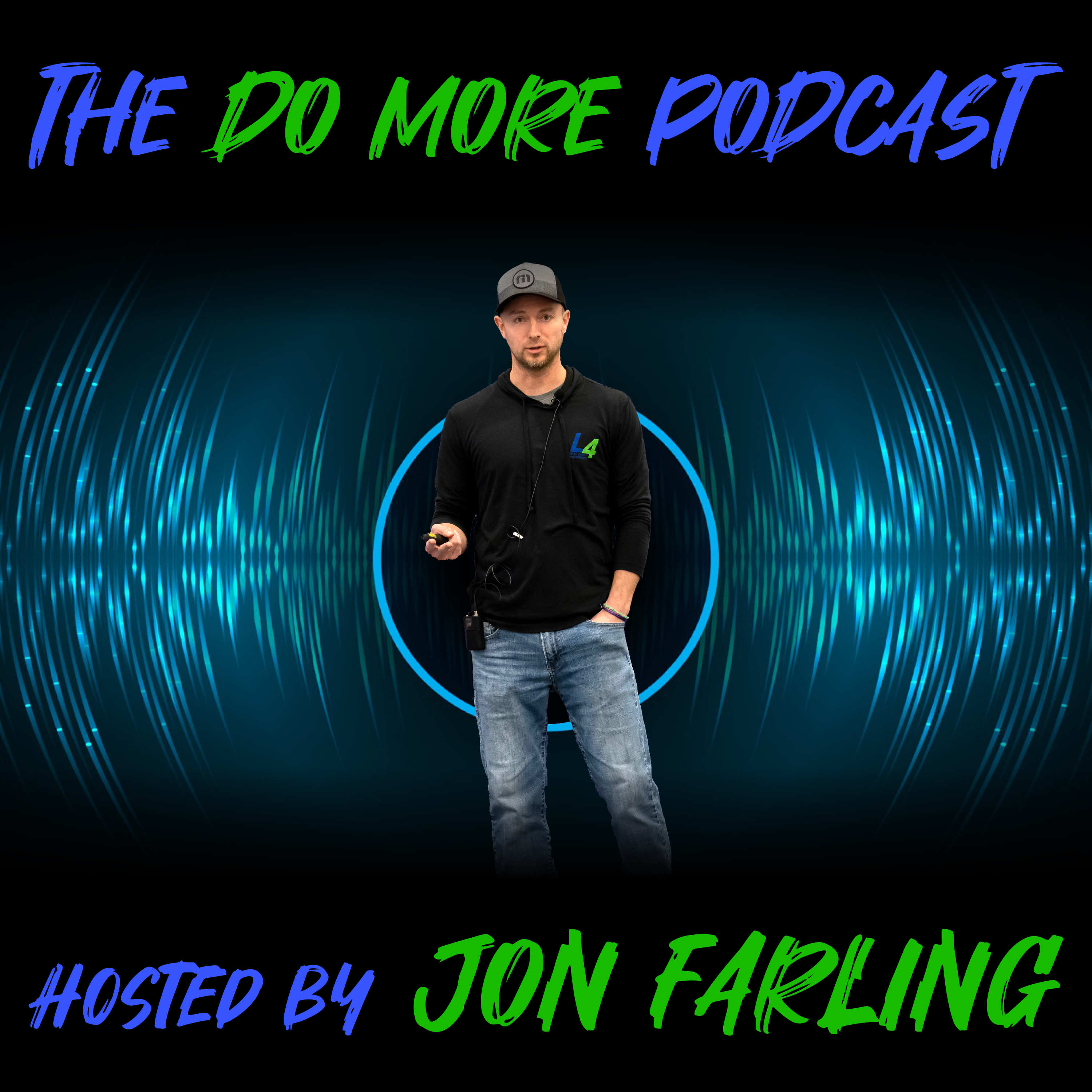
The Do More Podcast
by Jon Farling
Jon Farling shares tips and insights into what’s helped him become successful in the world of real estate investing during and after quitting his 9-5 job. His self-storage portfolio has grown well into 8 figures because of the insights he and his guests will share. Not only will he share tips on his entrepreneurship journey, but also his personal life.
-
146
When did it become cool to not work?
When did it become cool not to work? That’s the burning question we’re tackling today, and trust me, it’s a juicy one. We’ve all seen those folks flaunting their four-hour workweeks and endless vacations, but what about the hard workers who are grinding away? It seems like the pandemic turned the working world upside down, and now some people are celebrating a carefree lifestyle instead of pouring their talents into something meaningful.I’ve got a bit of a rant brewing about how that mindset can be not just misguided, but downright selfish. So whether you’re a hustler or just someone enjoying the fruits of their labor, let’s chat about why it’s crucial to keep pushing the envelope and contribute value to others. Because after all, what’s the point of freedom if you’re just sitting around?
-
145
Top 2 underwriting mistakes people make when deals fail
Understanding the intricacies of real estate investing is crucial, especially in today’s fluctuating market. One of the main points I want to share today is the importance of a solid capital stack and how it can make or break your deals. Many investors stumble by overlooking the stability of their financing, often getting caught up in short-term debt that can lead to serious financial strain down the line.We’re diving into the top two mistakes that can derail your self-storage investments, and I’ll be sharing insights from recent conversations I’ve had with fellow real estate investors that really highlight these pitfalls. Along with that, we’ll discuss the vital role operations play in ensuring your investment thrives, especially when occupancy rates are lower than expected.Stick around as we unpack these important topics that could help you avoid costly missteps in your investment journey.
-
144
From Finance to Storage: Tyler Harper’s Journey Implementing AI While Acquiring 20 Facilities in 6 Months
Tyler Harper joins us to share his journey into the self-storage industry, which has seen remarkable growth under his leadership. Since starting in 2022, Tyler and his team have acquired 26 storage facilities, with a rapid pace of purchasing that has them aiming for one deal a week. He discusses how they transitioned from traditional financing methods, like SBA loans, to more streamlined cash purchases as their operations scaled. A key element of their success is the innovative software they’ve developed, which enhances operational efficiency and integrates AI for call management and vendor oversight.Join us as we delve into the strategies and tools that are reshaping the self-storage landscape, and learn how Tyler’s approach sets them apart from the competition.
-
143
What Actually Happens Behind Closed Doors at a Storage Rebellion Insider Event And Why It Changes Everything
We’re diving into our recent experience at the Storage Rebellion Spring Event, where I had the privilege of leading the Insiders group. The main takeaway from our discussion is just how impactful these gatherings can be for building genuine relationships and learning from each other. This event was particularly special for me, as I transitioned from being a guest to taking a leadership role, which gave me a fresh perspective on the experience. I brought in some incredible speakers and switched up the format to include hands-on workshops, allowing attendees to engage directly with experts. Overall, it reinforced the idea that the real value lies in the connections we make and the shared journey we’re all on in the self-storage industry.
-
142
2 Transitions, 2 Identity Shifts and why Most Entrepreneurs never complete the Journey
We’re diving into the journey of entrepreneurship, focusing on the two major transitions that every entrepreneur faces: leaving the nine-to-five grind and evolving into a true business owner. Many people manage to break free from traditional employment, but a significant number never reach that next level of growth and freedom. I’ve been there, and I share my own experiences about the hurdles of transitioning from being an employee to running my own business. We’ll explore the nitty-gritty details of what holds many people back, such as the fear of scaling, the challenges of delegation, and the mental shifts needed to embrace leadership. Join me as we unpack these critical transitions and discuss why achieving true freedom in your business isn't just about financial independence—it’s about creating a sustainable, self-sufficient enterprise that thrives even when you're not involved in the day-to-day operations.
-
141
18 Storage Facilities Later - Here's what I'd do differently
Buying 18 self-storage facilities comes with its fair share of lessons, and today I’m diving into the top nine mistakes I made along the way. These aren’t just trivial slip-ups; they’re real learning points that have shaped my approach to investing in this space. From skipping crucial physical inspections to not vetting my team adequately, each error taught me something important about the business. I’ll be sharing insights on how a lack of planning can impact site access and the importance of verifying payments after closing—because trust me, those details matter. As we unpack these experiences, I hope you find value in my journey, whether you're just starting out or already navigating the self-storage landscape.
-
140
Unlocking Data: Meet Argo Analytics and Their Game-Changing Solutions
Today, we're diving deep into the world of data analytics with Andrew Schaffen and his team from Argo Analytics. They specialize in automating data processes for medium- to large-sized businesses, helping them streamline their operations and make sense of their data. We discuss their journey, the challenges businesses face with data management, and how they’re addressing these pain points through innovative solutions. Andrew and his team bring a wealth of experience, having worked on various projects that transform complex data into actionable insights. Plus, if you want to reach out to Andrew for more details or to discuss potential collaborations, you can find his contact info in the notes: his phone number is 208-313-5165 and his email is [email protected]
-
139
From Corporate to Storage: Michael's Journey
Michael's journey into real estate has been quite the ride, and in this episode, he shares how he transitioned from a stable corporate job at a blue-chip company to finding success in the self-storage industry. He opens up about his early days, including the ups and downs of investing in real estate through the housing crisis, which ultimately shaped his path. After taking a break from real estate, Michael experienced a pivotal moment during a vacation in Switzerland that reignited his passion for the industry. He dives into the specifics of how he got into storage, including the importance of building relationships and leveraging personal networks to find opportunities. As he reflects on his growth, he also discusses his recent venture into running a driving range, combining his love for business with a desire to create enjoyable experiences for others.
-
138
Self Storage’s #1 threat and how to mitigate your risk
Jon dives into one of the biggest threats facing self-storage operations today: market oversupply. He shares a recent conversation with another self-storage operator about a new facility being built nearby—an example of a growing trend where developments are popping up in already saturated areas. Jon explains how some new operators enter the market with low rates and minimal services, creating pressure on established businesses.He emphasizes the importance of understanding these shifting market dynamics and the impact of new construction when planning strategy. Jon also offers practical ways to stay competitive, including adjusting rental rates, improving customer service, and continuing to scale and refine operations.
-
137
Unlocking Wealth: Tyler Osborne's Legacy Strategies
Tyler Osborne joins Jon to dive into the intricate world of wealth structuring and capital gains strategies. His mission centers on helping entrepreneurs, families, and professional athletes understand the importance of building a lasting legacy, and he brings more than 15 years of experience to the table. Tyler shares his own journey, which took him from a challenging upbringing in San Jose, California, to a successful career in finance, shaped significantly by the lessons he learned through sports. He emphasizes the critical role of discipline and mindset in managing finances, especially for those starting with little. Together, Jon and Tyler also explore practical steps anyone can take to secure their financial future, whether through savings, investments, or strategic planning for generational wealth.
-
136
How Storage Defender can help your Storage Facility
Efrain Fernandez from Storage Defender joins Jon to dive into the innovative world of smart storage solutions. At the heart of their conversation is how Storage Defender is transforming traditional self-storage units into smart units that enhance both security and the tenant experience.Efrain explains how their system allows tenants to receive real-time alerts whenever motion is detected inside their unit, offering a level of peace of mind that hasn’t been possible before. Jon and Efrain also discuss the competitive landscape of the storage industry and how operators can leverage smart technology to drive additional revenue while standing out in an increasingly saturated market.Tune in as they unpack the technology behind these smart devices, explore real-world applications, and discuss why solutions like this are becoming essential for modern storage facilities.
-
135
The Real Talk on AI Disruption and Self Storage
AI is making waves in our everyday lives, and today Jon dives into how it’s impacting the self-storage industry and the job market as a whole. While he doesn’t claim to be an AI expert, he’s been hearing plenty of discussion about its potential to disrupt jobs — and understandably, that can feel overwhelming.In this conversation, Jon explores what these changes could mean for various professions, especially within the self-storage space, where he believes innovation may actually create new business opportunities. Rather than getting caught up in the fear that often surrounds AI, he encourages us to stay informed and proactive.The key takeaway? Instead of resisting change, we should focus on how to adapt and leverage AI as a powerful tool to enhance what we do — all while preserving the human touch that keeps our businesses strong.
-
134
Are you pinching pennies or investing in your business?
Stop being cheap. That’s the main point Jon is diving into today, and it’s something he learned the hard way in his real estate journey.He kicks things off by sharing his early days with single-family rentals, when he thought doing everything himself would save money. But as he quickly found out, that mindset can actually cost you more in the long run.So many entrepreneurs get stuck pinching pennies instead of investing in their businesses and themselves — and that’s a trap. Jon breaks down the importance of recognizing what your time is truly worth, the value of hiring professionals, and how being frugal in the wrong areas can actually slow your growth.This episode is all about shifting your mindset — moving from being cheap to making smart, strategic investments in your future.
-
133
Unlocking the Entrepreneurial Spirit with Mark Young of Zona Health
Today, Jon dives into a conversation with Mark Young from Zona Health, where Mark shares insights that deeply resonate with entrepreneurs and business owners. Mark emphasizes the unique mindset of entrepreneurs, describing them as “absolute nut jobs” for the sometimes illogical paths they choose on their journeys. Jon and Mark explore the challenges and triumphs that come with operating in the wild world of business. Mark’s candid perspective serves as a reminder that while the entrepreneurial life can feel chaotic, it is also filled with powerful opportunities for growth and innovation. Join Jon as he uncovers the motivations and mindset that drive successful entrepreneurs like Mark.
-
132
The top 3 things that helped me scale to 18 Self Storage Facilities
Today, Jon is diving into the top three things that helped him scale to 18 self-storage facilities. This isn’t about bragging—it’s about sharing insights that would have been incredibly valuable to him a few years ago when he was just getting started.First, building a strong foundation in real estate was critical. Jon spent years educating himself and gaining hands-on experience before making his first major move.Second, he focused on acquiring properties within his home state of Ohio. Deep familiarity with local markets and strong relationships with sellers played a significant role in his growth.Finally, Jon emphasizes the importance of consistent action and ongoing education. Success isn’t just about acquisitions—it’s about networking, learning, and staying engaged.By applying these principles, others can begin paving their own path in real estate as well.
-
131
Storage KPI's - What are they and why are they so important
Key performance indicators (KPIs) are essential for measuring success in self-storage—and really, any business. In this episode, Jon dives into why KPIs matter more than ever. Self-storage is no longer just a hobby; it’s a serious business that requires attention to detail and accountability. Jon breaks down how he approaches KPIs by focusing on the big picture, like money collected and cash flow, while his team tracks more granular metrics to ensure strong performance. Together, these KPIs create a clear snapshot of where the business stands and where there’s room for improvement. Whether you’re in self-storage or another industry, understanding and using KPIs can help guide your business in the right direction and keep everyone aligned.
-
130
Rod Khleif's Blueprint for Real Estate Success: Mindset and Action
Rod Khleif joins Jon for an engaging conversation on the power of mindset in achieving success and overcoming adversity. He shares his compelling journey from growing up in a Dutch immigrant family struggling to make ends meet to becoming a multifamily real estate mogul, once owning a portfolio of over 2,000 properties. Rod emphasizes that an astonishing 80–90% of success comes from mindset and psychology—not just the mechanics of business. Throughout the conversation, he reflects on the importance of pushing through challenges, practicing gratitude, and giving back to the community. By the end of the episode, listeners are inspired to tap into their inner drive, set meaningful goals, and embrace growth, no matter the obstacles they face.
-
129
From Pharma to Property: Christine Valdez on Unlocking Real Estate Success
Christine Valdez joins Jon to share her extensive experience in both the pharmaceutical industry and real estate investing. With over 30 years as a regional sales director, Christine has built a diverse portfolio that includes single-family homes in California and Texas, along with multifamily investments and digital marketing ventures.We dive deep into the challenges and strategies of navigating real estate—especially in landlord-unfriendly markets like California—and how she balances a demanding career with her passion for investing. Christine emphasizes the importance of focusing on what you know and love in real estate, avoiding the pitfalls of jumping between asset classes without true mastery. She also shares valuable insights on leadership, personal development, and the importance of giving back, offering a wealth of knowledge for anyone looking to thrive both professionally and personally.
-
128
6 Things that have changed in storage in the past 5 years
Jon dives into six significant changes in the self-storage industry that have emerged since 2021. One of the main points he emphasizes is how the landscape for buying storage facilities has become increasingly challenging; deals that once promised to double in value within a year are now harder to find. He discusses the shift from a focus on rapid value increases to a more cash-flow-oriented approach, highlighting the importance of long-term stability in investments. Jon also reflects on how underwriting now includes a variety of fees that were not considered before, and he stresses the necessity of adapting to current market realities, such as occupancy rates and customer service expectations. Overall, this episode is packed with insights for anyone looking to navigate the evolving world of self-storage investments.
-
127
4 Things I learned from my most recent Storage closing
Closing on a property is never as easy as it looks, and in this episode, Jon dives straight into that reality. He shares his firsthand experience navigating a closing that was far from smooth—made even more stressful by the timing right before Christmas. Jon breaks down the hard truths that surfaced along the way, including why closings are rarely clean and just how critical strong relationships with your team can be. He also highlights key lessons learned, like the value of having a dependable attorney and the importance of persistence when obstacles arise. If you’re in the real estate game, this episode offers insights that could save you time, stress, and a few headaches down the road.
-
126
Are you ALL in?
Jon dives into the idea of going all in on your goals and staying committed for the long haul. He shares his perspective on New Year’s resolutions, noting how they often lose momentum just weeks into the year. Instead, Jon emphasizes the power of setting long-term goals—thinking one, five, or even ten years ahead. Drawing from his own journey in self-storage and real estate investing, he highlights how focus and commitment to a single niche can create momentum over time. As Jon has experienced through his recent deals, when you fully dedicate yourself, opportunities begin to flow more naturally. This conversation explores what it truly means to be all in and how that mindset can reshape the path to long-term success.
-
125
Big Announcement
Navigating the self-storage industry can be daunting, but Jon's latest podcast episode sheds light on some exciting developments within the Storage Rebellion community. As the new leader of the Insiders group, Jon discusses his journey and the inspiration behind stepping into this role. Attending a Storage Rebellion insiders event in Nashville reignited his passion for the community and highlighted the importance of collaboration and knowledge-sharing in achieving success. He shares past experiences with the group and how those connections have propelled their growth as an investor.
-
124
Andrew Freeman of KO Storage - Scaling to over 100 Self Storage Facilities
Learn more about the importance of long-term planning and strategic vision in growing a successful storage business.We’re talking about the world of self-storage with Andrew Freeman, co-founder of KO Storage. Andrew’s journey from e-commerce to self-storage is pretty remarkable, showcasing how he identified an opportunity in a market ripe for innovation and consolidation.We talk about how he turned a struggling 90-unit facility into a thriving operation by rolling up his sleeves and tackling every aspect of the business, which ultimately laid the groundwork for their current success.Andrew also shares insights on the importance of adapting management strategies to different market dynamics and how technology is reshaping the industry. Stick around as we unpack the lessons learned along the way and explore the future of self-storage in an ever-evolving landscape.Takeaways:Andrew shares his journey from e-commerce to self-storage, highlighting the unique opportunities in the industry.The importance of hands-on experience is emphasized, as Andrew details how he personally managed operations during early growth.Andrew discusses the significance of technology in modern self-storage management, noting the shift to automation and remote systems.We highlight the evolving landscape of self-storage and the trend of consolidation among operators in the market.Freeman explains how he transitioned from being directly involved in acquisitions to empowering his team to take over that role.Thanks for following, subscribing and listening to this episode of The Do More podcast hosted by Jon Farling. To learn more or ask questions, go to l4investing.com.https://creativecommons.org/licenses/by-nd/4.0/The Do More Podcast
-
123
Navigating Business During a Recession: Lessons from Ian Noble
Ian Noble shares his journey from working in his family's dry cleaning business to becoming a successful entrepreneur and real estate investor. He discusses how he took over the business during a recession and navigated challenges like COVID-19, ultimately leading to a successful exit. Ian emphasizes the importance of hard work and adapting to changing market conditions, highlighting how his experience in dry cleaning laid the groundwork for his venture into real estate. He talks about the dynamics of mobile home parks and syndications, explaining how these investments can be a smart strategy for building wealth and providing affordable housing. Free Passive Investing in Real Estate Cheat Sheet: https://go.runsteadyinvestments.com/do-more-podcastJoin My Passive Investor Mailing List: runsteadyinvestments.com/investor-clubLinkedIn: www.linkedin.com/in/iannoble1/Instagram: @ian_investsTakeaways: Ian Noble shares his journey from a family-run dry cleaning business to real estate investing, emphasizing the importance of hard work and learning every position. He discusses the impact of the 2008 recession on career decisions, illustrating how networking opened doors and shaped his entrepreneurial path. Noble highlights the benefits of mobile home parks as an investment strategy, focusing on their supply cap and stability in affordable housing markets. A significant lesson from his experience is the importance of vetting investment partners thoroughly to ensure alignment of values and objectives. He stresses the emotional challenges entrepreneurs face during transitions, especially after selling a business and finding a new purpose in life. Noble's approach to syndications showcases how he combines personal experience with due diligence to guide others in real estate investments.Thanks for following, subscribing and listening to this episode of The Do More podcast hosted by Jon Farling. To learn more or ask questions, go to l4investing.com.The Do More Podcast https://creativecommons.org/licenses/by-nd/4.0/
-
122
The Secrets of Short Term Rentals with Madeline Raiford-Holland
Madeleine Raiford-Holland is shaking things up in the world of short-term rentals, and she’s here to share her journey with us. After stepping away from a demanding corporate role as a COO, she went into the short-term rental market. She saw incredible success, quickly scaling to manage 20 properties while spending less than an hour a week on the business. We’ll explore how she leverages automation and smart systems to create a hands-off operation, making it easier for others to step into this lucrative space. Madeleine also discusses the financial and tax advantages of short-term rentals, including the “short-term rental tax loophole” that can significantly benefit high-income earners. Join us as we unpack her insights, strategies, and tips for those looking to break into the short-term rental game.Takeaways: Madeleine Raiford-Holland transitioned from being a COO to managing short term rentals to create a legacy for her family. She emphasizes the importance of automation and processes in running a short term rental business effectively and efficiently. Investing in short term rentals can yield significant cash flow and tax benefits if managed properly. Choosing the right market for short term rentals can lead to higher occupancy rates, even in less popular locations like Athens, Georgia. The short term rental tax loophole allows owners to offset active income, making it a strategic investment for high earners. By focusing on self-management and using technology, hosts can retain more profit and streamline operations in the short term rental space. Links referenced in this episode:L4Investing.commadeleineraifordholland.cominstagram.com/madeleineraifordhollandThe Do More Podcast https://creativecommons.org/licenses/by-nd/4.0/
-
121
From Night Shift to Self Storage: Mike Perkins's Journey to Freedom
On the brink of leaving his nine-to-five job, we learn about Mike Perkin's inspiring journey from law enforcement to self-storage entrepreneurship. Mike shares how he transitioned from a stressful career in police work to seeking freedom through business ownership. After years of hard work and persistence, including nearly two years of cold calling before landing his first deal, he’s now managing two self-storage facilities, one in Georgia and another in Missouri. What stands out is Mike's approach to education and action; he emphasizes that taking immediate steps is key to success, as he learned from our previous conversations. We wrap up with a discussion about the importance of maintaining balance in life while pursuing passion, as Mike reflects on his health journey along the way.Takeaways: Mike Perkins shares his journey from law enforcement to the self-storage industry, highlighting the pivotal decision to leave his stressful job for a more balanced life. He explains how he became obsessed with learning about self-storage, dedicating countless hours to education while working a full-time night shift job. The importance of persistence is emphasized, as Mike reveals it took nearly two years of cold calling before he closed his first deal in the self-storage market. Mike discusses the significance of relationships in finding deals, showcasing how networking and communication can open doors in the competitive business landscape. The episode explores the mental challenges faced during the entrepreneurial journey, particularly the importance of maintaining a positive mindset and resilience amid setbacks. Mike highlights the necessity of taking action after education, stating that true learning occurs when one applies knowledge and engages actively in the business. Thanks for following, subscribing and listening to this episode of The Do More podcast hosted by Jon Farling. To learn more or ask questions, go to l4investing.com.The Do More Podcast https://creativecommons.org/licenses/by-nd/4.0/
-
120
Michael Redd II - Getting started as a young Entrepreneur
Michael Redd II joins us to share his journey as the son of NBA Hall of Famer Michael Redd and his passion for aviation. You'll learn how he discovered his path away from basketball and into aircraft brokerage, establishing his own company, Essor Jet Sales.Michael talks about the insights he gained while shadowing industry professionals and how he leveraged those experiences to start his own business at a young age. He emphasizes the importance of asking for opportunities and the power of networking, which helped him connect with key players in the aviation field. As he looks ahead, Michael shares his ambitious vision for growing his brokerage into one of the leading firms in the industry, blending traditional sales strategies with innovative technology.Takeaways: Michael Redd II shares his journey from basketball to aircraft brokerage, emphasizing the importance of following one's passion. Growing up as the son of an NBA Hall of Famer, Michael discusses the unique pressures and expectations placed on him. Michael explains how he decided to step away from basketball to pursue an aviation career, highlighting his love for the industry. He emphasizes the role of networking and mentorship in his career development, showcasing how he reached out to industry professionals for guidance. The conversation touches on the challenges of navigating relationships and expectations in light of his father's fame. Michael expresses confidence in building his own aircraft brokerage, aiming to leverage technology to innovate in the aviation sales space. Thanks for following, subscribing and listening to this episode of The Do More podcast hosted by Jon Farling. To learn more or ask questions, go to l4investing.com.The Do More Podcast
-
119
Why is Obsession considered a Bad Thing?
I look at the nuances of obsession, what it means to find your passion, and how it can set you apart from the crowd.Obsession can often get a bad rap, but I'm here to argue that it can actually be a powerful force for good. Being obsessed with the right things—like personal growth, business, or even hobbies—can lead to incredible achievements and satisfaction. I reflect on my experiences as a parent and a business owner, sharing how my own "obsession" with tools like ChatGPT helps me improve not just my work, but my life overall. I explore the difference between mere interest and true obsession, emphasizing how that distinction can be the key to hitting our goals. Takeaways: Obsession can actually be a positive force in our lives if focused on the right things. Being labeled as obsessed by others may simply indicate a deep passion for what we do. The line between interest and obsession is crucial for achieving our goals and dreams. Many people reach out with interest, but only a few are truly obsessed and take action. The Do More Podcast https://creativecommons.org/licenses/by-nd/4.0/
-
118
Founder of Atlas Protein Bars, James Oliver
If you’ve ever wondered what goes into making a killer protein bar or starting a business from scratch, this episode is full of tips and stories you’ll definitely want to hear!Today, we’re jumping into the awesome story of James Oliver, the guy behind Atlas Bars—a brand known for its high-protein, low-sugar snack bars made with super clean ingredients. James opens up about launching his business right after college because he wanted more freedom and was passionate about making snacks that actually fit his own diet. He talks honestly about the ups and downs he’s faced, like how crucial it is to keep your mindset in check as an entrepreneur and why learning from all kinds of feedback really matters. We also get into what makes Atlas Bars different from everything else out there—their unique ingredients and their serious focus on quality and health. Takeaways: Starting a business often stems from a personal need, as seen with Atlas Bars. Entrepreneurs must manage their own psychology, balancing freedom with the weight of responsibility. Sourcing high-quality ingredients globally is crucial for maintaining product integrity and taste. Customer retention is driven by consistent quality and addressing feedback effectively to improve products. The landscape of entrepreneurship favors lean operations and technology to maximize efficiency. Understanding the difference between theoretical knowledge and practical experience is vital for entrepreneurs. Links referenced in this episode:atlasbars.comvitacost.comThanks for following, subscribing and listening to this episode of The Do More podcast hosted by Jon Farling. To learn more or ask questions, go to l4investing.com.The Do More Podcast
-
117
What Type of Investor are You?
Let’s break down the pros and cons of cash flow versus equity gains, and help you figure out which route aligns best with your goals.Understanding the type of investor you want to be is crucial, especially when diving into real estate. Today, I’m sharing insights on the two main paths you can take: chasing predictable cash flow or aiming for those big equity pops. Whether you're working a 9-to-5 or already leaning into entrepreneurship, it's vital to know what you're looking for in your investments. We’ll explore how each approach can impact your financial freedom and what that means for your long-term strategy. Takeaways: Understanding what type of investor you want to be is crucial for success in real estate. There are two main paths in real estate investing: focusing on cash flow or aiming for equity pops. Predictable cash flow provides financial stability and allows you to automate your investments more effectively. Investing in properties for cash flow often requires a more conservative approach to ensure long-term success. The Do More Podcast https://creativecommons.org/licenses/by-nd/4.0/
-
116
Top Influencers I Follow to Become More Valuable
Today, I'm diving into the top social media influencers I follow and why they matter. It's all about getting value from our feeds instead of just mindlessly doomscrolling. I’ve got a list of 15 or so people who consistently provide insights that I find relatable and actionable, whether it's about business, mindset, or just life in general. For me, engaging with their content feels like reading a good book or listening to a podcast—it's all about learning and growing. I’ll share who these influencers are and what makes them stand out, hoping you'll find some new voices to follow that resonate with you too.Takeaways: In the podcast, I discuss how social media should be used to gain valuable information, rather than just scrolling mindlessly. I emphasize the importance of following influencers who provide insights and knowledge in areas like business and mindset. Throughout the episode, I share a list of my top influencers, highlighting their unique contributions to my learning process. I talk about how social media allows us to quickly filter through content, making it easier to find what truly resonates with us. The influencers I mention range from real estate experts to mindset coaches, each offering valuable strategies and perspectives. Lastly, I encourage listeners to reach out with recommendations for AI influencers that can help in our learning journey. Thanks for following, subscribing and listening to this episode of The Do More podcast hosted by Jon Farling. To learn more or ask questions, go to l4investing.com.https://creativecommons.org/licenses/by-nd/4.0/The Do More Podcast
-
115
Day in the Life of a Self Storage Investor
I'm giving you a peek into my daily life as a real estate investor and entrepreneur, where time freedom plays a huge role. I'll walk you through my typical day—from morning workouts to spending quality time with family and handling business tasks. My routine is organized but flexible, helping me juggle work commitments and personal happiness. I can't stress enough how having a solid team and good systems lets me concentrate on planning big moves while keeping everything running smoothly day-to-day. So come along as I share insights from others that have influenced how I tackle productivity and success in both business and life!Takeaways: In this episode, we explore how to achieve time freedom while managing responsibilities effectively, particularly in entrepreneurship. We discuss the importance of having a structured daily schedule to balance work and family commitments successfully. The value of maintaining a healthy lifestyle through exercise and personal development is emphasized throughout the conversation. I share my insights on the significance of teamwork and communication in running a business effectively and efficiently. Networking plays a crucial role in entrepreneurship, and I highlight the benefits of having regular calls with other professionals. Finally, I explain how reflecting on daily goals and gratitude can lead to a more fulfilling and productive life. Thanks for following, subscribing and listening to this episode of The Do More podcast hosted by Jon Farling. To learn more or ask questions, go to l4investing.com.The Do More Podcast https://creativecommons.org/licenses/by-nd/4.0/
-
114
The #1 Trait Successful People Have
I talk about how belief is the top trait among successful people. It might sound simple, but it's a game-changer not just in business but in life overall. I share some personal stories about my journey from being a hesitant athlete to becoming a confident player, thanks to mentors who believed in me. This belief has been key in my ventures, especially with self-storage and real estate investing, where trusting myself has helped me tackle challenges head-on. Bottom line: building strong self-belief is crucial for success and overcoming hurdles, no matter what you're doing.Takeaways: Belief in oneself is the foundational trait that distinguishes successful individuals in all areas of life. Growth in personal belief often requires external validation, as demonstrated through my experience with Coach Frost. The journey from self-doubt to self-belief involves hard work and perseverance across various endeavors. It is crucial to assess whether you genuinely believe in your capabilities to achieve your goals. Success requires both belief and hard work; without belief, achieving your goals becomes significantly tougher. Belief can be cultivated over time through experiences and support from mentors or coaches. The Do More Podcast https://creativecommons.org/licenses/by-nd/4.0/
-
113
Example of a BRRRR Self Storage Deal
Today, I talk more about the concept of the BRRRR strategy in self-storage investments, outlining how it has shaped my real estate journey. The BRRRR strategy stands for Buy, Rehab, Rent, Refinance, and Repeat, and serves as a powerful tool for generating equity in properties. I share a practical example from a recent deal in which I acquired two self-storage properties for $3.35 million, illustrating how I leveraged equity from an existing property to finance this new acquisition. Through this process, I highlight the importance of understanding financing options and the nuances of valuation in commercial real estate, particularly in the self-storage sector, where value is derived from operational income rather than comparables. Ultimately, I emphasize that substantial equity gains do not always require doubling a property's value, but rather focusing on effective cash flow and strategic refinancing can lead to significant financial success.Takeaways: The BRRRR strategy involves buying, rehabbing, renting, refinancing, and repeating to build wealth. In commercial real estate, asset value is determined by net operating income rather than comparable sales. An example of a successful Burr deal illustrates extracting equity to finance new property purchases. Investors should focus on cash flow rather than solely aiming to double property values for success. Securing the right financing options, like SBA loans, can greatly enhance investment opportunities. Long-term planning is essential in real estate to adapt to changing market conditions and financing terms. The Do More Podcast Thanks for following, subscribing and listening to this episode of The Do More podcast hosted by Jon Farling. To learn more or ask questions, go to l4investing.com.https://creativecommons.org/licenses/by-nd/4.0/
-
112
Words Matter
Words and thoughts hold significant power, shaping our inner dialogues and influencing our realities. In this episode, I talk about the significance of positive self-talk and its profound impact on our lives, particularly regarding real estate investing and entrepreneurship. I draw from personal experiences and observations, emphasizing how often we gravitate toward negative narratives and the need to consciously shift our focus to the positive aspects of our lives. I share insights on how even small changes in our mindset can lead to substantial improvements, both professionally and personally. Ultimately, I encourage you to be mindful of the language you use with yourself and others, as it directly correlates to the outcomes you experience.Takeaways: In this episode, I explore how our thoughts and words significantly impact our mindset, especially in real estate and entrepreneurship. I discuss the importance of focusing on positivity instead of negativity, which can greatly influence our overall outlook on life. The podcast emphasizes that self-talk matters; it shapes our actions and reactions in everyday situations as well as our business endeavors. I share personal experiences of overcoming fears through positive affirmations, illustrating how mindset shifts can lead to improved outcomes in our lives. I address societal perceptions about wealth and how negative beliefs can hold individuals back from achieving financial success and abundance. Lastly, I stress the importance of consuming positive content to foster a constructive mindset, as what we feed our minds eventually reflects in our actions. The Do More Podcast https://creativecommons.org/licenses/by-nd/4.0/
-
111
How I've Acquired 14 Self Storage Facilities without Raising Money
This episode is a comprehensive overview of the strategies I've employed, the lessons learned, and how I navigated challenges to reach my current position in the self-storage market.I share my journey of acquiring 14 self-storage facilities over the past decade, offering insights into my unique approach to real estate investing. Many people believe they must raise capital from outside sources to succeed in this field, but I emphasize that it's possible to leverage personal finances and bank loans effectively. My path began in 2014, motivated by the need for supplementary income after the birth of my daughter, and it gradually led me to explore various investment opportunities. Through careful financial planning, utilizing home equity, and strategic decision-making, I've been able to scale my investments significantly while maintaining ownership of my assets. Takeaways: The journey to acquiring 14 self-storage facilities began in 2014, focusing on strategic investments. I utilized a combination of personal savings, HELOC, and bank loans to finance my real estate ventures. By analyzing market trends, I noticed that while home values appreciated, rental prices often lagged behind. The importance of learning from each investment experience helped me streamline operations and enhance cash flow. The Do More Podcast https://creativecommons.org/licenses/by-nd/4.0/
-
110
Thoughts on the Current Market
Interest rates are all over the map. Investors are getting cold feet. I've been talking to a lot of people in the business. There's a sense of uncertainty hanging in the air. Deals are not getting done like they used to. It's mainly because people are waiting for the moment to make a move. The thing is, that moment might never come. I think investors need to be prepared to take a chance and make some decisions, even if things aren't exactly as they'd like them to be. Waiting around for everything to fall into place can mean missing out on some opportunities.In today's credit crunch, people are finding ways to finance their projects. One option that's becoming more popular is seller financing, where the seller acts as the bank and lends the buyer the money to purchase the property. This approach is gaining ground as an alternative to financing methods.I think it's crucial to find your niche in the real estate market. When you focus on an area, like self-storage or single-family rentals, you get a feel for what's going on in that market and how to run your investments efficiently. This approach doesn't just help you make decisions; it also makes you more resilient when the market takes a hit. I've seen many people let fear dictate their investment choices, which is why I believe in taking a proactive approach. Trying new things, exploring different strategies, and not being afraid to think outside the box. By doing you're more likely to stay ahead of the curve and find opportunities that others might miss.I want to stress how important it is to be learning and adapting when it comes to real estate investing. The market is always on the move, and people who stay on top of things and are willing to adjust can put themselves in a spot to take advantage of opportunities. I hope people will stay involved, look for ways to invest, and take on the challenges that come with each downturn or upswing. Because more often than not, it's the people who are willing to change and try new things who end up succeeding.Takeaways: In the current real estate market, it's crucial to stay informed yet not overwhelmed with information that doesn't directly impact your investment decisions. Interest rates are anticipated to decrease slightly, but it's essential to maintain focus on your investment strategies regardless of these fluctuations. Many investors are hesitant to act due to market uncertainty, which presents opportunities for those willing to take calculated risks. Creative financing options, such as seller financing, are becoming increasingly vital as traditional financing methods tighten in the current economic climate. Continuous rent adjustments and value-add strategies are necessary to ensure cash flow stability amid rising expenses and tighter budgets. Staying focused on your niche and refining your operations can lead to greater success in any market condition, especially during downturns. Links referenced in this episode:thedomorepodcast.comL4Investing.comThe Do More Podcast https://creativecommons.org/licenses/by-nd/4.0/
-
109
Passive Income Strategies with Chris Miles: A Path to Financial Independence
Chris Miles, an expert in financial freedom, joins us to discuss how to break free from the traditional financial system that often leaves people feeling trapped. Chris shares his journey from being a financial advisor to becoming an advocate for alternative investments and passive income strategies, emphasizing the importance of being "work optional." He highlights the common misconceptions surrounding 401(k)s and traditional saving methods, arguing that they may not be the best path to true financial independence. By focusing on creating cash flow and diversifying investments, Chris provides actionable insights for listeners looking to improve their financial situations. Join us as we explore innovative strategies to achieve financial freedom and how to avoid the pitfalls of conventional financial wisdom.Takeaways: Chris Miles emphasizes the importance of creating passive income that allows individuals to become work optional, shifting focus from mere saving to generating wealth. The traditional financial advice of saving through 401(k)s may not lead to true financial freedom, as many find themselves still dependent on work in retirement. Miles shares his personal journey of transitioning from a financial advisor to a real estate investor, illustrating the flaws he found in conventional financial planning. Achieving financial independence requires a shift in mindset, where one prioritizes liquidity and smart investments over locking money away in retirement accounts. The conversation highlights that true financial freedom is not just about accumulating wealth but about making informed decisions that allow for lifestyle choices. Miles advises that people should focus on increasing their income and managing their finances wisely, rather than merely cutting expenses. Links referenced in this episode:money ripples.coml4investing.comThe Do More Podcast https://creativecommons.org/licenses/by-nd/4.0/
-
108
Understanding what Financial Freedom really is
I want to start off by saying a heartfelt thank you to all of you who tune in. It means so much to me that you’re here, and I’d like to take a few minutes to reflect on how far this podcast has come and the amazing growth we’ve experienced together.Honestly, it’s your support—sharing episodes, leaving reviews, telling friends—that’s fueled this whole journey. The fact that you trust me enough to listen regularly is something I never take for granted, and I’m incredibly grateful for the connection we’ve built.So, as I get into today’s topic, I want to talk about something that a lot of aspiring investors find both inspiring and mysterious: financial freedom. My aim is to break it down, clear up the confusion, and show you it’s actually more achievable than you might think.Here’s how I define financial freedom: it’s being able to cover your monthly expenses using the cash flow from your assets, instead of relying solely on a traditional job. I encourage you to think about your own situation—do you know exactly what your expenses are every month? A lot of people don’t, and that’s a big roadblock to making progress financially. So, I always recommend starting with a good, honest look at your finances. Make a simple balance sheet: list out your assets and liabilities so you can see where you stand. It’s not just an academic exercise—it’s the first real step toward making smart decisions with your money and your lifestyle.As I go further, I want to touch on the different ways people try to reach financial freedom. For example, flipping houses might sound like a quick path to riches, but it’s often risky and unstable. I actually prefer steady, passive income streams—like the ones I’ve built through self-storage investing. There’s a big difference between owning a job and running a business that makes money whether you’re working or not.By the end of this episode, my hope is that you’ll feel a little clearer on what financial freedom is and how you can start moving toward it. And, as always, if you have questions or just want to talk, please reach out. We’re all in this together, and I’d love to help however I can as we work toward financial empowerment as a community.Takeaways: Understanding financial freedom requires a clear grasp of your monthly expenses and income sources. Creating a personal balance sheet is essential to track assets, liabilities, and net worth effectively. Passive income streams are crucial for achieving financial independence without relying solely on a job. It's important to differentiate between owning a job and being financially free in your investments. Investing in real estate can be a pathway to financial freedom, but caution is advised with market fluctuations. Building a cash flow system involves diversifying income sources to ensure stability during challenging times. Links referenced in this episode:thedomorepodcast.comL4Investing.comThe Do More Podcast https://creativecommons.org/licenses/by-nd/4.0/
-
107
Mastering the Market: Scott Durham on Flipping Houses and Short-Term Rentals
Scott Durham joins me to share his journey in the real estate investment world, emphasizing the importance of persistence and strategy in achieving success. With 20 years of experience, Scott transitioned from a successful real estate agent to a house flipper and rental property investor. He discusses how his background in real estate sales provided him with a unique advantage in finding lucrative deals, particularly through online leads. Scott's approach to flipping houses includes acquiring properties at a discount, renovating them, and leveraging the cash flow from short-term rentals. He highlights how having a solid foundation of cash-flowing properties offers a safety net, particularly in an uncertain market. We talk about the challenges of finding good contractors and navigating a changing real estate landscape, all while maintaining a focus on disciplined investment practices that prioritize quality over quantity.Takeaways: Scott Durham's journey in real estate spans over 20 years, evolving from a top agent to a successful house flipper. He emphasizes the importance of persistence and utilizing one's expertise as a realtor to create personal investment opportunities. In today’s market, finding motivated sellers is easier than in recent years, despite rising lead costs. Durham highlights the necessity of networking with contractors and having a reliable team for successful property flips. He employs AI tools to analyze potential deals, showcasing how technology can enhance real estate investment strategies. The discussion stresses making informed buying decisions, as success in real estate largely hinges on purchasing properties at the right price. The Do More Podcast https://creativecommons.org/licenses/by-nd/4.0/
-
106
Flint Jamison's Path from Boeing to Multifamily Properties
Flint Jamison joins me to share his remarkable journey from aerospace engineer to real estate investor, specifically focusing on multifamily and medical office spaces. We get into Flint's pivotal role in designing the wing structure of the Boeing 787, showcasing how his engineering background laid the groundwork for his later ventures. Flint describes the challenges he faced in the high-stress world of aerospace engineering, which ultimately led him to seek a more fulfilling career in real estate. He discusses his transition into real estate investment, detailing his experiences with a duplex and how they shaped his strategies moving forward. Flint emphasizes the importance of diversifying investments and shares insights on navigating the current uncertain market conditions, including the strategies he employs to mitigate risks in his portfolio.Takeaways: Flint Jamison transitioned from aerospace engineering to real estate investment after 20 years, seeking a more fulfilling life. The engineering field is high-stress and time-intensive, often requiring personal sacrifices that affect family life. Real estate investment offers diverse opportunities for income generation, including tax advantages and stable returns. Flint's first real estate venture was a duplex that taught him valuable lessons about property management and tenant relations. He now focuses on medical office space and multifamily apartments, leveraging partnerships for diversified investments. Flint emphasizes the importance of networking and building relationships to find lucrative real estate deals. Links referenced in this episode:vestascapital.cominvestwithflint.coml4investing.comThe Do More Podcast https://creativecommons.org/licenses/by-nd/4.0/
-
105
Learning to Lose
I wanted to discuss why I believe facing challenges directly is so crucial, particularly when it comes to personal growth. I’ve got a story about my son and his time in a three-on-three basketball league that really drives this home. His team was up against older, stronger players, and let’s just say they took quite a few losses. It could’ve been a real downer, but honestly, I’ve seen how those tough games pushed them to get so much better—both in their skills and in bouncing back from setbacks.I can’t help but think about what this means for all of us, you know? So often, schools and even us parents focus on keeping things safe and comfy for kids, but are we missing out on the big lessons that come from competing and even failing sometimes? I really believe we need to take more risks and embrace the hard stuff, whether it’s on the court or just in everyday life. Those challenges are what shape us and help us grow. What do you think—have you seen this play out in your own experiences? Takeaways: In youth sports, competition often overshadows the importance of skill development and teamwork. Challenging children with difficult opponents can lead to significant growth and improvement. Losing is a valuable learning experience that teaches resilience and the importance of effort. We should encourage taking risks in life, as growth often comes from facing challenges. The societal tendency to avoid challenges prevents personal development and skill enhancement. Parents and coaches must focus on the process of learning rather than just winning games. Links referenced in this episode:thedomorepodcast.coml4andbThe Do More Podcast https://creativecommons.org/licenses/by-nd/4.0/
-
104
Unlocking the Secrets of Self Storage with Bree Hartman
Bree Hartman joins me in this episode to discuss the transformative journey of entrepreneurship and the world of self-storage investing. One of the main points we explore is how pivoting and adaptability are essential traits for business success. Bree shares her personal story, which includes a significant transition from a career in state wildlife management to owning and operating multiple storage facilities. We talk about the importance of taking risks, learning from failures, and the crucial role of mindset in navigating challenges. Additionally, Bree emphasizes the value of community and mentorship in the self-storage industry, highlighting how her experiences have shaped her approach to business and personal growth. This conversation not only sheds light on the practical aspects of investing in storage facilities, but also, I hope, will inspire you to embrace your own entrepreneurial journeys.Takeaways: Bree Hartman emphasizes the importance of embracing pivots in life, stating that growth and change are essential for personal and professional development. She shares her journey from being a field biologist to a successful entrepreneur, illustrating how her diverse experiences led her to the self-storage industry. Bree discusses the significance of delegating responsibilities in business to allow for growth, stressing that releasing control can lead to improved performance. The concept of using AI tools, like Swivel, is highlighted as a way to enhance customer service and operational efficiency in the storage industry. Bree notes that many entrepreneurs struggle with the fear of failure, but emphasizes the importance of betting on oneself and taking calculated risks to achieve success. The conversation reveals that personal growth often involves discomfort and the ability to adapt to challenges, which ultimately shapes one's journey as an entrepreneur. Links referenced in this episode:l4investing.cominstagram.com/bree.theinvestorThe Do More Podcast
-
103
The Evolution of Real Estate Investing: Lessons from Russell Nersesov
Russell Nersesov joins me to discuss his journey from being a chiropractor to becoming a managing partner of Safe Storage USA and Flex Park Partners. In this episode, we examine the strategic shift from traditional real estate investments to self-storage and now flex spaces, showcasing the evolving landscape of the real estate market. Russell shares insights on the challenges and opportunities that come with these transitions, particularly in the current economic climate where interest rates have significantly changed. We talk about the importance of building a strong network and the necessity of adapting investment strategies to ensure sustainable growth. As we navigate through these topics, listeners will gain valuable perspectives on the dynamics of real estate investment and the critical factors influencing decision-making in this field.Takeaways: In this episode, Russell Nersesov shares his transformative journey from being a licensed chiropractor to becoming a managing partner in the self-storage and flex space sectors. The discussion highlights the importance of adaptability in real estate investment, particularly in response to market changes and economic pressures. Russell emphasizes the strategic decision-making process behind their pivot from self-storage to flex space, focusing on emerging opportunities in the market. You are encouraged to consider the nuances of long-term real estate holding strategies, as opposed to the more transactional approach often seen in syndication. The episode covers the significance of building a reliable network in real estate, underscoring that success often hinges on collaborative efforts within the industry. Russell discusses the innovative approach of combining real estate investments with cryptocurrency, particularly Bitcoin, to diversify and enhance investment portfolios. Links referenced in this episode:safestorageusa.comsafestorageinvestors.comL4Investing.comThe Do More Podcast
-
102
Building Business Credit: Strategies for Success with Jimmy Rios
Jimmy Rios, founder of Rios Business Advisors, joins me to discuss the evolution of his advisory firm and the crucial lessons learned over 25 years in the financial services industry. At the heart of our conversation is the importance of understanding business credit and how it can serve as a vital tool for entrepreneurs looking to transition from traditional employment to business ownership. Rios emphasizes the shift from a consumer-driven mindset to one where individuals view themselves as business owners, capable of leveraging credit and strategic planning to build wealth. We talk about the essential first steps for aspiring business owners, including the significance of mental preparedness and the necessity of a solid financial foundation. Throughout the episode, Rios shares insights on navigating the complexities of buying and selling businesses, highlighting the value of mentorship and well-structured systems for achieving long-term success.Takeaways: Jimmy Rios emphasized the importance of building a business ecosystem that adapts to client needs over 25 years. He shared insights on transforming individuals from consumers to business owners through effective financial strategies. Rios discussed the value of mentorship in navigating the complexities of business ownership and credit management. The episode highlighted the significance of having a clear exit strategy when buying or selling a business. Rios explained how to leverage business credit effectively to facilitate investments and acquisitions. He encouraged listeners to focus on the numbers and details to ensure a strong financial foundation for their ventures. The Do More Podcast Thanks for following, subscribing and listening to this episode of The Do More podcast hosted by Jon Farling. To learn more or ask questions, go to l4investing.com.https://creativecommons.org/licenses/by-nd/4.0/
-
101
Are You an Entrepreneur or Just Employed by Your Business?
Entrepreneurs often mistakenly believe they own a business when, in reality, they may just have a job. This episode explores the crucial distinction between working in a business versus working on it, highlighting that many entrepreneurs often become entangled in daily operations rather than focusing on strategic growth. I explore practical examples, such as house flipping, to illustrate how being involved in the minutiae of operations can hinder long-term success. By sharing my own experiences in self-storage, I highlight the importance of delegation and the use of tools like organizational charts to clarify roles and responsibilities.Ultimately, this discussion aims to empower you to step back from day-to-day tasks, enabling you to concentrate on scaling your business and to foster a more effective work environment.Takeaways: Many entrepreneurs mistakenly believe they own a business, while they are actually just working a job. The distinction between working in your business and working on your business is crucial for growth. Delegation is essential for business owners to focus on the bigger picture and strategic planning. Using an organizational chart can help clarify responsibilities and improve business operations. Entrepreneurs often struggle with delegating tasks because they think they can do everything better themselves. Regularly reviewing your organizational structure can highlight areas for improvement and enhance efficiency. Links referenced in this episode:L4Investing.comThe Do More Podcast https://creativecommons.org/licenses/by-nd/4.0/
-
100
Does Money Really Buy Happiness?
Money does not directly equate to happiness; rather, it serves as a tool that can facilitate a fulfilling life. I explore the nuanced relationship between financial resources and personal well-being, emphasizing that while it is essential to have our basic needs met, happiness often stems from experiences and the goals we pursue. I've shared my own journey from living paycheck to paycheck to understanding the importance of saving and investing, which allowed me to gain financial stability and time freedom. This episode delves into the idea that the fulfillment we derive from our financial journeys is more significant than the money itself. Ultimately, it's about who we become along the way and how we leverage our resources to enrich our lives and those of others.Takeaways: I share personal experiences from my youth, illustrating that meeting basic needs often leads to happiness, regardless of income level. The importance of having a savings cushion is discussed, as it alleviates stress and prevents the cycle of living paycheck to paycheck. We highlight that fulfillment comes from personal growth and achieving goals, rather than simply accumulating wealth or material possessions. The episode emphasizes that while money is a useful tool, true happiness is derived from experiences, relationships, and the person you become through challenges. Ultimately, we conclude that money indirectly contributes to happiness through the freedom it provides to pursue meaningful experiences and personal development. Links referenced in this episode:L4Investing.comhttps://creativecommons.org/licenses/by-nd/4.0/The Do More Podcast
-
99
100th Episode Insights: The Importance of Consistency and Growth
Celebrating our 100th episode, I reflect on the journey and the importance of taking consistent action in achieving success. Many individuals hesitate to act until everything is perfect, but the key takeaway from today's discussion is that taking action, even in a makeshift environment, is crucial. I share insights from past episodes, emphasizing that most successful guests faced significant challenges but found their way by committing to their goals and embracing the learning process that comes with setbacks. As I settle into my new office space, I recognize that growth and fulfillment come not from the quantity of achievements but from the quality of our actions and the lessons we learn along the way. Join me as we explore how to break free from comfort zones and pursue meaningful goals in our personal and professional lives.Takeaways: Reaching the milestone of 100 podcast episodes signifies dedication and persistence in the podcasting journey. Taking action is essential; many individuals hesitate to start due to perfectionism that holds them back from progress. The importance of having a 'big why' and setting substantial goals cannot be overstated in achieving success. Learning from failure is crucial; one must embrace losses to pave the way for future victories in any endeavor. Consistency in actions, even when the process becomes mundane, is vital for mastering any craft or business. It's not the quantity of assets that matters; rather, focus on cash flow and personal fulfillment in your pursuits. Links referenced in this episode:L4Investing.comThe Do More Podcast
-
98
Unlocking Tax Savings: Insights from Cost Segregation Expert Yona Weiss
Cost segregation is a powerful tax strategy that allows property owners to significantly reduce their income tax liability by accelerating depreciation deductions. In this episode, I sit down with Yona Weiss, a renowned expert in cost segregation, to unpack what this strategy entails and how it can benefit real estate investors. Yona explains that cost segregation involves breaking down the components of a property to identify those that depreciate faster than the standard timeline, enabling owners to front-load deductions and improve cash flow. We also discuss the nuances of when cost segregation is appropriate and the potential pitfalls to avoid, particularly regarding property types and holding periods. Listeners will gain valuable insights into the mechanics of cost segregation and how it can be a strategic tool in their real estate investing journey.Takeaways: Cost segregation is a tax strategy that allows property owners to accelerate depreciation, thus reducing taxable income significantly. Yona Weiss explains that cost segregation involves breaking down properties into components that depreciate at different rates, allowing for larger deductions upfront. Investing as a limited partner can be advantageous for those who prefer not to manage properties themselves, as it allows them to focus on their strengths. It's essential to consult with a CPA before implementing cost segregation, as it may not be suitable for every property or investor situation. A key consideration for using cost segregation is whether the property is held long-term or short-term, as flipping properties may not benefit from this strategy. Real estate professionals may leverage cost segregation to offset active income, which can provide substantial tax savings compared to passive investors. Thanks for following, subscribing and listening to this episode of The Do More podcast hosted by Jon Farling. To learn more or ask questions, go to l4investing.com.The Do More Podcast https://creativecommons.org/licenses/by-nd/4.0/
-
97
Setting Goals: The Key to Success in Real Estate and Life
Setting clear and impactful goals is essential for success in both real estate investing and personal development, as highlighted by Jon Farling in this episode. He emphasizes the importance of not only defining our goals but also communicating them to those around us, including family and team members, to foster accountability. Jon reflects on his own journey and the growth that comes from pursuing ambitious objectives, noting that the process can lead to significant personal transformation. He encourages listeners to break their larger goals into manageable steps, illustrating that achieving significant milestones often requires a structured approach and a clear timeline. By understanding our motivations and the impact our goals have on others, we can create a more meaningful path to success.Takeaways: Setting clear goals is crucial for success in both business and personal life, as it provides direction and accountability. Communicating your goals to family and team members can enhance accountability and foster a supportive environment. Breaking down larger goals into smaller, manageable tasks helps in achieving them incrementally, making the process less daunting. It's important to set ambitious goals that inspire growth, as aiming low can limit potential and learning opportunities. Links referenced in this episode:L4Investing.comThe Do More Podcast
We're indexing this podcast's transcripts for the first time — this can take a minute or two. We'll show results as soon as they're ready.
No matches for "" in this podcast's transcripts.
No topics indexed yet for this podcast.
Loading reviews...
ABOUT THIS SHOW
Jon Farling shares tips and insights into what’s helped him become successful in the world of real estate investing during and after quitting his 9-5 job. His self-storage portfolio has grown well into 8 figures because of the insights he and his guests will share. Not only will he share tips on his entrepreneurship journey, but also his personal life.
HOSTED BY
Jon Farling
CATEGORIES
Loading similar podcasts...
URL copied to clipboard!