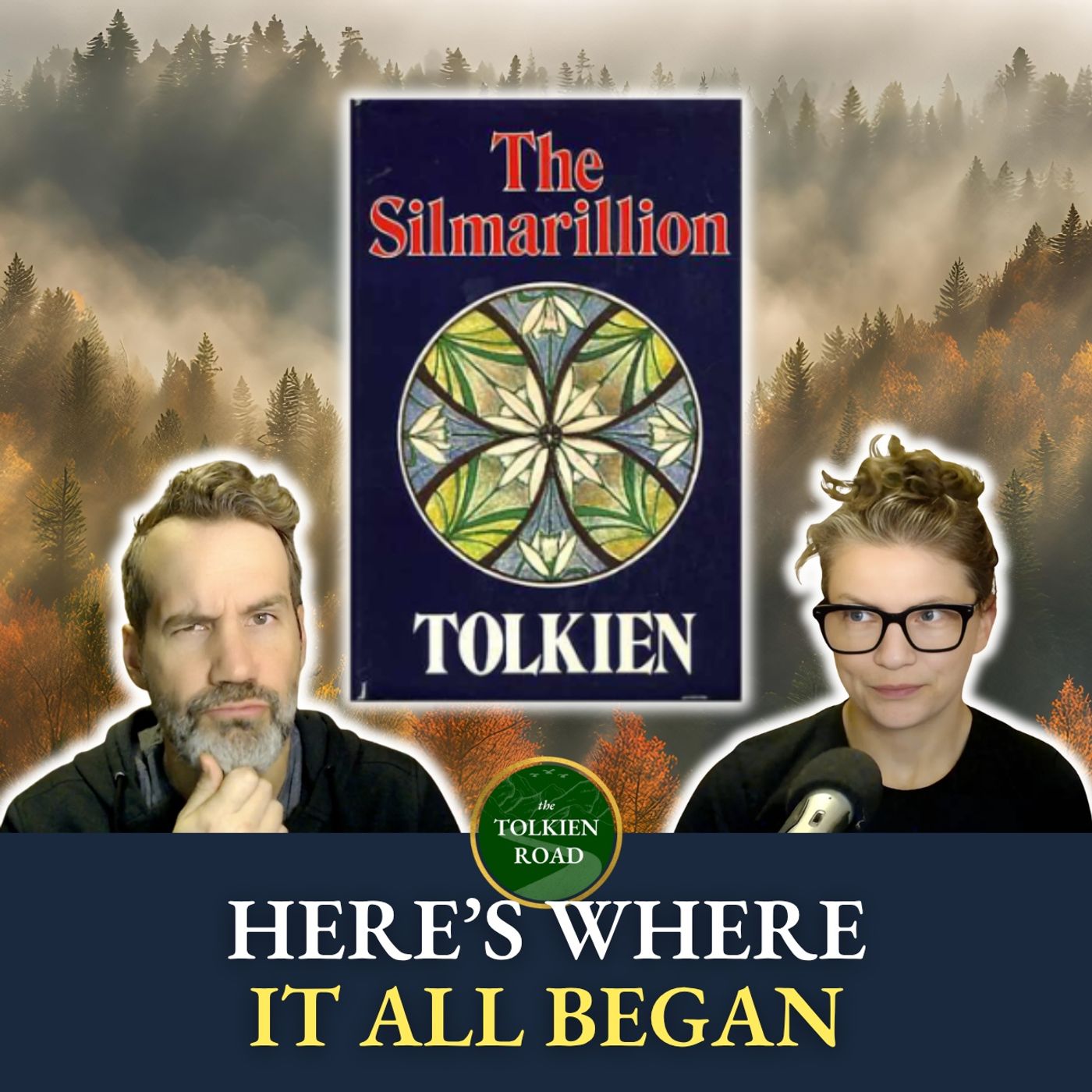
0001 - The Silmarillion - Introduction
from The Tolkien Road Hosted by The Tolkien Road
Why is The Silmarillion so difficult to read—and what exactly are you getting into when you open it for the first time? In the very first episode of Talking Tolkien, John and Greta begin their journey through The Silmarillion by looking at the structure of the book, its relationship to The Hobbit and The Lord of the Rings, and Tolkien’s own explanation of the deeper ideas behind his mythology. ━━━━━━━━━━━━━━ CHAPTERS 00:00 — Introduction to Talking Tolkien 02:36 — Why The Silmarillion Is So Difficult 03:47 — How to Approach It as a First-Time Reader 08:36 — Tolkien’s Long Road to The Silmarillion 09:23 — Why Publishers Wanted Another Hobbit 11:01 — Elrond as a Bridge Between Tolkien’s Worlds 11:54 — How The Lord of the Rings Connects to The Silmarillion 13:06 — Christopher Tolkien and the Published Silmarillion 14:16 — Why the Map Is So Confusing 15:55 — The Structure of The Silmarillion 16:38 — The Valaquenta 17:18 — The Quenta Silmarillion 17:47 — The Akallabêth 21:26 — The First, Second, and Third Ages 22:43 — Genealogies, Pronunciation Guides, and Reference Material 29:25 — Break 31:03 — The Waldman Letter 36:28 — “I Do Not Remember a Time When I Was Not Building It” 1:00:10 — Why Tolkien Felt Compelled to Create 1:01:33 — Fall, Mortality, and the Machine 1:03:25 — Mortality and the Desire to Possess 1:06:22 — What Tolkien Means by “The Machine” 1:10:10 — Art vs. Domination 1:12:12 — Final Thoughts ━━━━━━━━━━━━━━ WHY THE SILMARILLION IS HARD • It does not read like The Hobbit or The Lord of the Rings. • The language can feel elevated, archaic, or biblical. • Readers immediately encounter unfamiliar names, places, peoples, and histories. • There is no Hobbit-like point of view easing us into the world. • Understanding the book’s structure makes it much easier to navigate. Talking Tolkien is designed as a chapter-by-chapter guide that helps readers enter the work without reducing its depth. ━━━━━━━━━━━━━━ HOW IT CONNECTS TO TOLKIEN’S OTHER WORKS Tolkien began developing many of these stories around the First World War, decades before The Hobbit. After The Hobbit became successful, Tolkien wanted to publish his deeper mythology. His publishers wanted another Hobbit story instead. The result was The Lord of the Rings, which became a bridge between the accessible world of The Hobbit and the much older mythology behind The Silmarillion. ━━━━━━━━━━━━━━ THE STRUCTURE OF THE SILMARILLION • The Ainulindalë — the creation of the world through the Music of the Ainur • The Valaquenta — the great spiritual powers who entered the world • The Quenta Silmarillion — the main body of the First Age mythology • The Akallabêth — Númenor and its downfall in the Second Age • Of the Rings of Power and the Third Age — the bridge toward The Hobbit and The Lord of the Rings The genealogies, pronunciation guides, maps, and index are also valuable tools for new readers. ━━━━━━━━━━━━━━ THE WALDMAN LETTER The second half of the episode explores Tolkien’s long explanatory letter to publisher Milton Waldman. The letter reveals just how central the mythology was to Tolkien’s life. He could not remember a time when he was not building it. That leads into a deeper question: why do human beings feel compelled to create? For Tolkien, the artist or storyteller is a sub-creator—someone who makes within a reality that ultimately precedes and exceeds him. ━━━━━━━━━━━━━━ FALL, MORTALITY, AND THE MACHINE Tolkien identifies three major concerns running through his mythology: • Fall • Mortality • The Machine Fall often begins when a creator becomes possessive of what he has made. Mortality creates a desire to preserve, possess, and resist loss. “The Machine” is not merely technology. It is the desire to achieve power quickly and impose one’s will upon the world. ━━━━━━━━━━━━━━ ART VS. DOMINATION Tolkien contrasts genuine art with magic or machinery. Art works with the nature of a thing and develops it. The Machine seeks control. This distinction helps explain Tolkien’s concerns about industrialization, mechanized warfare, and systems built primarily to increase power. The enemy ultimately seeks domination. ━━━━━━━━━━━━━━ THE BIG TAKEAWAY The Silmarillion is difficult because it was never conceived as a conventional modern novel. It is the product of Tolkien’s lifelong attempt to build an entire mythology—complete with languages, creation stories, histories, peoples, tragedies, and ages of the world. Understanding the structure makes the book manageable. Understanding Tolkien’s deeper concerns—creation, mortality, possession, fall, and domination—reveals why these stories mattered so deeply to him. Become a supporter of this podcast: https://www.spreaker.com/podcast/the-tolkien-road--5222755/support.
Embed this episode
No transcript yet.