010 Ragtime, Reversal, and Syncopation episode artwork

EPISODE · Sep 7, 2020 · 37 MIN

010 Ragtime, Reversal, and Syncopation

from Sound Philosophy · host Chadwick Jenkins

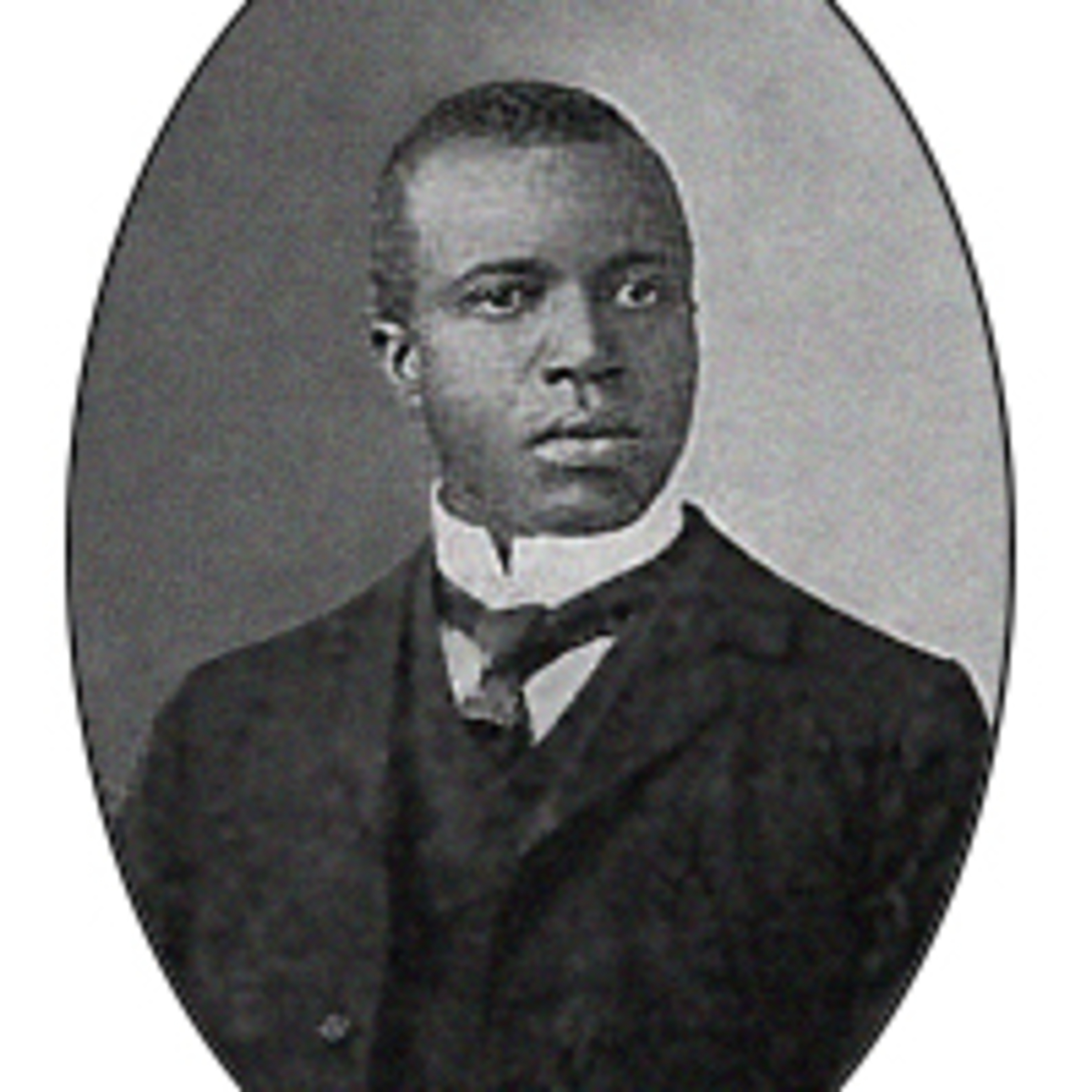
Starting with the reversals of cultural borrowing or appropriation in the cakewalk, this episode examines ragtime and its various inversions or reversals. I discuss the emergence of ragtime out of the coon song with all of its problematic racial representations, the "problem" of Black music at the turn of the 20th century (and the lack of Black musical representation in the official program of the Columbian Exposition),  the efforts of composers such as Scott Joplin to transform ragtime into a quasi-classical form of instrumental music, and the objections voiced by James Weldon Johnson to the "nationalism" of the ragtime craze versus the "racialism" of its origins. The episode concludes with a discussion of syncopation and its eerie corporeality.

Starting with the reversals of cultural borrowing or appropriation in the cakewalk, this episode examines ragtime and its various inversions or reversals. I discuss the emergence of ragtime out of the coon song with all of its problematic racial representations, the "problem" of Black music at the turn of the 20th century (and the lack of Black musical representation in the official program of the Columbian Exposition),  the efforts of composers such as Scott Joplin to transform ragtime into a quasi-classical form of instrumental music, and the objections voiced by James Weldon Johnson to the "nationalism" of the ragtime craze versus the "racialism" of its origins. The episode concludes with a discussion of syncopation and its eerie corporeality.

NOW PLAYING

010 Ragtime, Reversal, and Syncopation

0:00 37:49

No transcript for this episode yet

We transcribe on demand. Request one and we'll notify you when it's ready — usually under 10 minutes.

No similar episodes found.

Rich Dad's Guide to Investing II Robert T. Kiyosaki II Full Audiobook II Robert T. Kiyosaki Investing means different things to different people… and there is a huge difference between passive investing and becoming an active, engaged investor. Rich Dad’s Guide to Investing, one of the three core titles in the Rich Dad Series, covers the basic rules of investing, how to reduce your investment risk, how to convert your earned income into passive income… plus Rich Dad’s 10 Investor Controls.The Rich Dad philosophy makes a key distinction between managing your money and growing it… and understanding key principles of investing is the first step toward creating and growing wealth. This book delivers guidance, not guarantees, to help anyone begin the process of becoming an active investor on the road to financial freedom. Westenberg Joan Westenberg The Westenberg Podcast offers ideas, explainers, book notes, and reflections on technology, philosophy, and the human experience. Hosted by Joan Westenberg, each episode unpacks complex topics with clarity and depth, blending personal insights with thought-provoking analysis. It’s a space for exploring big questions and fresh perspectives in an accessible format. Elevatin' The GetRight Spot & The Love Algorithm Elevatin' The GetRight Spot & The Love Algorithm A podcast that expresses the journey of taking ideas and turning them into a successful website and business. Using an ideology, philosophy and mental science as motivation, we shall Elevate Bodybyloud! and The GetRight Spot. We also inspire everyone to elevate their lives and go after their dreams, desires., and abundance. Song Against Songs, The by G. K. Chesterton (1874 - 1936) LibriVox LibriVox volunteers bring you 9 recordings of The Song Against Songs by G. K. Chesterton. This was the Fortnightly Poetry project for October 16, 2011.Chesterton was a large man, standing 6 feet 4 inches (1.93 m) and weighing around 21 stone (130 kg; 290 lb). His girth gave rise to a famous anecdote. During World War I a lady in London asked why he was not 'out at the Front'; he replied, 'If you go round to the side, you will see that I am.' On another occasion he remarked to his friend George Bernard Shaw: "To look at you, anyone would think a famine had struck England". Shaw retorted, "To look at you, anyone would think you have caused it". P. G. Wodehouse once described a very loud crash as "a sound like Chesterton falling onto a sheet of tin."( Summary from Wikipedia )

Frequently Asked Questions

How long is this episode of Sound Philosophy?

This episode is 37 minutes long.

When was this Sound Philosophy episode published?

This episode was published on September 7, 2020.

What is this episode about?

Starting with the reversals of cultural borrowing or appropriation in the cakewalk, this episode examines ragtime and its various inversions or reversals. I discuss the emergence of ragtime out of the coon song with all of its problematic racial...

Can I download this Sound Philosophy episode?

Yes, you can download this episode by clicking the download button on the episode player, or subscribe to the podcast in your preferred podcast app for automatic downloads.
URL copied to clipboard!