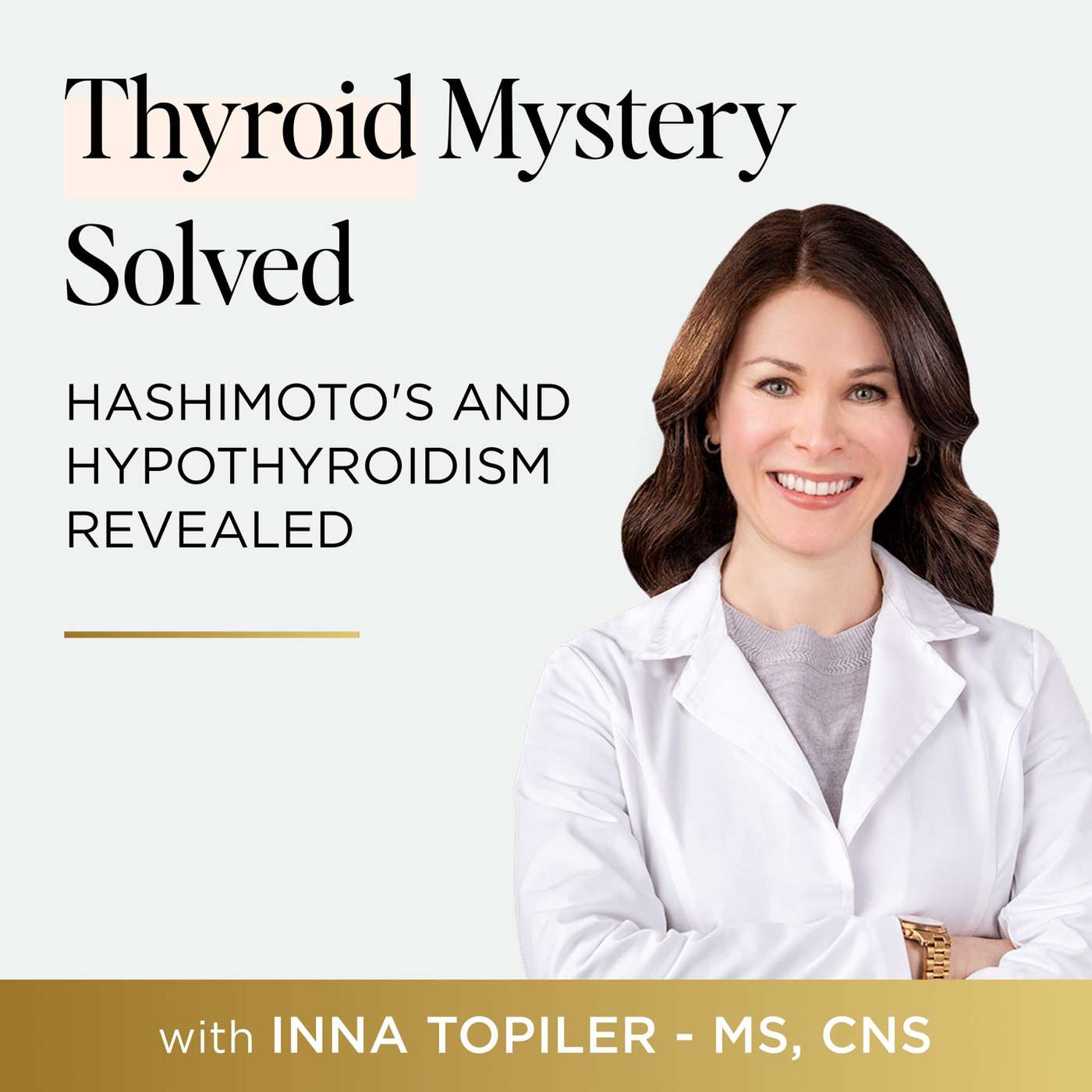
025 The Case of Erratic Heart Palpitations w/ Dr Christopher Kelly episode artwork

EPISODE · Sep 5, 2019 · 34 MIN

025 The Case of Erratic Heart Palpitations w/ Dr Christopher Kelly

from Thyroid Mystery Solved: Hashimoto's and Hypothyroidism Revealed · host Inna Topiler

The Case:  Erica is 37 and was experiencing fast and loud heart palpitations without provocation. These episodes became more frequent causing Erica to fear the worst. She saw several cardiologists who insisted that nothing was wrong.  A racing heart or heart palpitations are described in many ways. Some might say, ‘my heart is beating out of my chest,’ or ‘my heart skipped a beat’. It can also be described as being able to feel your heartbeat in your ears, or like it’s banging against your rib cage. You might even feel like you can’t catch your breath.  However you describe it, it’s scary. We get used to not really noticing our heartbeat - to just knowing that it’s in there, doing its job. So, when we suddenly feel it, we worry that something must be wrong. In some cases, heart palpitations can be a sign of a more serious issue so Erica was right to see her doctor and a cardiologist first.  However, when she came to me with no answers from those specialists, I knew we had to dig a little deeper to get to the root cause of these frightening and erratic heart palpitations.    The Investigation The heart is very responsive to other types of stimulation. When you see a cardiologist, they generally don’t have a lot of time to look into these other causes. Understandably, they focus on major issues or events that are life threatening and if those are not the cause, they may dismiss your concerns as ‘nothing’. But, that doesn’t stop them from happening or make you feel any better about it when it does happen.  Luckily, some cardiologists go beyond the ‘it’s not a heart attack’ diagnosis to get curious about what’s actually going on. One such cardiologist is Dr Christopher Kelly. He practices at the North Carolina Heart and Vascular (part of UNC Health) and is the co-author of the book, Am I Dying?!: A Complete Guide to Your Symptoms--and What to Do Next. I was thrilled to invite him in to discuss Erica’s case.    Could it be a Heart Condition? We know in Erica’s case it wasn’t but how likely for a fairly healthy 37 year old to have a heart condition? Dr. Kelly says that without a pre-existing condition (that you may have been born with) it’s unusual to see heart disease in people under 50. However, he’s seeing a trend where the average age of his patience is getting younger. He attributes this to the American lifestyle which is making people sicker, sooner.    What are Heart Palpitations?  Dr. Kelly describes heart palpitations as an extra beat or a skipped beat,  a racing heartbeat, or your heart beating hard enough that you notice it. Generally this is without explanation. For example, we know that when we are working out or running, we are going to feel our heart beat faster. Or, if we have a scare or we’re understandably nervous, then we know why our heart might be racing. However, heart palpitations can seem to come out of nowhere and for no apparent reason. This is why they are so disconcerting.    How Common are Heart Palpitations? Having a spontaneous, unprovoked heart palpitation occasionally is very common. However, when it seems to be happening regularly, without explanation, this is not common and should have you seeking professional help. The first thing you want to do is rule out that these heart palpitations are not related to heart disease.   What Causes Heart Palpitations? When a heart condition is ruled out, there are several other places that we can look to find a cause for heart palpitations. The heart is very sensitive to a lot of inputs. One of the inputs to the heart is adrenaline which is the fight or flight hormone. We release adrenaline when we are scared, nervous, or excited but we can also release it when we are stressed or experiencing anxiety. In some cases, we may not be fully aware that we are in a state of stress or anxiety but the adrenaline is released anyway which is what can cause the seemingly unexplained heart palpitations.    Heart Palpitations May Be a Side Effect Certain medications may cause heart palpitations. For example, some decongestants (cold or flu medications) actually contain adrenaline stimulants. Likewise, certain medications used to treat attention deficit disorder (like Adderall and Ritalin) also stimulate the heart.    Does Coffee Cause Heart Palpitations? Coffee and many teas contain caffeine which does stimulate the heart. Excess caffeine intake can cause heart palpitations. So, what is considered too much coffee? That depends on the individual as some people are more sensitive than others to the stimulant. Each person is going to discover their limits when they drink so much caffeine that it causes their heart to race.   Heart Palpitations When Pregnant When a woman becomes pregnant, in addition to having to supply blood to her own body, the heart has to pump blood to the placenta and the fetus. This can cause the heart to work overtime and this can cause the heart to race or skip a beat.    When Heart Palpitations Mean Something Bigger There are other conditions that can cause heart palpitations. One condition is anemia. This causes heart palpitations because in this state, there is a low number of red blood cells in your body. When your body is not making a normal amount of blood, your heart has to work harder to pump the blood in order to deliver enough oxygen to the rest of your body.  Hyperthyroidism is another condition that can cause the heart to race. The thyroid gland controls your metabolism. When it is overactive, it can overstimulate the metabolic process which can cause heart palpitations. This same thing can occur for people who are treating an underactive thyroid (hypothyroidism) especially if it is caused by Hashimoto’s disease because then thyroid production tends to fluctuate.    Tracking Heart Activity One of the best ways to determine the root cause of heart palpitations (if it has been ruled out as a heart condition by a doctor) is to track when you have episodes.  Keeping a diary involves writing down things like the time that it started, what you were doing (or thinking about), and how long it lasted. This can reveal a pattern and the cause. If possible, also include your pulse rate in the diary and note any irregularities in the rhythm. If you don’t have a smartwatch or fitbit that tracks your pulse, Dr. Kelly explains how to do this manually in the podcast.   Worsening Symptoms If left unaddressed, heart palpitations can become more frequent or become more intense (some people say that their racing heart is so forceful it actually hurts). For some people, heart palpitations interrupt the flow of blood so much that it can affect the blood pressure and cause light-headedness or even loss of consciousness. If this is the case, it’s not something to be ignored. Look at eliminating potential causes (including caffeine and stress) and speak to your doctor about what may be causing heart palpitations as a side effect. Be sure to bring your heart diary to your doctor appointment!   Treating Heart Palpitations The treatment for erratic heart palpitations depends entirely on the cause of the palpitations. If through journaling you can see that your heart palpitations are related to stress, worry, or anxiety then one of the key things you can do to treat your racing heart is to take deep breaths...

The Case:  Erica is 37 and was experiencing fast and loud heart palpitations without provocation. These episodes became more frequent causing Erica to fear the worst. She saw several cardiologists who insisted that nothing was wrong.  A racing heart or heart palpitations are described in many ways. Some might say, ‘my heart is beating out of my chest,’ or ‘my heart skipped a beat’. It can also be described as being able to feel your heartbeat in your ears, or like it’s banging against your rib cage. You might even feel like you can’t catch your breath.  However you describe it, it’s scary. We get used to not really noticing our heartbeat - to just knowing that it’s in there, doing its job. So, when we suddenly feel it, we worry that something must be wrong. In some cases, heart palpitations can be a sign of a more serious issue so Erica was right to see her doctor and a cardiologist first.  However, when she came to me with no answers from those specialists, I knew we had to dig a little deeper to get to the root cause of these frightening and erratic heart palpitations.    The Investigation The heart is very responsive to other types of stimulation. When you see a cardiologist, they generally don’t have a lot of time to look into these other causes. Understandably, they focus on major issues or events that are life threatening and if those are not the cause, they may dismiss your concerns as ‘nothing’. But, that doesn’t stop them from happening or make you feel any better about it when it does happen.  Luckily, some cardiologists go beyond the ‘it’s not a heart attack’ diagnosis to get curious about what’s actually going on. One such cardiologist is Dr Christopher Kelly. He practices at the North Carolina Heart and Vascular (part of UNC Health) and is the co-author of the book, Am I Dying?!: A Complete Guide to Your Symptoms--and What to Do Next. I was thrilled to invite him in to discuss Erica’s case.    Could it be a Heart Condition? We know in Erica’s case it wasn’t but how likely for a fairly healthy 37 year old to have a heart condition? Dr. Kelly says that without a pre-existing condition (that you may have been born with) it’s unusual to see heart disease in people under 50. However, he’s seeing a trend where the average age of his patience is getting younger. He attributes this to the American lifestyle which is making people sicker, sooner.    What are Heart Palpitations?  Dr. Kelly describes heart palpitations as an extra beat or a skipped beat,  a racing heartbeat, or your heart beating hard enough that you notice it. Generally this is without explanation. For example, we know that when we are working out or running, we are going to feel our heart beat faster. Or, if we have a scare or we’re understandably nervous, then we know why our heart might be racing. However, heart palpitations can seem to come out of nowhere and for no apparent reason. This is why they are so disconcerting.    How Common are Heart Palpitations? Having a spontaneous, unprovoked heart palpitation occasionally is very common. However, when it seems to be happening regularly, without explanation, this is not common and should have you seeking professional help. The first thing you want to do is rule out that these heart palpitations are not related to heart disease.   What Causes Heart Palpitations? When a heart condition is ruled out, there are several other places that we can look to find a cause for heart palpitations. The heart is very sensitive to a lot of inputs. One of the inputs to the heart is adrenaline which is the fight or flight hormone. We release adrenaline when we are scared, nervous, or excited but we can also release it when we are stressed or experiencing anxiety. In some cases, we may not be fully aware that we are in a state of stress or anxiety but the adrenaline is released anyway which is what can cause the seemingly unexplained heart palpitations.    Heart Palpitations May Be a Side Effect Certain medications may cause heart palpitations. For example, some decongestants (cold or flu medications) actually contain adrenaline stimulants. Likewise, certain medications used to treat attention deficit disorder (like Adderall and Ritalin) also stimulate the heart.    Does Coffee Cause Heart Palpitations? Coffee and many teas contain caffeine which does stimulate the heart. Excess caffeine intake can cause heart palpitations. So, what is considered too much coffee? That depends on the individual as some people are more sensitive than others to the stimulant. Each person is going to discover their limits when they drink so much caffeine that it causes their heart to race.   Heart Palpitations When Pregnant When a woman becomes pregnant, in addition to having to supply blood to her own body, the heart has to pump blood to the placenta and the fetus. This can cause the heart to work overtime and this can cause the heart to race or skip a beat.    When Heart Palpitations Mean Something Bigger There are ot...

NOW PLAYING

025 The Case of Erratic Heart Palpitations w/ Dr Christopher Kelly

0:00 34:00

No transcript for this episode yet

We transcribe on demand. Request one and we'll notify you when it's ready — usually under 10 minutes.

MG Show MG Show The MG Show, hosted by Jeffrey Pedersen and Shannon Townsend, is a leading alternative media platform dedicated to uncovering the truth behind today’s most pressing political issues. Launched in 2019, the show has grown exponentially, offering unfiltered insights, comprehensive research, and real-time analysis. With a commitment to independent journalism and factual integrity, the MG Show empowers its audience with knowledge and encourages active participation in the political discourse. Breaking News Show | eTurboNews Juergen Thomas Steinmetz News is relevant to the global travel and tourism industry, human rights and global issues.Breaking news when it happens and only from the source. Eat to Live Jenna Fuhrman, Dr. Fuhrman Our health is our most precious gift and smart nutrition can change your life. Each month, join Dr. Fuhrman and his daughter, Jenna Fuhrman as they discuss important topics in the world of nutrition. Eat to Live will change the way you eat and think about food. French Your Way Jessica: Native French teacher founder of French Your Way Boost your French listening skills and test your comprehension with this one of a kind series of podcasts. Get the chance to listen to a real conversation between native speakers talking at normal speed AND customise your learning experience through carefully designed sets of questions (2 levels of difficulty) available for download at www.frenchvoicespodcast.com. All interviews also come with the transcript. French teacher Jessica interviews native speakers of French from around the world who share a bit of their life and passion. Where else would you meet in one same place a French yoga teacher based in Melbourne, a soap manufacturer from Provence, or a couple cycling around the world?

Frequently Asked Questions

How long is this episode of Thyroid Mystery Solved: Hashimoto's and Hypothyroidism Revealed?

This episode is 34 minutes long.

When was this Thyroid Mystery Solved: Hashimoto's and Hypothyroidism Revealed episode published?

This episode was published on September 5, 2019.

What is this episode about?

The Case:  Erica is 37 and was experiencing fast and loud heart palpitations without provocation. These episodes became more frequent causing Erica to fear the worst. She saw several cardiologists who insisted that nothing was wrong.  A racing...

Can I download this Thyroid Mystery Solved: Hashimoto's and Hypothyroidism Revealed episode?

Yes, you can download this episode by clicking the download button on the episode player, or subscribe to the podcast in your preferred podcast app for automatic downloads.
URL copied to clipboard!