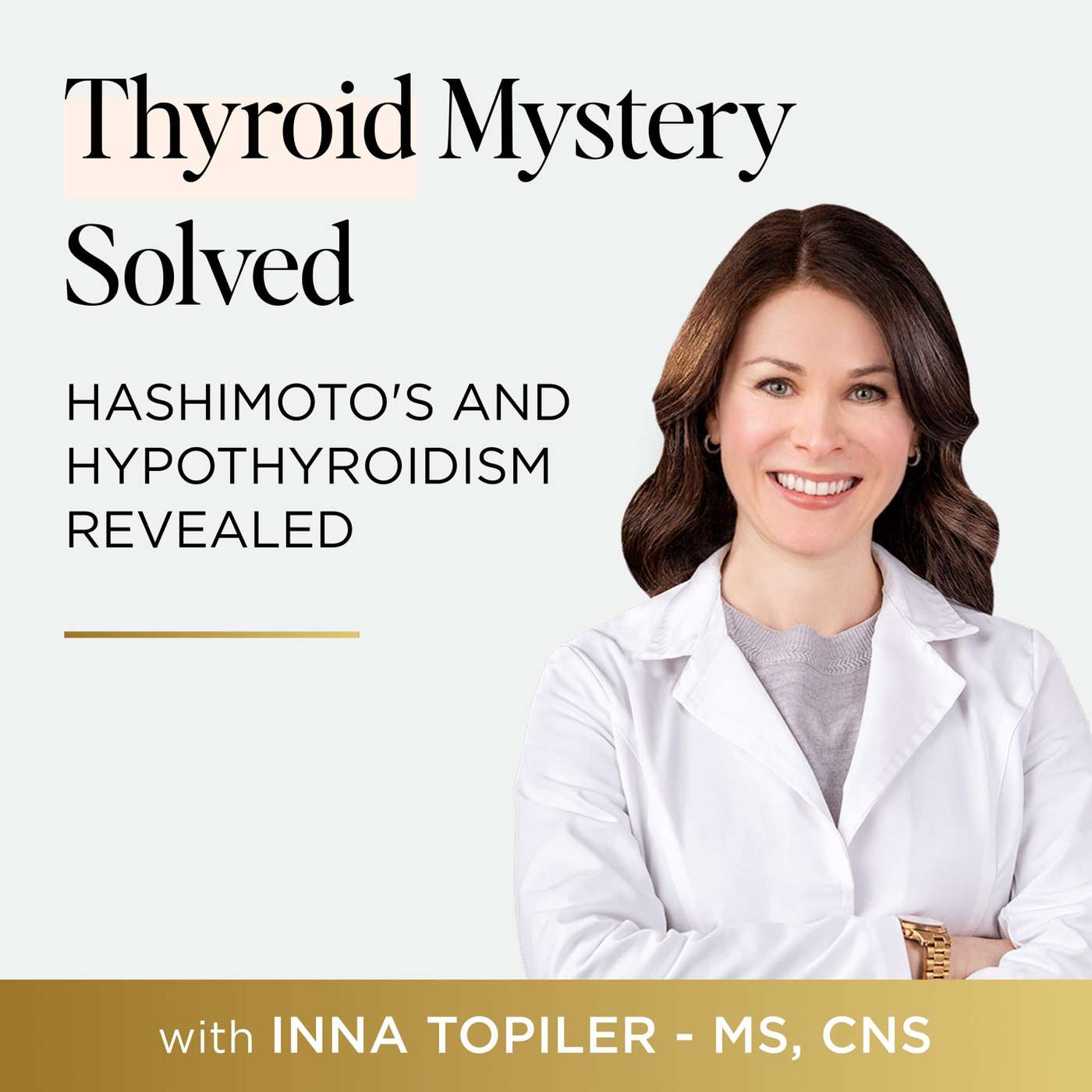
054 The Case of Chronic Acne and Skin Irritation w/ Dr. Trevor Cates episode artwork

EPISODE · Apr 9, 2020 · 47 MIN

054 The Case of Chronic Acne and Skin Irritation w/ Dr. Trevor Cates

from Thyroid Mystery Solved: Hashimoto's and Hypothyroidism Revealed · host Inna Topiler

The Case:  Amy is 31 and has been dealing with tons of skin issues for a decade.  She experiences acne, dry/oily patches, cysts, and generally red, bumpy skin. She tried the birth control pill, oral antibiotics, antibacterial soap, and tons of prescription creams.   The Investigation Many people don’t connect their nutrition to their skin condition but when I met Amy, she told me about digestive issues she was having and I knew this was where we needed to start the investigation into her skin issues.  When it comes to skin and natural health, it felt obvious to turn to Dr. Trevor Cates. She was the first woman licensed as a naturopathic doctor in the state of California. She wrote the Amazon bestselling book Clean Skin From Within. She is known as The Spa Doctor and developed a skin care line under the same name.    Skin Warning Signs Dr. Cates says that all too often, when we have something out of balance with our skin, the traditional method of treating it is to suppress it with, for example, a steroid cream. They don’t tend to look for the cause. And so, the issue continues to manifest with different (and worsening) symptoms over time that experts may not track back to the initial skin issue. The skin is sending a message that something else is wrong. Erasing the message doesn’t change the fact that something is wrong internally.    Hormonal Issues Presenting with Skin Conditions There are a number of hormonal concerns that may show up first as skin conditions. Hormonal issues with estrogen, progesterone, thyroid, adrenal hormones and more have symptoms related to the skin. For example, sex hormone changes can cause acne, dull skin and premature aging in skin. Thyroid issues can cause dry skin or oily skin depending on the issue. Dr. Cates calls inflammation affecting the skin ‘skinflammation’. This is when you have internal inflammation and it shows up on the skin. This might be caused by hormonal imbalances.    Nutritional Deficiencies and Skin Issues Various nutritional deficiencies show up as skin conditions. In fact, doctors will also look to the skin first to determine if there might be a deficiency or poor nutritional absorption at play. Zinc, essential fatty acids, iron and B vitamin deficiencies all present as skin issues.    Skin Microbiome Our gut microbiome can also affect the condition of our skin. In addition, the skin itself has its own microbiome. The skin has an organization of microorganisms that live on the skin and keep it healthy and disease free. When it is in balance, we have glowing skin that ages gracefully.    Testing the Skin Microbiome Unlike testing the gut microbiome balance, there aren’t any true tests for determining the balance of your skin microbiome or microbiota levels. One of the reasons for this is that the state of your skin is affected day to day by your environment. If you have pets in your home, if your space is clean or dirty, if you use antimicrobial agents or cleaning products with certain chemicals - your skin is immediately affected. Researchers focus on testing the pores around the nose, but one of the best ways to determine the health of your skin microbiome is to look at the condition it’s in. If you’ve got dryness, dullness, breakouts, redness or irritation, then the microbiome is likely out of balance.    Protecting the Skin Microbiome There are things that can definitely interfere with the balance of the skin microbiome. Dr. Cates points to our overly germophobic society as part of the problem. Overuse (or unnecessary use) of hand sanitizers, antimicrobial soaps, antibiotics (internally and externally), antibacterial cleaning products, and other toxic chemicals in our cleaning routine can all negatively impact the microbiome balance. She suggests using them only when necessary.    Probiotics on the Skin Maintaining a balanced gut microbiome (by ensuring the body is getting enough probiotics) will help the health of skin (a healthy gut leads to healthy skin). Do we also need to apply probiotics to our skin to support a healthy skin microbiome? Dr. Cates says that probiotics in skin products is a bit of a trend right now but our skin doesn’t work like our gut. If people do get good results by using probiotic skin products, it’s more likely to do with the acidic nature of probiotics. The skin has a natural mild acidity to it but many products used on the skin have a very high pH. Soaps, cleansers, even water can strip the skin of natural oils and disrupt the pH balance of the skin.    Ingredients to Avoid in Skincare Products Dr. Cates has spent many years formulating her skincare line. There are several things she suggests you watch for in your skincare products. The first is an ingredient called Dimethicone which you might spot in lotions, creams and various forms of makeup. It is often added because it ‘traps moisture’ which can result in the skin appearing dewy and moist. However, it doesn’t allow the skin to breathe which can lead to an imbalance of bacteria on the skin. Dimethicone is not considered toxic (so it often doesn’t get flagged) but it can be harmful to the skin microbiome.   Another category of ingredients to avoid are hormone or endocrine disrupting chemicals. Common to watch for include the general term ‘fragrance’, diethyl phthalates, and oxybenzone.  These bind to hormone receptors in the body (because the skin is a delivery system to the internal cells) and can mimic hormones. Extensive use of these chemicals in skincare products may be why we are seeing a rise in hormone related diseases like hypothyroidism.  Dr. Cates recommends using the resource EWG.org (Environmental Working Group’s database of products that contain toxins or common allergens) to find healthy skin care products.    Healthy Skincare Regime Maintaining healthy skin requires a daily routine that includes cleansing (not with a soap that is going to create an unhealthy pH level), a serum that can rapidly deliver antioxidants into the skin, a moisturizer and sunscreen.  You can also incorporate a hydrating or purifying mask and gentle exfoliant once or twice a week to support skin cell turnover.    Mystery Solved Before I could really look at Amy’s skin issues, I had to find out if it might be related to her digestive issues. We started with a stool test and saw a ton of dysbiosis.  I put Amy on an elimination diet and worked on cleaning up her gut. We used digestive enzymes and bitters to help her better digest her food based on her test results and a combination of biofilm disruptors and antimicrobials that have both anti-bacterial and anti-parasitic characteristics to address the imbalance. She took Oil of Oregano, Silvercilin, Micro-gone and Allicilin along with Interface for the biofilm. We then added a strong probiotic, Orthobiotic 225 along with

The Case:  Amy is 31 and has been dealing with tons of skin issues for a decade.  She experiences acne, dry/oily patches, cysts, and generally red, bumpy skin. She tried the birth control pill, oral antibiotics, antibacterial soap, and tons of prescription creams.   The Investigation Many people don’t connect their nutrition to their skin condition but when I met Amy, she told me about digestive issues she was having and I knew this was where we needed to start the investigation into her skin issues.  When it comes to skin and natural health, it felt obvious to turn to Dr. Trevor Cates. She was the first woman licensed as a naturopathic doctor in the state of California. She wrote the Amazon bestselling book Clean Skin From Within. She is known as The Spa Doctor and developed a skin care line under the same name.    Skin Warning Signs Dr. Cates says that all too often, when we have something out of balance with our skin, the traditional method of treating it is to suppress it with, for example, a steroid cream. They don’t tend to look for the cause. And so, the issue continues to manifest with different (and worsening) symptoms over time that experts may not track back to the initial skin issue. The skin is sending a message that something else is wrong. Erasing the message doesn’t change the fact that something is wrong internally.    Hormonal Issues Presenting with Skin Conditions There are a number of hormonal concerns that may show up first as skin conditions. Hormonal issues with estrogen, progesterone, thyroid, adrenal hormones and more have symptoms related to the skin. For example, sex hormone changes can cause acne, dull skin and premature aging in skin. Thyroid issues can cause dry skin or oily skin depending on the issue. Dr. Cates calls inflammation affecting the skin ‘skinflammation’. This is when you have internal inflammation and it shows up on the skin. This might be caused by hormonal imbalances.    Nutritional Deficiencies and Skin Issues Various nutritional deficiencies show up as skin conditions. In fact, doctors will also look to the skin first to determine if there might be a deficiency or poor nutritional absorption at play. Zinc, essential fatty acids, iron and B vitamin deficiencies all present as skin issues.    Skin Microbiome Our gut microbiome can also affect the condition of our skin. In addition, the skin itself has its own microbiome. The skin has an organization of microorganisms that live on the skin and keep it healthy and disease free. When it is in balance, we have glowing skin that ages gracefully.    Testing the Skin Microbiome Unlike testing the gut microbiome balance, there aren’t any true tests for determining the balance of your skin microbiome or microbiota levels. One of the reasons for this is that the state of your skin is affected day to day by your environment. If you have pets in your home, if your space is clean or dirty, if you use antimicrobial agents or cleaning products with certain chemicals - your skin is immediately affected. Researchers focus on testing the pores around the nose, but one of the best ways to determine the health of your skin microbiome is to look at the condition it’s in. If you’ve got dryness, dullness, breakouts, redness or irritation, then the microbiome is likely out of balance.    Protecting the Skin Microbiome There are things that can definitely interfere with the balance of the skin microbiome. Dr. Cates points to our overly germophobic society as part of the problem. Overuse (or unnecessary use) of hand sanitizers, antimicrobial soaps, antibiotics (internally and externally), antibacterial cleaning products, and other toxic chemicals in our cleaning routine can all negatively impact the microbiome balance. She suggests using them only when necessary.    Probiotics on the Skin Maintaining a balanced gut microbiome (by ensuring the body is getting enough probiotics) will help the health of skin (a healthy gut leads to healthy skin). Do we also need to apply probiotics to our skin to support a healthy skin microbiome? Dr. Cates says that probiotics in skin products is a bit of a trend right now but our skin doesn’t work like our gut. If people do get good results by using probiotic skin products, it’s more likely to do with the acidic nature of probiotics. The skin has a natural mild acidity to it but many products used on the skin have a very high pH. Soaps, cleansers, even water can strip the skin of natural oils and disrupt the pH balance of the skin.    Ingredients to Avoid in Skincare Products Dr. Cates has spent many years formulating her skincare line. There are several things she suggests you watch for in your skincare products. The first is an ingredient called Dimethicone which you might spot in lotions, creams and various forms of makeup. It is often added because it ‘traps moisture’ which can result in the skin appearing dewy and moist. However, it doesn’t allow the skin to breathe which can lead to an imbalan...

NOW PLAYING

054 The Case of Chronic Acne and Skin Irritation w/ Dr. Trevor Cates

0:00 47:24

No transcript for this episode yet

We transcribe on demand. Request one and we'll notify you when it's ready — usually under 10 minutes.

MG Show MG Show The MG Show, hosted by Jeffrey Pedersen and Shannon Townsend, is a leading alternative media platform dedicated to uncovering the truth behind today’s most pressing political issues. Launched in 2019, the show has grown exponentially, offering unfiltered insights, comprehensive research, and real-time analysis. With a commitment to independent journalism and factual integrity, the MG Show empowers its audience with knowledge and encourages active participation in the political discourse. Breaking News Show | eTurboNews Juergen Thomas Steinmetz News is relevant to the global travel and tourism industry, human rights and global issues.Breaking news when it happens and only from the source. Eat to Live Jenna Fuhrman, Dr. Fuhrman Our health is our most precious gift and smart nutrition can change your life. Each month, join Dr. Fuhrman and his daughter, Jenna Fuhrman as they discuss important topics in the world of nutrition. Eat to Live will change the way you eat and think about food. French Your Way Jessica: Native French teacher founder of French Your Way Boost your French listening skills and test your comprehension with this one of a kind series of podcasts. Get the chance to listen to a real conversation between native speakers talking at normal speed AND customise your learning experience through carefully designed sets of questions (2 levels of difficulty) available for download at www.frenchvoicespodcast.com. All interviews also come with the transcript. French teacher Jessica interviews native speakers of French from around the world who share a bit of their life and passion. Where else would you meet in one same place a French yoga teacher based in Melbourne, a soap manufacturer from Provence, or a couple cycling around the world?

Frequently Asked Questions

How long is this episode of Thyroid Mystery Solved: Hashimoto's and Hypothyroidism Revealed?

This episode is 47 minutes long.

When was this Thyroid Mystery Solved: Hashimoto's and Hypothyroidism Revealed episode published?

This episode was published on April 9, 2020.

What is this episode about?

The Case:  Amy is 31 and has been dealing with tons of skin issues for a decade.  She experiences acne, dry/oily patches, cysts, and generally red, bumpy skin. She tried the birth control pill, oral antibiotics, antibacterial soap, and tons of...

Can I download this Thyroid Mystery Solved: Hashimoto's and Hypothyroidism Revealed episode?

Yes, you can download this episode by clicking the download button on the episode player, or subscribe to the podcast in your preferred podcast app for automatic downloads.
URL copied to clipboard!