
EPISODE · Jun 30, 2026 · 8 MIN
071: fluttering petals of grace meditation
from Evolution Medicine: Meditations for mind, body and spirit - by Sonya Lazarevic MD · host Sonya Lazarevic MD, MS
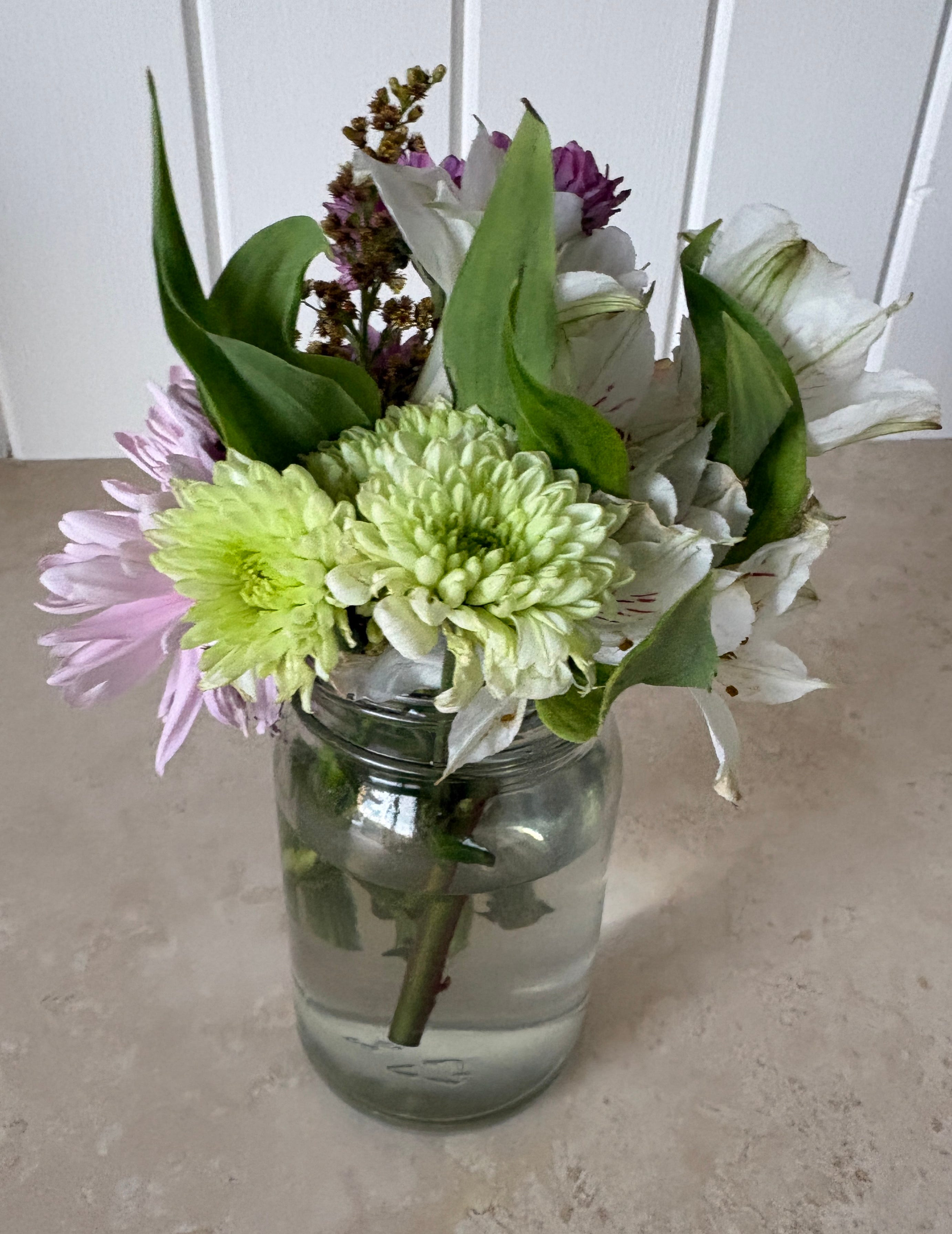
Deal Listeners, It’s been another interesting and, in many ways, adventurous month since I last wrote.I’ve been thinking a lot about the healing process—and how basic some of its foundations are. Proper nutrition. Minimizing sugars and caffeine. Restorative sleep. Hydration. Supporting the body in returning to homeostasis, rather than overwhelming it. Even supplementation, at least for me, has felt most useful when kept simple and intentional.During and after antibiotics, I made sure to include probiotics, but also focused on foods that support the gut. I paid attention to hydration in a way that felt almost like a daily practice. And then there were the less measurable, but equally essential elements: connection with others, a sense of humor, and the effort to maintain a grounded, realistic—but not overly negative—perspective.Healing as a Relational ExperienceAt some point, it became clear to me that no matter who is on your care team, and no matter how skilled they are, there is a layer of healing that is fundamentally a relationship between you and yourself. Even with family, friends or neighbors who help — this process boils down to something deeply personal. Even Spiritual. Its not a “solo” journey—that sounds too isolating…. diagnosis, guidance, and support matter from all those around you—but rather it is an intimate journey- with yourself. Finding Agency Part of that relationship is learning the language of your own body. Understanding what is normal for you. Neither overreacting or dismissing what matters. For example, I know my baseline complete blood count (CBC). I’ve repeated it over time, not out of anxiety, but out of curiosity and awareness. I had to learn what my ‘normal was’. Having this knowledge allows me to understand how my immune system behaves, so that when something shifts, I have context. And that can be communicated. Not everyone has medical training, but I’ve seen many patients (of mine) become remarkably informed and engaged in their own care. They ask thoughtful questions. They learn. They participate. They decided to learn what they could and it made a difference for them. That participation changes the experience of illness. It transforms you from a passive recipient into an active participant. A Crisis Reveals What I noticed most during this experience—now stretching over several weeks—is that a healing crisis doesn’t just affect the body. It reveals- thought patterns, emotional tendencies, habits of mind that may have been present all along, but not fully seen. It acts as a distributor, challenging habits, routines, patterns, expectations, and more…At times, what surfaced was uncomfortable. There were moments of fatigue so deep that even simple mental reframing felt out of reach. There were moments of pain where the only real practice was allowing and enduring. And yet, having tools—journaling, reflection, even simple awareness—created space. Space to notice without being completely overtaken. Giving myself grace became essential. Especially on days when progress felt invisible. Because even then, amidst the storm, something was moving.Tiniest Movements There was a period where healing was very challenging and uncomfortable, progress looked very small. First my toes could slightly wiggle. But then then they could curl. Then my ankle could flex. Eventually, I could extend the ankle. Draw small circles.In another context, this might seem insignificant. But in that moment, it was everything. I could have focused on how far I was from full function—and that thought did arise. But what I kept returning to was what was improving. If I went the other direction (how long it would take to recover) I knew I would feel depressed. The focus was on the here and now. The swelling was decreasing. The wounds were healing. The pain was softening, even if only slightly. This became a practice: orienting toward what is working, surrendering to the present, without denying it challenges or getting stuck in them.Inner Work If there is one thread through all of this, it’s this: Healing asks something of us— as an invitation. At different moments, what was asked shifted. Patience. Hope. Perspective. Trust. The willingness to stay with the process even when it felt slow or uncertain. There were so many moments of that. Other moments were quiet. Private. Decisions made internally that no one else could see. That, to me, is the “between you and you” aspect of healing.Choosing Inputs WiselyAnother unexpected lesson was how important it is to be intentional about what—and who—you allow into your mental space.Well-meaning people sometimes shared stories of worst-case scenarios—complications, prolonged recoveries, things that could go wrong. I understand where it comes from. But in those moments, it wasn’t helpful. So I learned to gently set boundaries. Sometimes with humor because that took the edge off and I had to see how nutty this whole journey was. The other aspect of that was what I read, or which show I watched. I decided against anything with violence- because my state was too tender. I just changed the channel. I did this to protect not just physical recovery, but my mental landscape.Attention Impacts BiologyFrom a psychiatric and neuroscience standpoint, this process reflects several well-studied mechanisms. Attention shapes experience. What we repeatedly focus on—threat versus progress—modulates activity in networks related to stress and emotional regulation, including the amygdala and prefrontal cortex.Perceived control and active participation are associated with improved outcomes, partly through reductions in stress physiology and increased psychological flexibility. Even small markers of progress can reinforce dopaminergic pathways related to motivation and learning, making continued engagement more likely. In other words, the stance we take toward our experience is not just philosophical—it is biological.An Invitation to GrowI know there are people reading this who are struggling. With pain. With anxiety or depression. With loss. With uncertainty. With situations that feel draining or even unfair. If you’re in that place, see if you can do a few things:* Find the support you need—clinically, emotionally, relationally.* Find an outlet for your feeling, even if it’s messy and its just you and a piece of paper. Avoid ‘over staying your stay’… in other words- move on. * Gently look for what is working, growing or changing, even if it’s small.* Protect your mental environment when you can, and intentionally cultivate the positive by gravitating towards hopeful, inspiring or humorous stories, lean on talks or books by spiritual teachers- if that speaks to you.And perhaps most importantly, remain open to the possibility that something in this experience is asking you to grow—not as a demand, but as a gentle invitation. If this is too challenging to notice today, shelve it someplace and come back to it later when you have the bandwidth for it. This week, you might experiment with this: Notice one small sign of movement in your life—physical, emotional, or relational—and let it matter. You matter, you count.Today’s meditation focuses on the energy, lightness, softness and beauty of the rose and everything it brings forward. If you find this meditation or brief essay helpful, share it with a friend. Take care of yourself, SLfor those interested in the work I do and how this all comes together, go to my practice website www.evo-md.com equally welcoming flowersflower power This is a public episode. If you'd like to discuss this with other subscribers or get access to bonus episodes, visit evolutionmedicine.substack.com/subscribe
Embed this episode
Ready to play
071: fluttering petals of grace meditation
No transcript for this episode yet
Similar Episodes
No similar episodes found.
Similar Podcasts
No similar podcasts found.