
EPISODE · Jul 30, 2026 · 1H 6M
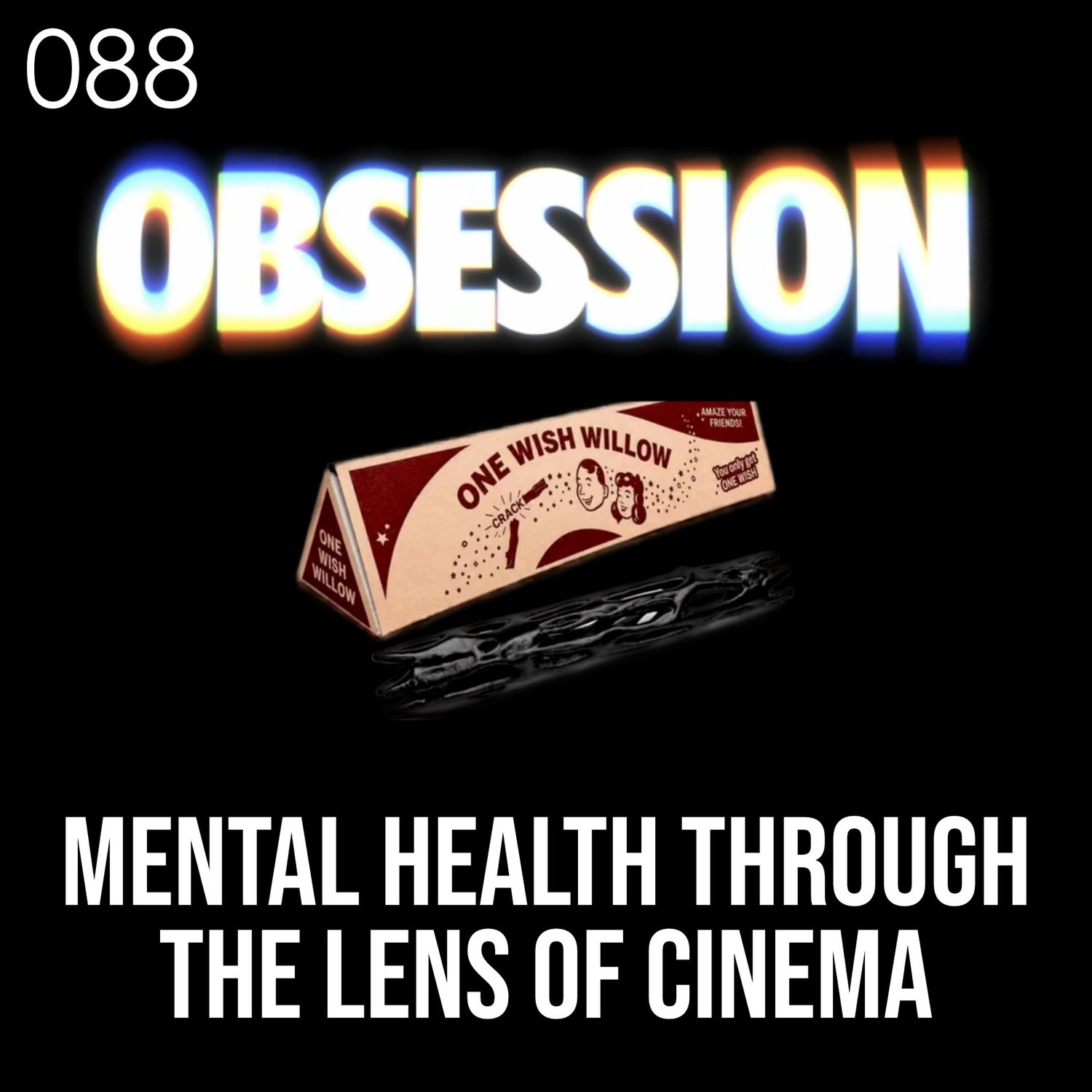
088 Obsession
from Cinemental · host Marieve Herington
In this episode of the Cinemental Podcast, we break down Obsession and explore how the film handles consent, romantic fixation, unhealthy desire, and the dangerous line between pursuing someone and refusing to respect their autonomy. Movies often portray obsession as proof of love: the hero refuses to give up, keeps pushing past rejection, and is eventually rewarded for being persistent. Obsession gives us an opportunity to examine what happens when that familiar romantic narrative becomes something darker. We discuss why consent must remain ongoing, enthusiastic, and freely given—and why attraction does not entitle anyone to another person’s attention, affection, or body. We also look at obsession from a psychological and storytelling perspective. When does intense attraction become fixation? How does someone begin rationalizing behavior they would normally recognize as wrong? And why are audiences sometimes encouraged to sympathize with characters who repeatedly ignore clear boundaries? As always, we approach the film from both sides of Cinemental: mental health and psychology, as well as screenwriting, filmmaking, and character development. A major part of the conversation focuses on Ian, the protagonist’s best friend and one of the film’s strongest supporting characters. Too many movies treat the best friend as a convenient storytelling device: someone who delivers exposition, gives perfect advice, makes a few jokes, and disappears whenever the plot no longer needs them. Ian works because he feels like an actual person. He is honest, observant, loyal, and often gives genuinely good advice—but he is also flawed, emotional, frustrated, and capable of reacting in messy, recognizably human ways. That complexity is a reminder that great supporting characters should be written with the same care as the leads. A believable side character needs personal motivations, contradictions, weaknesses, boundaries, and a life that seems to exist beyond the protagonist’s story. When writers take the time to fully develop the best friend character, they do more than strengthen the supporting cast—they make the entire movie feel more authentic. Join filmmaker and screenwriting professor Jeff and psychiatrist Josh as they analyze Obsession, discuss the psychology of fixation and consent, and explain why memorable side characters are essential to great storytelling. If you enjoy movie analysis, film psychology, screenwriting advice, character development, mental health discussions, and deeper conversations about the themes behind popular movies, subscribe to Cinemental for more episodes exploring where cinema and psychology collide.
Embed this episode
Ready to play
088 Obsession
No transcript for this episode yet
Similar Episodes
No similar episodes found.
Similar Podcasts
No similar podcasts found.