
EPISODE · Aug 1, 2026 · 1H 27M
09 Conspiraciones y verdad
from Chisme filosófico · host Kimberly Ibarra, Pat Lancaster
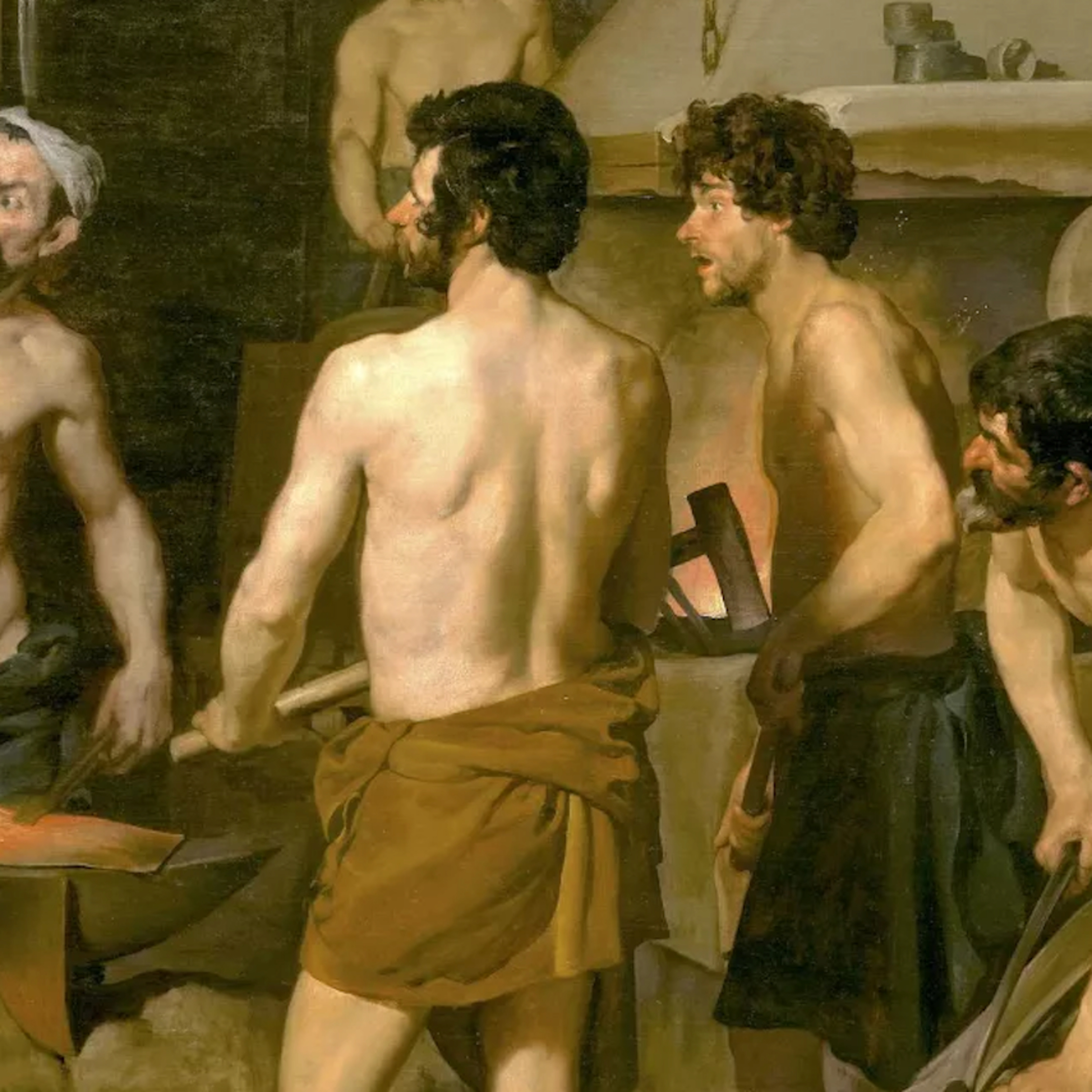
Por qué el cerebro humano prefiere las conspiraciones antes que la evidencia, qué necesidades psicológicas satisfacen y cómo ese fenómeno está transformando nuestra relación con la verdad, la ciencia y la confianza. Desde la neurociencia, la psicología y la filosofía, analizamos por qué creer sin pruebas puede convertirse en un problema individual y colectivo.__Síguenos en instagram: @lafilosofiaenrosa y @causa.primera__➡️ Referencias del episodioLibros de divulgación- Los orígenes del totalitarismo (1951) de Hannah Arendt.- La transformación estructural de la esfera pública (1962) de Jürgen Habermas.- Verdad y poder (1977) de Michel Foucault.- La ética de la creencia (1877) de William Kingdon Clifford.- La voluntad de creer (1896) de William James.- Conjeturas y refutaciones (1963) de Karl Popper. Artículos e informes- The Psychology of Conspiracy Theories — Karen M. Douglas, Robbie M. Sutton y Aleksandra Cichocka — 2017 — Current Directions in Psychological Science. Disponible en: https://journals.sagepub.com/home/cdp - The Conspiracy Theory Handbook — Stephan Lewandowsky y John Cook — 2020 — Center for Climate Change Communication, George Mason University. Disponible en: https://www.climatechangecommunication.org- The Illusion of Explanatory Depth — Leonid Rozenblit y Frank C. Keil — 2002 — Cognitive Science. Disponible en: https://onlinelibrary.wiley.com/journal/15516709- Flat Smacked! Conspiratorial Thinking, Science Comprehension, and the Belief in Flat Earth Theory — Ashley R. Landrum, Alex Olshansky y colaboradores — 2021 — Journal of Science Communication. Disponible en: https://jcom.sissa.it- The Social Consequences of Conspiracism: Exposure to Conspiracy Theories Decreases Intentions to Engage in Politics and to Reduce One's Carbon Footprint — Daniel Jolley y Karen M. Douglas — 2014 — British Journal of Psychology. Disponible en: https://bpspsychub.onlinelibrary.wiley.com- The Effects of Anti-Vaccine Conspiracy Theories on Vaccination Intentions — Daniel Jolley y Karen M. Douglas — 2014 — PLoS ONE. Disponible en: https://journals.plos.org/plosone- The Elusive Backfire Effect: Mass Attitudes' Steadfast Factual Adherence — Thomas J. Wood y Ethan Porter — 2019 — Political Behavior. Disponible en: https://link.springer.com/journal/11109- When Corrections Fail: The Persistence of Political Misperceptions — Brendan Nyhan y Jason Reifler — 2010 — Political Behavior. Disponible en: https://link.springer.com/journal/11109➡️ Crédito de imagenImagen de portada: La fragua de Vulcano (1630), Diego Velázquez. Dominio público (Wikimedia Commons).
Embed this episode
Ready to play
09 Conspiraciones y verdad
No transcript for this episode yet
Similar Episodes
No similar episodes found.
Similar Podcasts
No similar podcasts found.