
EPISODE · Aug 19, 2026 · 1H 26M
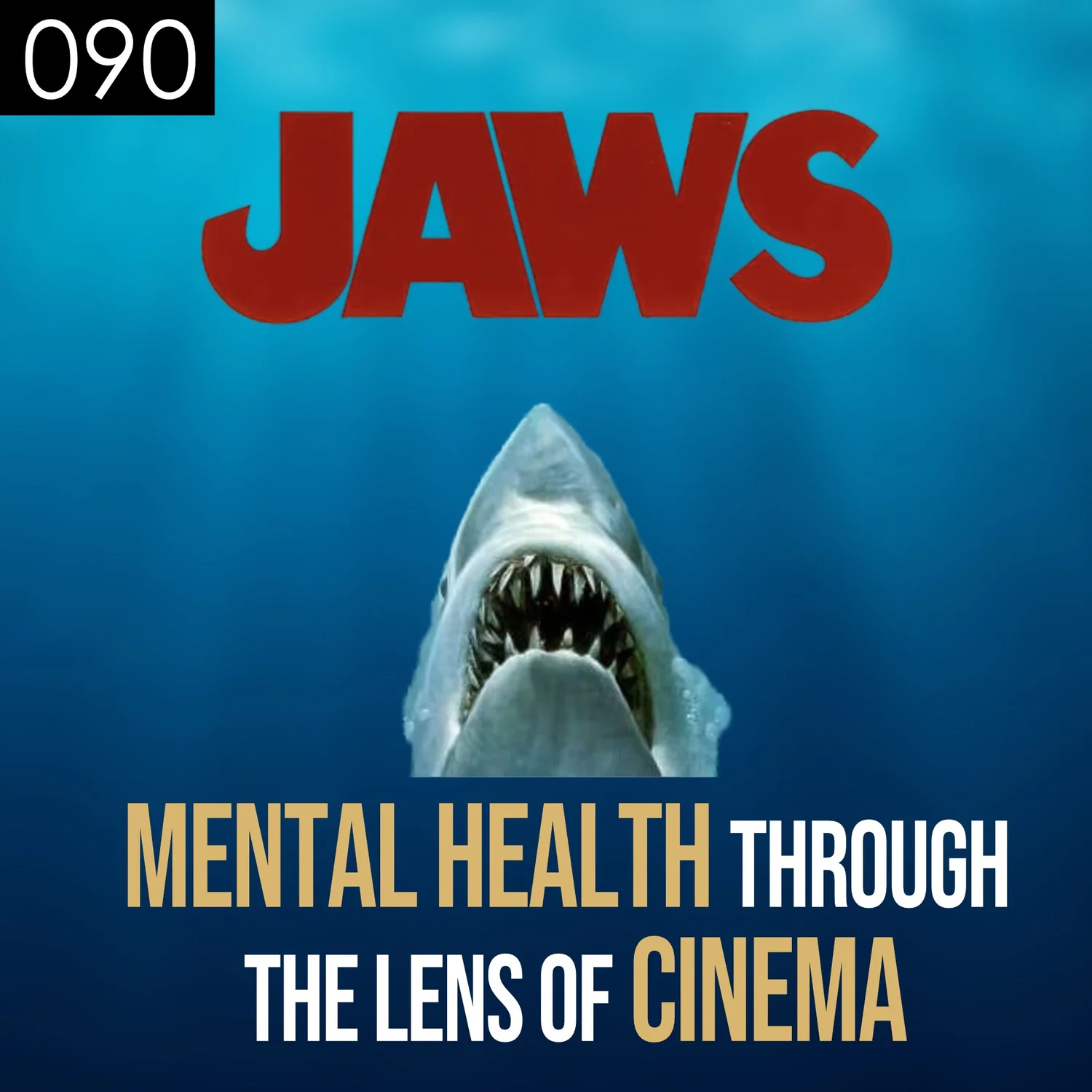
090 JAWS
from Cinemental · host Marieve Herington
Steven Spielberg’s Jaws isn’t just a movie about a shark—it’s a movie about fear, responsibility, trauma, and the power of filmmaking to turn a simple story into a cultural phenomenon. In this episode of Cinemental, filmmaker and professor Jeffrey Jones and general and forensic psychiatrist Dr. Joshua Jones dive into why Jaws still works more than 50 years later, even when the screenplay itself may not be doing all the heavy lifting. We start with the psychology of fear: what’s the difference between a normal fear and a true phobia? Chief Brody is terrified of the water, but his real journey isn’t simply about “getting over it.” It’s about taking responsibility despite fear. Brody confronts it, Hooper intellectualizes it through science, Quint buries it beneath obsession and bravado, and the town leaders deny it because acknowledging the danger would cost them money. Then we get into Quint, arguably the most fascinating character in the entire movie. Robert Shaw’s legendary USS Indianapolis monologue reveals a man shaped by wartime trauma, survivor’s guilt, and a lifelong obsession with the creatures that killed his friends. Is Quint’s shark hunting really courage—or is it an unresolved traumatic compulsion that ultimately drives him toward self-destruction? On the filmmaking side, Jeff breaks down the famous beach sequence and the ridiculous number of techniques Spielberg deploys in just a few minutes: axial cuts, the Vertigo/dolly zoom, foreground wipes, split-diopter photography, point-of-view shots, sound design, silence, framing, and camera movement. It’s a great example of the difference between a good screenplay and truly extraordinary direction. We also look at the psychology of the blockbuster. When Jaws arrived in 1975, millions of people experienced the same fear, at roughly the same time, and the movie became part of a shared cultural language. We talk about what happens psychologically when an entire society watches the same stories together—and whether the fragmented world of streaming, algorithms, and hyper-personalized media has made that kind of cultural phenomenon nearly impossible today. And for this week’s Top 5, Jeff commits cinematic heresy by arguing that modern audiences can probably skip a few sacred classics—including Taxi Driver, Chinatown, The Deer Hunter, 2001: A Space Odyssey, Citizen Kane, and Psycho—and watch newer films that explore many of the same ideas. Then we balance the scales with the classics we still think absolutely deserve your time: The Exorcist, Apocalypse Now, Rocky, The Godfather, and Seven Samurai. If you’re interested in Jaws, Steven Spielberg, filmmaking, cinematography, screenwriting, PTSD, phobias, movie psychology, classic films, or why certain movies become cultural touchstones, this episode is for you.
Embed this episode
Ready to play
090 JAWS
No transcript for this episode yet
Similar Episodes
No similar episodes found.
Similar Podcasts
No similar podcasts found.