PodParley PodParley

# 1 Parent shaming

Episode 1 of the The Youngbloods podcast, hosted by The Youngbloods, titled "# 1 Parent shaming " was published on July 3, 2017 and runs 4 minutes.

July 3, 2017 ·4m · The Youngbloods

0:00 / 0:00

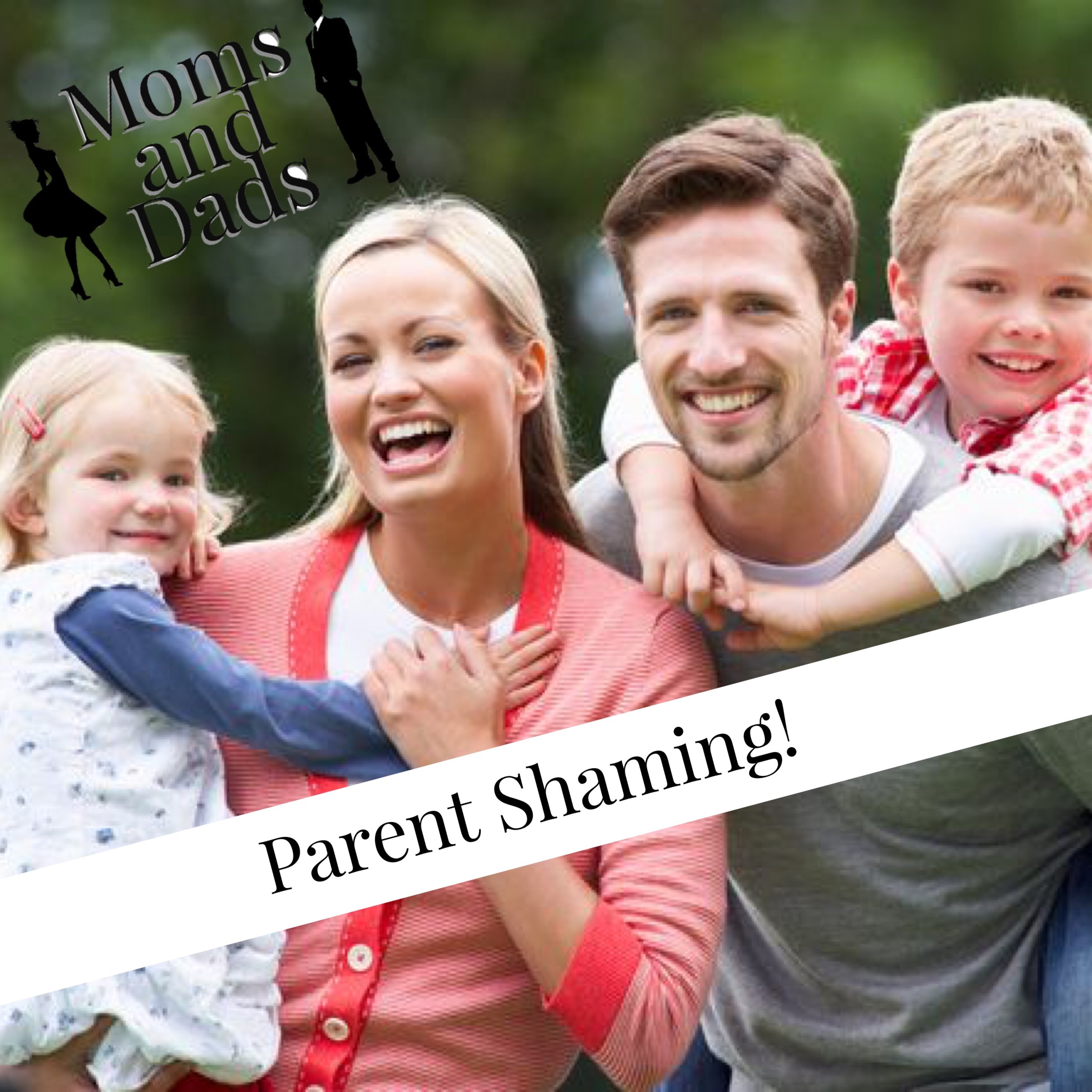
Parent shaming refers to the practice of criticizing, judging, or condemning parents for their decisions or actions regarding their children. It has become increasingly prevalent in today's society, with the rise of social media and the ease of sharing opinions online. Unfortunately, parent shaming can have significant negative consequences for both parents and children. One of the main problems with parent shaming is that it can make parents feel guilty, ashamed, or inadequate. When parents are constantly bombarded with messages telling them that they are doing things wrong or that they are not good enough, it can be challenging to maintain their confidence and sense of self-worth. This can lead to feelings of anxiety, depression, or even postpartum depression in some cases. Moreover, parent shaming can also lead to conflict between parents, and it can damage relationships with other family members and friends. When parents are shamed, they may feel defensive or resentful towards others, and they may become less willing to accept advice or support from others. This can make it harder for parents to seek help when they need it, and it can isolate them from the people who care about them and their children. Another problem with parent shaming is that it can be based on false or incomplete information. Often, people who criticize parents online do not have all the facts about the situation, and they may be judging parents based on their own biases or assumptions. This can be particularly harmful when parents are accused of neglect or abuse without any evidence to support these claims. To address parent shaming, it is essential to recognize that there is no one "right" way to parent. Every family and every child is unique, and what works for one family may not work for another. Moreover, parents should be able to make their own decisions about how to raise their children without fear of judgment or condemnation from others. At the same time, it is essential to recognize that parenting can be challenging, and all parents can benefit from support and encouragement from others. Rather than shaming parents for their mistakes or differences in parenting styles, we should strive to create a culture of empathy, understanding, and support for all families. This can include providing resources and services for parents, creating communities where parents can connect with each other and share their experiences, and promoting education and awareness about parenting issues. In conclusion, parent shaming is a harmful practice that can have negative consequences for both parents and children. It is essential to recognize that parenting is challenging and that there is no one "right" way to parent. Instead, we should strive to create a culture of empathy, understanding, and support for all families, so that parents can raise happy, healthy, and confident children.

Parent shaming refers to the practice of criticizing, judging, or condemning parents for their decisions or actions regarding their children. It has become increasingly prevalent in today's society, with the rise of social media and the ease of sharing opinions online. Unfortunately, parent shaming can have significant negative consequences for both parents and children.

One of the main problems with parent shaming is that it can make parents feel guilty, ashamed, or inadequate. When parents are constantly bombarded with messages telling them that they are doing things wrong or that they are not good enough, it can be challenging to maintain their confidence and sense of self-worth. This can lead to feelings of anxiety, depression, or even postpartum depression in some cases.

Moreover, parent shaming can also lead to conflict between parents, and it can damage relationships with other family members and friends. When parents are shamed, they may feel defensive or resentful towards others, and they may become less willing to accept advice or support from others. This can make it harder for parents to seek help when they need it, and it can isolate them from the people who care about them and their children.

Another problem with parent shaming is that it can be based on false or incomplete information. Often, people who criticize parents online do not have all the facts about the situation, and they may be judging parents based on their own biases or assumptions. This can be particularly harmful when parents are accused of neglect or abuse without any evidence to support these claims.

To address parent shaming, it is essential to recognize that there is no one "right" way to parent. Every family and every child is unique, and what works for one family may not work for another. Moreover, parents should be able to make their own decisions about how to raise their children without fear of judgment or condemnation from others.

At the same time, it is essential to recognize that parenting can be challenging, and all parents can benefit from support and encouragement from others. Rather than shaming parents for their mistakes or differences in parenting styles, we should strive to create a culture of empathy, understanding, and support for all families. This can include providing resources and services for parents, creating communities where parents can connect with each other and share their experiences, and promoting education and awareness about parenting issues.

In conclusion, parent shaming is a harmful practice that can have negative consequences for both parents and children. It is essential to recognize that parenting is challenging and that there is no one "right" way to parent. Instead, we should strive to create a culture of empathy, understanding, and support for all families, so that parents can raise happy, healthy, and confident children.

Red Squad Kolkata FM Anindya Nandan The vicious nature of media versus Young brigade:- After grasping of pandemic we have to visual two visuals - 1) which is in the media 2) the reality.The astonishment here is the functioning and 'look like' functioning detailed analysis has shown how the media constantly keeps out of questioning the government's failure and on the other hand we witnessed a massive role of young junctures at the local level.As the Corona swept the whole India the leftist young bloods have jumped into the ocean of danger risking their lives, we have already lost a few youngsters but the satire is whe Songs For Phaeton Hodges/Youngblood. "Songs for Phaeton" is the unfolding story of an unlikely group of heroes working to restore one of Earth's most important resources: discovery itself. "Songs for Phaeton" is the unfolding story of an unlikely group of heroes working to restore one of Earth's most important resources: discovery itself. The UnNoticed Entrepreneur Jim James Business marketing for entrepreneurs.I talk with entrepreneurs and experts about how to build a brand and generate more leads.My name is Jim James. I've built my own companies on 3 continents since 1995 , including a multi office public relations agency. On the show I bring you tools and tactics that you can put into practice on the same day.I also publish a magazine and newsletter.Please visit and sign up to stay up to date:https://www.theunnoticedentrepreneur.com The Recalibration Julie Holly The Recalibration is a daily podcast for driven professionals who aren’t falling apart, but are quietly tired of holding everything together.A space for nervous system informed identity recalibration before burnout forces the issue.The Recalibration with Julie Holly is a daily podcast for high-performing professionals, leaders, and driven humans who are successful on paper, but feel worn down, disconnected, or quietly misaligned inside.Often, this isn’t because something is wrong.It’s because their nervous system has been carrying more than it was designed to hold.This show is for people who:Keep functioning at a high level, even when it costs them.Feel tired of hacks, habits, and strategies that no longer work.Aren’t in crisis, but know something isn’t sustainable.Sense clarity slipping even though effort remains strong.<b
URL copied to clipboard!