10-23-24: BRICS vs. US Hegemony; The Failures of Modern Democracies episode artwork

EPISODE · Oct 23, 2024 · 55 MIN

10-23-24: BRICS vs. US Hegemony; The Failures of Modern Democracies

from Conversations Among The Ruins · host Charles Erickson

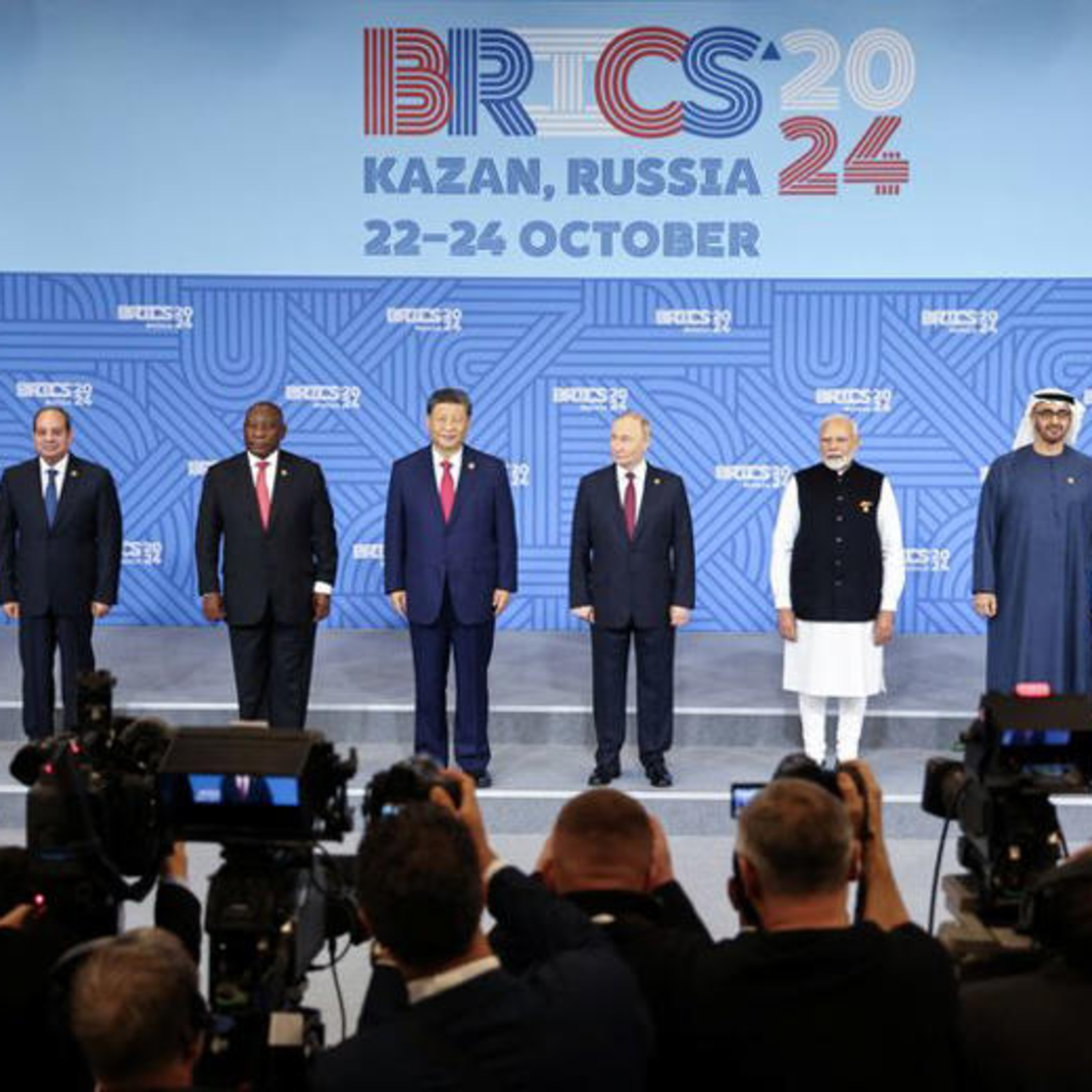
This conversation delves into the implications of BRICS as a rising global entity, exploring the U.S. response, the financial systems involved, and the shifting dynamics of global trade. The discussion highlights the sovereignty that BRICS represents against U.S. hegemony, the role of Western institutions, and the media's portrayal of these developments. It also touches on the potential for change within Europe and the broader implications for international relations. In this conversation, Peter Erickson and Cramson discuss the current state of free speech in the U.S. and U.K., questioning the authenticity of democracy in both nations. They explore the illusion of choice in democratic systems, the erosion of rights, and the rise of authoritarianism. The discussion also delves into the role of sound money in governance, the impact of the military-industrial complex, and the potential for change in the political landscape, particularly in the U.S. They express skepticism about the current political climate and the ability of existing systems to foster genuine reform. BRICS represents a challenge to U.S. hegemony. The U.S. should consider joining BRICS for mutual benefit. BRICS operates on a consensus model, which can be unwieldy. The U.S. is likely to attempt to undermine BRICS as it grows. Financial systems dominated by the U.S. are being challenged by BRICS. BRICS is not just about finance; it also promotes sovereignty. Western institutions are losing their grip on global governance. The media narrative around BRICS is often dismissive or propagandistic. There is potential for significant change in Europe regarding BRICS. The dynamics of global alliances are shifting towards multipolarity. Free speech in the U.S. is valued but under attack. The U.K. may not be a true democracy due to media control. Democracy often presents an illusion of choice. Democracies tend to over-promise and overspend. Sound money could limit the power of the global elite. The military-industrial complex has grown unchecked since WWII. The U.S. faces a long, slow decline without significant change. Hope for political reform is stronger in Europe than in the U.S. Trump's anti-globalist rhetoric lacks consistency and follow-through. A collapse might be necessary for a true republic to emerge.

This conversation delves into the implications of BRICS as a rising global entity, exploring the U.S. response, the financial systems involved, and the shifting dynamics of global trade. The discussion highlights the sovereignty that BRICS represents against U.S. hegemony, the role of Western institutions, and the media's portrayal of these developments. It also touches on the potential for change within Europe and the broader implications for international relations. In this conversation, Peter Erickson and Cramson discuss the current state of free speech in the U.S. and U.K., questioning the authenticity of democracy in both nations. They explore the illusion of choice in democratic systems, the erosion of rights, and the rise of authoritarianism. The discussion also delves into the role of sound money in governance, the impact of the military-industrial complex, and the potential for change in the political landscape, particularly in the U.S. They express skepticism about the current political climate and the ability of existing systems to foster genuine reform. BRICS represents a challenge to U.S. hegemony. The U.S. should consider joining BRICS for mutual benefit. BRICS operates on a consensus model, which can be unwieldy. The U.S. is likely to attempt to undermine BRICS as it grows. Financial systems dominated by the U.S. are being challenged by BRICS. BRICS is not just about finance; it also promotes sovereignty. Western institutions are losing their grip on global governance. The media narrative around BRICS is often dismissive or propagandistic. There is potential for significant change in Europe regarding BRICS. The dynamics of global alliances are shifting towards multipolarity. Free speech in the U.S. is valued but under attack. The U.K. may not be a true democracy due to media control. Democracy often presents an illusion of choice. Democracies tend to over-promise and overspend. Sound money could limit the power of the global elite. The military-industrial complex has grown unchecked since WWII. The U.S. faces a long, slow decline without significant change. Hope for political reform is stronger in Europe than in the U.S. Trump's anti-globalist rhetoric lacks consistency and follow-through. A collapse might be necessary for a true republic to emerge.

NOW PLAYING

10-23-24: BRICS vs. US Hegemony; The Failures of Modern Democracies

0:00 55:07

No transcript for this episode yet

We transcribe on demand. Request one and we'll notify you when it's ready — usually under 10 minutes.

Frequently Asked Questions

How long is this episode of Conversations Among The Ruins?

This episode is 55 minutes long.

When was this Conversations Among The Ruins episode published?

This episode was published on October 23, 2024.

What is this episode about?

This conversation delves into the implications of BRICS as a rising global entity, exploring the U.S. response, the financial systems involved, and the shifting dynamics of global trade. The discussion highlights the sovereignty that BRICS...

Can I download this Conversations Among The Ruins episode?

Yes, you can download this episode by clicking the download button on the episode player, or subscribe to the podcast in your preferred podcast app for automatic downloads.
URL copied to clipboard!