
EPISODE · Dec 9, 2021 · 58 MIN
107 Demystifying Prolonged Use of Birth Control Pills + Thyroid Connection with Emily Sadri
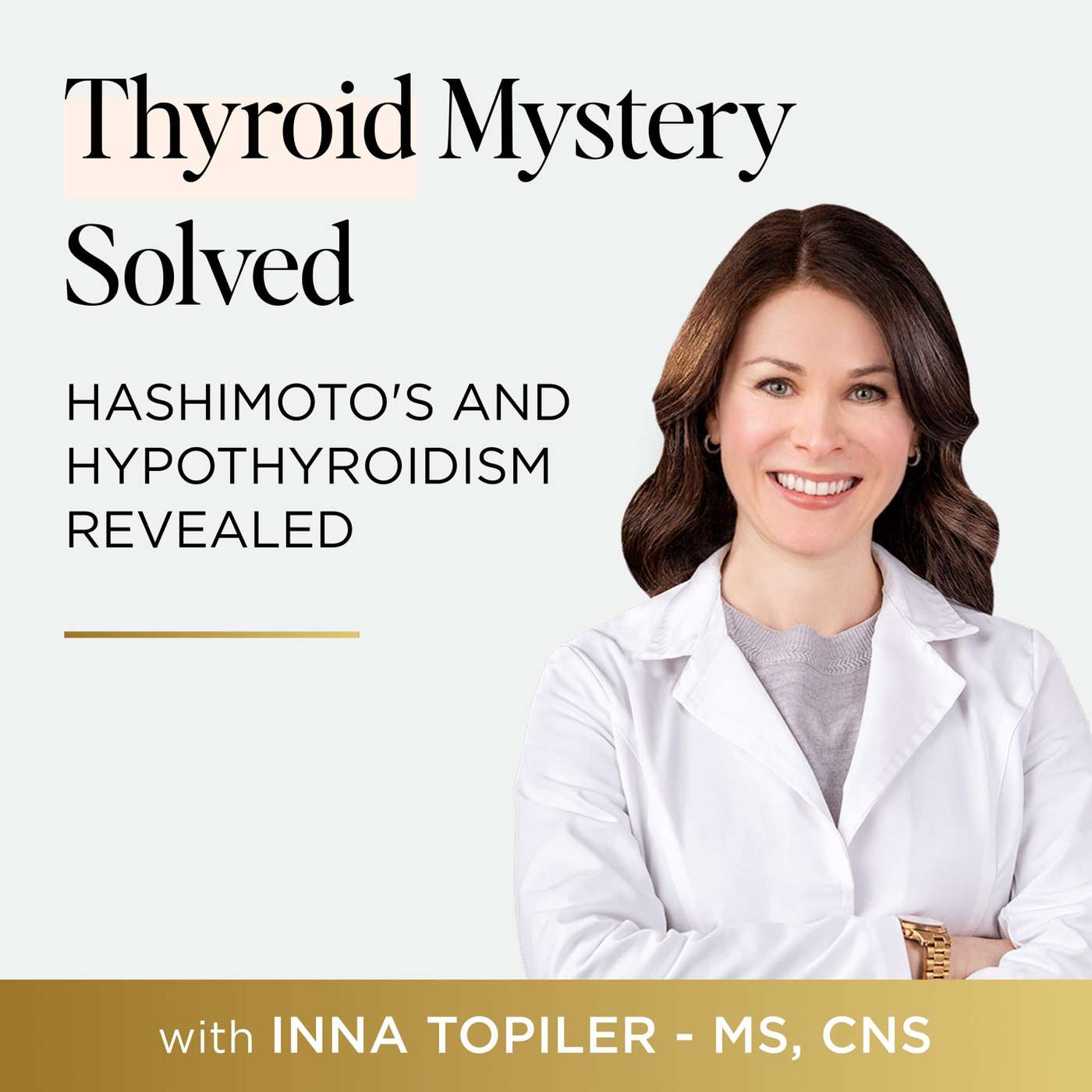
from Thyroid Mystery Solved: Hashimoto's and Hypothyroidism Revealed · host Inna Topiler with Guest Emily Sadri
The Case: Jenny went on the pill as a teenager to regulate her irregular and heavy periods.After 20 years on the pill, she decided to start a family.Going off the pill led to fatigue, insomnia, hair loss, acne, and when her periods returned after 3 months, they were painful, heavy and irregular.Her symptoms led her to suspect hypothyroidism but her levels came back normal. The InvestigationThe first thing I did when I started working with Jenny was to run a full thyroid panel. While her TSH was normal, as her doctor had said, her free hormones were off. I knew that there had to be a connection between Jenny’s long history with birth control pills, her menstrual issues, and her thyroid but was the thyroid causing the issue or did the pill create a thyroid problem?To discuss this further, I reached out to Emily Sadri. She’s a board-certified women’s health nurse practitioner and midwife who runs a functional medicine practice for women in Cleveland, Ohio. She specializes in abnormal bleeding, perimenopause, menopause, and fertility so I knew she would be a great resource for this episode. How the Birth Control Pill Became So PopularMost people are familiar with the birth control pill and yet, most of the time this medication is prescribed it is not specifically for family planning as it was designed. Instead, women often turn to the birth control pill to help them deal with other issues. For example, it is common for young women to turn to the birth control pill to lessen heavy and/or painful periods. They may also start taking the pill to help them deal with acne or irregular bleeding. This will often happen soon after a woman starts her menses.Emily says this is a bit of an issue because a woman’s cycle takes time to find it’s rhythm and if a medication is used to regulate that early on, it may never find its own rhythm because the feedback loop between all of the hormones is interrupted. How Menstruation WorksTo fully understand why this is an issue, we needed to go back for an anatomy lesson and reconsider what is going on in a girl’s body as she starts to cycle. The average age of onset of menses is around 11 years old. Prior to that, the young woman's pituitary gland and hypothalamus (in the brain) start to send out little signals to her ovaries. This feedback look is called HPO access or hypothalamic pituitary ovarian access. It's like the feedback loop. So, the hypothalamus talks to the anterior pituitary. The pituitary gland sends out hormones to stimulate the ovaries and release estrogen. That estrogen is released in little bursts over the years leading up to a young girl's first cycle and may still be firing irregularly during the first year or so of menstruation.The estrogen builds up in the uterine lining which starts to thicken the endometrium (lining of the uterus). The hormones from the anterior pituitary stimulate the release of a follicle (aka an egg) from the ovary. That first follicle is released prior to the first bleed. The follicle has a lining around it called the corpus luteum which releases progesterone. The progesterone stabilizes that thickened endometrium. When that egg is not fertilized, the body picks up on that and then the endometrium sheds and that is when you get a menses. All of these hormones have to rise and fall in the cycle and find their rhythm in those first few years of menses.And remember, often at this time in a woman’s life, she is dealing with other things that can impact the release of these hormones including stress and/or not getting enough sleep. How the Birth Control Pill WorksThe birth control pill interrupts the natural feedback loop by introducing hormones that weren’t called for or stimulated by the system. The pituitary hormones, the hypothalamus calibrating hormones, that normally communicate with the ovaries, sense the circulating estrogen and progesterone so there’s no stimulation required. This quiets the whole system and the body either stops producing or produces very little of its own estrogen and the endometrium doesn’t build up as much as it might without the pill. In a traditional birth control pill, there would be 3 weeks of active pills and a week of sugar pills. The absence of the hormones causes a withdrawal bleed. This is different from actually menstruating. This is one of the biggest myths about being on the pill – it does not regulate your period; it eliminates it and triggers a monthly withdrawal bleed. So, any of the problems that existed before going on the pill haven’t been fixed by going on the pill, only paused. Often, women will discover that the pill has only masked the problem. The Menstrual Cycle is Not SteadyIt's also important to note that certain birth control pills deliver consistent levels of hormones each day. This is not how the body naturally produces hormones. Progesterone and estrogen ebb and flow throughout the natural cycle.These natural ups and downs are responsible for creating variety in our mood and feelings. Hormones around ovulation can provide feelings of passion or happiness. It may also be a time of creativity and productivity. Whereas later in the cycle, you might be feeling more introspective. Understanding the natural cycles can be a gift, says Emily.Having a steady state of hormones that do not fluctuate as they naturally should can actually lead to even more mood swings and even things like depression, and a lower libido. Birth Control Pills, Hypothyroidism and Autoimmune DiseasesWhile Emily believes that women should embrace the ups and downs of their natural cycle, she does note that these hormone fluctuations can be problematic for those with autoimmune disease. And while fluctuations can cause flare ups, she still feels that it’s important to dig deeper because these responses or flare ups could be a clue to what’s really causing the issue.When it comes to the effects the pill might have on hypothyroidism, lab tests may show lower circulating free hormones (even if TSH is fine). This is what we saw with Jenny. Progestin-Only Birth Control PillsThe progestin-only pill is popular for women postpartum for a few reasons. The first is that they already have such high circulating levels of estrogen. The second is that estrogen dramatically increases a woman's risk for blood clots.This option is also preferred by those who are at higher risk of complications.Progestin-only birth control pills work differently than the more common estrogen/progesterone. It doesn’t always fully suppress ovulation however, it really suppresses the development of the uterine lining. So over the course of your cycle, your estrogen develops the endometrium and makes it thick and rich (perfect for an egg to implant). Because this birth control pill limits the development of the endometrium, it is not sufficient for an egg to implant.Possible side effects include irregular spotting, depression, mood swings, and mood abnormalities. Long Term Birth Control UsageWomen who are on the pill from an early age to their mid thirties (when things naturally start to change) can develop issues that are hard to diagnose because they never developed a natural HPO access. As women age, they experience hormonal shifts that, when combined with continued use of birth control pills can lead to a variety of issues. These include:HeadachesMigraines with auraThromboembolismSpottingSore BreastsConstipationDigestive Changes (bloating)Yeast In...
Embed this episode
NOW PLAYING
107 Demystifying Prolonged Use of Birth Control Pills + Thyroid Connection with Emily Sadri
No transcript for this episode yet
Similar Episodes
No similar episodes found.
Similar Podcasts
No similar podcasts found.