
EPISODE · Aug 23, 2023 · 14 MIN
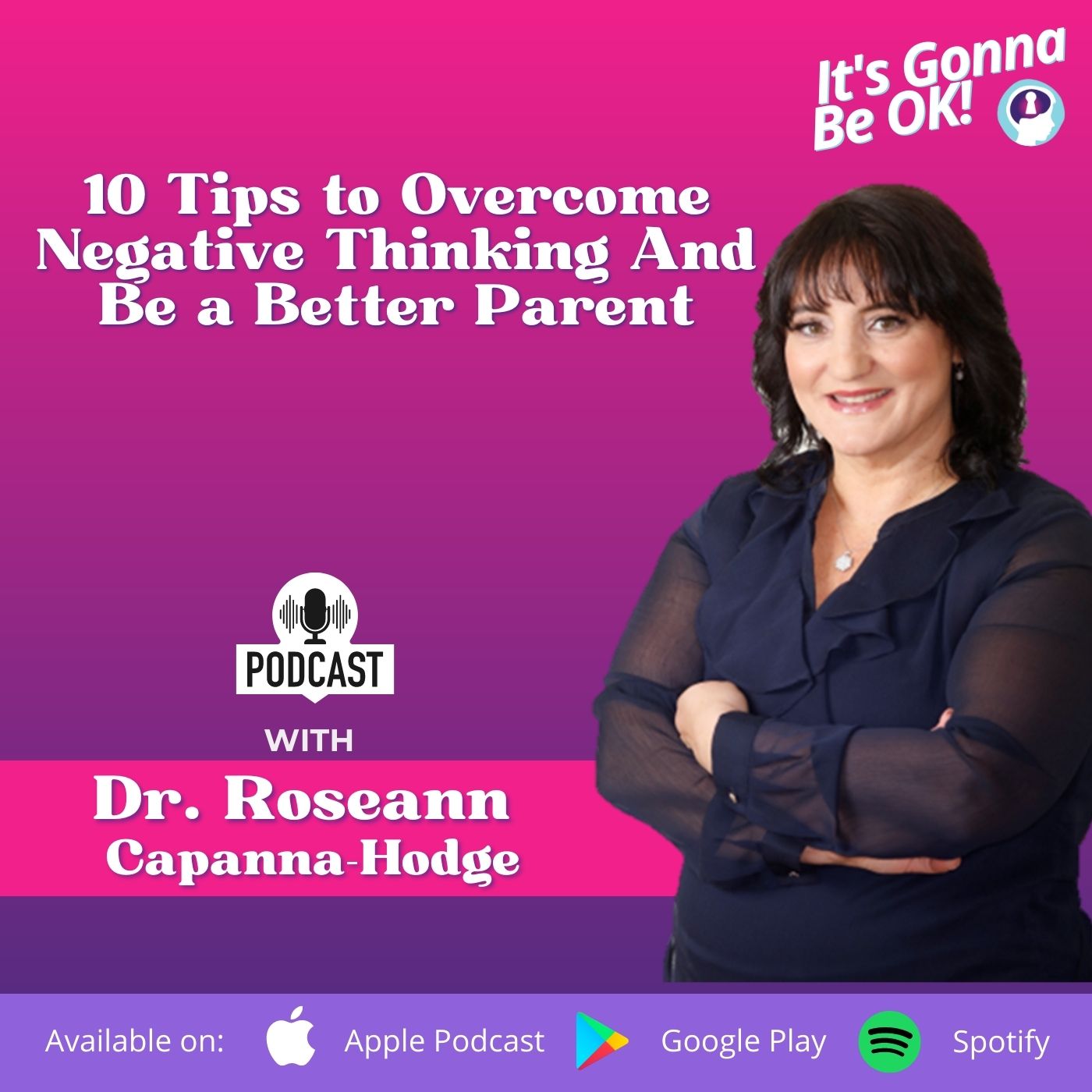
How to Overcome Negative Thinking and Become a Better Parent | Regulation-First Parenting | E109
from Dysregulated Kids: Science-Backed Parenting Help for Behavior, Anxiety, ADHD and More
How to overcome negative thinking is one of the most important skills parents can develop for their own well-being and for the emotional health of their children. In this episode, I continue our conversation about the impact of negativity and explore how to overcome negative thinking so parents can break unhealthy patterns, build resilience, and create a more positive home environment.Many parents don't realize how often negative thinking shapes their reactions, expectations, and interactions with their children. Over time, these patterns can influence family relationships, emotional regulation, confidence, and even how children view themselves and the world around them. Learning how to overcome negative thinking helps parents create healthier emotional habits that benefit the entire family.In this episode, you'll learn:• How negative thinking develops• Why negativity can affect family dynamics• The connection between thoughts, emotions, and behavior• Practical strategies for shifting negative thinking patternsWhy does negative thinking matter?Negative thought patterns can lead to:• Increased stress and overwhelm• Greater emotional reactivity• Lower confidence and resilience• More conflict within families• Difficulty seeing progress and successChildren often learn how to interpret challenges by watching the adults around them.Behavior is communication.The way parents think about challenges often influences how children learn to respond to them.When parents model healthier thinking patterns, children benefit too.How can parents overcome negative thinking?Helpful strategies include:• Becoming aware of automatic negative thoughts• Challenging unrealistic assumptions• Practicing self-compassion• Focusing on progress rather than perfection• Regulating the nervous system before reactingThe goal is not forced positivity. The goal is creating a more balanced and realistic perspective.How does negative thinking affect children?Children exposed to chronic negativity may struggle with:• Self-confidence• Emotional regulation• Problem-solving skills• Resilience during setbacksWhen families break cycles of negativity, children are more likely to develop confidence, optimism, and emotional flexibility.What happens when parents shift their mindset?Parents often experience:• Reduced stress and anxiety• Stronger relationships with their children• Greater emotional resilience• More confidence in parentingSmall changes in thinking patterns can create meaningful changes in family life.Need personalized next steps? Use the FREE Solution Matcher: drroseann.com/helpDr. Roseann Capanna-Hodge helps parents understand emotional dysregulation in children and teaches practical nervous system regulation and co-regulation strategies through her Regulation First Parenting™ approach.
Embed this episode
NOW PLAYING
How to Overcome Negative Thinking and Become a Better Parent | Regulation-First Parenting | E109
No transcript for this episode yet
Similar Episodes
No similar episodes found.
Similar Podcasts
No similar podcasts found.