
EPISODE · Oct 28, 2024 · 46 MIN
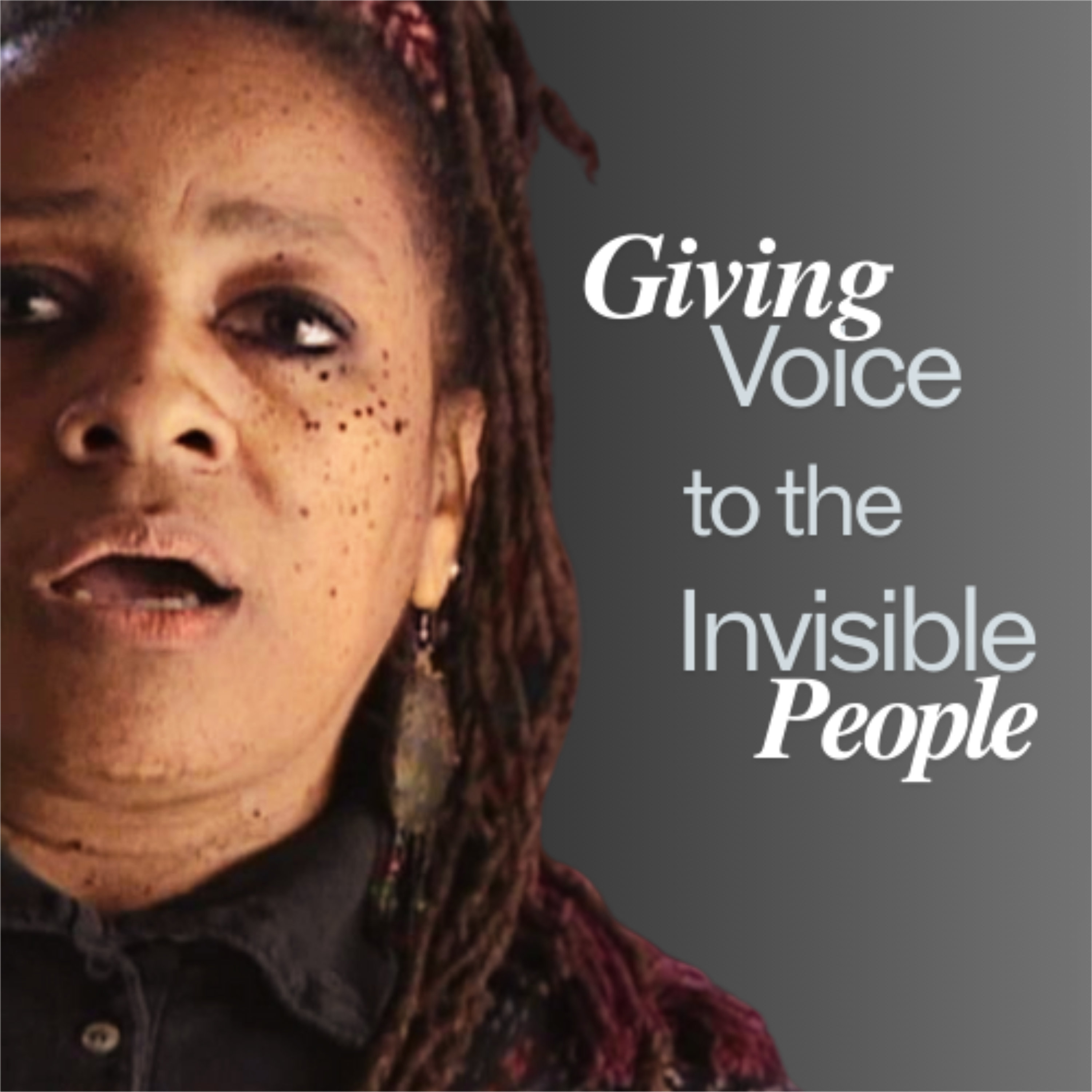
109: Rebecca Rice: Giving Voice to the Invisible
from ART IS CHANGE: Strategies & Skills for Activist Artists & Cultural Organizers
Rebecca Rice, a pioneering community artist, transformed her personal experiences into a powerful advocacy for marginalized voices through art. Her journey began in a challenging neighborhood in Chicago, where she discovered her passion for performance and community engagement. This podcast explores her belief that every individual, regardless of their visibility, contributes to the intricate tapestry of human existence. Throughout her career, Rice emphasized the importance of creative collaboration, using theater as a means to address social issues such as domestic violence and racial justice. As she reflects on her work, listeners are invited to consider the profound impact of art in fostering understanding and change within communities.Rebecca Rice's profound journey as a community artist is explored through her reflections on art's power to transform lives, especially within marginalized communities. She perceives herself as an 'artist communicator,' emphasizing the importance of every individual’s story in shaping the broader human experience. Through her work, she has sought to give voice to those often overlooked—prisoners, youth, and the disabled—highlighting the reciprocal nature of her partnerships where the shared experiences of both artist and collaborators create a deeper understanding and artistic expression. Bill Cleveland, the host, reminisces about his mentorship under Rebecca, illustrating how her teachings transcend mere technical skill to delve into the moral and ethical dimensions of artistry. This rich dialogue not only honors Rebecca's legacy but also underscores the relevance of her insights on community arts and racial justice in today's societal landscape.The episode also delves into Rebecca's early influences and formative experiences that shaped her artistic philosophy. Growing up in a challenging environment on Chicago's West Side, she was introduced to community arts through Johnny Houston's program, which instilled in her a sense of capability and belonging. This program acted as a catalyst for her development as an artist, fostering her talent while teaching her the importance of dedication, hard work, and the value of creative expression irrespective of societal limitations. As Rebecca transitioned into the realm of political street theater and later into her tenure at Living Stage Theater, she began to intertwine her artistic endeavors with social activism, using theater as a vehicle for change and a platform for the stories of the oppressed. This evolution highlights the dynamic interplay between art and activism, showcasing how Rebecca's work was not just about performance but about empowering individuals and communities through creativity.Moreover, the discussion touches on the concept of 'creative trust' and how it serves as a foundation for successful artistic collaboration, especially within vulnerable populations. Rebecca articulates the necessity of creating a safe space where individuals can explore their creativity without the fear of judgment. This sanctuary-like environment allows participants to confront their internalized negativity and engage with their artistic voices authentically. The conversation also critiques the superficiality of multiculturalism in arts funding, advocating for deeper, more genuine engagement with communities rather than tokenistic approaches. Rebecca's insights push for a re-examination of the roles artists play within their communities, advocating for a shift in focus from individual acclaim to collective empowerment, ultimately striving to make art a fundamental and essential aspect of societal healing and growth.Takeaways: Rebecca Rice emphasized the importance of every individual's contribution to the fabric of human existence, not just the prominent figures. Art can serve as a transformative tool for personal empowerment and societal change, particularly in marginalized communities. The Living Stage Theater Company focused on improvisational techniques to engage diverse audiences, including prisoners and youth. Rebecca Rice's work with community arts highlighted the need for art to be inclusive and accessible to all individuals. The collaboration between artists and community members can lead to profound insights and creative breakthroughs. Rebecca Rice's approach to teaching stressed the importance of building trust and understanding the unique experiences of each participant.
Embed this episode
Ready to play
109: Rebecca Rice: Giving Voice to the Invisible
No transcript for this episode yet
Similar Episodes
No similar episodes found.
Similar Podcasts
No similar podcasts found.