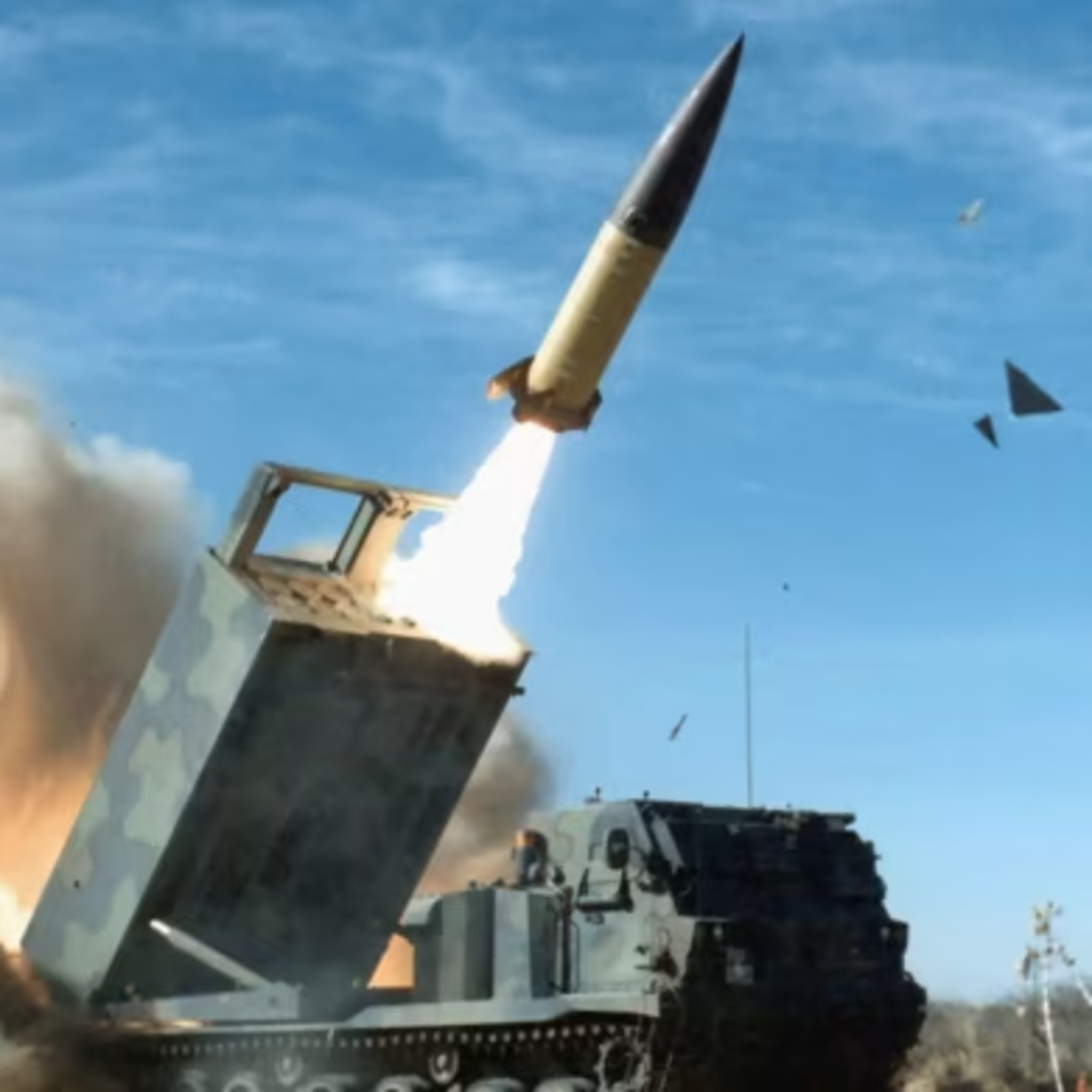
11-18-24: Biden Allows Ukraine to Strike Russia with US Long-Range Missiles episode artwork

EPISODE · Nov 18, 2024 · 52 MIN

11-18-24: Biden Allows Ukraine to Strike Russia with US Long-Range Missiles

from Conversations Among The Ruins · host Charles Erickson

In this conversation, Charlie and Peter Erickson discuss the implications of the Biden administration's decision to lift restrictions on ATACMS missiles, the potential for escalating tensions with Russia, and the narrative surrounding North Korean involvement in the conflict. They analyze the absurdity of military justifications for this decision, the political maneuvering behind it, and the potential consequences for global stability, including the role of proxy wars in the region. The conversation delves into the escalating tensions in Ukraine and the Middle East, highlighting the desire for war and the role of propaganda. The discussion shifts to the failures of the military industrial complex, emphasizing the lack of accountability and the corruption within defense spending. The speakers express skepticism about mainstream media narratives and the need for transparency and truth in reporting. The lifting of missile restrictions could escalate tensions with Russia. There is skepticism about the effectiveness of Atacams missiles in the conflict. The narrative around North Korean involvement seems exaggerated and unfounded. Political motivations may be driving military decisions rather than strategic ones. The potential for proxy wars is increasing as nations respond to each other's actions. Western politicians may be out of touch with the realities of the conflict. The Biden administration's actions may be seen as an attempt to complicate future negotiations with Trump. Military experts doubt the effectiveness of additional missile supplies to Ukraine. The situation is characterized by a tit-for-tat response strategy among nations. There is a concern that the U.S. military-industrial complex may benefit from escalating conflicts. Escalation in conflicts often serves political agendas. The desire for war can overshadow diplomatic solutions. Mainstream media often lacks accountability and truthfulness. Military industrial complex faces scrutiny over its effectiveness. Corruption in defense spending is a significant issue. Propaganda can mislead public perception of military success. Diplomacy should be prioritized over military action. The relationship between the US and its allies is complex and fraught with tension. Public trust in military capabilities is being tested. Awareness and critical analysis of news sources are essential.

In this conversation, Charlie and Peter Erickson discuss the implications of the Biden administration's decision to lift restrictions on ATACMS missiles, the potential for escalating tensions with Russia, and the narrative surrounding North Korean involvement in the conflict. They analyze the absurdity of military justifications for this decision, the political maneuvering behind it, and the potential consequences for global stability, including the role of proxy wars in the region. The conversation delves into the escalating tensions in Ukraine and the Middle East, highlighting the desire for war and the role of propaganda. The discussion shifts to the failures of the military industrial complex, emphasizing the lack of accountability and the corruption within defense spending. The speakers express skepticism about mainstream media narratives and the need for transparency and truth in reporting. The lifting of missile restrictions could escalate tensions with Russia. There is skepticism about the effectiveness of Atacams missiles in the conflict. The narrative around North Korean involvement seems exaggerated and unfounded. Political motivations may be driving military decisions rather than strategic ones. The potential for proxy wars is increasing as nations respond to each other's actions. Western politicians may be out of touch with the realities of the conflict. The Biden administration's actions may be seen as an attempt to complicate future negotiations with Trump. Military experts doubt the effectiveness of additional missile supplies to Ukraine. The situation is characterized by a tit-for-tat response strategy among nations. There is a concern that the U.S. military-industrial complex may benefit from escalating conflicts. Escalation in conflicts often serves political agendas. The desire for war can overshadow diplomatic solutions. Mainstream media often lacks accountability and truthfulness. Military industrial complex faces scrutiny over its effectiveness. Corruption in defense spending is a significant issue. Propaganda can mislead public perception of military success. Diplomacy should be prioritized over military action. The relationship between the US and its allies is complex and fraught with tension. Public trust in military capabilities is being tested. Awareness and critical analysis of news sources are essential.

NOW PLAYING

11-18-24: Biden Allows Ukraine to Strike Russia with US Long-Range Missiles

0:00 52:11

No transcript for this episode yet

We transcribe on demand. Request one and we'll notify you when it's ready — usually under 10 minutes.

Frequently Asked Questions

How long is this episode of Conversations Among The Ruins?

This episode is 52 minutes long.

When was this Conversations Among The Ruins episode published?

This episode was published on November 18, 2024.

What is this episode about?

In this conversation, Charlie and Peter Erickson discuss the implications of the Biden administration's decision to lift restrictions on ATACMS missiles, the potential for escalating tensions with Russia, and the narrative surrounding North Korean...

Can I download this Conversations Among The Ruins episode?

Yes, you can download this episode by clicking the download button on the episode player, or subscribe to the podcast in your preferred podcast app for automatic downloads.
URL copied to clipboard!