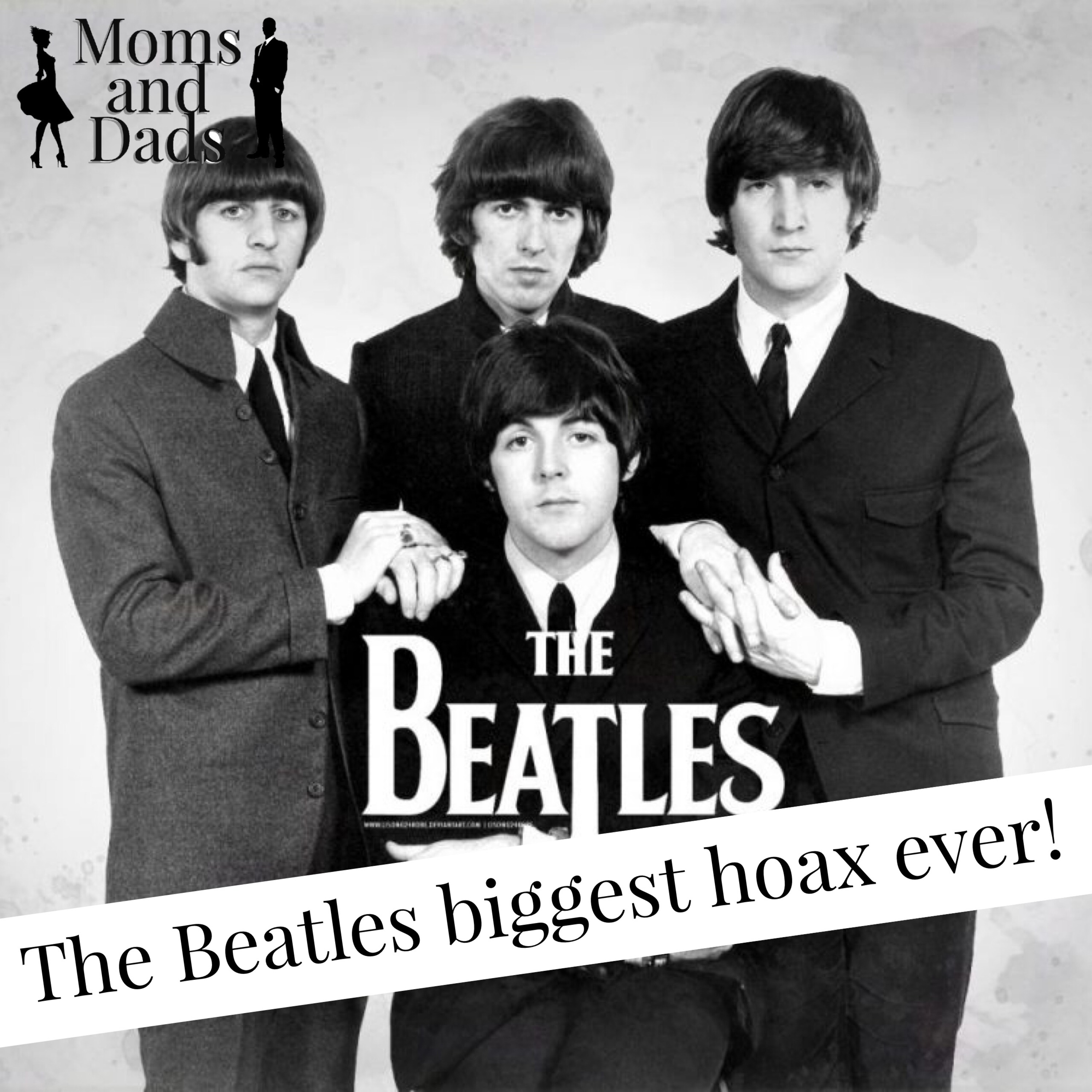
#11 The Beatles biggest hoax ever! episode artwork

EPISODE · Jul 21, 2017 · 14 MIN

#11 The Beatles biggest hoax ever!

from The Youngbloods · host The Youngbloods Podcast

Did Paul McCartney really die back in the 70s who is Billy Shears? In the world of conspiracy theories, one of the most bizarre is the claim that Paul McCartney, one of the founding members of the Beatles, died in 1966 and was replaced by a lookalike. Despite being debunked by McCartney himself and other sources, the so-called "Paul is Dead" conspiracy theory continues to captivate the imaginations of many. According to the conspiracy theory, McCartney died in a car crash in 1966 and was replaced by a man named William Campbell, who looked and sounded like him. The theory claims that the Beatles, their record label, and even the British government conspired to cover up McCartney's death and replace him with Campbell to avoid public backlash and maintain the band's popularity. One of the supposed pieces of evidence for the conspiracy theory is that clues were hidden in the Beatles' music, album covers, and interviews. For example, the cover of their album "Abbey Road" supposedly depicts a funeral procession, with McCartney walking barefoot, signifying that he was a corpse. Additionally, some fans have claimed to have found hidden messages in the lyrics of songs like "I'm So Tired" and "Revolution 9." Despite the persistence of the conspiracy theory, there is no credible evidence to support it. McCartney himself has repeatedly denied the claims, and there are no official records of any car crash or cover-up. Furthermore, many of the supposed clues are merely coincidences or misinterpretations, and there is no concrete evidence to support them. So why does the "Paul is Dead" conspiracy theory persist? One reason is that it taps into our fascination with celebrity and our desire for sensational stories. The idea that one of the most famous musicians in history could have died and been replaced is a shocking and intriguing concept that captures the public imagination. Another reason is the power of social media and the internet to spread misinformation and false claims. In the digital age, conspiracy theories can spread quickly and widely, even without any evidence to support them. In conclusion, the "Paul is Dead" conspiracy theory is a bizarre and baseless claim that has persisted for decades. While it may be an entertaining and fascinating story, there is no credible evidence to support it. It serves as a reminder of the power of misinformation and the importance of critical thinking and skepticism in the age of the internet.

Did Paul McCartney really die back in the 70s who is Billy Shears? In the world of conspiracy theories, one of the most bizarre is the claim that Paul McCartney, one of the founding members of the Beatles, died in 1966 and was replaced by a lookalike. Despite being debunked by McCartney himself and other sources, the so-called "Paul is Dead" conspiracy theory continues to captivate the imaginations of many. According to the conspiracy theory, McCartney died in a car crash in 1966 and was replaced by a man named William Campbell, who looked and sounded like him. The theory claims that the Beatles, their record label, and even the British government conspired to cover up McCartney's death and replace him with Campbell to avoid public backlash and maintain the band's popularity. One of the supposed pieces of evidence for the conspiracy theory is that clues were hidden in the Beatles' music, album covers, and interviews. For example, the cover of their album "Abbey Road" supposedly depicts a funeral procession, with McCartney walking barefoot, signifying that he was a corpse. Additionally, some fans have claimed to have found hidden messages in the lyrics of songs like "I'm So Tired" and "Revolution 9." Despite the persistence of the conspiracy theory, there is no credible evidence to support it. McCartney himself has repeatedly denied the claims, and there are no official records of any car crash or cover-up. Furthermore, many of the supposed clues are merely coincidences or misinterpretations, and there is no concrete evidence to support them. So why does the "Paul is Dead" conspiracy theory persist? One reason is that it taps into our fascination with celebrity and our desire for sensational stories. The idea that one of the most famous musicians in history could have died and been replaced is a shocking and intriguing concept that captures the public imagination. Another reason is the power of social media and the internet to spread misinformation and false claims. In the digital age, conspiracy theories can spread quickly and widely, even without any evidence to support them. In conclusion, the "Paul is Dead" conspiracy theory is a bizarre and baseless claim that has persisted for decades. While it may be an entertaining and fascinating story, there is no credible evidence to support it. It serves as a reminder of the power of misinformation and the importance of critical thinking and skepticism in the age of the internet.

NOW PLAYING

#11 The Beatles biggest hoax ever!

0:00 14:32

No transcript for this episode yet

We transcribe on demand. Request one and we'll notify you when it's ready — usually under 10 minutes.

Frequently Asked Questions

How long is this episode of The Youngbloods?

This episode is 14 minutes long.

When was this The Youngbloods episode published?

This episode was published on July 21, 2017.

What is this episode about?

Did Paul McCartney really die back in the 70s who is Billy Shears? In the world of conspiracy theories, one of the most bizarre is the claim that Paul McCartney, one of the founding members of the Beatles, died in 1966 and was replaced by a...

Can I download this The Youngbloods episode?

Yes, you can download this episode by clicking the download button on the episode player, or subscribe to the podcast in your preferred podcast app for automatic downloads.
URL copied to clipboard!