#113.Japanese winter food episode artwork

EPISODE · Jan 8, 2022 · 3 MIN

#113.Japanese winter food

from jENI NO PIKA PIKA NIHONGO 日本語

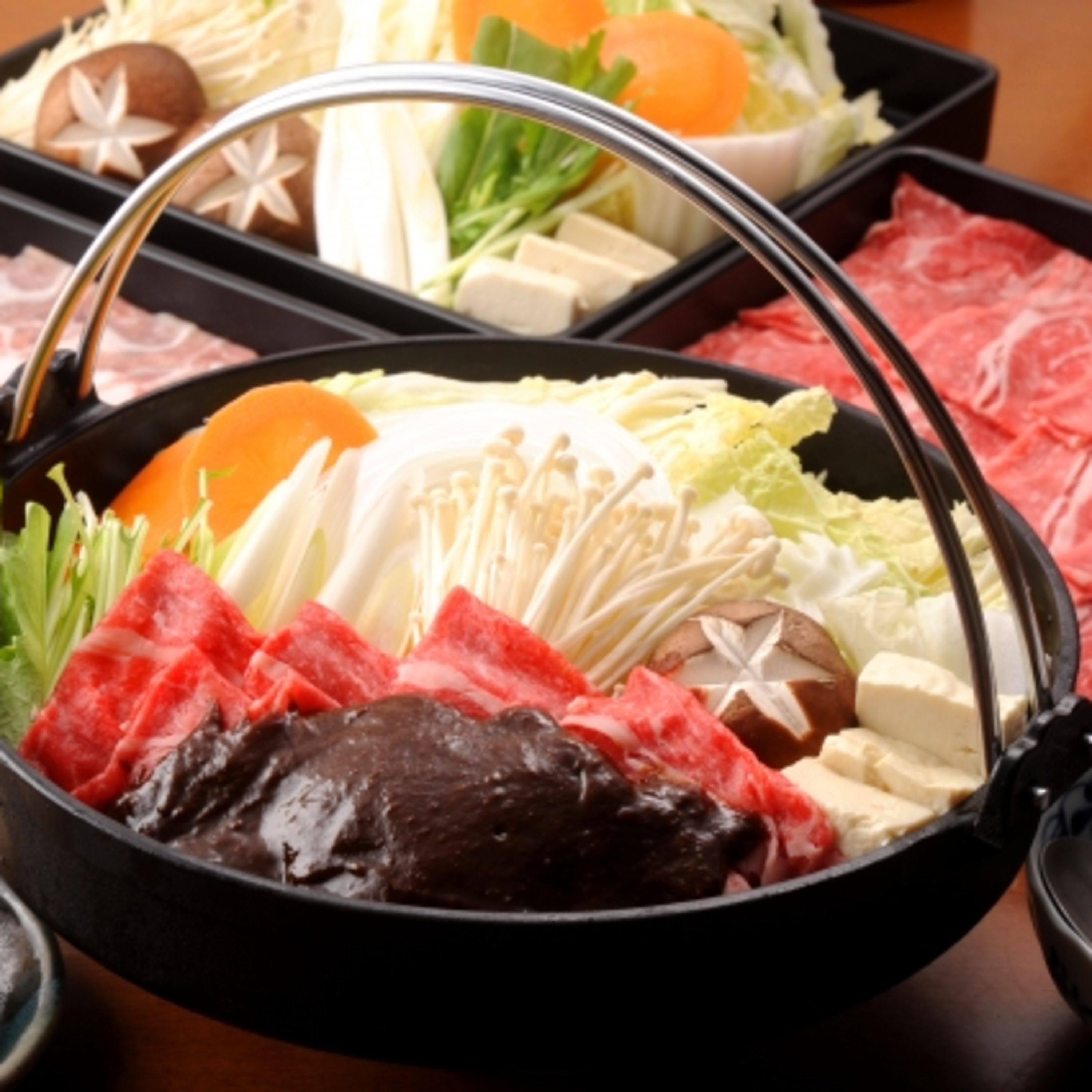
こんにちは。 In episode #108, I introduced the practice of putting up a shime-kazari decoration at the end of the year before welcoming the Japanese New Year. So when do you remove the shime-kazari in January? And how long do you keep the Kagamimochi(鏡餅) on display? First of all, New Year's is an event to welcome the god of the year, Toshigami-sama(年神様). The New Year is an event to welcome the Toshigami, the god of agriculture who is responsible for a good harvest. It is also said that the New Year's God comes to the house on New Year's Day to bring good luck for the year and sweep away bad luck. The New Year's ornaments(Sime-kazari) are used as landmarks to welcome the New Year's god into the house. It also serves as a substitute for the gods when they stay in the house. The kadomatsu(門松) and shime-zashiki(しめ飾り) can be left on display during the period known as the "inside of the pine tree". This is the time when the New Year's festivities begin. This is the period between the beginning of the New Year and the return of the gods. This period differs from region to region. In the Kanto, Tohoku, and Kyushu regions, the period lasts until January 7, and in the Kansai region, January 15. (In the Kanto, Tohoku and Kyushu regions, the period of time varies from region to region. Kagamimochi is usually displayed until January 11th, the day of Kagami-biraki(鏡開き). On the day of Kagami-biraki, the rice cake is opened (pounded with a wooden hammer to break it open) and served with ozoni or soup stock. On Kagami-biraki day, the rice cakes are opened (by beating the cakes with a wooden hammer) and eaten as zoni or soup. Now, in today's episode, I'd like to introduce Japanese winter food. Here are some of the many winter foods of Japan.  鍋(Nabe, Hot pot) しゃぶしゃぶ(Shabu shabu) カニ鍋(Kani nabe, crab hot pot) ちゃんこ鍋(Chanko nabe) すき焼き(Suki Yaki, thin slices of beef, cooked with various vegetables in a table-top cast-iron pan) 石焼き芋(Ishi Yaki Imo, sweet potatoes baked in hot stones ズワイガニ(Zuwai Gani, snow crab ) Hot pot is the best thing to eat on a cold day! じゃあ、またね

こんにちは。 In episode #108, I introduced the practice of putting up a shime-kazari decoration at the end of the year before welcoming the Japanese New Year. So when do you remove the shime-kazari in January? And how long do you keep the Kagamimochi(鏡餅) on display? First of all, New Year's is an event to welcome the god of the year, Toshigami-sama(年神様). The New Year is an event to welcome the Toshigami, the god of agriculture who is responsible for a good harvest. It is also said that the New Year's God comes to the house on New Year's Day to bring good luck for the year and sweep away bad luck. The New Year's ornaments(Sime-kazari) are used as landmarks to welcome the New Year's god into the house. It also serves as a substitute for the gods when they stay in the house. The kadomatsu(門松) and shime-zashiki(しめ飾り) can be left on display during the period known as the "inside of the pine tree". This is the time when the New Year's festivities begin. This is the period between the beginning of the New Year and the return of the gods. This period differs from region to region. In the Kanto, Tohoku, and Kyushu regions, the period lasts until January 7, and in the Kansai region, January 15. (In the Kanto, Tohoku and Kyushu regions, the period of time varies from region to region. Kagamimochi is usually displayed until January 11th, the day of Kagami-biraki(鏡開き). On the day of Kagami-biraki, the rice cake is opened (pounded with a wooden hammer to break it open) and served with ozoni or soup stock. On Kagami-biraki day, the rice cakes are opened (by beating the cakes with a wooden hammer) and eaten as zoni or soup. Now, in today's episode, I'd like to introduce Japanese winter food. Here are some of the many winter foods of Japan.  鍋(Nabe, Hot pot) しゃぶしゃぶ(Shabu shabu) カニ鍋(Kani nabe, crab hot pot) ちゃんこ鍋(Chanko nabe) すき焼き(Suki Yaki, thin slices of beef, cooked with various vegetables in a table-top cast-iron pan) 石焼き芋(Ishi Yaki Imo, sweet potatoes baked in hot stones ズワイガニ(Zuwai Gani, snow crab ) Hot pot is the best thing to eat on a cold day! じゃあ、またね

NOW PLAYING

#113.Japanese winter food

0:00 3:42

No transcript for this episode yet

We transcribe on demand. Request one and we'll notify you when it's ready — usually under 10 minutes.

輕鬆講講故丨粵語丨暴走的陳老C丨廣東話 暴走的陳老C 《輕鬆講講古》 The Course Mentors Podcast The Course Mentors Hey there, future course creator!Ever feel like turning your know-how into an online course is like trying to solve a Rubik's cube blindfolded? Well, grab your headphones because "The Course Mentors Podcast" is here to be your secret weapon!Meet Aimee and Odette (that's us!), your new best friends in the course creation world. We've been in the trenches for over a decade, and for the last five years, we've been rocking the online course space. Now we're here to spill all our secrets in bite-sized, 15-20 minute episodes that'll fit perfectly in your coffee breaks.No fluff, no filler - just real, actionable advice that'll take you from "um, what's a landing page?" to "holy moly, I just hit six figures!". We're talking everything from crafting your course to marketing it like a pro and building a business that'll have you pinching yourself.Whether you're dreaming of ditching the 9-to-5 grind, adding a sweet extra income str Two Recruiters: Zero Filter Two Recruiters At Two Recruiters: Zero Filter, we're on a mission to demystify the hiring process, share insider tips, and empower you to maneuver through the professional world with confidence. With more than 30 years of combined experience navigating the intricate web of job markets, talent acquisition, and career development, we're here to spill the tea on everything career related. But wait, there’s more! We will dive into many life topics that are interesting to us as well.  Get ready for a rollercoaster of insights, stories, and no-holds-barred advice!Join us for conversations that matter – where work, life, and authenticity collide in the most unexpected and rewarding ways. The Brackenfield Records Anvil Audio Productions An off-beat homage to classic radio detectives of the 1940s and '50s, The Brackenfield Records offers comforting genre fare, sitting somewhere between cosy and hard-boiled crime fiction.Whether it's dealing with unfaithful spouses, off-the-rails celebrities, crooked businesspeople, or gun-toting no-gooders, Brackenfield never falters!

Frequently Asked Questions

How long is this episode of jENI NO PIKA PIKA NIHONGO 日本語?

This episode is 3 minutes long.

When was this jENI NO PIKA PIKA NIHONGO 日本語 episode published?

This episode was published on January 8, 2022.

What is this episode about?

こんにちは。 In episode #108, I introduced the practice of putting up a shime-kazari decoration at the end of the year before welcoming the Japanese New Year. So when do you remove the shime-kazari in January? And how long do you keep the Kagamimochi(鏡餅)...

Can I download this jENI NO PIKA PIKA NIHONGO 日本語 episode?

Yes, you can download this episode by clicking the download button on the episode player, or subscribe to the podcast in your preferred podcast app for automatic downloads.
URL copied to clipboard!