
EPISODE · Jun 28, 2026 · 20 MIN
1198-Senescence States and Brain-Barrier Development
from Paper Talk
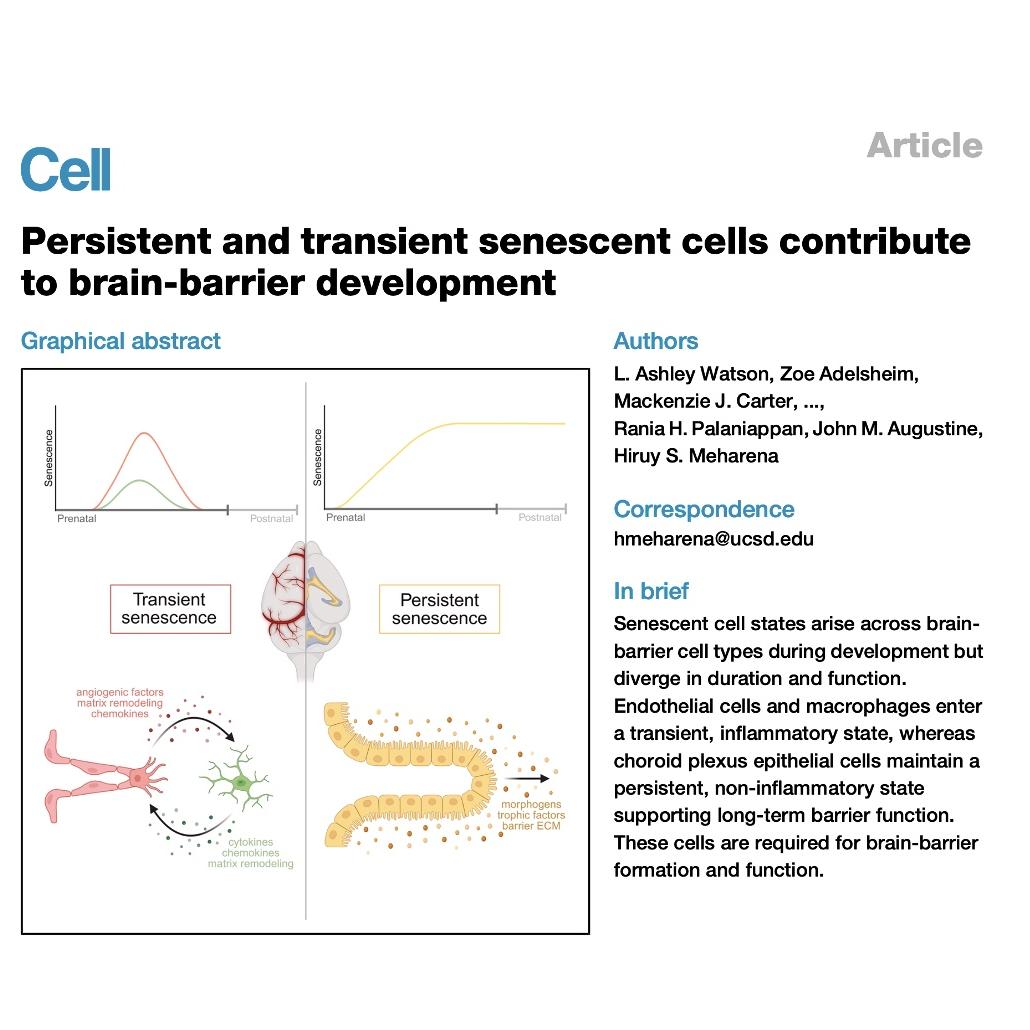
This research identifies a specialized class of p21+ senescent cells that are essential for the healthy development of brain-barrier systems in mice. Unlike the traditional view of senescence as a purely pathological state, these cells appear during mid-gestation to coordinate the formation of the blood-brain barrier and the blood-cerebrospinal fluid barrier. The study distinguishes between transient senescence in vascular endothelial cells and macrophages—which temporary guide vessel patterning through inflammatory signaling—and persistent senescence in the choroid plexus. These epithelial cells remain in a stable, non-inflammatory senescent state into adulthood to maintain long-term barrier integrity and fluid production. Experimental removal of these cells leads to catastrophic failures, including brain hemorrhaging, stunted growth, and the collapse of the ventricular system. Ultimately, these findings reframe cellular senescence as a vital, developmentally programmed mechanism necessary for establishing and protecting the brain's internal environment.References:Watson L A, Adelsheim Z, Carter M J, et al. Persistent and transient senescent cells contribute to brain-barrier development[J]. Cell, 2026.前往小宇宙评论区与主播互动
Embed this episode
Ready to play
1198-Senescence States and Brain-Barrier Development
No transcript for this episode yet
Similar Episodes
No similar episodes found.
Similar Podcasts
No similar podcasts found.