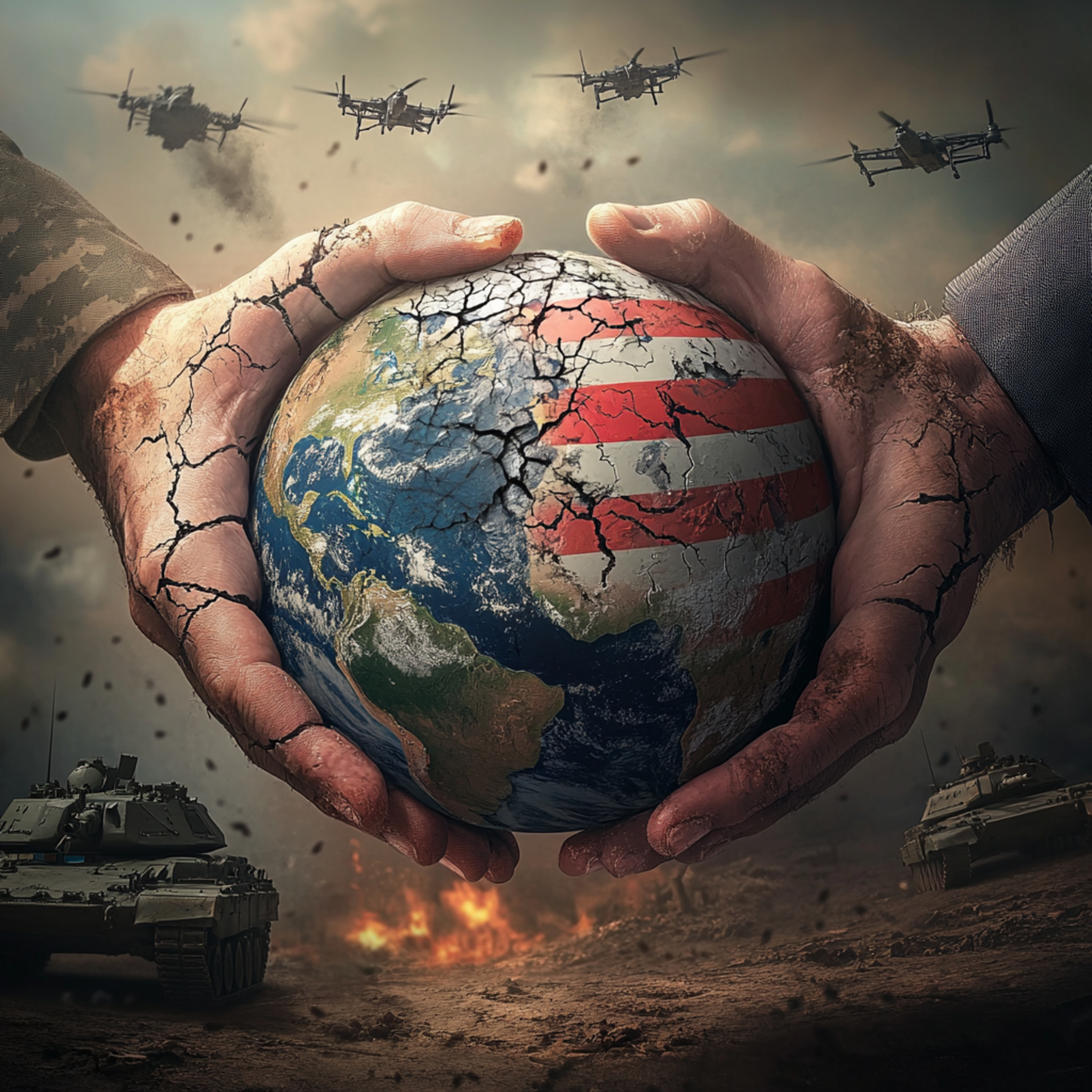
12-11-24 | US Hegemony vs. a Multipolar Future: Lessons from Syria and Ukraine episode artwork

EPISODE · Dec 11, 2024 · 1H 7M

12-11-24 | US Hegemony vs. a Multipolar Future: Lessons from Syria and Ukraine

from Conversations Among The Ruins · host Charles Erickson

In this conversation, Charles and Peter Erickson delve into the complexities surrounding the collapse of Syria and the implications of US foreign policy in the Middle East. They discuss the moral ambiguities of identifying good and evil in the region, the role of secular governments, and the impact of US interventions on religious minorities. The conversation also touches on Israel's strategy in supporting extremist groups, the escalation of conflicts, and the perception of foreign affairs among the American public. Ultimately, they explore the future of US hegemony in a multipolar world and the neoconservative agenda's consequences. In this conversation, Peter and Charles Erickson discuss the evolving geopolitical landscape, focusing on the situation in Ukraine, the limitations of Western military capabilities, and the implications of a multipolar world. They delve into Israel's strategic interests in Syria, the chaos resulting from the conflict, and the potential refugee crisis that may ensue as a result of these developments. The conversation highlights the complexities of international relations and the challenges faced by various nations in navigating these turbulent times. Syria's collapse has deep emotional and political implications. Identifying good and evil in Syria is complex and relative. Secular governments in the Middle East provided stability for minorities. US foreign policy often prioritizes Israel's interests over human rights. The rise of extremism in the region is partly due to US interventions. Israel's support for extremist groups serves its strategic interests. The escalation of conflicts reflects a broader struggle for power. Public perception of foreign affairs is often detached from reality. The future of US hegemony is uncertain in a multipolar world. Neoconservatives may feel emboldened by recent events in Syria. Russia's military capabilities are formidable and will likely neutralize threats. The West lacks the will and capacity for conventional warfare. The US may resort to unconventional tactics, including supporting terrorist operations. There are speculations about CIA involvement in terrorist activities in Russia. Israel's short-term alliances may lead to long-term threats. A chaotic Syria serves Israel's interests by preventing a unified enemy. The refugee crisis from Syria could significantly impact Europe. Western narratives often ignore the realities on the ground in conflict zones. The multipolar world presents both opportunities and challenges for global stability. The situation in Syria may lead to a repeat of past refugee crises.

In this conversation, Charles and Peter Erickson delve into the complexities surrounding the collapse of Syria and the implications of US foreign policy in the Middle East. They discuss the moral ambiguities of identifying good and evil in the region, the role of secular governments, and the impact of US interventions on religious minorities. The conversation also touches on Israel's strategy in supporting extremist groups, the escalation of conflicts, and the perception of foreign affairs among the American public. Ultimately, they explore the future of US hegemony in a multipolar world and the neoconservative agenda's consequences. In this conversation, Peter and Charles Erickson discuss the evolving geopolitical landscape, focusing on the situation in Ukraine, the limitations of Western military capabilities, and the implications of a multipolar world. They delve into Israel's strategic interests in Syria, the chaos resulting from the conflict, and the potential refugee crisis that may ensue as a result of these developments. The conversation highlights the complexities of international relations and the challenges faced by various nations in navigating these turbulent times. Syria's collapse has deep emotional and political implications. Identifying good and evil in Syria is complex and relative. Secular governments in the Middle East provided stability for minorities. US foreign policy often prioritizes Israel's interests over human rights. The rise of extremism in the region is partly due to US interventions. Israel's support for extremist groups serves its strategic interests. The escalation of conflicts reflects a broader struggle for power. Public perception of foreign affairs is often detached from reality. The future of US hegemony is uncertain in a multipolar world. Neoconservatives may feel emboldened by recent events in Syria. Russia's military capabilities are formidable and will likely neutralize threats. The West lacks the will and capacity for conventional warfare. The US may resort to unconventional tactics, including supporting terrorist operations. There are speculations about CIA involvement in terrorist activities in Russia. Israel's short-term alliances may lead to long-term threats. A chaotic Syria serves Israel's interests by preventing a unified enemy. The refugee crisis from Syria could significantly impact Europe. Western narratives often ignore the realities on the ground in conflict zones. The multipolar world presents both opportunities and challenges for global stability. The situation in Syria may lead to a repeat of past refugee crises.

NOW PLAYING

12-11-24 | US Hegemony vs. a Multipolar Future: Lessons from Syria and Ukraine

0:00 1:07:25

No transcript for this episode yet

We transcribe on demand. Request one and we'll notify you when it's ready — usually under 10 minutes.

Frequently Asked Questions

How long is this episode of Conversations Among The Ruins?

This episode is 1 hour and 7 minutes long.

When was this Conversations Among The Ruins episode published?

This episode was published on December 11, 2024.

What is this episode about?

In this conversation, Charles and Peter Erickson delve into the complexities surrounding the collapse of Syria and the implications of US foreign policy in the Middle East. They discuss the moral ambiguities of identifying good and evil in the...

Can I download this Conversations Among The Ruins episode?

Yes, you can download this episode by clicking the download button on the episode player, or subscribe to the podcast in your preferred podcast app for automatic downloads.
URL copied to clipboard!