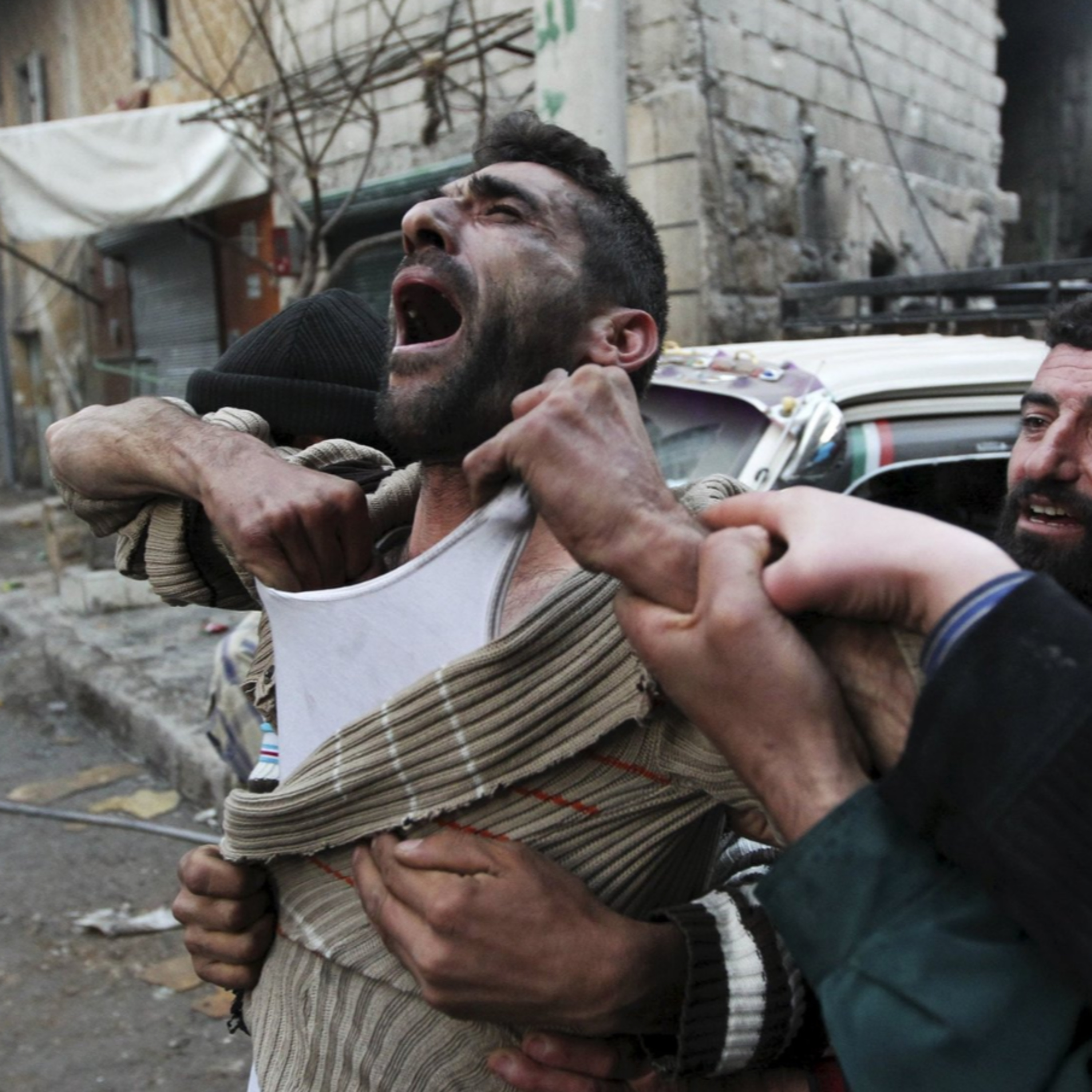
12-2-24: Who Is Behind the Syrian Conflict; Russia's Retaliation Explained episode artwork

EPISODE · Dec 2, 2024 · 1H 1M

12-2-24: Who Is Behind the Syrian Conflict; Russia's Retaliation Explained

from Conversations Among The Ruins · host Charles Erickson

The conversation delves into the complexities of the Syrian conflict, focusing on the roles of various countries, particularly Turkey and its leader Erdogan, as well as the involvement of the US and Israel. It explores the motivations behind Turkey's actions, the nature of the rebel forces, and the broader geopolitical implications of the conflict. The discussion also touches on the potential future of Syria and its impact on regional dynamics. In this conversation, Cramson and Peter Erickson discuss the complexities of the Middle East conflict, particularly Turkey's role and the ongoing situation in Syria. They delve into Putin's military strategies and the implications of American military presence in Ukraine. The discussion also touches on Zelensky's recent comments regarding NATO and territorial concessions, as well as Trump's threats to BRICS countries concerning the US dollar's dominance. Turkey is the main instigator of the Syrian conflict. Erdogan's motivations are primarily about power and territory. The US and Israel have vested interests in weakening Hezbollah. The rebel forces in Syria are largely foreign fighters, not Syrian. The conflict in Syria is intertwined with the broader Middle East tensions. Erdogan's actions are opportunistic and self-serving. Israel benefits from chaos in Syria as it weakens Hezbollah. The situation in Syria could escalate or resolve quickly depending on military outcomes. The complexity of alliances in the region makes predictions difficult. The future of Syria will significantly impact the Israel-Hezbollah dynamic. Turkey is not taking responsibility for the conflict. The situation in Syria has become increasingly complicated. Putin's military strategy may involve opportunistic strikes. The presence of American military personnel in Ukraine is significant. Zelensky's comments suggest a potential shift in strategy. Trump's threats to BRICS highlight the US's declining influence. The weaponization of the dollar is causing countries to seek alternatives. The West may be underestimating Russia's strength. There is a disconnect between US leadership and global realities. The unipolar moment of the US is coming to an end.

The conversation delves into the complexities of the Syrian conflict, focusing on the roles of various countries, particularly Turkey and its leader Erdogan, as well as the involvement of the US and Israel. It explores the motivations behind Turkey's actions, the nature of the rebel forces, and the broader geopolitical implications of the conflict. The discussion also touches on the potential future of Syria and its impact on regional dynamics. In this conversation, Cramson and Peter Erickson discuss the complexities of the Middle East conflict, particularly Turkey's role and the ongoing situation in Syria. They delve into Putin's military strategies and the implications of American military presence in Ukraine. The discussion also touches on Zelensky's recent comments regarding NATO and territorial concessions, as well as Trump's threats to BRICS countries concerning the US dollar's dominance. Turkey is the main instigator of the Syrian conflict. Erdogan's motivations are primarily about power and territory. The US and Israel have vested interests in weakening Hezbollah. The rebel forces in Syria are largely foreign fighters, not Syrian. The conflict in Syria is intertwined with the broader Middle East tensions. Erdogan's actions are opportunistic and self-serving. Israel benefits from chaos in Syria as it weakens Hezbollah. The situation in Syria could escalate or resolve quickly depending on military outcomes. The complexity of alliances in the region makes predictions difficult. The future of Syria will significantly impact the Israel-Hezbollah dynamic. Turkey is not taking responsibility for the conflict. The situation in Syria has become increasingly complicated. Putin's military strategy may involve opportunistic strikes. The presence of American military personnel in Ukraine is significant. Zelensky's comments suggest a potential shift in strategy. Trump's threats to BRICS highlight the US's declining influence. The weaponization of the dollar is causing countries to seek alternatives. The West may be underestimating Russia's strength. There is a disconnect between US leadership and global realities. The unipolar moment of the US is coming to an end.

NOW PLAYING

12-2-24: Who Is Behind the Syrian Conflict; Russia's Retaliation Explained

0:00 1:01:29

No transcript for this episode yet

We transcribe on demand. Request one and we'll notify you when it's ready — usually under 10 minutes.

Frequently Asked Questions

How long is this episode of Conversations Among The Ruins?

This episode is 1 hour and 1 minute long.

When was this Conversations Among The Ruins episode published?

This episode was published on December 2, 2024.

What is this episode about?

The conversation delves into the complexities of the Syrian conflict, focusing on the roles of various countries, particularly Turkey and its leader Erdogan, as well as the involvement of the US and Israel. It explores the motivations behind...

Can I download this Conversations Among The Ruins episode?

Yes, you can download this episode by clicking the download button on the episode player, or subscribe to the podcast in your preferred podcast app for automatic downloads.
URL copied to clipboard!