
EPISODE · Nov 12, 2020 · 20 MIN
12: STORY story
from ART IS CHANGE: Strategies & Skills for Activist Artists & Cultural Organizers
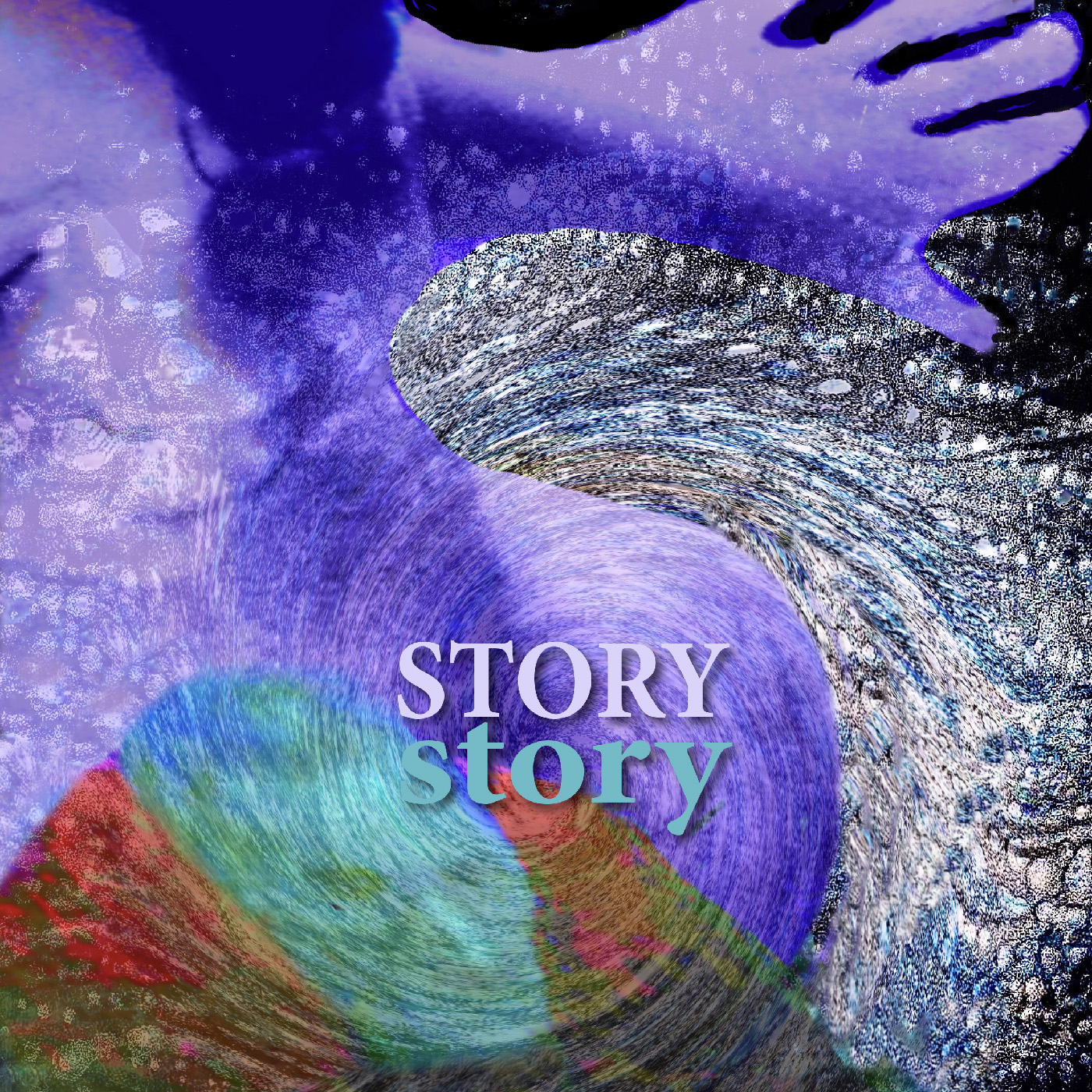
Episode 12: Story storyCheck out the film version of Story story HEREAnd the book version HERETranscriptIn the beginning there was a word, the word, a word, I don’t know but that word doing its best o state afloat at the confluence of time and space spinning at the hot center of the minds-eye vortex had no choice but to go forth and multiply and…beget a Story These are the first few lines of a prose poem called Story story, which will be shared in full later in this podcast. It comes from the soundtrack of a film of the same name that explores the evolution of "story" as an essential aspect of human development and history. In this episode I will share the story of Story story, what prompted it and how it evolved. Along the way we examine some threshold questions: Where do stories come from; what is their function, and most importantly, what is their power for good or ill?From the Center for the Study of Art & Community, this is Change the Story / Change the World. I’m Bill Cleveland.Part 1: Art and UpheavalIn the early spring of 2005, my wife Carla and I found ourselves unpacking in a small, well-appointed room in a 15th-century Italian palazzo named Villa Serbelloni, overlooking the blue expanses of Lake Como. We had traveled to northern Italy at the Rockefeller Foundation’s invitation to spend a month as residents of the Bellagio Retreat and Conference Center. I had come to write, and Carla, to paint. My book project, called Art and Upheaval, would tell the stories of artists working on what I was characterizing as the world’s frontlines, which translates literally as eleven communities across the globe facing extreme conflict and disruption. During our time there, we shared meals and good cheer with the dozen or so artists and scholars who were our fellow residents. Many mornings Carla and I started our day across the breakfast table from a poet from Maine named Wesley McNair and his wife, Diane. Wesley’s poems, which I came to admire a great deal, were powerful, intense, and often very personal. One morning, he shared a work in progress describing an abusive encounter between a New York couple and a clerk in a roadside store near Wesley’s home in rural Maine. Like most of his work, it was short and unsparing. By the time he looked up from the page, there was no mistaking the deep sense of violation he felt when fair weather and fancy cars heralded the annual migration of a particular species of callous interloper to his beloved rural refuge. Over the next day or so, I pondered the story — particularly the blithely self-absorbed couple whose fast-accelerating BMW concluded the poem. No doubt, the clerk had been mistreated, and by extension, the community sullied. But I also felt an intense curiosity about what those two were talking about as they continued up the coast. Did they have any idea what they had left in their wake? Were they oblivious, or sorry? Did they argue? I guess you could say I was interested in the “other story” revealed in that disturbing scene in the store. Who were these people, and why did they act that way? These questions led me to reflect on my work at the Villa. I was spending my days exploring the lives of artists working to heal and provoke change amid appalling conflict and trauma in places like Northern Ireland, Watts, California, Milosevic-ruled Serbia, and post Keymer Rouge Cambodia. My efforts to animate these harrowing and inspiring stories respectfully and compassionately had been humbling. In the process, I found myself caught up in, no, actually overwhelmed by the infinitely faceted, interconnected nature of these human narratives. I had convinced myself that my job was to make sense and meaning of all these threads. But the weave of people, places, and history I was trying to represent, the layer on layer, shifting, bubbling, boiling nature of the lives and events I was encountering; was seriously fogging my lenses. I pressed on, but in the spaces between my book and time with Bellagio colleagues, a side-saga appeared. What emerged was my first attempt to acknowledge and understand the nature and power of human story-making. Indeed, the landscape I was exploring was immense -- the ubiquitous, indelible presence of stories; the fragility and mutable nature of stories; the powerful connections between the story and the imagination, story and belief, story and history, story and learning, story and the human struggle with power and difference – and on and on. Was I tilting at windmills? Likely so, but I had a head of steam, so I spent a day writing whatever came to mind and filed it --- working title: Story, Story. Maybe it was a safety valve because the foggy skies over Art and Upheaval soon cleared.There are hundreds of dead-end writing threads scattered across my hard drive that will never see the light of day. For some reason, though, I found myself being drawn back to Story story to poke and prod. At some point, I started including excerpts into talks I was giving to artists and organizers working for social change. I did this because I had come to believe that the care and feeding of stories are central to all change work. If you challenge and change the dominant narrative of a place, for good or ill, you will have taken a potent step towards community change. The shorthand version is --- Change the Story, Change the World.A slightly longer version is embodied in what follows in this podcast, namely a reading of Story story with an accompanying soundscape crafted beautifully by composer Judy Munson. But that’s not all. As we indicated in the intro what you will be hearing is the soundtrack of the film version of Story story based on an extraordinary suite of 30 photo collages created by artist Barry Marcus. And truth be told, one reason for sharing Story story here is to entice you to check out both the film, and the newly completed book version. Links to both can be found in the show notes accompanying this episode. Part 2: Story storyIn the beginning there was a Word The Word, a word,I don’t know…,but that Worddoing its best to stay afloat at the confluence of time and spacespinning at the hot center of the minds-eye vortexhad no choice but to go forthand multiply and…beget a Story In no time at all that Story was whispered, and sung,and gestured, and shouteduntil it gave birth to another story---and another and anotherthat, well, given the fruitful natureof humans and stories,grew to become a family, a village, a whole land of storiesall alive in timeto the pulsing rhythm of all the story hearts and story soulsbeating then, and nowand forever in the always emerging meta mother-story of the worldNow, if you, my friendhere and nowcan feel that rhythm If you can move your feet and singand lay yourself down in the groove of that tall tale dust and musicIf you can swim in the roiling roux of all that telling, and listening, you are tapped into in the crucible of the signifying, sanctifying transmogrifying power of stories Yes, if you are plugged into that You are holding a beaded parasol in the second line of all those story births and passing’sIf you are tapped into thatWell it may just be that you are on your way to taking your placeas a link in the chain, of makers and tellers And if that’s true, Then you better listen up:Where do I startWell, I’ll begin with a warningWe all know about stories, right? Stories are fun, stories frolic, stories amuse, YEABut stories are also nimble, tricky, malevolent,And, and … well, you can fill in the blank. Some say if you own “the story” Then you’ve got the power, --the juice But Others declare, stories are free- can’t be owned. Then there’s those who say if you are creating the story then you are making the future and that stifling the story is killing the
Embed this episode
What this episode covers
This episode shares the story of Story story, a film and book that asks: Where do stories come from; what is their function, and most importantly, what is their power for good or ill?
Ready to play
12: STORY story
No transcript for this episode yet
Similar Episodes
No similar episodes found.
Similar Podcasts
No similar podcasts found.