
EPISODE · Oct 2, 2023 · 41 MIN
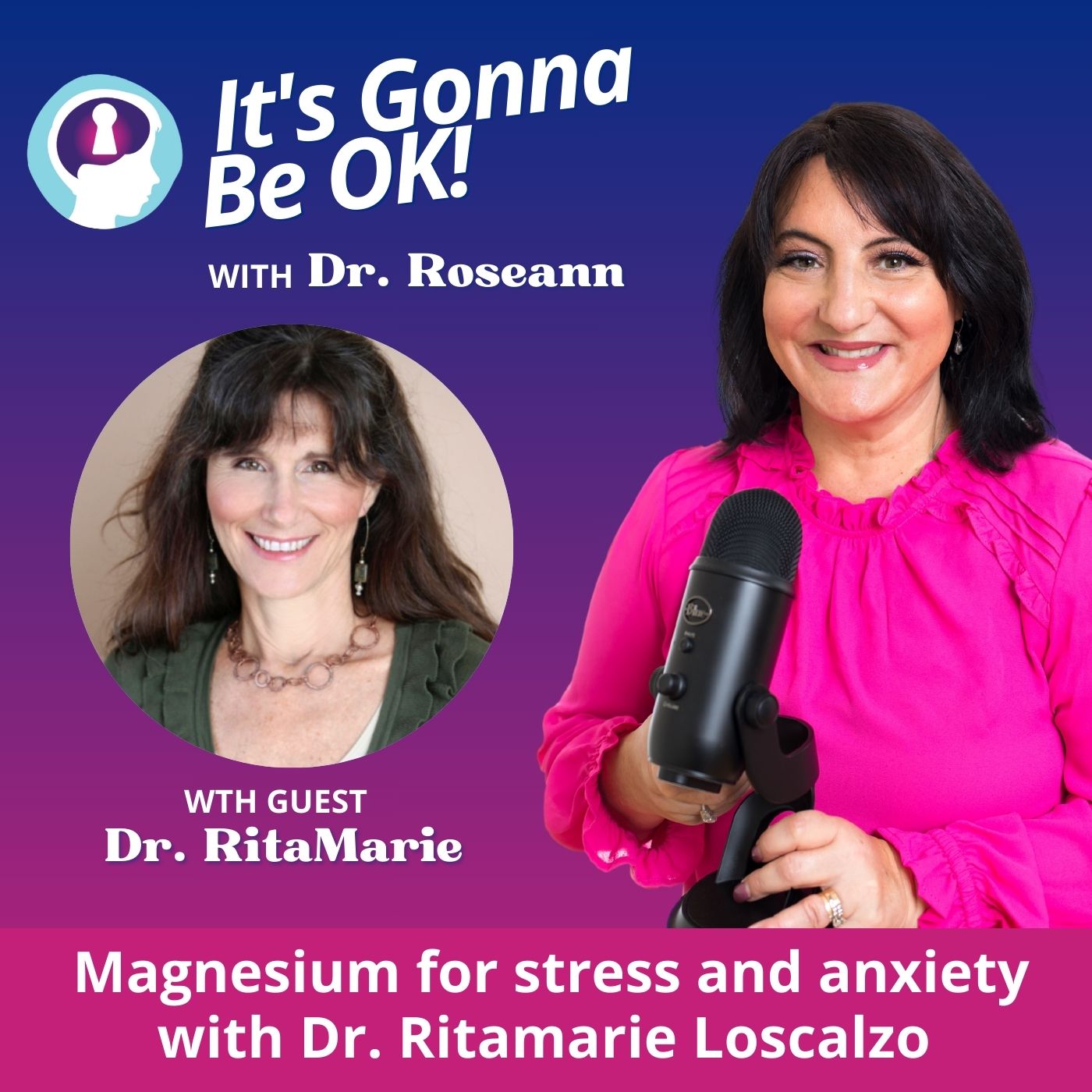
Magnesium for stress and anxiety with Dr. Ritamarie Lascalzo | Nervous System Strategies | E122
from Dysregulated Kids: Science-Backed Parenting Help for Behavior, Anxiety, ADHD and More
Magnesium for Stress and Anxiety: Supporting Your Child’s Nervous SystemIf your child seems “always on edge,” can’t sleep, or melts down over small things, you’re not alone. Chronic stress impacts kids’ nervous systems just like adults and magnesium plays a key role in helping the brain calm down.In this episode, Dr. Roseann sits down with Dr. Ritamarie Loscalzo, founder of the Institute of Nutritional Endocrinology, to explore how magnesium supports stress regulation, better sleep, and focus—especially for kids with ADHD, anxiety, or sensory challenges.In this episode, you’ll learn:• How magnesium for stress and anxiety helps regulate the nervous system • Signs that stress may deplete magnesium in kids • How magnesium impacts ADHD, anxiety, and autism symptoms • The best food and supplement sources for magnesium • Practical, brain-based strategies to support calm, focus, and emotional regulationWhat Does Magnesium Do for Stress and Anxiety?Magnesium is known as the “relaxation mineral” because it supports GABA production, a neurotransmitter that helps the brain feel calm and centered. When magnesium is low, the nervous system stays in fight-or-flight, making regulation difficult.Benefits include: • Promotes calm and emotional regulation by supporting GABA • Helps relax muscles and improve sleep quality • Reduces irritability, restlessness, and anxiety • Supports focus and attention in kids with ADHDParent example: If bedtime routines become a nightly battle, magnesium glycinate or magnesium with L-theanine can help your child relax and sleep more easily.Can Stress Deplete Magnesium Levels in Kids?Yes. Stress burns through magnesium stores, and deficiencies can make the brain more reactive—even with a healthy diet.Key points: • Processed foods and chronic stress reduce magnesium levels • Genetic factors may affect absorption or utilization • Supplementation helps rebuild reserves for calm and focusBehavior is communication—low magnesium can show up as irritability, poor focus, or meltdown behavior. Calm the brain first to support regulation.How Does Magnesium Help Kids with ADHD or Autism?Many children with ADHD or autism have low magnesium levels, which can worsen hyperactivity, impulsivity, and stress responses.Parent-observed benefits: • Calmer transitions and fewer meltdowns • Better concentration and learning • More restful sleep and reduced nighttime wakingBest Magnesium Sources for Stress and SleepDietary sources: • Leafy greens (spinach, kale) • Pumpkin seeds and almonds • Avocados and bananas • Dark chocolate (kid favorite!)Supplements: • Magnesium glycinate – promotes calm and better sleep • Magnesium citrate – gentle on digestion • Magnesium with L-theanine – supports relaxation⚠️ Always consult a healthcare provider to determine the right dose. Too much magnesium can upset digestion or create imbalances.🗣️ “Stress burns through our body’s magnesium stores, and without enough, the brain can’t shift out of fight-or-flight. Magnesium is the foundation for calm.” — Dr. RoseannListen + Take the Next StepMagnesium isn’t a magic fix, but it is a foundation for nervous system regulation. Consistency matters, paired with healthy routines, diet, and brain-based strategies.Get your FREE Regulation Rescue Kit to support calm, focus, and emotional regulation: 👉 www.drroseann.com/newsletterTakeawaySupporting your child’s nervous system with magnesium improves stress regulation, sleep, and attention. When paired with brain-based tools and consistent routines, your child can feel calmer, think clearer, and manage emotions more effectively.It’s not bad parenting—it’s a dysregulated brain. You’re not alone, and it’s gonna be OK.FAQs: Magnesium for Stress and AnxietyQ1: What type of magnesium is best for anxiety? A1: Magnesium glycinate is gentle, highly absorbable, and supports relaxation and better sleep.Q2: Can magnesium help kids sleep better? A2: Yes. Magnesium helps muscles relax and supports the brain’s natural sleep rhythms.Q3: How long does magnesium take to work for stress? A3: Most children notice improvements within 1–2 weeks of consistent use.Q4: Can magnesium replace anxiety medication? A4: Magnesium can be a helpful first step, but always consult your healthcare provider before adjusting medication.Q5: What foods are highest in magnesium? A5: Leafy greens, pumpkin seeds, almonds, avocados, bananas, and dark chocolate are all magnesium-rich options.Dr. Roseann Capanna-Hodge helps parents understand Emotional Dysregulation in Children and teaches practical Nervous System Regulation in Children and Co-Regulation Techniques through her Regulation First Parenting™ approach.For more information, you may read this blog post: https://drroseann.com/best-magnesium-for-stress-relief/
Embed this episode
NOW PLAYING
Magnesium for stress and anxiety with Dr. Ritamarie Lascalzo | Nervous System Strategies | E122
No transcript for this episode yet
Similar Episodes
No similar episodes found.
Similar Podcasts
No similar podcasts found.