
EPISODE · Jul 8, 2026 · 18 MIN
1246-Reversible mTOR Mechanisms in Alzheimer’s Disease
from Paper Talk
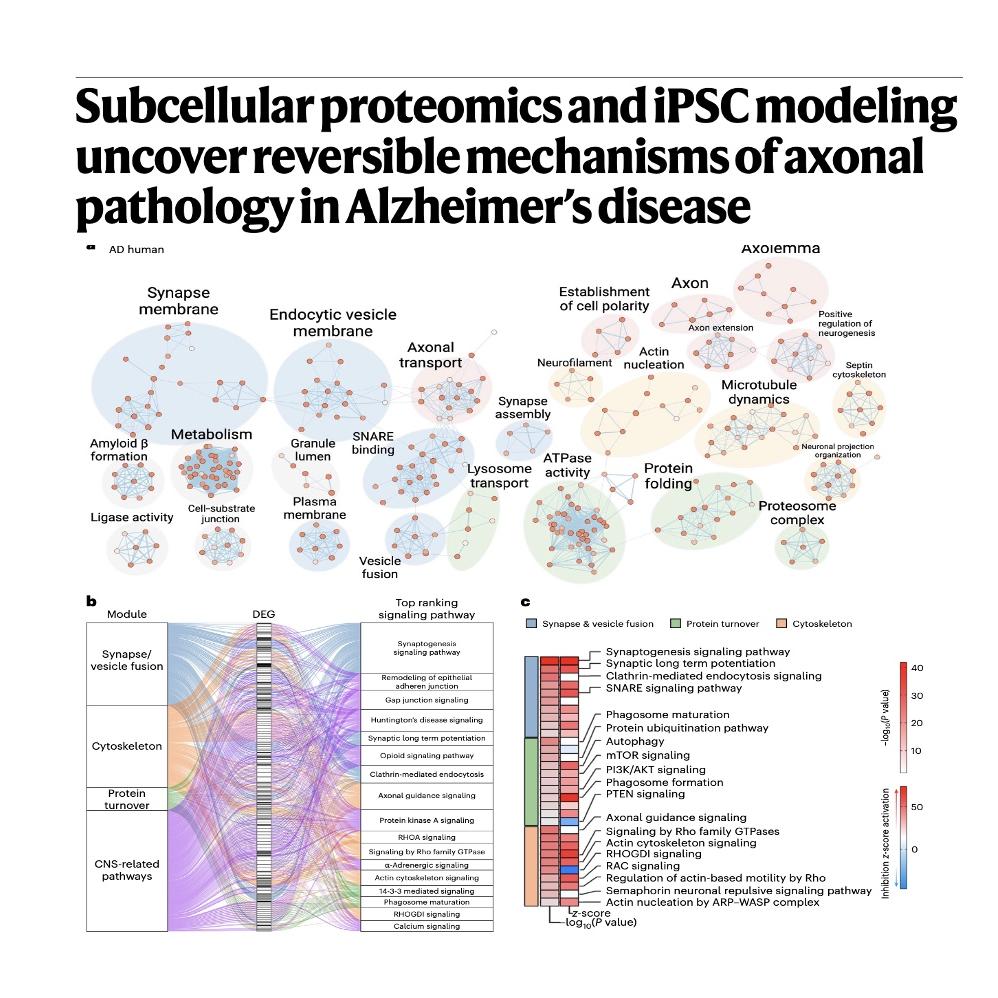
This research investigates the molecular drivers of axonal spheroids, which are swollen nerve fiber structures that cluster around amyloid plaques and disrupt brain connectivity in Alzheimer’s disease. By utilizing advanced proximity labeling proteomics on human and mouse brain tissues, the authors identified hundreds of proteins involved in lipid transport, cytoskeletal dynamics, and protein turnover. A key discovery is the overactivation of the PI3K/AKT/mTOR signaling pathway within these spheroids, which appears to fuel their pathological growth. Using human iPSC-derived neurons and animal models, the study demonstrates that mTOR inhibition can successfully reduce the size and severity of these axonal deformities. These findings suggest that targeting specific signaling pathways could potentially reverse axonal damage and restore neural circuit function in neurodegenerative conditions. The study ultimately provides a comprehensive multidisciplinary toolkit for identifying new therapeutic targets to combat the progression of Alzheimer’s disease.References:Cai Y, Kanyo J, Wilson R, et al. Subcellular proteomics and iPSC modeling uncover reversible mechanisms of axonal pathology in Alzheimer’s disease[J]. Nature Aging, 2025, 5(3): 504-527.前往小宇宙评论区与主播互动
Embed this episode
Ready to play
1246-Reversible mTOR Mechanisms in Alzheimer’s Disease
No transcript for this episode yet
Similar Episodes
No similar episodes found.
Similar Podcasts
No similar podcasts found.