
EPISODE · Jul 8, 2026 · 21 MIN
1247-Organ-Specific Proteomic Aging Clocks
from Paper Talk
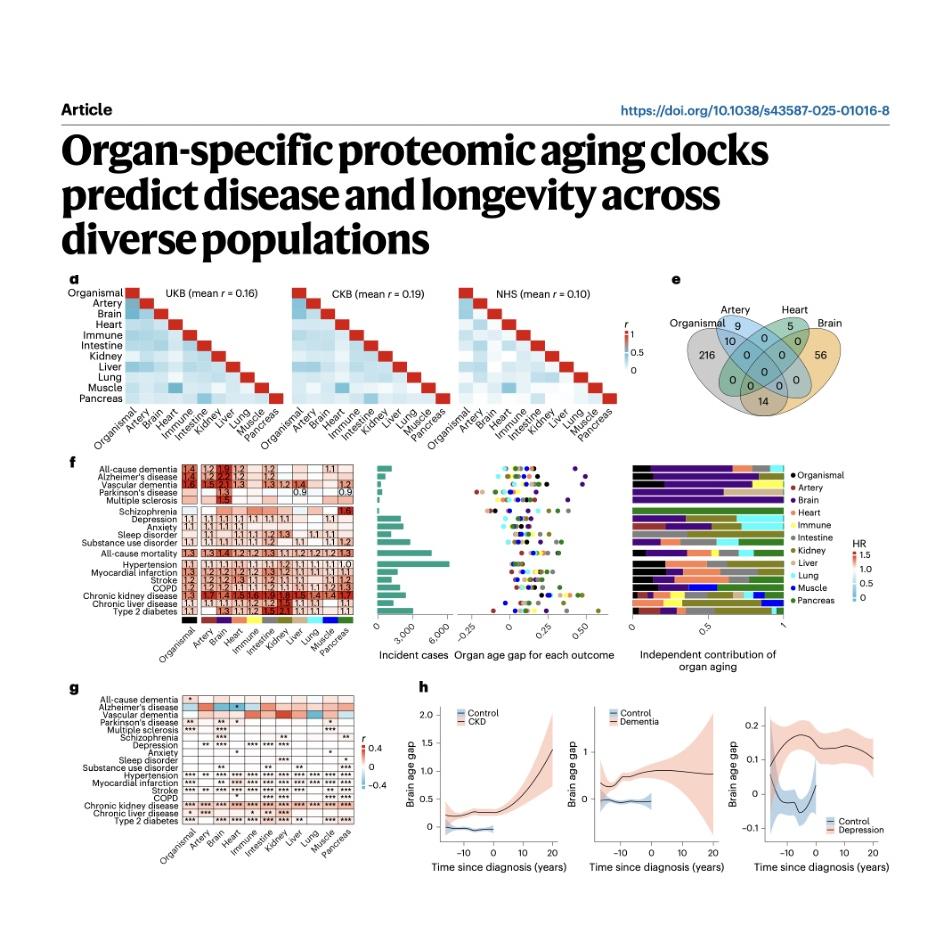
This research introduces a novel framework of organ-specific proteomic aging clocks developed using machine learning and plasma protein data from over 43,000 individuals. By analyzing proteins enriched in ten major organ systems, the study demonstrates that biological aging is heterogeneous across the body and that accelerated organ aging can predict disease onset and mortality more accurately than chronological age. Specifically, a "brain aging clock" was identified as a powerful, noninvasive predictor of dementia and neurodegenerative decline, even showing the ability to identify resilience in high-risk genetic groups. The researchers further validated these findings across diverse global populations in China and the USA, ensuring the models' broad applicability. Ultimately, the study provides a parsimonious clinical tool—using as few as ten proteins—to monitor health, evaluate lifestyle impacts, and guide targeted longevity interventions.References:Wang Y, Xiao S, Liu B, et al. Organ-specific proteomic aging clocks predict disease and longevity across diverse populations[J]. Nature Aging, 2026, 6(1): 162-180.前往小宇宙评论区与主播互动
Embed this episode
Ready to play
1247-Organ-Specific Proteomic Aging Clocks
No transcript for this episode yet
Similar Episodes
No similar episodes found.
Similar Podcasts
No similar podcasts found.