
EPISODE · Nov 28, 2018 · 43 MIN
#126 A Fancy Mess
from Bruce Lee Podcast · host Shannon Lee
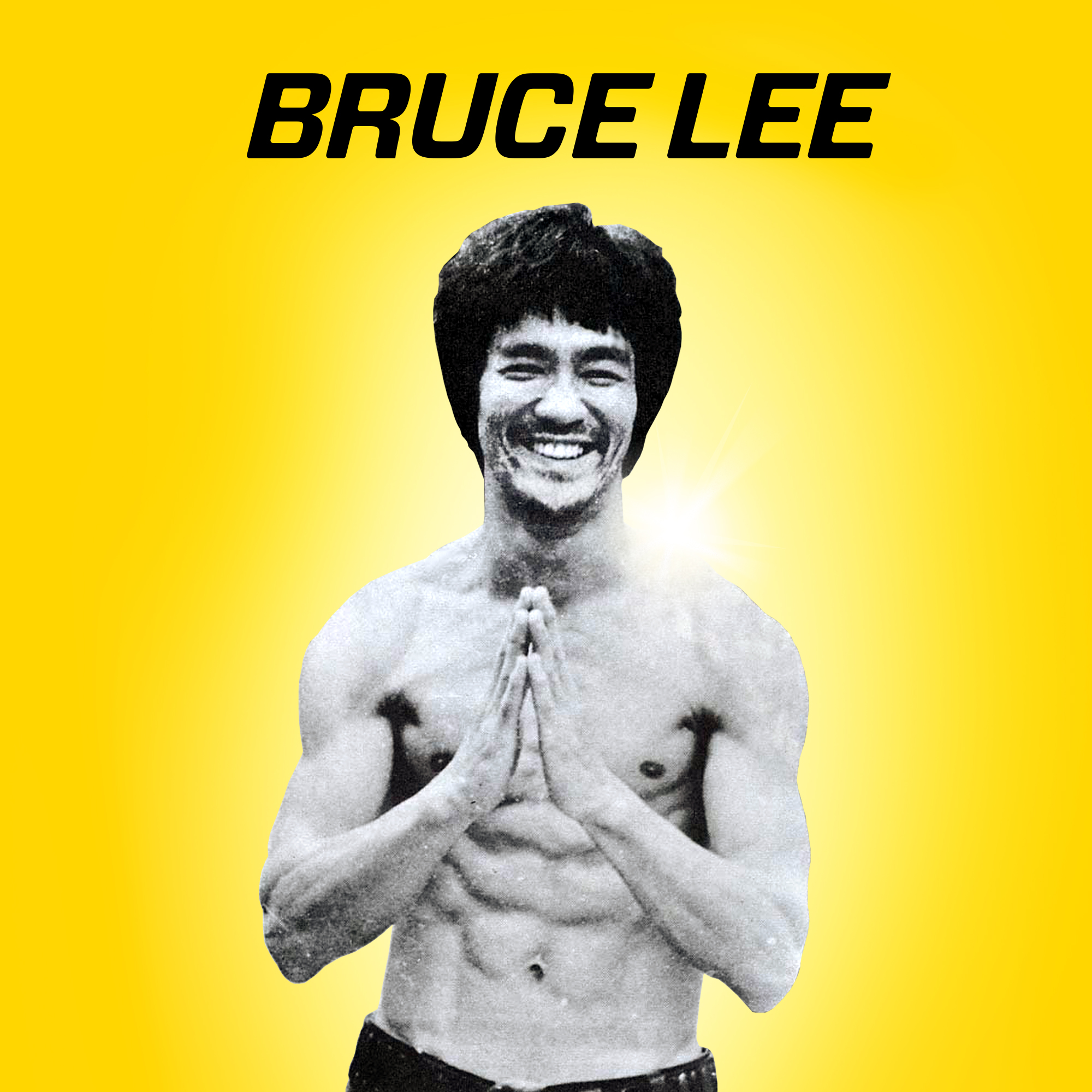
Bruce Lee referred to the separateness of all the martial arts styles as a "Fancy Mess" or "Organized Despair." This included the blind devotion of martial arts students who lacked a real sense of individual and personal investigation and growth. Bruce Lee created his own art of Jeet Kune Do which he called the "style of no style." He was really interested, both combatively and philosophically, in researching one's own experience and creating what works for you as an individual. Bruce had his own ideas about his own techniques, what worked best and what had efficiency and simplicity when it came to fighting. He passed these ideas along to his students, but he was open to the idea that these ideas could be tested and changed depending on who you were as an individual. "A Fancy Mess" refers to the rigidity of certain styles of martial arts which require memorization and regurgitation without any deviation from the style. These different styles were often in competition with each other over which was the best. Bruce was against this form of competition and the rigidity of this thinking. "In the long history of martial arts, the instinct to follow and imitate seems to be inherent in martial artists, instructors and students alike. This is partly due to human tendency and partly because of the steep traditions behind multiple patterns of styles. Consequently, to find a refreshing, original master teacher is a rarity. The need for a 'pointer of the way' echoes." Everyone has to start with a style when they are just beginning their studies and it is natural for students to imitate the styles of their teachers as they learn. Bruce himself started by learning a style of martial arts called wing chun gung fu under renowned master Yip Man. However, Bruce believed that once you learn the basics you need to transcend to the next level instead of staying stuck in the routine. As a teacher, Bruce believed his function was to be a pointer of the way and not just hand down knowledge. With martial arts, teachers would be positioned as gurus with followers. These master teachers had a lot of expertise and knowledge and the people who followed them became blind devotees. This can make people very unaccepting of other ideas because anything outside of their system was deemed "wrong." "Each man belongs to a style which claims to possess truth to the exclusion of all other styles. These styles become institutes with their explanations of the "Way," dissecting and isolating the harmony of firmness and gentleness, establishing rhythmic forms as the particular state of techniques." These institutions provide safety, assurance, credibility and status, which all feel good when you are just a beginner and unsure about yourself. That feeling of belonging can feel so good that you shut down your curiosity and become blindly loyal. There is nothing wrong with being part of a group or having skill in a particular style. It only becomes an issue when it starts to create discord between yourself and other people. "Instead of facing combat in its suchness, then, most systems of martial art accumulate a "fancy mess" that distorts and cramps their practitioners and distracts them from the actual reality of combat, which is simple direct. Instead of going immediately to the heart of things, flowery forms (organized despair) and artificial techniques are ritualistically practiced to simulate actual combat. This, instead of "being" in combat these practitioners are "doing" something "about" combat." Full Notes: BruceLee.com/podcast Check out our Podcast Bundle on the Bruce Lee Store! Follow us @Brucelee & write us at [email protected]
Embed this episode
Ready to play
#126 A Fancy Mess
No transcript for this episode yet
Similar Episodes
No similar episodes found.
Similar Podcasts
No similar podcasts found.