
EPISODE · Aug 7, 2024 · 17 MIN
#129 Invasieve versus wilde planten
from Menno en Erwin over de Natuur en Wetenschap · host Erwin Balkema and M.P.Gerkema
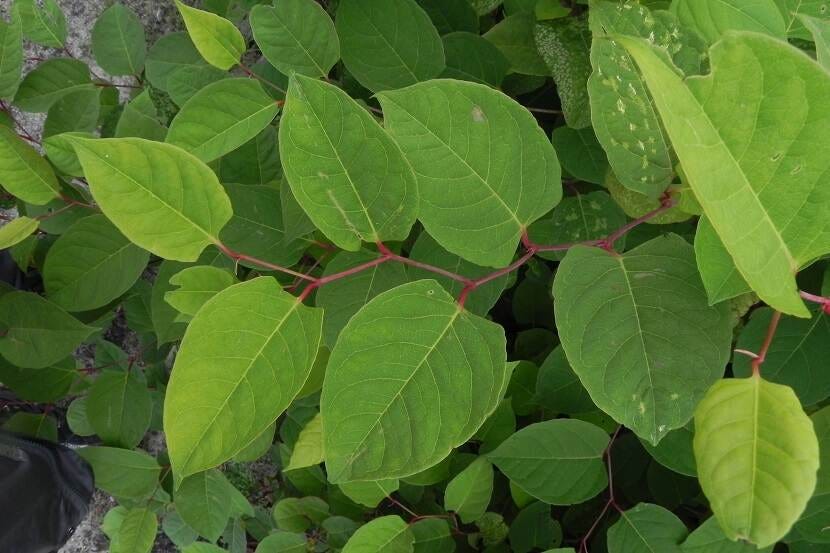
Al heel lang proberen mensen de plantenwereld naar hun hand te zetten. We selecteren en we kweken soorten waar we profijt van denken te hebben, vooral qua voeding maar ook wel omdat ze er mooi uitzien of beschutting bieden. Andere, niet meteen nuttig gevonden planten worden dan vaak ‘wilde planten’ genoemd. Daarvan hebben we er zo’n 2300 soorten in Nederland. Maar inmiddels hoort daar een woord bij, namelijk inheemse wilde planten. Want de mens heeft er voor gezorgd dat planten van elders steeds meer kansen bij ons krijgen. Onze insecten zijn niet geraadpleegd, en die kunnen vaak weinig met de nieuwelingen aanvangen en natuurlijke vijanden ontbreken vaak geheel.Vroeger al kenden we adventieve planten van elders, onder de naam pothoofdplanten, naar de aanlandingsplaats bij Deventer van graan vanuit de hele wereld voor meelfabrieken. Inmiddels komen er zo’n acht nieuwe soorten per jaar bij. Deze neofieten zijn voor een klein deel Zuid-Europese soorten die het nu via de klimaatopwarming ook bij ons beginnen te redden. Maar het merendeel zijn verwilderde, ingevoerde tuinplanten. Daarbij zijn er een aantal exotische soorten die inmiddels steeds sterker onze natuur bedreigen. Zulke soorten worden invasief genoemd. We bespreken hier een drietal opvallend oprukkende soorten..De Japanse duizendknoop komt met zijn ondergrondse wortelstokken door de kleinste spleten, de wortels vormen vrijwel onverwoestbare snoeren met knopen waaruit stengels groeien, een geheel dat niet alleen tuinen overwoekert, maar ook gebouwen, bruggen en wegen aantast. Begrazen door varkens maar nog beter door schapen vormt soms een deeloplossing. Voor de rest blijft niets anders dan eindeloos maaien, wortelstokken zorgvuldig uitgraven (en verwijderen in de grijze ton!). Heel West-Europa, Canada, Amerika, Australië en Nieuw-Zeeland, allemaal worstelen ze er mee. De plant is nota bene ooit door een Duitse arts in Leiden ingevoerd en verhandeld in zijn postorderbedrijf in de negentiende eeuw (een exemplaar staat nog in de Hortus).Makkelijker weg te krijgen maar gevaarlijker voor de gezondheid is de Reuzenberenklauw. Drie tot vijf meter hoog wordt die plant en aanraking op de huid leidt tot ernstige brandwonden. Met zijn grote witte bloemen is het een prachtige plant, in Noord-Noorwegen noemen ze hem zelfs trots de Tromsø-palm. Om ze op te ruimen is beschermende kleding nodig. Ondergronds uitsteken is de beste methode, maaien moet tot wel vijf keer per jaar. Begrazen met schapen en geiten is ook een oplossing. Een derde invasieve kampioen is de reuzenbalsemien. Het springzaad schiet als de vruchten rijp zijn vaak meters ver weg. Daardoor overwoekeren ze al heel snel een gebied. De plant is simpel uit te trekken, beter natuurlijk als de vruchten nog niet rijp zijn. Het probleem van alle drie soorten is vooral hun voorkomen in openbaar groen en natuurgebieden. Als de beheerders niet snel ingrijpen kan het binnen enkele jaren geheel uit de hand lopen. Des te belangrijker is het om in onze tuinen goed op te passen en deze soorten geen kans te geven op vermeerdering.Eng:Menno and Erwin: Invasive vs. Wild PlantsFor a long time, humans have tried to control the plant world. We select and cultivate species we think will benefit us, primarily for food but also because they look nice or provide shelter. Other plants that are not immediately seen as useful are often called ‘wild plants.’ In the Netherlands, we have about 2,300 of these species. However, nowadays, we refer to them as native wild plants because humans have increasingly given plants from elsewhere a chance to thrive here. Our insects were not consulted, and they often cannot handle these newcomers, which usually lack natural enemies.In the past, we knew of adventive plants from elsewhere, known as ‘pothead plants,’ named after the landing place in Deventer where grain from around the world arrived for flour mills. Nowadays, about eight new species arrive each year. These neophytes are partially southern European species that can now survive here due to climate warming. However, the majority are escaped, imported garden plants. Some exotic species have begun to significantly threaten our nature. These species are called invasive. Here, we discuss three notably aggressive species.Japanese Knotweed spreads through underground rhizomes that can penetrate the smallest cracks, forming nearly indestructible cords with nodes from which stems grow. This not only overtakes gardens but also damages buildings, bridges, and roads. Grazing by pigs, but even better by sheep, can sometimes provide a partial solution. Otherwise, endless mowing and carefully digging out (and disposing of in the grey bin) the rhizomes remain necessary. All of Western Europe, Canada, America, Australia, and New Zealand are struggling with it. Ironically, the plant was once introduced by a German doctor in Leiden and sold through his mail-order company in the nineteenth century (a specimen still stands in the Hortus).Giant Hogweed is easier to remove but more dangerous to health. This plant grows three to five meters tall, and contact with the skin can cause severe burns. With its large white flowers, it is a beautiful plant, even proudly called the Tromsø palm in Northern Norway. Protective clothing is necessary for removal. Digging out underground is the best method, and mowing must be done up to five times a year. Grazing with sheep and goats is also a solution.A third invasive champion is the Himalayan Balsam. Its seeds shoot meters away when the fruits are ripe, quickly overtaking an area. The plant is easy to pull out, preferably before the fruits are ripe. The problem with all three species is primarily their presence in public green spaces and nature reserves. If managers do not act quickly, it can get out of hand within a few years. It is, therefore, crucial to be vigilant in our gardens and not give these species a chance to multiply. Get full access to Menno en Erwin over de natuur en wetenschap at www.mennoenerwin.nl/subscribe
Embed this episode
NOW PLAYING
#129 Invasieve versus wilde planten
No transcript for this episode yet
Similar Episodes
No similar episodes found.
Similar Podcasts
No similar podcasts found.