
EPISODE · Oct 19, 2023 · 13 MIN
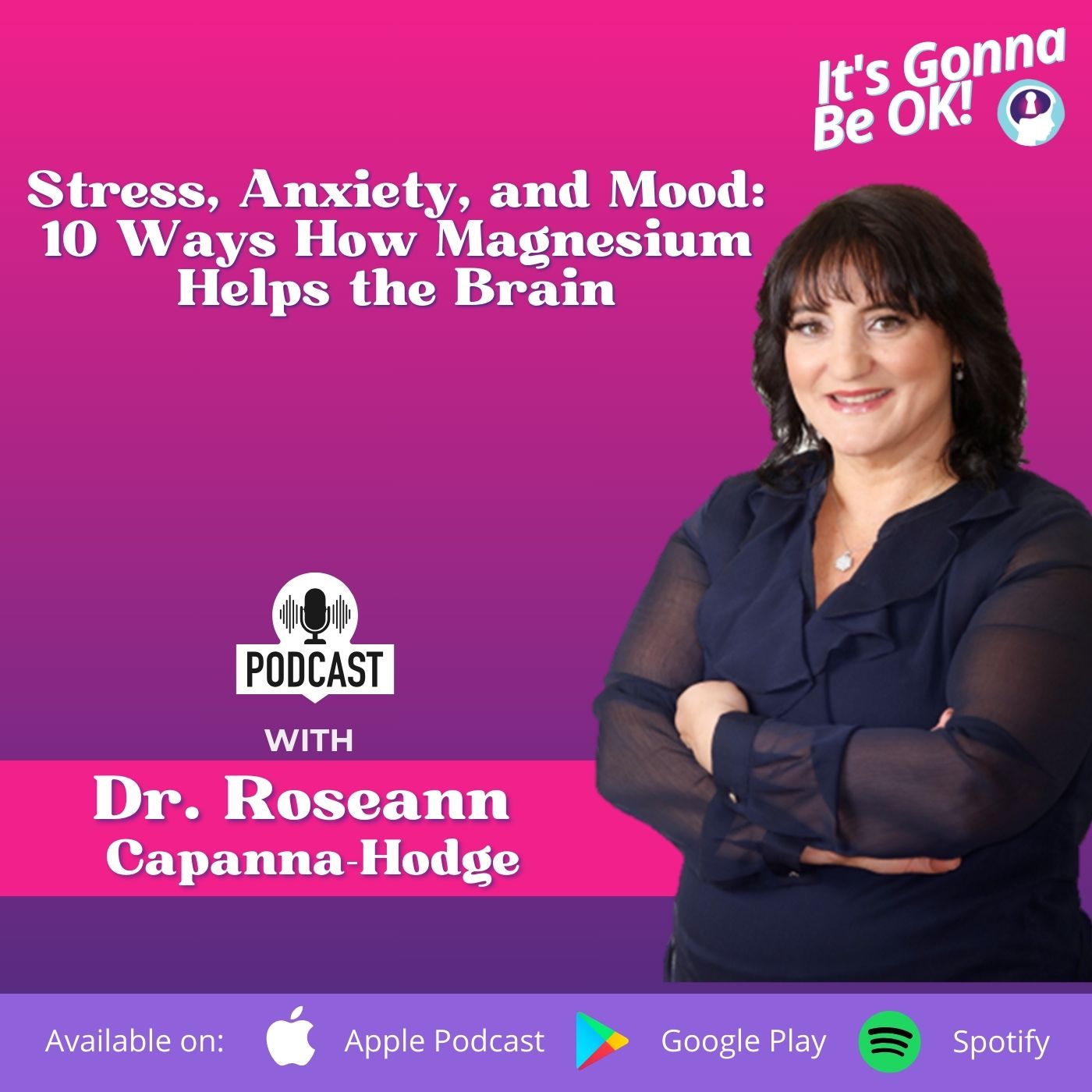
10 Ways How Magneium Helps the Brain | Nervous System Strategies | E129
from Dysregulated Kids: Science-Backed Parenting Help for Behavior, Anxiety, ADHD and More
How Does Magnesium Help the Brain: Supporting Stress, Focus, and Sleep in KidsEstimated Reading Time: 6 minutesEpisode Summary: If your child seems constantly stressed, anxious, or struggles to calm down, you’re not alone. In today’s overstimulating world, kids’ brains are under more pressure than ever. Magnesium plays a surprisingly big role in calming the nervous system, supporting focus, improving sleep, and regulating mood.In this episode, Dr. Roseann explains how magnesium impacts the brain, why it’s essential for children with ADHD, anxiety, or emotional dysregulation, and how parents can use diet, supplements, and nervous system strategies to help their children thrive.In this episode, you’ll learn:• Why magnesium matters for kids’ mental health • How magnesium supports focus, memory, and learning • Signs your child may be low in magnesium • Ways to combine nutrition with nervous system regulation • Science-backed strategies for calming emotional dysregulationWhy does magnesium matter for kids’ mental health?Magnesium helps the nervous system handle stress, supports neurotransmitters, and protects the brain from overstimulation.Key takeaways:Regulates cortisol to reduce chronic stress and irritabilitySupports serotonin production for mood stabilityProtects brain cells from overstimulation and inflammationImproves sleep by calming the nervous systemParent example: A mother reported her son’s after-school meltdowns eased within two weeks of magnesium glycinate supplementation. His focus improved, and bedtime battles were shorter.Can magnesium really calm an anxious brain?Yes. Magnesium works in combination with other tools to regulate the nervous system.Tips:Offer magnesium-rich foods: spinach, avocado, almondsConsider supplements like magnesium glycinate with provider guidancePair with calming strategies: breathing exercises or PEMFWhen the brain has what it needs, kids handle stress without spiraling into dysregulation.How does magnesium support focus, learning, and memory?Magnesium helps brain circuits work efficiently, improving attention, cognitive flexibility, and emotional control.Why it matters:Improves memory and learningSupports focus for ADHD and learning challengesEnhances adaptability to stress and new tasksBig idea: Calm the brain first—when the nervous system is balanced, learning sticks.Could inflammation or genetics affect magnesium levels?Yes. Stress, diet, and genetics can reduce magnesium absorption or increase needs.Pro tip: Pair magnesium with B vitamins and omega-3s for enhanced regulation.🗣️ “Magnesium is one of my all-time favorite brain nutrients because it calms the nervous system and supports healthy brain function—naturally.” — Dr. RoseannListen + Take the Next StepMagnesium is a foundational tool to support emotional regulation, sleep, and focus. Combine with calm routines and brain-based strategies to help your child thrive.Get your FREE Regulation Rescue Kit for guidance: 👉 www.drroseann.com/newsletterTakeawayMagnesium supports brain function by regulating stress, improving sleep, and enhancing focus. With consistent support, children can learn, regulate, and feel calmer.It’s not bad parenting—it’s a dysregulated brain needing the right tools. You’re not alone, and it’s gonna be OK.FAQs: Magnesium and the BrainQ1: What type of magnesium is best for anxiety? A1: Magnesium glycinate is gentle, highly absorbable, and supports relaxation and better sleep.Q2: Can magnesium help kids sleep better? A2: Yes. Magnesium calms the nervous system and supports natural sleep rhythms.Q3: How long does magnesium take to work for stress? A3: Improvements are often noticed in 1–2 weeks of consistent use.Q4: Can magnesium replace anxiety medication? A4: Magnesium can help, but always consult your provider before adjusting medications.Q5: What foods are high in magnesium? A5: Leafy greens, avocados, almonds, spinach, pumpkin seeds, and dark chocolate.Dr. Roseann Capanna-Hodge helps parents understand Emotional Dysregulation in Children and teaches practical Nervous System Regulation in Children and Co-Regulation Techniques through her Regulation First Parenting™ approach.
Embed this episode
NOW PLAYING
10 Ways How Magneium Helps the Brain | Nervous System Strategies | E129
No transcript for this episode yet
Similar Episodes
No similar episodes found.
Similar Podcasts
No similar podcasts found.