
EPISODE · Jul 22, 2026 · 22 MIN
1318-PIEZO1-SLC7A11-Glutamate Axis in Chronic Bladder Pain
from Paper Talk
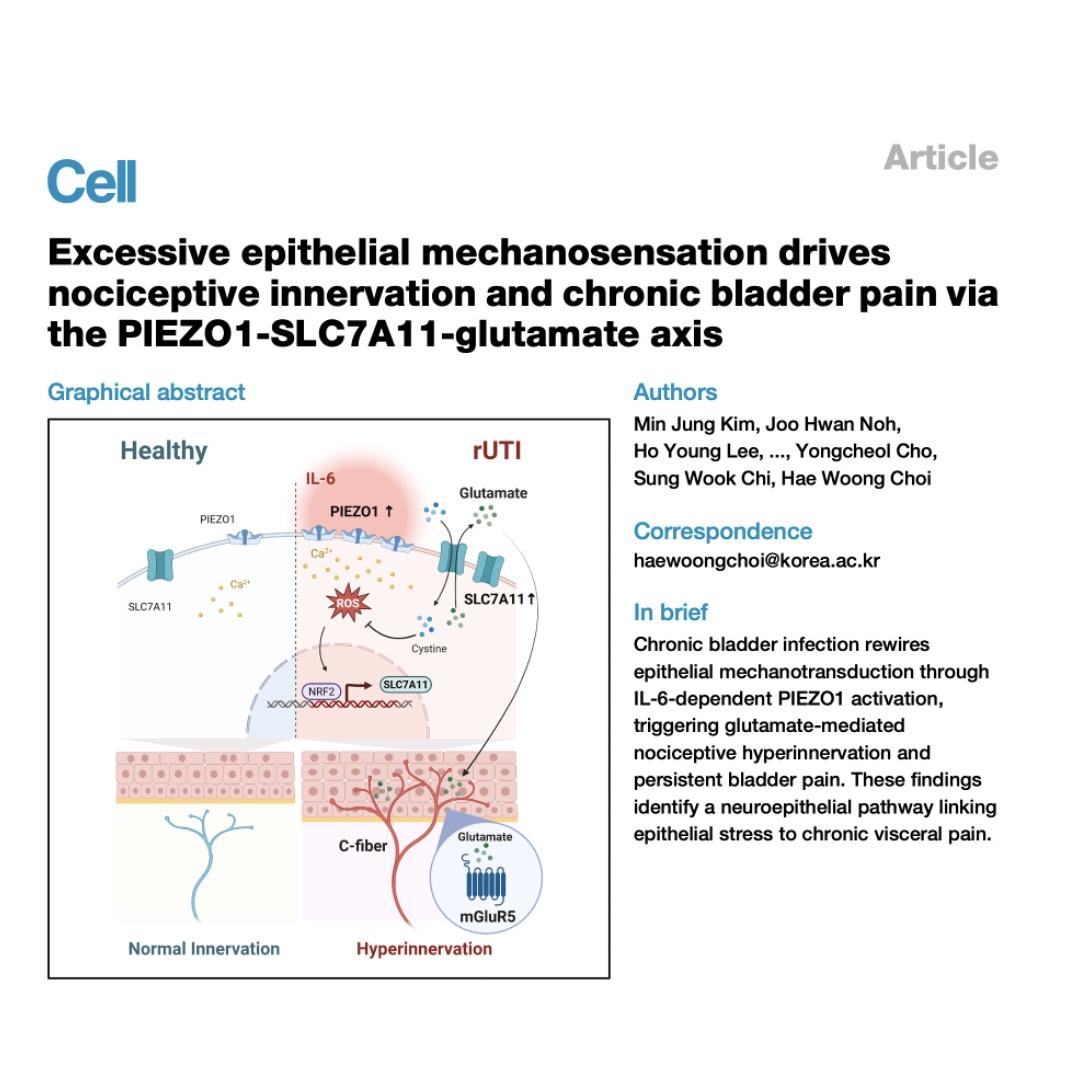
This research identifies a specific biological pathway, the PIEZO1-SLC7A11-glutamate axis, as the primary driver of chronic bladder pain and urinary dysfunction following recurrent infections. The study reveals that the inflammatory cytokine IL-6 causes an overabundance of the mechanosensitive ion channel PIEZO1 in the bladder lining, which leads to excessive oxidative stress during physical movement or stretching. To counter this stress, cells activate the antioxidant transporter SLC7A11, which unintentionally triggers a massive release of glutamate into the surrounding tissue. This chemical surge stimulates the abnormal growth and hypersensitivity of pain-sensing C-fiber nerves, effectively rewiring the bladder's sensory system. By demonstrating that pharmacological inhibitors of SLC7A11 can reverse these symptoms, the authors suggest a new therapeutic strategy for treating persistent pelvic pain syndromes. Consequently, the research redefines the bladder epithelium not just as a passive barrier, but as an active signaling center that converts mechanical and inflammatory stress into chronic neurological pain.References:Kim M J, Noh J H, Lee H Y, et al. Excessive epithelial mechanosensation drives nociceptive innervation and chronic bladder pain via the PIEZO1-SLC7A11-glutamate axis[J]. Cell, 2026.前往小宇宙评论区与主播互动
Embed this episode
Ready to play
1318-PIEZO1-SLC7A11-Glutamate Axis in Chronic Bladder Pain
No transcript for this episode yet
Similar Episodes
No similar episodes found.
Similar Podcasts
No similar podcasts found.