
EPISODE · Oct 27, 2023 · 11 MIN
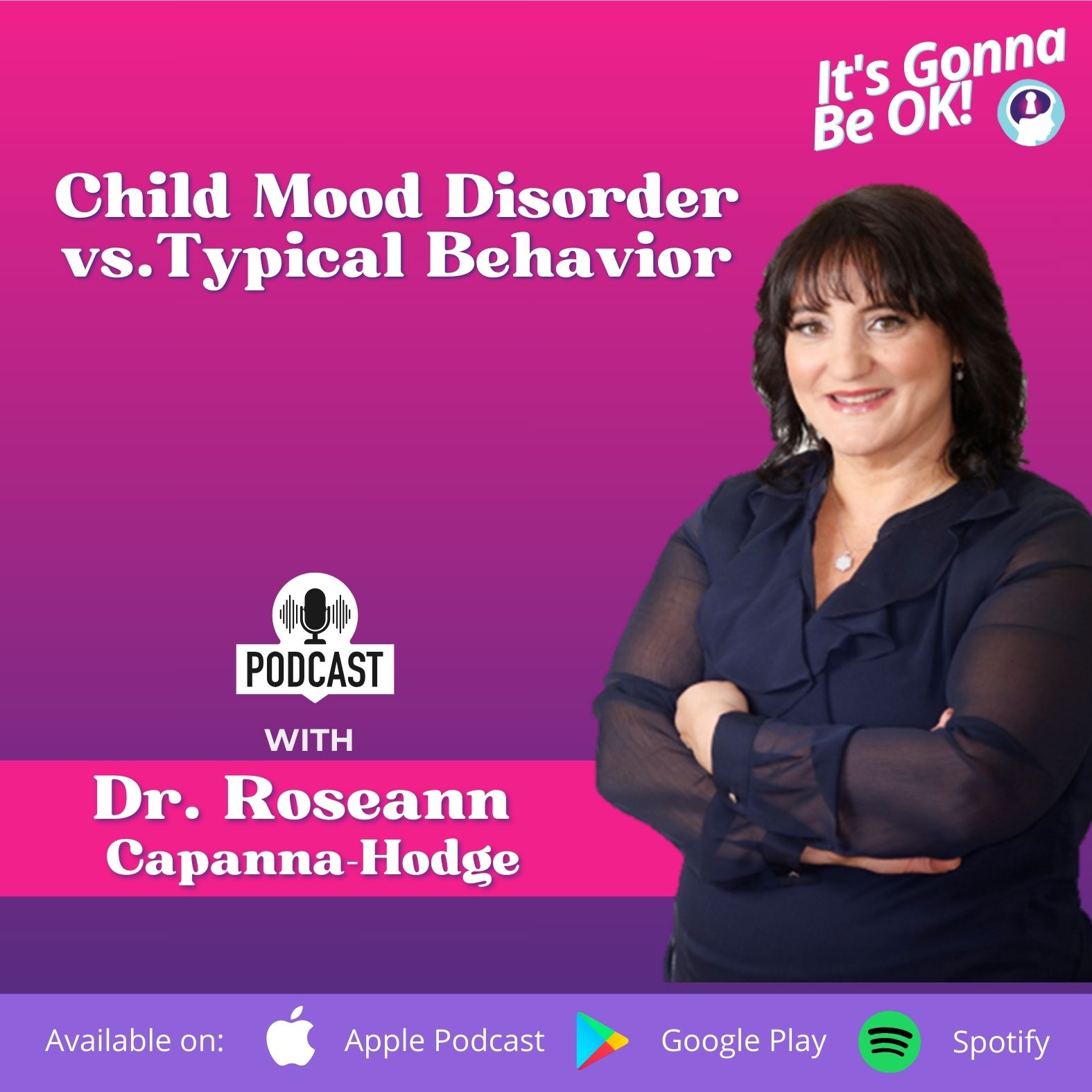
Child Mood Disorder vs.Typical Behavior | Emotional Dysregulation in Children | E133
from Dysregulated Kids: Science-Backed Parenting Help for Behavior, Anxiety, ADHD and More
Child mood disorder symptoms can sometimes look very similar to typical childhood behavior, making it difficult for parents to know when something more serious may be happening. In this episode, I explain how to recognize the difference between a child mood disorder and normal emotional ups and downs, what warning signs parents should watch for, and when additional support may be needed.Every child experiences mood changes, frustration, sadness, and emotional reactions as they grow and develop. However, a child mood disorder often involves patterns that are more intense, persistent, and disruptive than what is typically expected for a child's age and stage of development.In this episode, you'll learn:• The difference between typical behavior and a child mood disorder• Common signs parents may overlook• How emotional dysregulation can impact behavior• When to seek professional supportWhat is a child mood disorder?Mood disorders affect how children experience, process, and regulate emotions.Possible signs may include:• Persistent irritability or sadness• Extreme mood swings• Emotional outbursts that seem disproportionate• Withdrawal from friends or activities• Changes in sleep, energy, or motivation• Difficulty functioning at home, school, or sociallyWhile occasional emotional ups and downs are normal, persistent symptoms may require closer attention.Behavior is communication.It's not bad behavior—it's often a sign that a child is struggling emotionally.Looking beneath the behavior helps parents identify what support may be needed.How can parents tell the difference?Questions to consider include:• Are the behaviors age-appropriate?• How long have the symptoms been occurring?• Are they interfering with daily functioning?• Do teachers, caregivers, or other adults see similar concerns?Patterns are often more important than isolated incidents.What role does emotional dysregulation play?Many children who struggle with emotional regulation experience:• Difficulty managing frustration• Intense emotional reactions• Trouble recovering from stress• Challenges with flexibility and copingSupporting nervous system regulation can help children build stronger emotional skills over time.When should parents seek help?Parents should consider additional support when symptoms:• Persist over time• Affect school performance• Impact relationships• Interfere with daily functioning• Cause significant distress for the child or familyEarly support often leads to better outcomes and helps children develop healthy coping skills.Understanding the difference between typical behavior and a child mood disorder allows parents to respond with greater confidence, compassion, and clarity.Need personalized next steps? Use the FREE Solution Matcher: drroseann.com/helpDr. Roseann Capanna-Hodge helps parents understand emotional dysregulation in children and teaches practical nervous system regulation and co-regulation strategies through her Regulation First Parenting™ approach.
Embed this episode
NOW PLAYING
Child Mood Disorder vs.Typical Behavior | Emotional Dysregulation in Children | E133
No transcript for this episode yet
Similar Episodes
No similar episodes found.
Similar Podcasts
No similar podcasts found.