
EPISODE · Oct 30, 2023 · 11 MIN
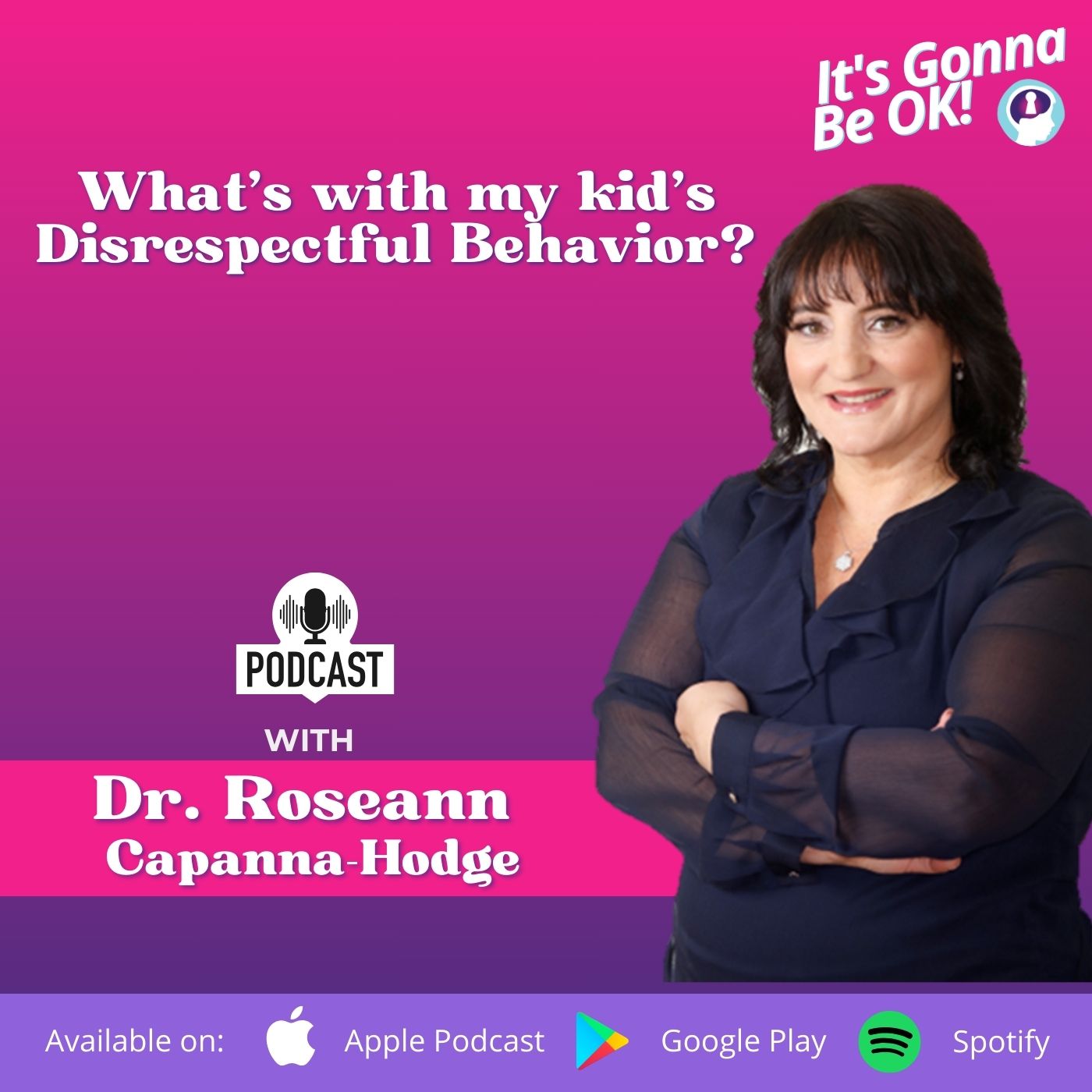
Disrespectful Behavior in kids | Emotional Dysregulation in Children | E134
from Dysregulated Kids: Science-Backed Parenting Help for Behavior, Anxiety, ADHD and More
Disrespectful Behavior in Kids: Understanding Dysregulation and Calming the BrainDisrespectful behavior in kids—snarky comments, backtalk, or explosive reactions—can leave parents exhausted and questioning their parenting. You’re not alone. Most of this behavior isn’t attitude; it’s nervous system dysregulation.In this episode, Dr. Roseann explains why kids act disrespectful, how dysregulation shows up in daily life, and practical strategies to stop blame, calm the brain, and support long-term emotional regulation.In this episode, you’ll learn:• why disrespectful behavior in kids is often dysregulation, not defiance • how to differentiate normal developmental snark from deeper nervous system challenges • the impact of parental modeling on child behavior • practical co-regulation strategies to reduce conflict and reinforce positive behaviorsWhat’s really happening in the brainWhen a child is overwhelmed, their brain can’t process instructions, emotional cues, or social expectations calmly. This creates behaviors that look rude or manipulative—but they are actually the child’s brain reacting to stress.Common triggers of dysregulation: • Developmental phases (toddler, teen) • Sensory overload or overstimulation • Emotional triggers or anxiety • Fatigue, hunger, or neuroinflammation • Family communication patternsKey takeaway: Behavior is communication. Disrespect = dysregulation, not willful defiance.How to spot if it’s more than typical snarkinessLook for patterns rather than isolated incidents. Ask yourself: • Frequency — Is it happening daily? • Intensity — Do small things create big reactions? • Recovery — How long does it take for them to calm down? • Context — Does it occur at transitions, after school, or around siblings?Could my parenting style be making it worse?Children mirror what they see. A tense, reactive, or inconsistent home environment can amplify dysregulation.What helps: • Model calm language and behavior • Set clear, explicit boundaries • Reduce yelling as a daily communication style • Practice patience—80% calm is enoughAre they seeking attention?Most kids aren’t consciously trying to be manipulative—they are seeking reinforcement, connection, or relief.Break the reinforcement loop: • Catch them being good • Reinforce positive behaviors more than negative • Teach co-regulation strategies to help them calmListen + Take the Next StepIf this episode helped you understand disrespectful behavior in kids, share it with another parent who needs support.Get your FREE Regulation Rescue Kit: 👉 www.drroseann.com/newsletterTakeawayDisrespect is a symptom, not the root problem. When we understand the nervous system, create calm first, and use co-regulation, real behavioral change is possible.In the next episode, Dr. Roseann shares strategies to address disrespectful behavior with practical tools for everyday life. You’re not alone, and there is hope.FAQs: Disrespectful Behavior in KidsQ1: How do I know if my child’s disrespect is actually dysregulation? A1: Look for patterns of overwhelm, quick emotional reactions, and difficulty calming down. These are hallmarks of a dysregulated nervous system.Q2: What if the disrespect only happens with me? A2: Children often unload where they feel safest. It’s not a sign of disrespect—it’s a sign of emotional overload.Q3: Can boundaries reduce disrespectful behavior? A3: Yes. Clear, consistent boundaries provide predictability, which reduces nervous system stress and reactive behavior.Dr. Roseann Capanna-Hodge helps parents understand Emotional Dysregulation in Children and teaches practical Nervous System Regulation in Children and Co-Regulation Techniques through her Regulation First Parenting™ approach.
Embed this episode
NOW PLAYING
Disrespectful Behavior in kids | Emotional Dysregulation in Children | E134
No transcript for this episode yet
Similar Episodes
No similar episodes found.
Similar Podcasts
No similar podcasts found.