
EPISODE · May 26, 2026 · 1H 9M
14. You Were Built to Need People: The Biology of One Plus One Equals Three
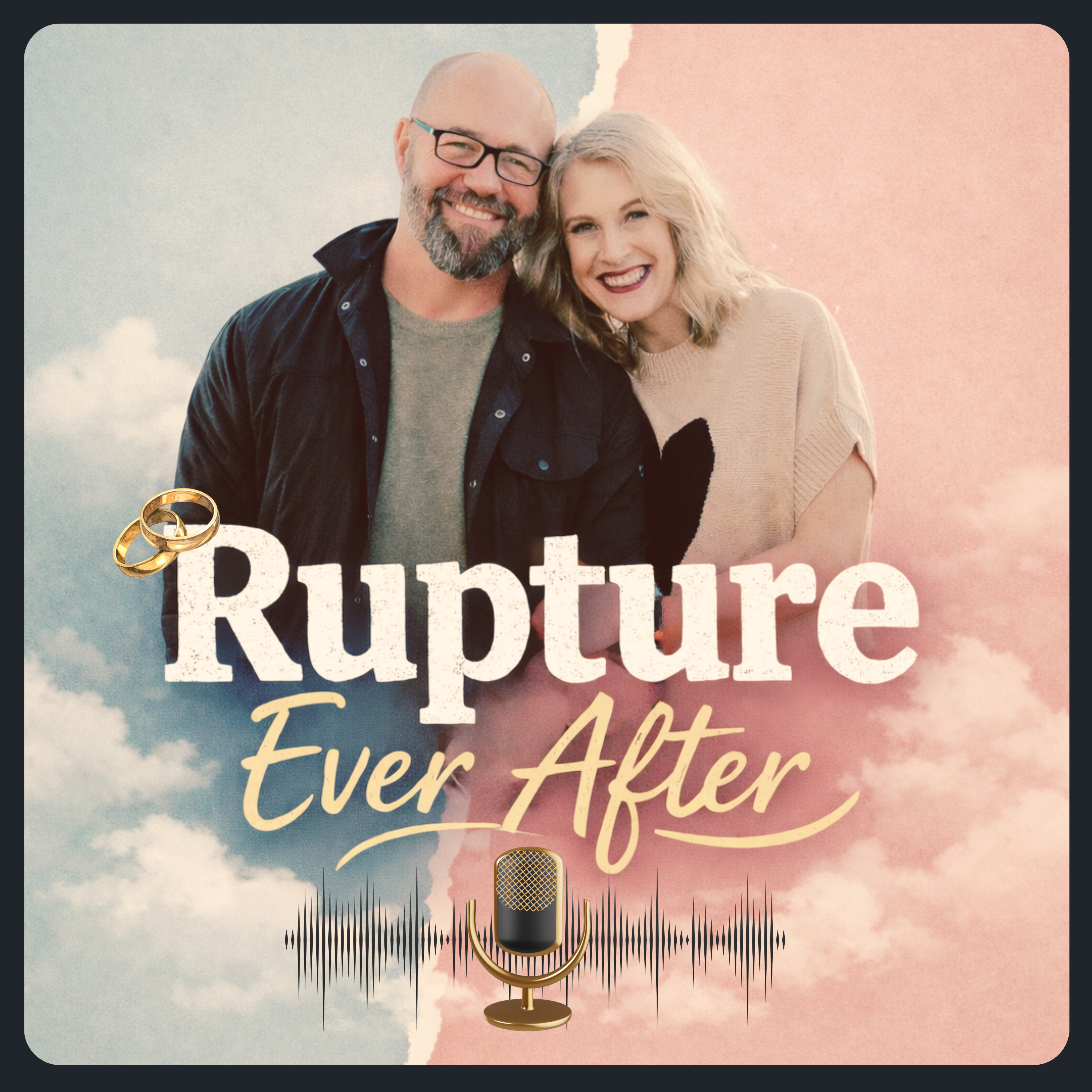
from Rupture Ever After · host Monte and Mechelle Wingle
https://ruptureeverafter.com/@mechellewingle @winglemoNervous system co-regulation, the three brain systems, and why love can't be fixed with Newtonian thinking — Mechelle and Monte Wingle unpack the neuroscience behind relational healing in this second deep episode of the A General Theory of Love series.They explain what your survival brain is doing when you feel activated. Why fight, flight, freeze, and fawn responses aren't character flaws — they're wiring. And what it actually means that humans are an open loop system designed to regulate each other's nervous systems.You've been told to think your way through your feelings. To be logical. To calm down. This episode explains why that advice, however well-meaning, misses the point entirely. Mechelle and Monte break down the three layers of human brain function — the ancient survival brain, the relational limbic brain, and the thinking neocortex — and why they don't always work as a team. This episode gives you the most important framework for understanding why ruptures happen at the biological level — and what it actually takes to repair them.Rupture Ever After is hosted by Mechelle and Monte Wingle. This series uses A General Theory of Love alongside neuroscience, attachment theory, and lived experience to ask: what if our theory of love was never detailed enough?Thanks for Sharing PodcastThewholenessnetwork.comInformation is not intended as professional advice and is for entertainment only.SEO Keywords: neuroscience of love, limbic system relationships, why therapy is hard, nervous system regulation, co-regulation marriage, attachment biology, triune brain love, polyvagal relationships, why I can't calm down, why do I feel anxious when my partner leaves, how to heal attachment wounds in marriage, nervous system co-regulation in relationships, trauma responses in close relationships, what is limbic resonance, fight flight freeze fawn explained simply, needing your partner is not codependence, difference between codependence and interdependence, IFS parts work in relationships, open loop mammalian system explained
Embed this episode
Ready to play
14. You Were Built to Need People: The Biology of One Plus One Equals Three
No transcript for this episode yet
Similar Episodes
No similar episodes found.
Similar Podcasts
No similar podcasts found.