
EPISODE · Aug 25, 2026 · 1H 5M
145: Der Herr denket an uns, BWV 196
from WTF Bach · host Evan Shinners
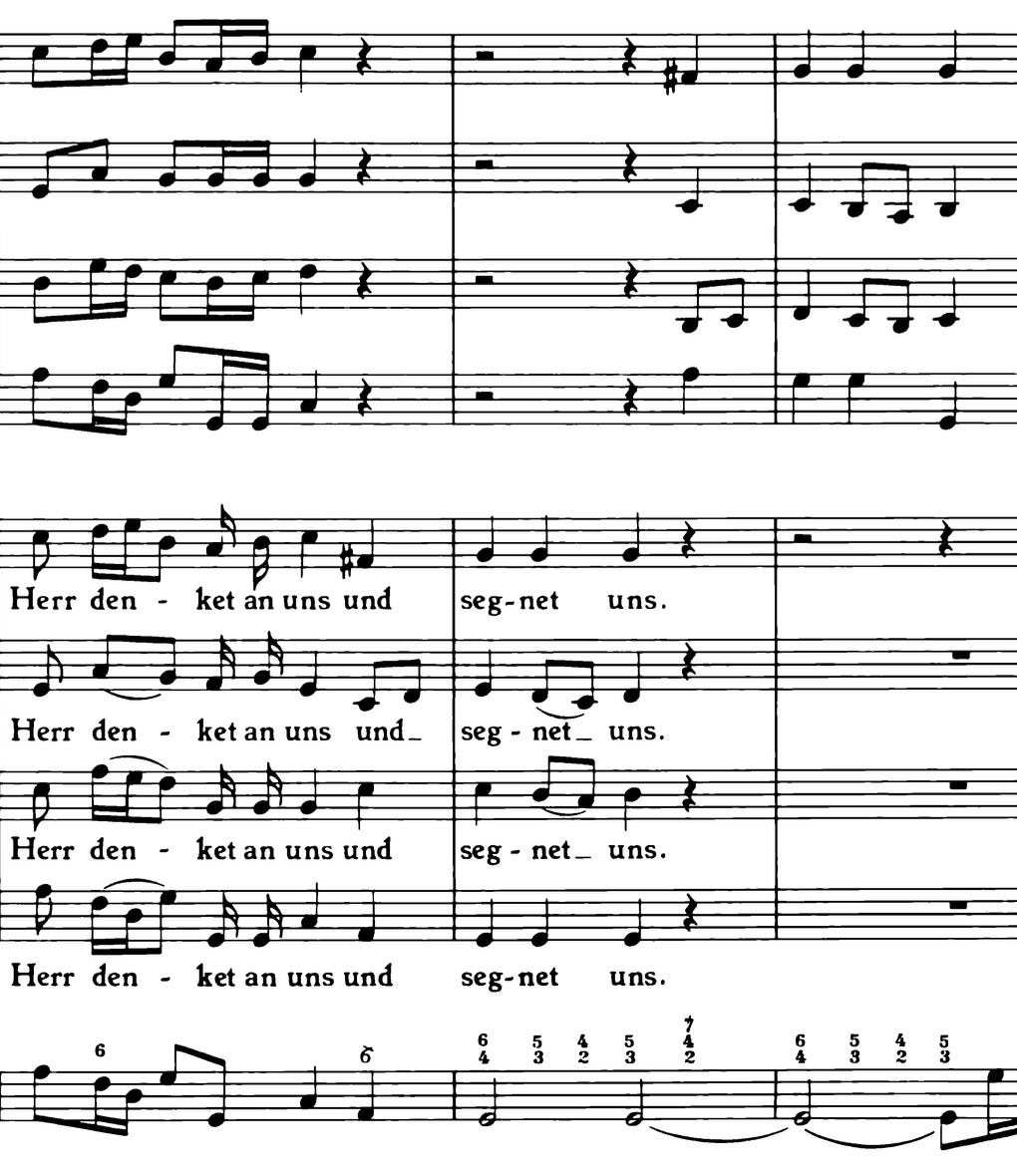
Bach married his second cousin, Maria Barbara, on October 17, 1707, in St. Bartholomäi’s Church (pictured in the cover image) in a charming little village called Dornheim. They were both 22. According to Spitta, some eight months later, Bach and Maria returned to that same church to attend the wedding of the man who had officiated their own: Johann Lorenz Stauber. J.S. Bach carried with him the parts to a cantata, and this work was heard for the first time in June, 1708.…or so the legend goes. Modern scholarship calls Spitta’s anecdote into question, but in any case, Der Herr denket an uns BWV 196, is one of Bach’s earliest vocal works.Despite being from the same period as the other cantatas we recently covered, the work might show more outward signs of being similar to Bach’s later cantatas: we get a da capo aria for the first time, and the choruses only figure into the first and last movements. We see no sudden shifts of tempo, and movements are clear cut. The only abrupt change of texture comes in the second movement:‘The lord blesses us.’ Segnet uns. Bach will set the word ‘bless’ differently in every movement. Notice how the soprano soloist amplifies the Lord’s blessings: Despite these examples, the cantata fails to impress us the same way his other early cantatas do. Instead, we take joy in the fugal writing in the outer movements. The finale of the opening chorus is a fugue where the subject is never absent. A glance at a few pages shows this:The closing movement features a fugue with two subjects on the word, Amen! I called the first theme the ‘stomping theme’ and the second theme the ‘climbing theme’ —whatever helps you understand the distinct shapes. When looking for wedding ideas to back up Spitta’s story (though we must be aware of confirmation bias!) I might see the musical representation of two separate figures, always appearing together, never one without the other:Bach adds a classic ‘early Bach’ touch at the end, ending the entire cantata piano, disappearing with a whisper:Write That Fugue!We Rely Exclusively on Paid Subscriptions! Help WTF Bach endure:Join at WTFBach.comThis is the only place Evan checks comments regularly.You can also make a one-time donation here:https://www.paypal.me/wtfbachhttps://venmo.com/wtfbachThank you for your help!Concepts Covered:Bach's Cantata BWV 196, Der Herr denket an uns (The Lord Thinks of Us), one of only seven surviving cantatas from Bach’s earliest period. The traditional story behind the piece — Bach wrote it as a wedding gift for the pastor who had officiated his own marriage to Maria Barbara — and examines why modern scholarship casts doubt on that account, since the text itself doesn't clearly point to a wedding occasion. Bach draws his libretto directly from Psalm 115, making this one of the textually simplest cantatas in his early output, how a single rising melodic motif ties together the Sinfonia, arias, and choruses. Bach's word painting on the recurring word "bless" (segnet), walks through the construction of the cantata's central choral fugue, and highlights the soprano aria's use of da capo form — possibly the earliest example of that structure in Bach's output. Vokaleinbau ‘vocal insertion’ might be used here for the first time. The cantata's final movement, a double fugue built on two contrasting ‘Amen’ subjects, other early stylistic features and analysis. Get full access to W.T.F. Bach? at wtfbach.substack.com/subscribe
Embed this episode
NOW PLAYING
145: Der Herr denket an uns, BWV 196
No transcript for this episode yet
Similar Episodes
No similar episodes found.