
EPISODE · Aug 18, 2026 · 22 MIN
1453-CFTR Potentiates Immune Microenvironment Reprogramming
from Paper Talk
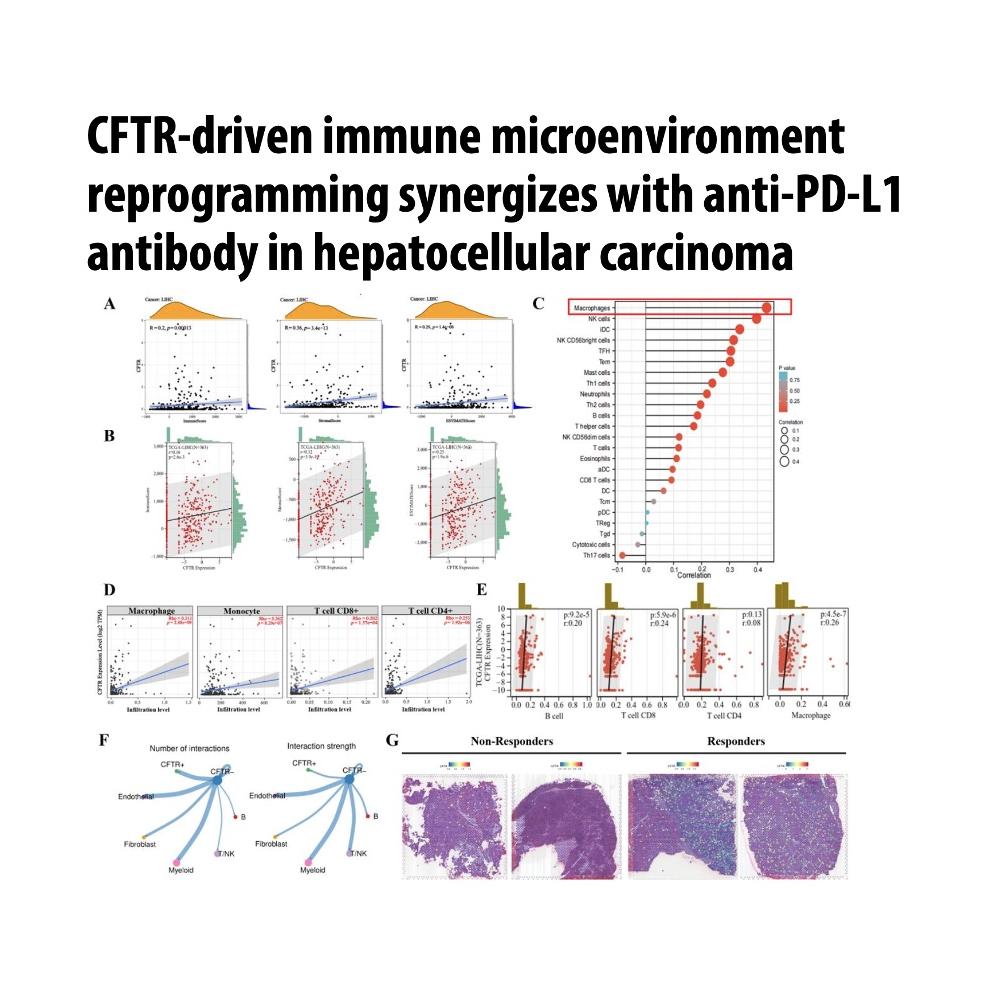
This research explores the role of the CFTR chloride channel in regulating the growth and spread of hepatocellular carcinoma (HCC). Investigators discovered that CFTR expression is significantly reduced in liver cancer tissues, which correlates with more aggressive disease and poorer patient outcomes. By restoring CFTR function, researchers were able to lower intracellular levels of chloride and calcium, thereby suppressing the RUNX1 and NF-κB signaling pathways. This biochemical shift reprograms the tumor immune microenvironment by encouraging the infiltration of tumor-killing CD8+ T cells and M1 macrophages while reducing immunosuppressive cells. Most notably, activating this CFTR-driven axis significantly boosts the effectiveness of anti-PD-L1 antibody treatments. These findings suggest that targeting CFTR could be a powerful new strategy to overcome immunotherapy resistance in liver cancer patients.References:Xu Y, Sun J, He C, et al. CFTR-driven immune microenvironment reprogramming synergizes with anti-PD-L1 antibody in hepatocellular carcinoma[J]. Cell Death & Disease, 2026.前往小宇宙评论区与主播互动
Embed this episode
Ready to play
1453-CFTR Potentiates Immune Microenvironment Reprogramming
No transcript for this episode yet
Similar Episodes
No similar episodes found.
Similar Podcasts
No similar podcasts found.