
EPISODE · Mar 30, 2022 · 41 MIN
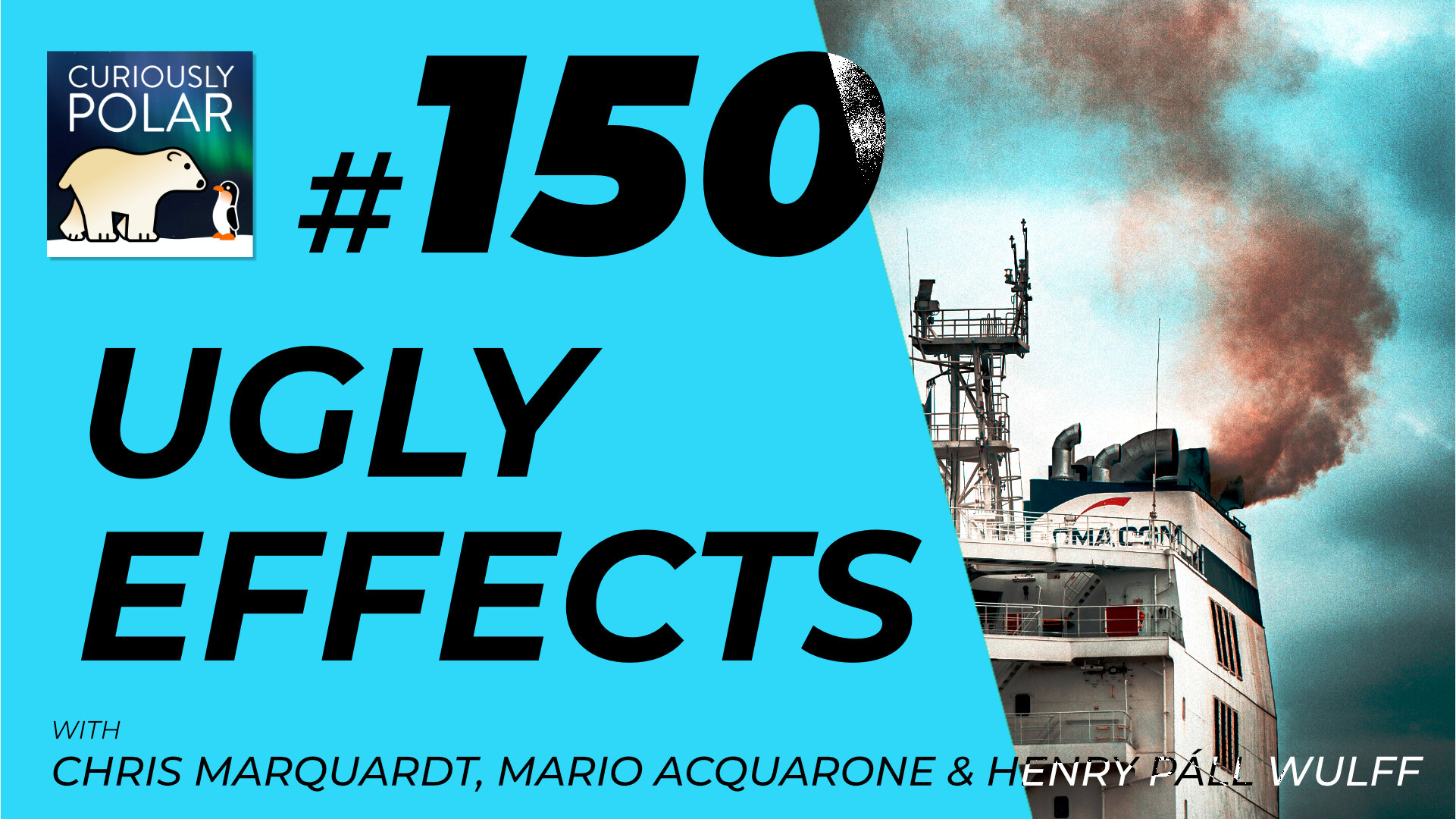
150 The Ugly Effects of Science and Tourism in the Polar Regions
from Curiously Polar · host Chris Marquardt
The Arctic and the Antarctic are privileged locations for observers interested in understanding how our world is shaped by the forces of nature and the workings of history. These areas have inspired countless humans to undertake epic expeditions of discov
Embed this episode
What this episode covers
Watch this on video | Buy us a coffee: Chris / Henry / Mario POLAR NEWSREEL: Heatwaves at both of Earth’s poles Extremes of 40C above normal. Antarctic and Arctic temperatures have shocked researchers. Antarctic areas reach 40C above normal at same time as north pole regions hit 30C above usual levels. | Lowest extent of Antarctic sea-ice since the start of satellite observations This February 24th the measure of extent of Antarctic sea-ice has reached a new low more than 7% lower than the previous record-low in 2017. The larger loss of sea ice in 2022 is seen to be concentrated in especially the Ross Sea, toward the Amundsen Sea, and in the outer part of the Weddell sea ice cover. | Arctic sea ice reached its maximum extent at a near-record early date This year’s sea ice maximum was the 10th lowest on record with its greatest extent on Feb. 25, one day short of the earliest date on record. However, an early start to the melt season does not necessarily set up a low September minimum. This year’s freeze patterns varied by location, as is typical. By the time the maximum was reached, ice extent was near or above long-term averages in some places like the Bering Sea and Baffin Bay, but it was below average in other places, like the Barents Sea. | Will less ice in the Arctic Ocean lead to colder winters in the northern hemisphere? Model runs show that there is a weak link between Arctic sea ice and climatic indicators for the Northern hemisphere that may or may not link the two. | Black carbon from tourism and science and Antarctic snowmelt Study shows that local pollution from burning fossil fuels in Antarctica darkens the snow and increases melting by 23mm per year on average or by 83 tonnes for each visitor (and the carbon footprint of a researcher is 10 times that of a tourist). | Black Carbon in the Arctic The threat to the Arctic from black carbon from shipping has been known for some time. When black carbon, a short-lived climate-forcer responsible for around 20% of shipping’s climate impact, is emitted from the exhausts of ships and settles onto snow and ice, it accelerates melting and the loss of reflectivity - the albedo effect - which creates a feedback loop that further exacerbates local and global heating. Due to the use of heavy fuel oils and increased Arctic shipping traffic, emissions of black carbon from ships in the Arctic increased 85% between 2015 and 2019. With the Arctic heating-up faster than anywhere on Earth, it’s clear that this upward trend of black carbon emissions must be reversed urgently. | Sahara Dust Fertilizing Plants in the Amazon Dust from the Sahara desert is regularly transported by winds over large distances and visibly deposited on cities in Europe, but it is also surprisingly blown westwards towards South America. The Sahara dust deposited over the Amazon area is an important source of phosphorus as fertilizer for the forest plants. Black carbon from tourism and science and Antarctic snowmelt - Study shows that local pollution from burning fossil fuels in Antarctica darkens the snow and increases melting by 23mm per year on average or by 83 tonnes for each visitor / Black Carbon in the Arctic This is an episode of the Curiously Polar podcast with Chris Marquardt https://chrismarquardt.com/ Henry Páll Wulff: https://henrypall.com/ Mario Acquarone https://www.buymeacoffee.com/polarmario Listen to all podcast episodes at https://curiouslypolar.com All video episodes at https://tfttf.com/curiouslypolarvideo Find us here: Web: https://curiouslypolar.com Twitter: https://twitter.com/curiouslypolar Instagram: https://instagram.com/curiouslypolar
NOW PLAYING
150 The Ugly Effects of Science and Tourism in the Polar Regions
No transcript for this episode yet
Similar Episodes
No similar episodes found.