
EPISODE · Jan 3, 2024 · 14 MIN
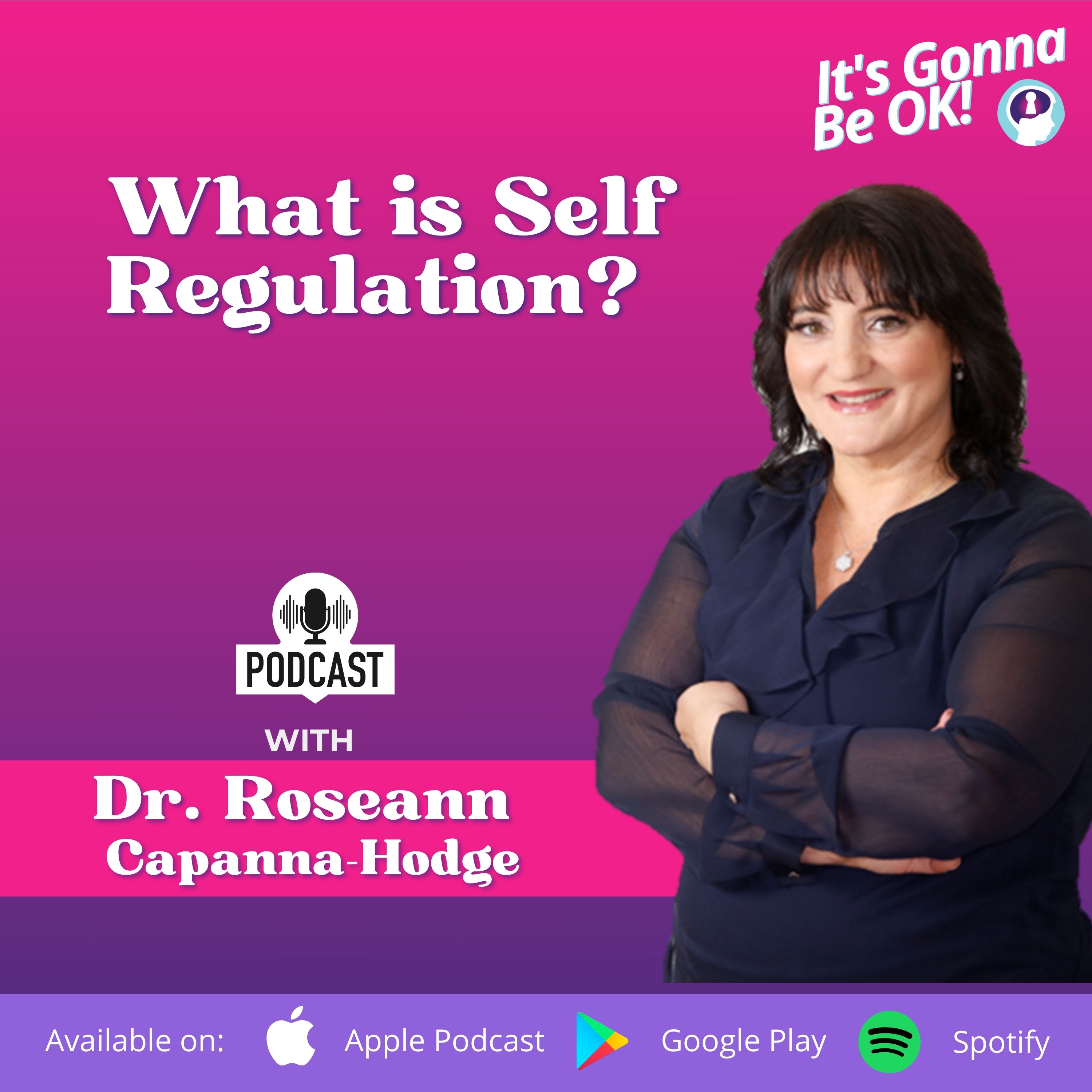
What is Self Regulation? | Emotional Dysregulation in Children | E151
from Dysregulated Kids: Science-Backed Parenting Help for Behavior, Anxiety, ADHD and More
What is self regulation? It's one of the most important questions parents can ask when trying to understand behavior, emotions, and nervous system health. In this episode, I explain what is self regulation, why it matters for children and adults, and how developing strong self-regulation skills supports emotional wellness, resilience, and success in everyday life.Many parents hear terms like emotional regulation, co-regulation, and nervous system regulation, but still wonder, what is self regulation and why does it seem so difficult for some children? Understanding the answer can completely change how you view behavior and support your child.In this episode, you'll learn:• What self regulation actually means• How the nervous system influences behavior• Why some children struggle with regulation more than others• Practical ways to support emotional and behavioral regulationWhat is self regulation?Self-regulation is the ability to:• Manage emotions effectively• Control impulses and reactions• Adapt to challenges and stress• Maintain focus and attention• Recover from setbacksSelf-regulation is not about suppressing emotions. It's about learning how to experience emotions without becoming overwhelmed by them.Behavior is communication.It's not bad behavior—it's often a sign that regulation skills need support.Understanding the nervous system helps us respond more effectively to challenging behaviors.Why do some children struggle with self regulation?Many factors can affect regulation, including:• Nervous system dysregulation• Anxiety and stress• ADHD and executive functioning challenges• Sensory processing differences• Sleep difficulties• Environmental stressorsChildren are not born with fully developed self-regulation skills. These abilities develop over time through support, practice, and co-regulation.What is the difference between self-regulation and co-regulation?Co-regulation occurs when a calm, supportive adult helps a child regulate emotions and behavior. Over time, children internalize these skills and develop stronger self-regulation abilities on their own.The pathway is often:Parent regulation → Co-regulation → Self-regulationHow can parents support self regulation?Helpful strategies include:• Regulating yourself first• Teaching emotional awareness• Creating predictable routines• Supporting nervous system regulation• Practicing coping skills during calm momentsThe goal is helping children build confidence in their ability to manage emotions and challenges.Why does self regulation matter?Strong self-regulation skills support:• Academic success• Healthy relationships• Emotional resilience• Better decision-making• Long-term mental wellnessWhen children learn to regulate emotions effectively, they are better able to navigate life's challenges with confidence.Need personalized next steps? Use the FREE Solution Matcher: https://drroseann.com/help/Dr. Roseann Capanna-Hodge helps parents understand emotional dysregulation in children and teaches practical nervous system regulation and co-regulation strategies through her Regulation First Parenting™ approach.
Embed this episode
NOW PLAYING
What is Self Regulation? | Emotional Dysregulation in Children | E151
No transcript for this episode yet
Similar Episodes
No similar episodes found.
Similar Podcasts
No similar podcasts found.