
EPISODE · Jan 10, 2024 · 11 MIN
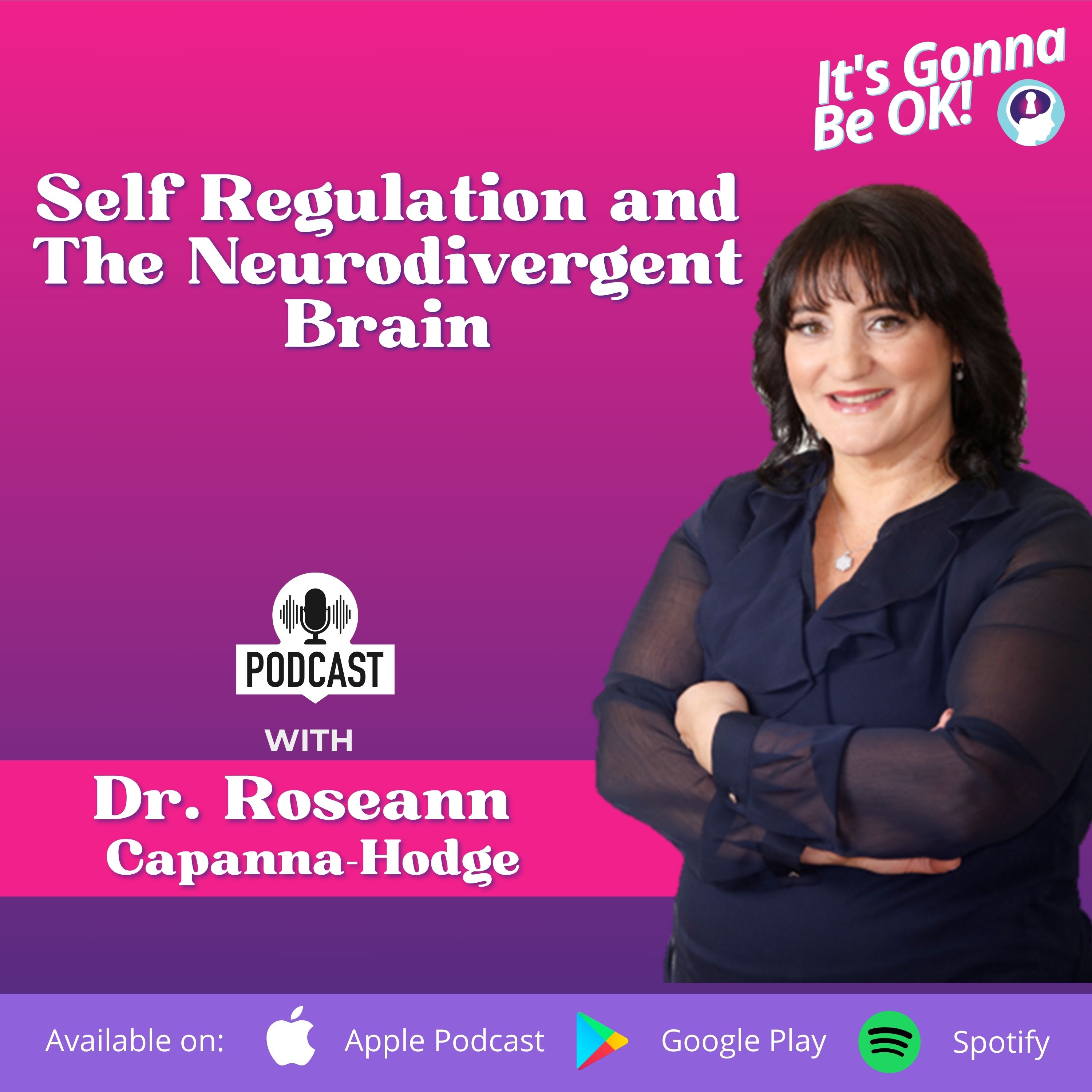
Self Regualtion and The Neurodivergent Brain | Nervous System Strategies | E153
from Dysregulated Kids: Science-Backed Parenting Help for Behavior, Anxiety, ADHD and More
Self Regulation and the Neurodivergent Brain is the key to understanding why your child swings from focus struggles to intense emotions. In this episode, Dr. Roseann Capanna Hodge explains how Regulation First Parenting™ supports overwhelmed kids and calms dysregulated brains.In this episode, you’ll learn:• How behavioral dysregulation in children manifests in shutdowns and meltdowns• The impact of sensory overload on emotional regulation• How delayed processing affects frustration, irritability, and shame• Ways to identify and leverage a child’s strengths• Practical strategies to support self-regulation skills for children at home and schoolWhy children flip between shutdowns and explosive reactionsNeurodivergent brains often alternate between understimulation and overstimulation, both of which create dysregulation:Understimulation: withdrawal, zoning out, tearfulnessOverstimulation: irritability, anger, intense emotional responsesTakeaways:• Understimulation leads to focus issues and learning challenges• Overstimulation triggers anger, sensory overwhelm, and rapid emotional escalation• Behavior is communication from a stressed brainParent story:A child would cry at homework one day and yell the next. Once the nervous system was regulated, emotional swings softened dramatically.How sensory overload impacts behaviorChildren are more sensitive to lights, sounds, textures, and foods when their nervous system is dysregulated. Even mild sensations can trigger overwhelm in kids with ADHD, autism, dyslexia, OCD, or PANS.Takeaways:• Sensory sensitivity is a brain-based response• Overwhelm worsens when the nervous system is dysregulated• Calming the nervous system reduces resistance around food, clothing, and transitionsParent example:A child went from daily tantrums and refusing most foods to eating new meals and staying calm after focusing solely on nervous system regulation.Delayed processing and frustrationMany neurodivergent children experience a 3–5 second processing delay, which can lead to internal stress, shame, and reactive behavior.Takeaways:• Processing delays create internal stress• Kids may respond with anger or shutdown because they feel unsafe• Slowing the environment and providing structure helps regulate the brainKey reminder:It’s not bad parenting—it’s a dysregulated brain.Strengths in neurodivergent childrenEven when learning or communication challenges exist, neurodivergent kids often have remarkable abilities such as creativity, problem-solving, or pattern recognition.Takeaways:• Strengths are present even if overshadowed by dysregulation• Recognizing strengths boosts confidence and reduces anxiety• Integrating strengths at home and school helps children thriveParent story:A teen with dyslexia struggled academically but had excellent visual-spatial skills. Once supported, he excelled in design projects.Listen + Take the Next StepIf this episode helped you better understand behavioral dysregulation in children, share it with another parent.Get your FREE Regulation Rescue Kit here:👉 www.drroseann.com/newsletterTakeawayBehavioral dysregulation affects focus, emotions, and social interactions—but it is manageable. By calming the nervous system first, addressing sensory sensitivities, and leveraging strengths, kids gain flexibility, resilience, and self-regulation skills.It’s gonna be OK.FAQs: Behavioral Dysregulation in ChildrenQ1: What is self-regulation in neurodivergent kids?A1: The ability to manage emotions, focus, and behavior effectively. It underpins learning, social skills, and coping.Q2: Why does my child get angry so quickly?A2: Dysregulation in the nervous system can amplify frustration, irritability, and emotional responses.Q3: Can sensory issues improve?A3: Yes. Sensory integration, movement, and nervous system regulation help children tolerate stimuli better over time.Q4: How do I support my child at home?A4: Use co-regulation, structured routines, sensory supports, and reinforcement of strengths. Start by calming your own nervous system first.Dr. Roseann Capanna-Hodge helps parents understand Emotional Dysregulation in Children and teaches practical Nervous System Regulation in Children and Co-Regulation Techniques through her Regulation First Parenting™ approach.
Embed this episode
NOW PLAYING
Self Regualtion and The Neurodivergent Brain | Nervous System Strategies | E153
No transcript for this episode yet
Similar Episodes
No similar episodes found.
Similar Podcasts
No similar podcasts found.