
EPISODE · Sep 8, 2026 · 22 MIN
1557-Reversible Epiblast Regionalization in Pluripotency
from Paper Talk
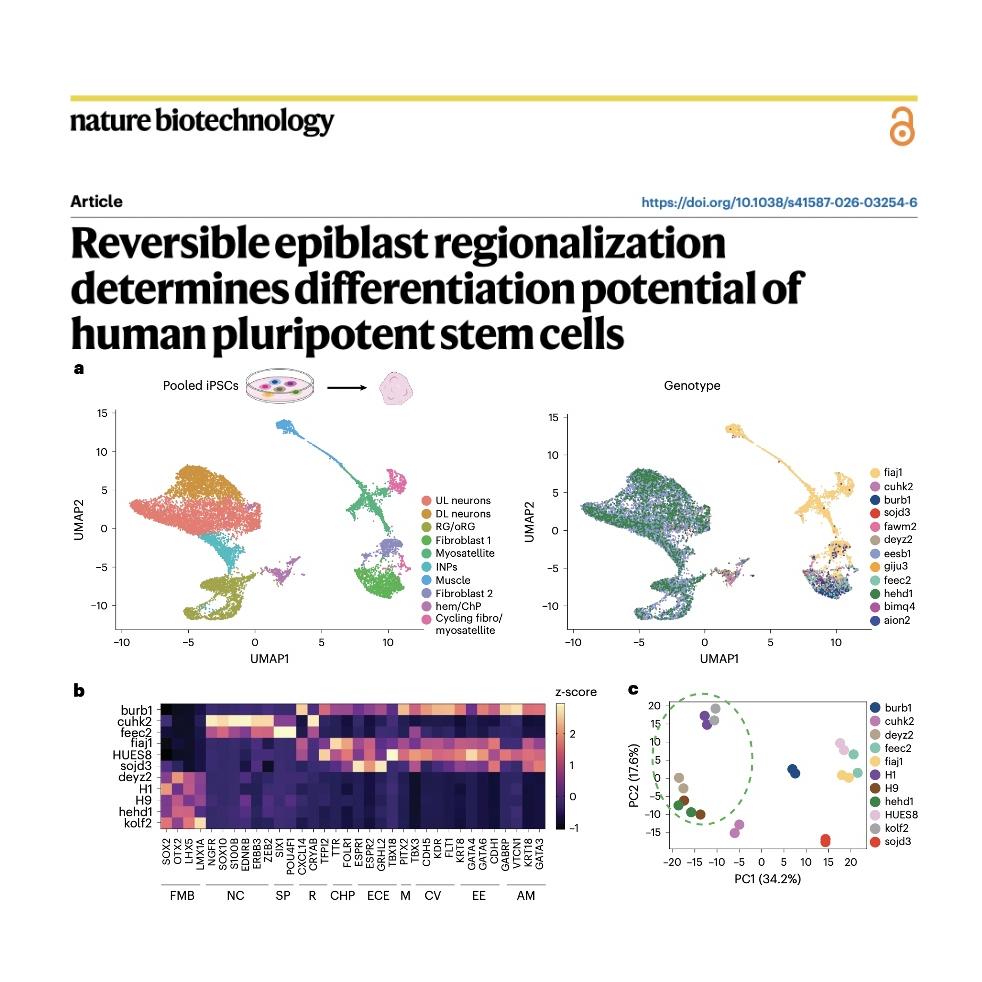
Scientific researchers have discovered that variability in the differentiation potential of human pluripotent stem cells (hPSCs) is driven by their epigenetic regionalization. Specifically, cells that fail to develop into brain organoids exhibit a posterior epiblast-like state characterized by the loss of bivalent chromatin marks and premature gene expression. To address this, the authors developed a chemical chromatin restoration (CHR) protocol that uses small molecules to reset the cells' internal programming. This treatment effectively shifts the cells back to a competent anterior state, reinstating their ability to form tissues from all three germ layers. By identifying these locus-specific histone modifications as the primary source of developmental bias, the study provides a practical method for rescuing compromised cell lines. Ultimately, this advancement enhances the reliability of using stem cells for disease modeling and regenerative medicine.References:Sutcliffe M A, Wong E, Wingett S W, et al. Reversible epiblast regionalization determines differentiation potential of human pluripotent stem cells[J]. Nature Biotechnology, 2026: 1-13.前往小宇宙评论区与主播互动
Embed this episode
Ready to play
1557-Reversible Epiblast Regionalization in Pluripotency
No transcript for this episode yet
Similar Episodes
No similar episodes found.
Similar Podcasts
No similar podcasts found.