
EPISODE · Sep 17, 2026 · 20 MIN
1584-衰老诱导的基质硬化与胰腺癌化疗耐药性
from 聊聊Sci
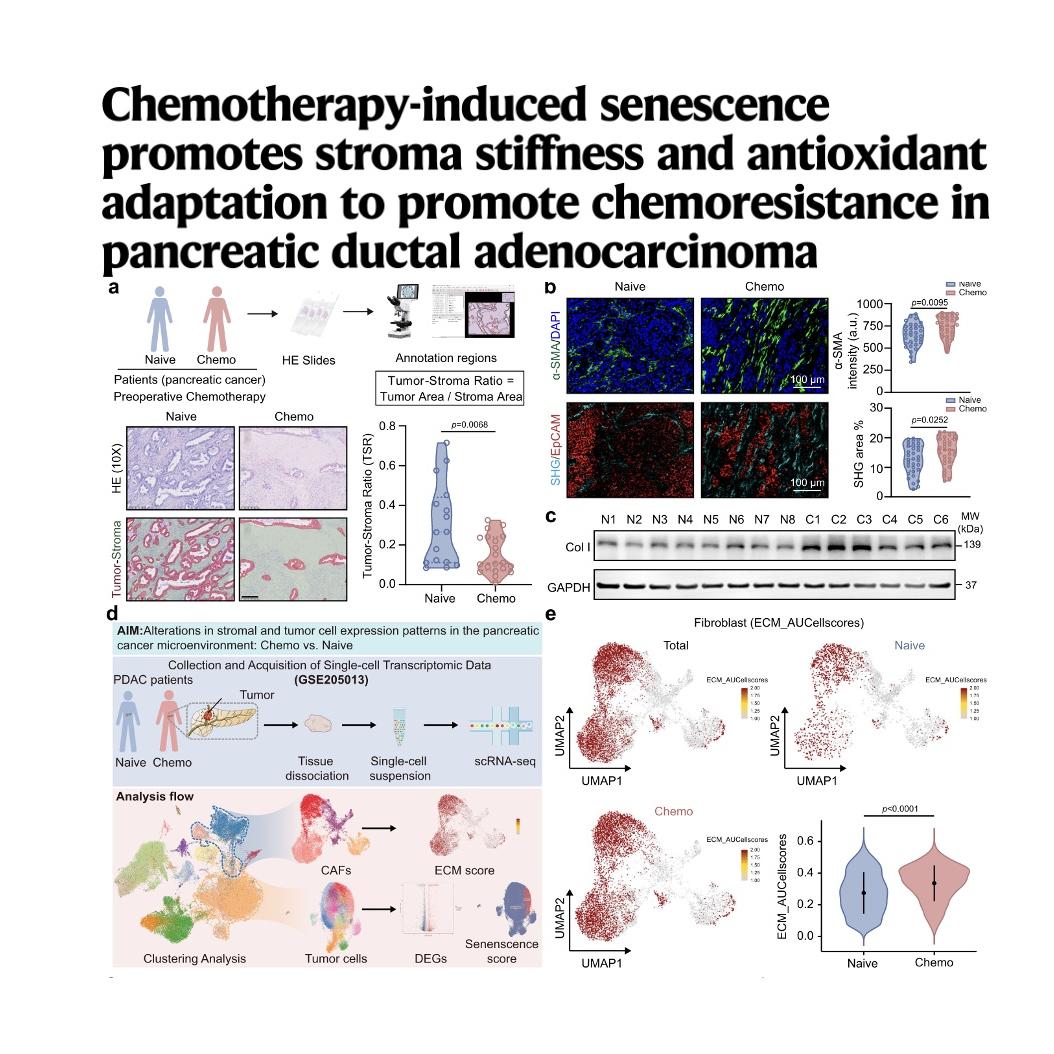
这份研究揭示了胰腺导管腺癌(PDAC)在化疗后产生耐药性的核心机制。研究发现,吉西他滨化疗会诱导肿瘤细胞进入衰老状态,并通过分泌相关表型激活成纤维细胞,导致间质纤维化和硬度增加。这种物理环境的变化通过机械敏感通道 Piezo1 触发了细胞内的代谢重塑,并促使 BRG1 与 NRF2 结合,增强了肿瘤的抗氧化防御能力。这种适应性机制帮助肿瘤细胞逃避铁死亡,从而产生耐药。最终,研究证实通过结合衰老抑制剂与铁死亡诱导剂,可以有效拆解这种保护机制,显著抑制肿瘤生长并改善免疫微环境。References:Liu X, Huang Z, Yang B, et al. Chemotherapy-induced senescence promotes stroma stiffness and antioxidant adaptation to promote chemoresistance in pancreatic ductal adenocarcinoma[J]. Nature Communications, 2026, 17: 8798.前往小宇宙评论区与主播互动
Embed this episode
Ready to play
1584-衰老诱导的基质硬化与胰腺癌化疗耐药性
0:00
20:43
1×
No transcript for this episode yet
Similar Episodes
No similar episodes found.
Similar Podcasts
Forfeiture Book Review: Ecocide and Sci-Fi
JP et al.
A whizz bang review of the complex themes in the new ecological Sci-Fi novel, FORFEITURE by JP Nebra
Deep Dream State
Neural Nets And Pretty Patterns
Deep Dream State is a full-cast dystopian sci-fi and desire horror audio drama by Neural Nets and Pretty Patterns. As the originating work of desire horror, it locates the uncanny inside wanting itself. While conventional horror positions you against a threat, desire horror implicates you in it. The horror emerges from recognition: the realization of why characters stay, and why surrender feels like relief. Since 2017, the show has used research in dream science, surveillance studies, behavioral economics, and advertising technology to examine systems of control through immersive sound design and full-cast performance.
Frequently Asked Questions
How long is this episode of 聊聊Sci?
This episode is 20 minutes long.
When was this 聊聊Sci episode published?
This episode was published on September 17, 2026.
Can I download this 聊聊Sci episode?
Yes. Use the download control on the episode player to save the publisher-provided media file.
URL copied to clipboard!