
EPISODE · Oct 14, 2023 · 23 MIN
#166 Agility in Cloud Adoption
from Embracing Digital Transformation · host Dr. Darren Pulsipher
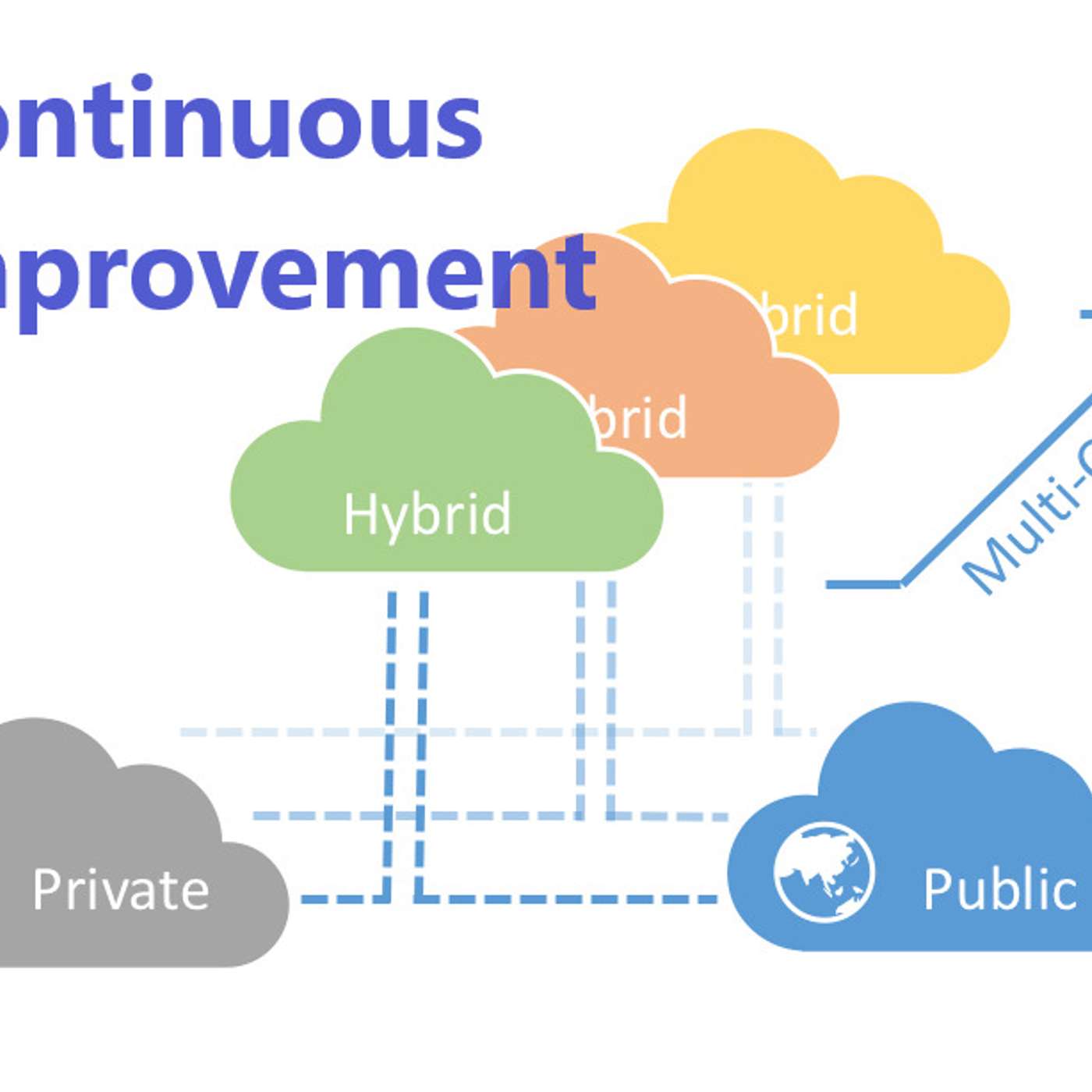
Check out my new book AI Augmented Teams on Amazon or on my website paidar.ai/books.Cloud migration is no longer a one-time process, but rather a continuous journey that requires constant evaluation, monitoring, and adjustment to achieve business objectives. In this episode of our podcast, host Darren Pulsipher talks to guest Christine McMonigal about the importance of adopting continuous improvement in cloud operations. Cloud Migration as an Ongoing JourneyWhile many people view cloud migration as a one-time process, it is essential to view it as a continuous journey, wherein developers and operations teams work together. Once the workloads are modernized and deployed, constant monitoring and assessment are necessary to determine if they meet business objectives and success metrics.By treating cloud migration as an ongoing journey, organizations can enable their teams to iterate, refine, and improve their success. This approach will allow agility, adaptability, and the ability to respond to evolving business needs. Repatriating Workloads and FlexibilityAn important aspect to consider is the possibility of migrating workloads back on-premises if the expected benefits from the cloud are not being achieved or if there is a need to switch between different cloud providers. To achieve continuous improvement, it is necessary to evaluate the situation continuously, set expectations upfront, and be agile and flexible in the cloud operating model.A consistent infrastructure across multiple clouds is essential to enable flexibility and agility. While cloud service providers may try to restrict customers to their services, organizations should resist this temptation and aim for consistency across clouds or be willing to make the necessary changes when moving workloads to different locations. Tools and Best Practices for OptimizationOptimizing cloud environments can be complex and time-consuming, requiring expertise and resources. Intel's tools and best practices can help organizations assess and optimize workload placement and provide continuous real-time optimization without impacting applications. By automating certain aspects of the optimization process, these tools can save organizations time and money while improving overall performance.To maximize the benefits of these tools, it is crucial to categorize workloads into different buckets based on factors such as standardization, criticality, and experimentation. For example, workloads that require high availability and low latency may need to be placed on dedicated infrastructure, while those that are less critical can be placed on shared infrastructure. Organizations can use a targeted approach to optimization to ensure that their cloud environment is tailored to their specific needs and goals. Embracing Digital Transformation and Migrating to the CloudThe relevance of organizational change and learning from successful and unsuccessful methods is also highlighted in this episode. To assist organizations in their cloud migration process, valuable resources and guidance can be found at embracingdigital.org.In conclusion, by implementing continuous improvement, developing a strategic approach, and embracing organizational change, organizations can optimize their cloud environment, drive efficiency, and achieve their business objectives. Adopting continuous improvement in cloud operations and treating cloud migration as a continuous journey is the key to successful cloud migration.
Embed this episode
NOW PLAYING
#166 Agility in Cloud Adoption
No transcript for this episode yet
Similar Episodes
No similar episodes found.
Similar Podcasts
No similar podcasts found.