
EPISODE · Jan 20, 2021 · 29 MIN
17: Cultural Organizing in Appalachia: Building Trust, Equity, and Economic Resilience – Part 1
from ART IS CHANGE: Strategies & Skills for Activist Artists & Cultural Organizers
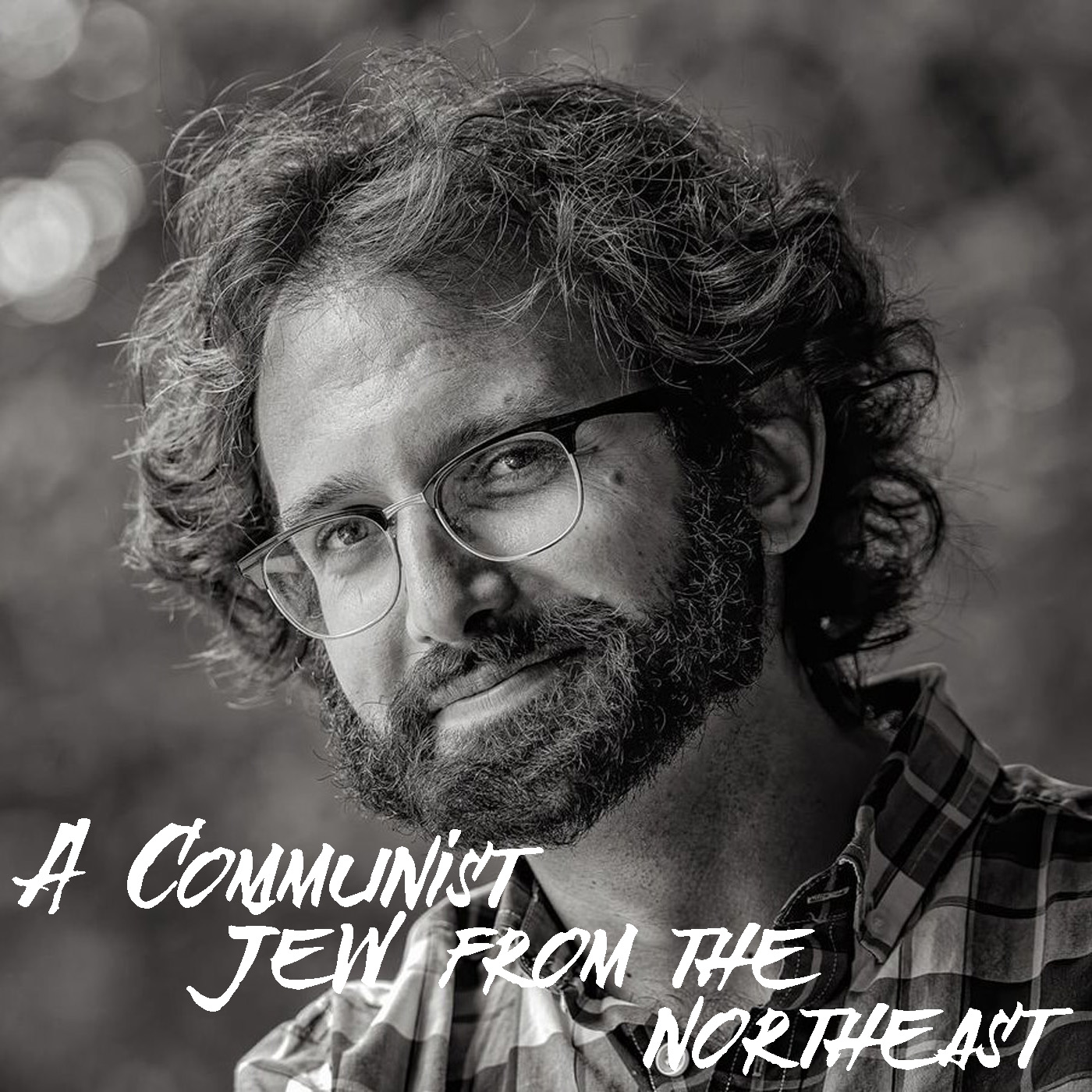
CSCW EP 17: Ben Fink – A Communist Jew from the Northeast – Chapter 1 Threshold Questions and Delicious QuotesWhat defines the work of Appalshop and Performing our Future?The work is creating the conditions, for people in communities to tell their own stories, build their own power, and create their own wealth, and doing it really intensely locally rooted in local traditions and local valuesWhat is the difference between community engagement and working with your neighbor?...What I'll usually say, I come in, I'm supposed to talk to a group about community engagement. First thing you got to know, fuck community engagement. And then they say, oh, what do you mean? Ben now, how do you describe your work if you don't talk about community engagement? I said, "I work with my neighbors". Sometimes my neighbors are across the street. Sometimes my neighbors are across the country. We are neighbors. We are living together and we're going to work together. Does that mean we're all the same? Hell no. What community is composed of all people that are the same.How can working with your neighbor help change a community's story?...that act of making things together and owning what we make. It's so central to the work, because when you make something together, then you are changing that story, because you now have a story of, "we built this we have added to our world in a way that is deeply meaningful of both of us." From that foundation. It is really hard to dehumanize someone.TranscriptSo, where do I start. I think I start by asking your help. by joining in a little song. This may seem crazy on a podcast – but here is the lyric: We who believe in freedom cannot rest.Before we sing it, please take a moment to ponder what these words mean to YOU, in your life, or in your work, OK here we go. Here is the beat ………and the melody.We who believe in freedom cannot rest. Now you: We who believe in freedom cannot rest. Again: We who believe in freedom cannot rest.If you actually did sing while listening here … Give yourself a hand. So, what have we just done: In a little over a minute we have manifested the three human behaviors that many believe have most contributed to survival and proliferation of the human species. They also happen to be three of the THINGS, that artists are particularly good at making happen in the world. So, what are they? First, if we were in a group, what we just did would have captured and focused the attention of those folks. If you are not alone, you may have had that experience just now. Of course, this singing thing is not new. In fact, our singing here, was a reprise of one of the first strategies that our early ancestors used maybe 100,000 years ago to capture and focus the attention of the tribe to support what we now call ----building community, Now next Beyond focusing attention, our singing together also provided a very simple and direct way of connecting our heads and our hearts — inside, individually, and with each other. This visceral, bodily connecting, is no small thing This is because we humans need nudges like these to begin forging the bonds, the trust we all need to join with others outside of our families and kinship circles to work together. There are no cultures that do not sing. Music…. A Wayfaring StrangerAnd finally our singing connected OUR STORIES: if we were singing these words together at the same place and time with others, like the members of the Indian Bottom Old Regular Baptist Church you hear in the background, singing A Wayfaring Stranger, we would have added one more tiny layer to the growing web of stories that we spin together every day to define our community—in this case a congregation in Letcher County Kentucky whose faith and hymn singing and sense of mutual support are viscerally connected to the stories they make and share together. Now, a bonus, those ten words we sang have also connected you and your stories to the extraordinary life of Ella Baker. Ella’s words are memorialized in the line you sang from “Ella’s Song” by Bernice Johnson Reagon, who worked with Ella at the Student Nonviolent Coordinating Committee in the early days of the civil rights movement.Bernice went on to found the extraordinary acapella group Sweet Honey in the Rock, and Ella became a prominent player in the civil rights struggle. She was also a contrarian of sorts, in that she felt that the hierarchical leadership model of the church-based civil rights movement was, largely undemocratic and unaccountable The reason that I share Ella’s story with you today is that her belief in bottom up, community accountable, leadership very much informs the story you are about to hear. This is Change the Story / Change the World, a chronicle of art and transformation. My name is Bill Cleveland. Our guest for our next two episodes is, Ben Fink, who sometimes introduces himself as a "communist Jew from the northeast". In it we will hear about a theater company called Roadside, a community building project called Performing Our Future, and a culturally centered economic development initiative called Culture Hub all of which operate under the auspices of a mother ship known as Appalshop. From its home in Whitesburg Kentucky, Appalshop has been a powerful agent of arts-based, community driven social change in Appalachia for the past 50 years. It would take 10 episodes to just scratch the surface of the full Appalshop story and they tell it best. So if you want to know more go to Appalshop.org. That’s A p p a l shop.org. or find the link in this episode’s show notes. Speaking of Appalshop, Ben, who recently left his position there wants to make it clear that he is sharing his own unique perspective here and not that of any of the organizations mentioned in our talk,Now on to Mr. FinkPart 1: Finding RoadsideBill Cleveland: [00:00:00] Yeah. So, Ben, how are you doing?Ben Fink: [00:00:03] I'm all over the place. I left Roadside after almost five years, and I'm living in a new place doing different work and just feeling general whiplash, and just not entirely figuring out where I belong in the world. But I imagine a lot of people are feeling that right now.BC: [00:00:22] Did you, imagine yourself spending five years?BF: [00:00:25] I was hired on a two-year contract and the work continued to grow an, I was continuing to learn. So, I, I chose to stay. BC: [00:00:36] This podcast is fairly new. Conversations with fellow travelers in the world of art and community development, and organizing, and activism. And the podcast follows on in a path that I've been on my entire, life, which is to tell the stories of, heroes and heroines that I encounter in my work. So, you're one of them Mr. FinkBF: [00:01:02] I will, I'll take that as a compliment.BC: [00:01:06] So when you show up at a Thanksgiving, gathering what do you describe your work as?BF: [00:01:12] The work is creating the conditions, for people in communities to tell their own stories, build their own power, and create their own wealth, and doing it really intensely locally rooted in local traditions and local values, and then as people build that collective power wealth story on a local level create opportunities for them to recognize that other communities that they may never have met before hey may even have been told, are their enemies, that they are doing the same work and they can do that work together.BC: [00:01:53] What is the the story of how you came to be in a position to be doing what you just described?BF: [00:01:59] Yeah, so two things to know about me. One is that I grew up in a household with a lawyer and former Planned Parenthood, social worker for a mother, and a political journalist for a father. And so the idea that anything I did was going to be divorced from a serious grounding in political context. It just didn't even register as a possibility in my childhood. I remember when I would go to elementary school and students and even teachers would say, "oh, I don't really follow politics" and it just didn't make sense to me. Because that's just the world, that's just the most important and exciting parts...
Embed this episode
Ready to play
17: Cultural Organizing in Appalachia: Building Trust, Equity, and Economic Resilience – Part 1
No transcript for this episode yet
Similar Episodes
No similar episodes found.
Similar Podcasts
No similar podcasts found.